Aperçu en situation
 Envoyer
 Partager
 Détails de l'œuvre
 Guide
Guide

 Télécharger l'image
 Articles similaires
 Radiographie
 Diaporama
 Questions et réponses
 Statistiques
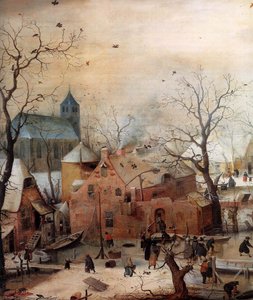
Rivière gelée avec patineurs


 Lire la suite
Giclées et impressions d'art
Impressions giclées ou sur toile de qualité musée, avec une production rapide et des finitions au choix. ( Commander la reproduction peinte à la main Passer au format numérique)




































Choisissez parmi nos formats prédéfinis qui respectent les proportions originales de l’œuvre.

Saisissez la largeur et la hauteur souhaitées pour qu'elles s'adaptent à votre cadre ou à votre mur. Une impression peut être recadrée, mais jamais agrandie au-delà de l'image originale ; ainsi, un format de forme différente entraînera la perte d'une partie de l'image. Nous vous envoyons une maquette numérique pour approbation avant toute impression. L'image présentée sur cette page ne montre pas le recadrage réel — seule la maquette le permet.
Livraison dans le monde entier () en 2 semaines au lieu des 4/5 semaines habituelles. (8 novembre)

Livraison express gratuite dans le monde entier

Toile de lin de qualité supérieure

Assurance transport complète

Garantie de remboursement des droits de douane

Garantie de fidélité des couleurs

Politique de retour de 100 jours (uniquement en cas de défaut)

Garantie de remboursement à 100%

Offre de tarifs dégressifs
 L'option verre n'est disponible que pour les dimensions inférieures à 110 cm.

Rivière gelée avec patineurs
Giclées et impressions d'art
Format de la reproduction
-


Prix total
€ 72
Frozen River with Skaters: A Glimpse of Dutch Winter Life
- Subject & Description: This captivating oil painting, "Frozen River with Skaters," transports viewers to a bustling winter scene in 17th-century Netherlands. Created around 1620 by Hendrick Avercamp, the circular canvas depicts a lively tableau of figures enjoying ice skating on a frozen river. The composition is densely populated, showcasing a vibrant rural landscape dominated by a brick building emitting smoke, a picturesque windmill, and a partially frozen river teeming with activity. Numerous individuals are engaged in various winter pastimes – skating, sledding, fishing, and simply socializing – creating a dynamic and engaging scene.
Style & Technique: Echoes of the Dutch Golden Age
- Artistic Style: Avercamp's style is firmly rooted in the Dutch Golden Age genre painting tradition, particularly reminiscent of Hendrick Avercamp’s own earlier works and those of contemporaries like Adam van Breen. The artwork exemplifies meticulous observation and realistic depiction of everyday life, a hallmark of this period.
- Painting Technique: Executed in oil paints on canvas or panel, the technique demonstrates traditional layering and visible brushwork. This contributes to the overall realism and texture of the scene. Aerial perspective is skillfully employed, with distant elements appearing smaller and less defined, creating depth within the composition. The color palette predominantly utilizes muted tones – browns, grays, blues, and ochres – effectively conveying the coldness and bleakness characteristic of a winter landscape.
Historical Context & Symbolism
- The "Little Ice Age": The painting's subject matter is intrinsically linked to the “Little Ice Age” (approximately 1550-1800), a period of unusually cold winters that significantly impacted Europe, including the Netherlands. The prevalence of ice skating as a popular pastime during this era provided fertile ground for artists like Avercamp to capture these unique moments in time.
- Dutch Society: The painting offers a valuable glimpse into Dutch society of the early 17th century. It portrays a sense of community and shared leisure, highlighting the importance of social gatherings even amidst harsh weather conditions. The inclusion of various social classes – from fishermen to figures in noble attire – suggests a degree of social harmony and interconnectedness.
- Symbolism: Beyond its depiction of everyday life, the painting can be interpreted as symbolizing resilience and adaptability in the face of adversity. The vibrant activity on the frozen river represents the ability of people to find joy and connection even during challenging times.
Emotional Impact & Legacy
- Atmosphere: The artwork evokes a sense of briskness, energy, and communal spirit. Despite the cold setting, the painting exudes warmth through its depiction of human interaction and lively activity. The detailed portrayal of individual figures and their actions invites viewers to immerse themselves in the scene and imagine the sounds and sensations of a winter day on the frozen river.
- Avercamp's Contribution: Avercamp is recognized as one of the first Dutch masters to specialize in winter landscapes, establishing a unique niche within the art world. His ability to capture the dynamism and detail of these scenes has secured his place as a significant figure in Dutch Golden Age painting. His work continues to inspire artists and captivate audiences with its charming depiction of everyday life during a remarkable period in history.
Questions et réponses
Quelle est la place historique de « Rivière gelée avec patineurs » ?
«Rivière gelée avec patineurs» de Hendrick Avercamp appartient au mouvement Dutch Golden Age, durant la période L'époque moderne.
L'œuvre « Rivière gelée avec patineurs » est-elle plutôt claire ou plutôt sombre dans l'ensemble ?
Les valeurs enregistrées pour «Rivière gelée avec patineurs» de Hendrick Avercamp sont : une luminosité de équilibrée, une luminance de Ombre douce.
Puis-je commander une reproduction à l'huile de « Rivière gelée avec patineurs » ?
Vous pouvez commander une reproduction peinte à la main de «Rivière gelée avec patineurs» de Hendrick Avercamp directement sur sa page Reproduction peinte à la main : une reproduction à l'huile peinte à la main sur toile de lin, réalisée sur commande.
Biographie de l'artiste
Hendrick Avercamp (1585-1634): The Silent Pioneer of Winter Landscapes
Hendrick Avercamp, born in Amsterdam in a house next to the Nieuwe Kerk on January 27, 1585, stands as one of the foremost figures in Dutch Golden Age painting—a period renowned for its artistic brilliance and cultural dynamism. His life story is interwoven with both remarkable creative achievement and personal circumstance, shaping him into an artist whose legacy continues to resonate today. From his early years marked by a profound silence—hence “de Stomme van Kampen”—to his prolific output of winter landscapes that captured the spirit of his era, Avercamp’s journey embodies the essence of Dutch artistic innovation.Early Life and Artistic Training: Influences from Brueghel
Avercamp's formative years were steeped in the artistic traditions of Amsterdam, where he received instruction primarily from Pieter Isaacsz, a celebrated portrait painter whose meticulous attention to detail established a benchmark for visual representation. While Isaacsz focused on capturing individual likenesses with precision, Avercamp’s artistic sensibilities leaned towards a broader scope—one informed by the pioneering work of Pieter Brueghel the Elder. Like Bruegel, Avercamp recognized the power of depicting everyday life against a dramatic backdrop, translating the Flemish master’s expressive style into his own distinctive visual language. Evidence suggests that Avercamp may have also studied under David Vinckboons, whose artistic explorations mirrored Brueghel's commitment to capturing atmospheric conditions and conveying emotion through color and composition. These influences profoundly shaped Avercamp’s artistic vision, propelling him toward a singular path of innovation.The Winter Landscape Genre: A Dutch Breakthrough
Avercamp distinguished himself as one of the earliest Dutch artists to champion the winter landscape as an independent genre—a bold departure from the prevailing focus on portraiture and history painting that characterized the period. Around 1608, coinciding with a bitterly cold winter in Holland—the culmination of the Little Ice Age—Avercamp embarked upon his most ambitious project: *Winter Landscape with Skaters*, now housed at the Rijksmuseum in Amsterdam. This monumental canvas exemplifies Avercamp’s mastery of capturing not merely the visual appearance of winter but also its palpable atmosphere—a feat achieved through masterful use of aerial perspective and a meticulous rendering of human activity amidst the frozen expanse. Unlike many contemporaries who idealized winter as a realm of sublime beauty, Avercamp presented a realistic portrayal of Dutch life unfolding on ice, populated by figures engaged in diverse pursuits ranging from sport to social interaction.Technique and Style: Detail and Atmospheric Depth
Avercamp’s artistic technique was characterized by painstaking precision—a hallmark of the Dutch Golden Age aesthetic. He employed a distinctive method involving applying watercolor washes over pen and ink drawings, resulting in luminous effects that imbued his paintings with an unparalleled sense of depth and realism. This approach allowed him to convey not only the visual contours of his subjects but also subtle nuances of light and color—elements crucial for capturing the mood and atmosphere of winter landscapes. Avercamp’s compositions were populated by numerous figures—often exceeding a hundred—each rendered with remarkable detail, reflecting his unwavering commitment to observational accuracy. Furthermore, he skillfully employed compositional devices reminiscent of Brueghel's style, creating dynamic scenes that pulsated with life and movement.Legacy and Historical Significance: A Reflection of Dutch Identity
Hendrick Avercamp’s contribution to Dutch art transcends mere stylistic innovation; it embodies a profound reflection of Dutch identity during the tumultuous years of the Eighty Years’ War—a conflict against Spanish Habsburg rule that shaped the nation's political landscape and cultural consciousness. His paintings served as visual records of daily life in Holland, capturing the spirit of resilience and adaptability amidst hardship. Avercamp’s enduring popularity testifies to his ability to connect with audiences across centuries, conveying not only aesthetic beauty but also a deep understanding of human experience—a testament to his artistic genius and his place among the luminaries of Dutch Golden Age painting. His work continues to inspire artists and scholars alike, ensuring that Avercamp's legacy as “the Silent Pioneer of Winter Landscapes” remains firmly enshrined in art history.
Hendrick Avercamp
1585 - 1634 , Pays-Bas
L'essentiel de l'artiste
- Artistic Movement Or Style: Dutch Golden Age painting
- Artists Who Influenced This Artist:
- Pieter Isaacsz
- David Vinckboons
- Date Of Birth: January 27, 1585
- Date Of Death: May 15, 1634
- Full Name: Hendrick Avercamp
- Nationality: Dutch
- Notable Artworks:
- Winter Landscape with Skaters
- Street in Delfi
- Place Of Birth: Amsterdam, Netherlands
Articles connexes

Golden Light & Dutch Skies: The Timeless Magic of Dutch Golden Age Landscapes
Discover the breathtaking beauty of Dutch Golden Age landscapes. Explore the mastery of light, chiaroscuro, and 17th-century realism through an expert art history lens, celebrating the enduring legacy of the Dutch Masters for discerning collectors and art lovers.
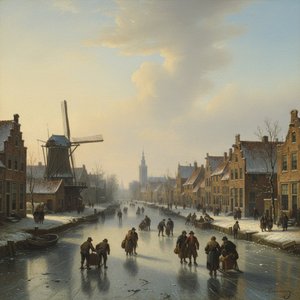
Charles Leickert: Capturing the Dutch Golden Age Light – A Comprehensive Study of Technique, Context, and Legacy
Explore the captivating winter landscapes of Charles Leickert, a master of Dutch Golden Age light & atmosphere. Discover his techniques, symbolism, and lasting legacy – a comprehensive study for art enthusiasts and collectors.

Golden Light & Dutch Skies: Bringing the Magic of Dutch Golden Age Landscapes into Your Home
Transform your home with the breathtaking light of Dutch Golden Age landscapes. Discover how hand-painted oil reproductions of masterworks like Ruisdael and Vermeer bring timeless elegance, atmosphere, and soulful texture to modern interiors. Elevate your space with museum-quality art.

L'Âge d'Or Néerlandais : 10 Chefs-d'œuvre Incontournables pour Décorer avec Art et Histoire
Plongez au cœur de l'Âge d'Or néerlandais ! Découvrez 10 chefs-d'œuvre intemporels de Rembrandt, Vermeer et autres maîtres hollandais. Explorez leur histoire, technique & trouvez l'inspiration déco sur
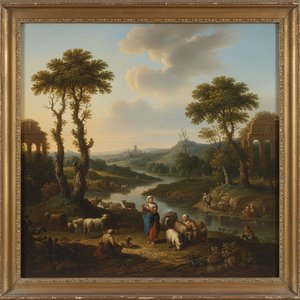
Nicolaes Berchem: Dutch Golden Age Pastoralism & the Evolution of Landscape Painting
Explore the captivating world of Nicolaes Berchem, a leading Dutch Golden Age painter. Discover his idyllic landscapes, masterful technique & lasting influence on art history. Learn more at OriginalUniqueArt.