
 Aperçu en situation
 Envoyer
 Partager
 Détails de l'œuvre

 Télécharger
 Articles similaires
 Radiographie
 Diaporama
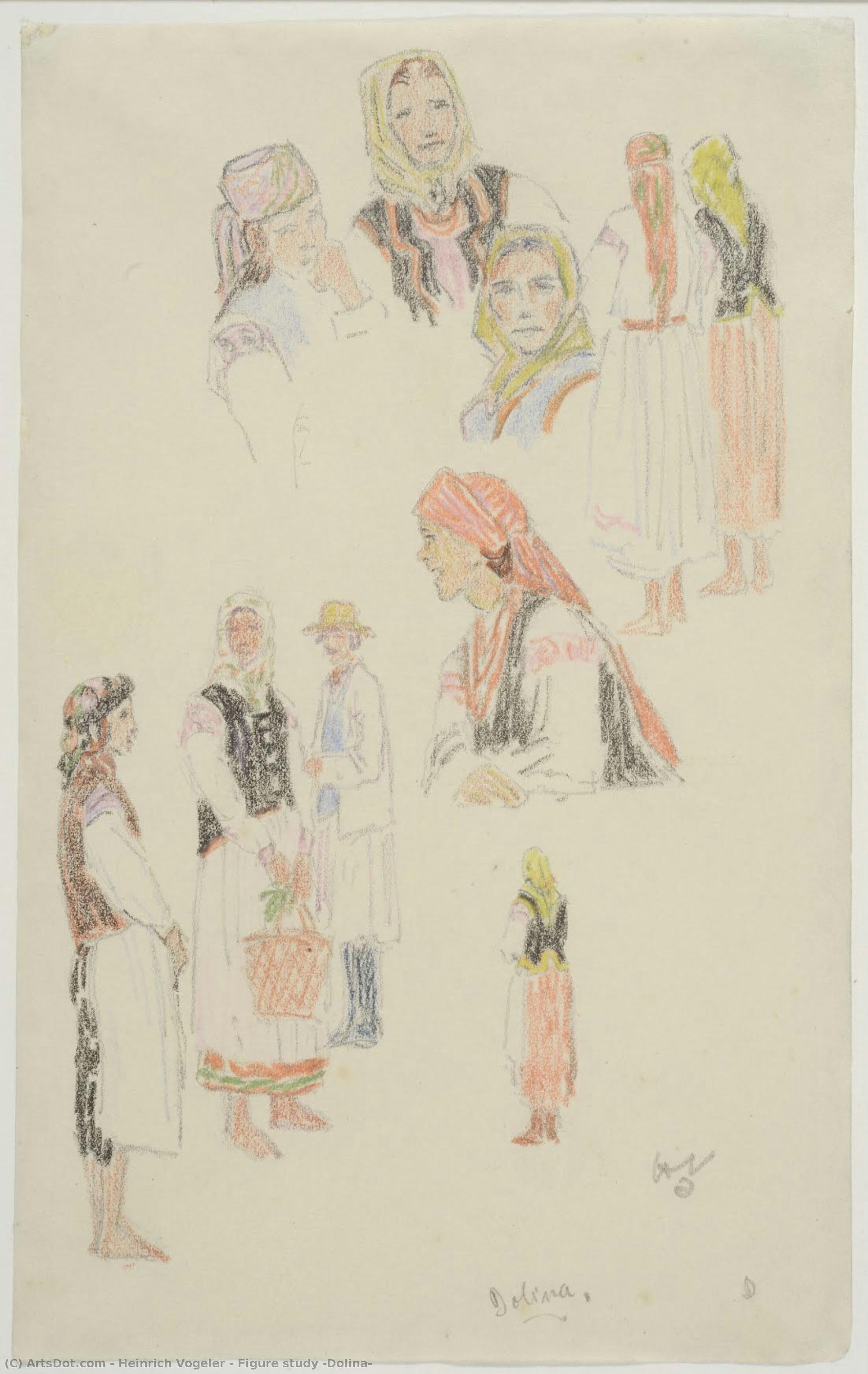
Figure study (Dolina)


 Lire la suite
Reproduction à l'huile faite à la main
Huile sur toile peinte à la main, avec cadre et dimensions personnalisés, réalisée sur commande par nos artistes. ( Commander l'impression Télécharger l'image haute résolution)




































Choisissez parmi nos formats prédéfinis qui respectent les proportions originales de l’œuvre.

Vous pouvez saisir vos propres dimensions pour l'adapter à un cadre ou à un espace spécifique. Si la taille sélectionnée ne correspond pas aux proportions de l'image d'origine, nous recadrerons l'œuvre ou prolongerons la peinture avec des éléments peints à la main supplémentaires. Une maquette numérique vous sera envoyée pour approbation avant le début de la production.
Veuillez noter que l'aperçu à l'écran ne reflète pas le recadrage ou l'extension réels. Seule la maquette montrera fidèlement la composition finale.
Bien que des tailles personnalisées soient disponibles, nous vous recommandons de sélectionner une dimension dans la liste prédéfinie afin de préserver les proportions d'origine.
Après la commande, l’équipe OriginalUniqueArt.com contactera le client par e-mail pour recueillir ses instructions et lui fournira une maquette d’aperçu
Livraison dans le monde entier () en 3 à 4 semaines au lieu des 5 semaines habituelles. (14 août). Aucun compromis sur la qualité.

Livraison express gratuite dans le monde entier

Toile de lin de qualité supérieure

Assurance transport complète

Garantie de remboursement des droits de douane

Garantie de fidélité des couleurs

Politique de retour de 60 jours (uniquement en cas de défaut)

Garantie de remboursement à 100%

Offre de tarifs dégressifs
 L'option verre n'est disponible que pour les dimensions inférieures à 110 cm.

Figure study (Dolina)
Technique de reproduction
Format de la reproduction
-


Prix total
$ 300
Description de l'œuvre
Biographie de l'artiste
Heinrich Vogeler: Bridging Romantic Idealism and Socialist Engagement
Heinrich Vogeler (1872-1942) stands as a pivotal figure in German art history, embodying the spirit of the Düsseldorf School and profoundly impacted by the burgeoning Worpswede colony. Born in Bremen, his artistic journey unfolded against the backdrop of shifting cultural currents—from early romantic landscapes to later socially conscious paintings reflecting his unwavering commitment to communist ideals—establishing him as an artist deeply attuned to both aesthetic beauty and ethical responsibility. His formative years were marked by rigorous academic training at the Kunstakademie Düsseldorf (1890–95), where he honed his skills alongside contemporaries like Erich Heckel and Wilhelm Wagenfeld, absorbing the stylistic innovations of Impressionism and Post-Impressionism. These influences instilled in Vogeler a sensitivity to light and color that would permeate his subsequent oeuvre. Notably, his visits to Belgium and Italy exposed him to the grandeur of Renaissance art and broadened his artistic horizons. However, it was Worpswede—the idyllic Künstlerkolonie established in 1895—that truly cemented Vogeler’s reputation as a landscape painter and solidified his connection to a vibrant artistic community. He purchased a cottage there named Birkenhof (Low German for birken tree cottage), planting numerous birch trees around it, symbolizing resilience and renewal – motifs that would recur throughout his work. Vogeler's artistic style evolved dramatically over time. Initially characterized by ethereal landscapes imbued with Romantic sentiment—particularly depictions of the Bremen region—his paintings gradually embraced bolder brushstrokes and expressive color palettes reflecting the influence of Fauvist tendencies. He skillfully blended Impressionistic techniques with Symbolist aesthetics, creating images that captured not merely visual beauty but also profound emotional resonance. His book illustrations in Art Nouveau style showcased his mastery of decorative design and demonstrated a keen understanding of contemporary artistic trends. Beyond his artistic accomplishments, Vogeler’s intellectual convictions played an equally significant role in shaping his creative output. Inspired by Maxim Gorky's writings during a trip to Łódź, he developed a deep empathy for the plight of the working class—a sentiment that intensified during observations of Glasgow and Manchester slums. This humanist impulse fueled his artistic exploration of social issues, culminating in powerful depictions of industrial landscapes and portraits reflecting the hardships faced by ordinary people. Following World War I, Vogeler joined the Communist Party of Germany (KPD), actively participating in the Workers’ and Soldiers’ Council of Bremen during the German Revolution of 1918–19. His involvement extended to artistic endeavors aimed at promoting socialist ideals—a commitment that endured throughout his life. Despite facing personal challenges including a divorce from Martha Schröder, Vogeler remained steadfast in his dedication to art and ideology until his death in 1942. He continued to produce paintings reflecting the realities of postwar Germany, demonstrating an unwavering belief in social justice and artistic expression as instruments for fostering human compassion. Heinrich Vogeler’s legacy resides not only in his stunning landscapes but also in his enduring contribution to German art history—a testament to an artist who seamlessly blended aesthetic brilliance with ethical conviction.
heinrich vogeler
1872 - 1942
L'essentiel de l'artiste
- Artistic Movement Or Style: Düsseldorf School & Worpswede
- Artists Or Movements Influenced By This Artist: ['Social Realism']
- Artists Who Influenced This Artist:
- Maxim Gorky
- Georges Rodenbach
- Date Of Birth: December 12, 1872
- Date Of Death: June 14, 1942
- Full Name: Johann Heinrich Vogeler
- Nationality: German
- Notable Artworks:
- Birkenhof Landscape
- Celtic Landscape
- Place Of Birth: Bremen, Germany

