

 Aperçu en situation
 Partager
 Partager
 Détails
 Guide imprimable

 Télécharger
 Articles similaires
 Radiographie
 Voir le diaporama
 Statistiques
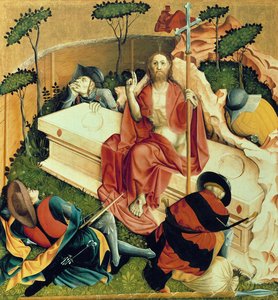
Christ Carrying the Cross
 Tempera
- Early Netherlandish Painting
 1437
1437 148.0 x 140.0 cm
 Musées d'État de Berlin
 Afficher la suite
Giclées et impressions d'art
Impressions giclées ou sur toile de qualité musée, avec une production rapide et des finitions au choix. ( Acheter la peinture faite à la main Passer au format image numérique)




P118B $10

P118H $10

P118W $10

P438Z $10

P508JH $12

P508YH $12

P805H $10

P805Z $10

P919BZ $10

P919G $10

P919XJ $10

P959ZH $10

P968JZ $12

W106C $8

W218G $10

W218JH $8

W218Y $10

W307PJ $10

W316G $10

W316PJ $8

W316Y $10

W398PJ $8

W4111J $10

W500HY $15

W500JH $15

W692G $12

W849H $8

W940BG $15

W953PJ $8




Choisissez parmi nos formats prédéfinis qui respectent les proportions originales de l’œuvre.

Vous pouvez saisir vos propres dimensions pour vous adapter à un cadre ou à un espace spécifique. Si la taille sélectionnée ne correspond pas aux proportions de l'image originale, nous recadrerons l'œuvre ou étendrons l'image avec une bordure en miroir ou une couleur unie. Une maquette numérique vous sera envoyée pour approbation avant le début de la production.
Veuillez noter que l'aperçu à l'écran ne reflète pas le recadrage ou l'extension réelle. Seule la maquette montrera avec précision la composition finale.
Bien que des tailles personnalisées soient disponibles, nous vous recommandons de choisir une dimension dans la liste prédéfinie afin de préserver les proportions originales.
Livraison dans le monde entier () en 2 semaines au lieu des 4/5 semaines habituelles. (25 septembre)

Livraison express gratuite dans le monde entier

Toile de lin de haute qualité

Assurance transport complète

Garantie de remboursement des droits de douane

Garantie de fidélité des couleurs

Garantie de retour de 100 jours (uniquement en cas de défaut)

Garantie de remboursement à 100%

Tarifs dégressifs sur quantité
 L'option verre n'est disponible que pour les dimensions inférieures à 110 cm.

Christ Carrying the Cross
Giclées et impressions d'art
Format de la reproduction
-


Prix total final
$ 80
A Window Into Bosch’s Pessimistic Vision: Christ Carrying the Cross
Hieronymus Bosch’s “Christ Carrying the Cross,” housed in Ghent Cathedral, stands as one of his most arresting depictions of Christian iconography—a painting that transcends mere representation to embody a profound meditation on suffering and mortality. Completed around 1510-1535, during Bosch's twilight years, this artwork exemplifies his signature style: grotesque realism infused with moral allegory.
- Style & Technique: Bosch’s meticulous attention to detail—evident in the expressive faces of the onlookers and the unsettling depiction of Christ’s burden—contrasts sharply with idealized Renaissance portraits. The painting utilizes tempera on fir wood, a technique favored by Bosch for its luminosity and durability. Layers of glaze contribute to an ethereal quality, highlighting textures and creating dramatic chiaroscuro effects.
- Historical Context: Painted amidst the burgeoning humanist movement in Europe, “Christ Carrying the Cross” reflects anxieties about faith and morality prevalent during the Reformation era. Bosch’s unflinching portrayal of human folly—represented by the judgmental stares and grotesque expressions of the crowd—served as a critique of societal hypocrisy.
- Symbolism: The painting is replete with symbolic imagery. Christ's agonizing posture symbolizes divine sacrifice, while the multitude of figures surrounding him represent humanity’s complicity in sin. The swords symbolize judgment and divine retribution, emphasizing the inescapable consequences of earthly transgressions. Notably, the shield at the bottom right corner bears a depiction of Saint Jerome—a patron saint of contemplation—suggesting an invitation to introspection.
- Emotional Impact: Bosch deliberately evokes feelings of unease and pity. The artist’s masterful manipulation of color and composition compels viewers to confront uncomfortable truths about human nature and the fragility of existence. “Christ Carrying the Cross” remains a powerful reminder of the enduring themes of suffering, redemption, and moral responsibility.
The Influence of Early Netherlandish Painting
Bosch’s artistic vision was undeniably shaped by the stylistic innovations emerging from Northern Europe during his time—particularly the influence of Early Netherlandish painting. Artists like Rogier van der Weyden and Gerard David pioneered a new approach to depicting religious subjects, prioritizing anatomical accuracy and psychological realism over stylized grandeur.
- Anatomical Precision: Bosch’s depiction of Christ's musculature—a deliberate departure from traditional representations—reflects the meticulous anatomical studies conducted by artists in Leuven and Bruges. These investigations into human anatomy informed a broader trend toward naturalistic observation within the visual arts.
- Psychological Depth: The expressive faces of the onlookers convey profound emotional states—ranging from disdain to compassion—demonstrating Bosch’s commitment to capturing the complexities of human psychology. This emphasis on psychological realism aligns seamlessly with the humanist preoccupation with understanding the inner workings of the human mind.
A Masterpiece of Moral Allegory
"Christ Carrying the Cross" is not merely a visual spectacle; it’s a profound meditation on moral principles—a testament to Bosch's unwavering belief in the importance of confronting uncomfortable truths about human behavior. The artist employs grotesque imagery and caricature to expose societal failings, prompting viewers to contemplate their own ethical responsibilities.
- Moral Critique: Bosch’s deliberate distortion of facial expressions serves as a scathing indictment of moral complacency—challenging audiences to examine their judgments and prejudices. This subversive impulse distinguishes Bosch from many of his contemporaries who sought to uphold idealized notions of virtue.
- Universal Themes: Despite its specific historical context, “Christ Carrying the Cross” speaks to universal themes of suffering, redemption, and divine justice—resonating across cultures and epochs. Bosch’s enduring legacy lies in his ability to provoke contemplation and inspire moral reflection.
Technical Considerations & Restoration Efforts
The painting underwent a significant restoration process in 1956–1957, undertaken by conservators at Ghent Cathedral. During this intervention, experts meticulously cleaned the surface of grime and varnish—revealing the original colors beneath—and stabilized weakened structural elements.
- Glaze Analysis: Detailed analysis of the painting’s glaze layers illuminated the techniques employed by Bosch’s workshop—demonstrating a mastery of layering pigments to achieve luminous effects. Researchers utilized X-ray fluorescence spectroscopy to determine the elemental composition of the glazes, providing invaluable insights into the artist's palette.
- Structural Stabilization: Conservators reinforced the wooden frame and addressed cracks in the panel—ensuring the painting’s preservation for future generations. These efforts underscored the importance of safeguarding cultural heritage and upholding ethical standards of conservation.
Contemporary Interpretations & Artistic Legacy
"Christ Carrying the Cross" continues to inspire artists and scholars alike—serving as a focal point for ongoing debates about Bosch’s artistic intentions and stylistic innovations. Its haunting imagery and moral profundity resonate powerfully with audiences today, prompting reflection on fundamental questions concerning faith, morality, and human existence.
- Influence on Surrealism: Bosch's unsettling vision exerted considerable influence on Surrealist artists—particularly André Breton—who embraced his penchant for dreamlike imagery and grotesque symbolism. Surrealists sought to liberate the subconscious mind from rational constraints—drawing inspiration from Bosch’s exploration of irrational forces.
- Enduring Relevance: Despite its fifteenth-century origins, “Christ Carrying the Cross” retains an enduring relevance—serving as a timeless reminder of humanity's capacity for both compassion and cruelty. Its artistic legacy persists in contemporary art exhibitions and scholarly publications—affirming Bosch’s position as one of the most influential figures in European Renaissance painting.
Biographie de l'artiste
Introduction à Hans Multscher
Hans Multscher, un peintre et sculpteur renommé d'origine allemande, est né vers 1400 à Reichenhofen (aujourd’hui Leutkirch im Allgäu). Il est reconnu pour son travail exceptionnel dans le domaine artistique, notamment dans les régions de la France du Nord et des Pays-Bas.Jeunesse et Formation
Multscher s'est familiarisé avec de nouveaux styles artistiques provenant de la France du Nord et des Pays-Bas, ce qui a eu une influence significative sur son œuvre. En 1427, il est devenu citoyen libre de la ville d’Ulm, où il a épousé Adelheid Kitzin. Il a exercé sa propre entreprise en tant que peintre et sculpteur, aux côtés de son frère Heinrich Multscher.Œuvres Notables et Style Artistique
Style: Le style de Hans Multscher se caractérise par un réalisme expressif et une attention particulière aux détails, typiques du gothique tardif. Il a su intégrer des éléments de la Renaissance naissante dans son travail, créant ainsi une transition artistique notable. Ses sculptures et peintures sont souvent empreintes d'une profonde émotion religieuse. Parmi ses œuvres les plus notables figurent Sainte Marie-Madeleine, actuellement exposée au Liebieghaus à Francfort-sur-le-Main. Une autre œuvre célèbre est L'Homme aux Douleurs, dont une copie se trouve à la cathédrale d’Ulm. On peut également admirer son Groupe des Empereurs sur la fenêtre orientale de l'hôtel de ville d’Ulm.Collections et Expositions Muséales
La Gemäldegalerie Alte Meister, située à Dresde en Allemagne, est un musée de renommée mondiale qui abrite une impressionnante collection de peintures européennes du XVe au XVIIIe siècle. Pour plus d'informations sur les reproductions en huile peintes à la main et les impressions sur toile des œuvres célèbres de la Gemäldegalerie Alte Meister, veuillez consulter : https://OriginalUniqueArt.com/@@/9avdsj-painting-process--looking-over-the-artist’s-shoulder-–-2/2. Le musée accueille également des expositions temporaires et des événements spéciaux tout au long de l'année, offrant ainsi la possibilité de découvrir des œuvres rares et d'en apprendre davantage sur les maîtres anciens.Héritage et Importance Historique
Importance: Hans Multscher a laissé une marque indélébile dans le monde artistique grâce à son talent exceptionnel en tant que peintre et sculpteur. Son œuvre témoigne de la transition entre l'art gothique tardif et les prémices de la Renaissance, influençant les générations d’artistes qui ont suivi. Pour plus d'informations sur sa vie et son œuvre, veuillez consulter : https://OriginalUniqueArt.com/@/hans-multscher.- Pour un guide complet de la Gemäldegalerie Alte Meister, veuillez consulter : /fr/art/show/art-d3b9x3-fr/
- Découvrez la vie et l'œuvre de Hans Multscher sur Wikipédia : https://en.wikipedia.org/wiki/hans_multscher
- Découvrez l'art de Hans Multscher sur OriginalUniqueArt : https://OriginalUniqueArt.com/@/hans-multscher
Hans Multscher
1400 - 1467 , Allemagne
En bref
- Artistic Movement Or Style: Gothique tardif et Renaissance
- Date Of Birth: vers 1400
- Date Of Death: 1467
- Full Name: Hans Multscher
- Museum Collections And Exhibitions: ['Gemäldegalerie Alte Meister']
- Nationality: Allemand
- Notable Artworks:
- Sainte Marie Madeleine
- Homme de douleurs
- Groupe des empereurs
- Place Of Birth (City And Country): Reichenbach im Baumes, Allemagne
Articles similaires

The Enduring Legacy of Fine Art Prints: Technique, History & Aesthetic Impact
Explore the rich history & techniques of fine art prints. Discover investment potential, assess authenticity, and learn how to preserve your collection with expert guidance. Trusted insights for discerning collectors.

Echoes of Time: Exploring the Enduring Appeal & Historical Context of Vintage Art Prints
Explore the captivating world of vintage art prints! Discover their history, collecting tips & enduring appeal. Expert insights on chromolithography and building a legacy collection with OriginalUniqueArt.
Hieronymus Bosch : Les 25 Œuvres Maîtresses d'un Génie Visionnaire | OriginalUniqueArt
Plongez dans l'univers fascinant de Hieronymus Bosch ! Découvrez les 25 œuvres maîtresses du peintre flamand, symbolisme religieux et visions fantastiques. Reproductions d'art de qualité muséale sur OriginalUniqueArt.com.

Giclée Prints: Archival Quality & Aesthetic Nuances for the Discerning Collector
Explore the world of giclée prints with OriginalUniqueArt. Learn about archival quality, aesthetic nuances & investment potential. Expert guidance for discerning art collectors seeking museum-quality reproductions and lasting value.
Jérôme Bosch : Décoder les Visions d'un Maître Néerlandais
Explorez l'univers fascinant de Jérôme Bosch avec notre analyse approfondie. Découvrez le symbolisme caché de ses œuvres, des Primitifs Flamands au célèbre Jardin des Délices. Un voyage artistique incontournable.


