

 Aperçu en situation
 Envoyer
 Partager
 Détails de l'œuvre
 Guide
Guide

 Télécharger l'image
 Articles similaires
 Radiographie
 Diaporama
 Statistiques
Landscape
 Lire la suite
Giclées et impressions d'art
Impressions giclées ou sur toile de qualité musée, avec une production rapide et des finitions au choix. ( Commander la reproduction peinte à la main Passer au format numérique)




































Choisissez parmi nos formats prédéfinis qui respectent les proportions originales de l’œuvre.

Saisissez la largeur et la hauteur souhaitées pour qu'elles s'adaptent à votre cadre ou à votre mur. Une impression peut être recadrée, mais jamais agrandie au-delà de l'image originale ; ainsi, un format de forme différente entraînera la perte d'une partie de l'image. Nous vous envoyons une maquette numérique pour approbation avant toute impression. L'image présentée sur cette page ne montre pas le recadrage réel — seule la maquette le permet.
Livraison dans le monde entier () en 2 semaines au lieu des 4/5 semaines habituelles. (27 octobre)

Livraison express gratuite dans le monde entier

Toile de lin de qualité supérieure

Assurance transport complète

Garantie de remboursement des droits de douane

Garantie de fidélité des couleurs

Politique de retour de 100 jours (uniquement en cas de défaut)

Garantie de remboursement à 100%

Offre de tarifs dégressifs
 L'option verre n'est disponible que pour les dimensions inférieures à 110 cm.

Landscape
Giclées et impressions d'art
Format de la reproduction
-


Prix total
€ 70
Biographie de l'artiste
La vision lumineuse de Giuseppe Pellizza da Volpedo
Giuseppe Pellizza da Volpedo s'impose comme une figure singulière dans la tapisserie de l'histoire de l'art italien, un peintre qui a su fusionner avec maestria l'innovation technique et un profond sens de la conscience sociale. Né en 1868 dans le petit village de Volpedo, en Piémont, son parcours, depuis une famille de paysans aisés jusqu'aux avant-postes du mouvement divisionniste, témoigne de son dévouement tant à l'excellence esthétique qu'aux idéaux progressistes. Sa vie, bien que tragiquement interrompue par un suicide à l'âge de 39 ans, a laissé derrière elle une œuvre qui continue de résonner par son réalisme sans compromis et sa profondeur symbolique, capturant le battement de cœur même d'une époque en pleine mutation.
Les fondations de l'art de Pellizza furent posées sous la direction de Pio Sanquirico, un mentor qui lui inculqua un engagement rigoureux envers l'observation du monde naturel. Cette formation initiale mettait l'accent sur un rendu méticuleux et une sensibilité aiguë à la lumière, des principes qui allaient plus tard évoluer pour devenir sa signature stylistique. Contrairement à nombre de ses contemporains qui recherchaient la grandeur des récits mythiques, Pellizza trouvait une beauté profonde dans le quotidien. Il tourna son regard vers la vie ordinaire de la classe ouvrière, trouvant la dignité dans les paysages ruraux et les rythmes silencieux du travail. Cette focalisation sur la réalité tangible de l'existence humaine était profondément nourrie par les influences bourgeonnantes de l'impressionnisme et du néo-impressionnisme, pourtant il insuffla à ces mouvements une âme unique, typiquement italienne, doublée d'une urgence politique.
La science de la lumière et la révolution divisionniste
La contribution la plus significative de Pellizza au monde de l'art fut son adoption sophistiquée du divisionnisme. Inspiré par les méthodes pionnières de Georges Seurat et Paul Signac, Pellizza s'éloigna du mélange traditionnel des pigments sur une palette. Au lieu de cela, il adopta une technique révolutionnaire consistant à juxtaposer de petits points ou traits de couleur pure et non mélangée directement sur la toile. Cette méthode reposait sur la science du mélange optique, où l'œil du spectateur effectue le travail de fusion des couleurs à distance. Le résultat était une luminosité éthérée, une qualité de lumière presque vibrante qui capturait les subtilités de l'atmosphère et des paysages baignés de soleil avec une précision sans précédent.
Cette technique était bien plus qu'un simple choix stylistique ; pour Pellizza, il s'agissait d'une posture philosophique. À travers l'application méticuleuse de la couleur, il cherchait à atteindre une clarté de vision qui reflétait son désir de vérité sociale. Dans des œuvres telles que La Lessive au soleil, on peut témoigner de cette maîtrise, où la chaleur de la lumière et la texture du linge qui sèche sont rendues avec un éclat qui semble à la fois physiquement présent et spirituellement exaltant. Sa capacité à manipuler la lumière lui permettait de transformer de simples scènes de domesticité en études monumentales de l'existence, où chaque touche de pigment contribuait à un ensemble plus vaste et plus lumineux.
Conscience sociale et héritage durable
Au-delà de la brillance technique de son pinceau, Pellizza da Volpedo est resté dans les mémoires comme un artiste doté de profondes convictions politiques et sociales. Son travail a souvent servi de manifeste visuel pour les idéaux progressistes de son temps, notamment à travers son chef-d'œuvre emblématique, Le Quatrième État (Il Quarto Stato). Ce tableau, qui dépeint un groupe résolu de travailleurs avançant d'un pas décidé, est devenu un symbole puissant de l'éveil de la conscience du prolétariat. Par son art, Pellizza a élevé les luttes et les triomphes du peuple commun au rang de grand art, exigeant que le spectateur reconnaisse la force et l'agentivité de la classe ouvrière.
La portée historique de l'œuvre de Pellizza réside dans cette rare intersection entre technique scientifique et réalisme social. Il ne s'est pas contenté de documenter le monde ; il l'a interprété à travers un prisme d'espoir et de changement structurel. Son influence s'est étendue bien au-delà de la toile, ses œuvres étant fréquemment reproduites dans des magazines socialistes, atteignant un large public et consolidant son rôle de voix pour les marginalisés. Aujourd'hui, nous nous souvenons de Giuseppe Pellizza da Volpedo non seulement comme d'un maître de la lumière et de la couleur, mais comme d'un visionnaire qui a utilisé les particules mêmes de la peinture pour éclairer le chemin vers la justice sociale et la dignité humaine.
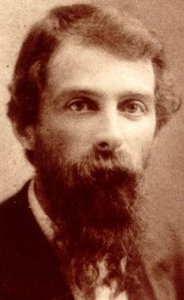
Giuseppe Pellizza Da Volpedo
1868 - 1907 , Italie
L'essentiel de l'artiste
- Artistic Movement Or Style: Divisionism
- Artists Who Influenced This Artist: ['Pio Sanquirico']
- Date Of Birth: 1868
- Date Of Death: 1907
- Full Name: Giuseppe Pellizza da Volpedo
- Nationality: Italian
- Notable Artworks:
- The Fourth Estate
- Portrait of a Man
- The Statue of Villa Borghese
- Place Of Birth: Volpedo, Piedmont