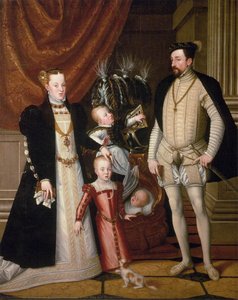
Aperçu en situation
 Partager
 Partager
 Détails
 Guide imprimable

 Télécharger
 Articles similaires
 Radiographie
 Voir le diaporama
 Statistiques
The Cook
 Acrylique sur toile
- Art mural
- Renaissance Mannerism
 1570
1570 53.0 x 41.0 cm
 Nationalmuseum
 Afficher la suite
Reproduction à l'huile faite à la main
Huile sur toile peinte à la main, avec cadre et dimensions personnalisés, réalisée sur commande par nos artistes. ( Passer au format impression Passer au format image numérique)




P118B €10

P118H €10

P118W €10

P438Z €10

P508JH €12

P508YH €12

P805H €10

P805Z €10

P919BZ €10

P919G €10

P919XJ €10

P959ZH €10

P968JZ €12

W106C €8

W218G €10

W218JH €8

W218Y €10

W307PJ €10

W316G €10

W316PJ €8

W316Y €10

W398PJ €8

W4111J €10

W500HY €15

W500JH €15

W692G €12

W849H €8

W940BG €15

W953PJ €8




Choisissez parmi nos formats prédéfinis qui respectent les proportions originales de l’œuvre.

Vous pouvez saisir vos propres dimensions pour l'adapter à un cadre ou à un espace spécifique. Si la taille sélectionnée ne correspond pas aux proportions de l'image d'origine, nous recadrerons l'œuvre ou prolongerons la peinture avec des éléments peints à la main supplémentaires. Une maquette numérique vous sera envoyée pour approbation avant le début de la production.
Veuillez noter que l'aperçu à l'écran ne reflète pas le recadrage ou l'extension réels. Seule la maquette montrera fidèlement la composition finale.
Bien que des tailles personnalisées soient disponibles, nous vous recommandons de sélectionner une dimension dans la liste prédéfinie afin de préserver les proportions d'origine.
Après la commande, l’équipe OriginalUniqueArt.com contactera le client par e-mail pour recueillir ses instructions et lui fournira une maquette d’aperçu
Livraison dans le monde entier () en 3 à 4 semaines au lieu des 5 semaines habituelles. (11 octobre). Aucun compromis sur la qualité.

Livraison express gratuite dans le monde entier

Toile de lin de haute qualité

Assurance transport complète

Garantie de remboursement des droits de douane

Garantie de fidélité des couleurs

Garantie de retour de 100 jours (uniquement en cas de défaut)

Garantie de remboursement à 100%

Tarifs dégressifs sur quantité
 L'option verre n'est disponible que pour les dimensions inférieures à 110 cm.

The Cook
Technique de reproduction
Format de la reproduction
-


Prix total final
€ 259
The Culinary Portrait: Giuseppe Arcimboldo’s “The Cook”
Giuseppe Arcimboldo's "The Cook," painted around 1570 and now residing in the Nationalmuseum of Stockholm, isn’t merely a still life; it’s a meticulously constructed illusion, a vibrant testament to the Renaissance fascination with metamorphosis and symbolic representation. More than just a depiction of roasted meats arranged within a human form, this painting is an invitation into a world where art transcends the boundaries of realism and embraces the power of suggestion.
At first glance, the image presents a somewhat grotesque, yet undeniably compelling, male head. However, a subtle shift in perspective – turning the canvas upside down – reveals a startling transformation: the figure’s eye becomes the watchful gaze of a chicken, the nose morphs into a plump turkey, and the mouth is framed by a generous helping of sausages. This ingenious visual trickery, known as pareidolia, immediately draws attention to Arcimboldo's masterful manipulation of form and his profound understanding of how viewers perceive images. The arrangement isn’t random; each element – the glistening cuts of meat, the vibrant vegetables, the carefully positioned fruits – contributes to a larger narrative, hinting at abundance, feasting, and perhaps even the fleeting nature of earthly pleasures.
A Renaissance Riddle: Symbolism and Context
Arcimboldo’s work emerged during a period of intense intellectual ferment in Europe. The Renaissance witnessed a renewed interest in classical antiquity, alongside burgeoning scientific inquiry and philosophical speculation. The concept of *memento mori* – the reminder of mortality – was prevalent, prompting artists to explore themes of transience and decay. Arcimboldo’s “The Cook” can be interpreted through this lens, with its emphasis on perishable goods serving as a poignant meditation on the ephemeral nature of life.
Furthermore, the painting reflects the lavish tastes and conspicuous consumption of the European courts during the late 16th century. Emperors Rudolf II and Maximilian I were renowned for their extravagant collections of exotic objects – animals, plants, minerals, and artworks – which served as symbols of power and prestige. Arcimboldo’s portraits, often commissioned by these rulers, cleverly incorporated elements from their personal collections, transforming everyday items into elaborate allegories.
Technique and Artistic Innovation
Arcimboldo's technique was remarkably innovative for his time. He employed a meticulous layering of oil paint on panel, painstakingly arranging each object to create the illusion of depth and volume. The use of vibrant colors – rich reds, browns, yellows, and greens – further enhances the painting’s visual impact. Crucially, he didn't simply glue or attach objects; he painted them directly onto the surface, seamlessly integrating them into the overall composition.
The artist’s skill lies not only in his technical proficiency but also in his ability to manipulate perspective and create a convincing illusion of three-dimensionality. The careful positioning of each element – from the glistening cuts of meat to the delicate arrangement of fruits – contributes to the painting's overall sense of realism, despite its fantastical nature. It’s a testament to Arcimboldo’s artistic vision that he could transform disparate objects into a cohesive and compelling portrait.
A Timeless Masterpiece: Emotional Resonance
"The Cook" transcends mere visual spectacle; it evokes a complex range of emotions. The painting's humor, combined with its subtle melancholy, invites viewers to contemplate the beauty and fragility of life. There’s an element of playful trickery, but also a deeper sense of reflection on mortality and the transient nature of earthly pleasures.
Arcimboldo’s work continues to fascinate audiences today, demonstrating his enduring artistic genius and his ability to create images that are both intellectually stimulating and emotionally resonant. Whether viewed as a whimsical portrait or a profound meditation on life and death, “The Cook” remains a captivating masterpiece of the Renaissance era.
Questions et réponses
Quel âge avait Giuseppe Arcimboldo lors de la création de « The Cook » en 1570 ?
Lorsque « The Cook » a été créé en 1570, Giuseppe Arcimboldo — né(e) en 1527 — était âgé(e) de 43 ans.
Quelle est l'atmosphère générale de «The Cook» de Giuseppe Arcimboldo ?
«The Cook» dégage une atmosphère Mystique.
Existe-t-il une fiche informative sur «The Cook» de Giuseppe Arcimboldo destinée aux étudiants ?
Une page Guide est disponible pour «The Cook» de Giuseppe Arcimboldo : une fiche d'information imprimable sur l'œuvre, conçue pour les étudiants et un usage pédagogique en classe.
En quelle année «The Cook» de Giuseppe Arcimboldo a-t-il été créé ?
«The Cook» de Giuseppe Arcimboldo a été créé en 1570.
Pour quelle pièce «The Cook» de Giuseppe Arcimboldo est-elle recommandée, compte tenu de ses couleurs ?
Avec sa palette Tons terreux, «The Cook» de Giuseppe Arcimboldo est recommandé pour une Salon. Ses couleurs justifient d'ailleurs cette suggestion.
Qui a créé "The Cook" ?
« The Cook » est attribué à Giuseppe Arcimboldo.
Quelle atmosphère une reproduction de «The Cook» de Giuseppe Arcimboldo apporterait-elle à une pièce ?
«The Cook» de Giuseppe Arcimboldo possède une atmosphère Mystique et est recommandé pour une Salon. L'ambiance correspond à ce que l'œuvre apporte à l'espace qui l'entoure.
Biographie de l'artiste
Premières années et carrière
Giuseppe Arcimboldo, un peintre italien renommé, est né en 1527 à Milan, en Italie. Son père, Biagio Arcimboldo, était également artiste, ce qui a probablement influencé l'intérêt précoce de Giuseppe pour l'art. À l’âge de 21 ans, Giuseppe a commencé sa carrière en tant que concepteur de vitraux et de fresques dans les cathédrales locales.Peintre de cour des Habsbourg
En 1562, Arcimboldo est devenu peintre de cour de Ferdinand I à la cour des Habsbourg à Vienne, en Autriche. Il a ensuite servi comme peintre de Maximilien II et de son fils Rodolphe II à la cour de Prague. Cette période de sa vie est marquée par son travail de décorateur de cour et de créateur de costumes.Le chef-d'œuvre maniériste : Portraits d’objets
Les œuvres conventionnelles d'Arcimboldo sur des sujets religieux traditionnels ont largement été oubliées, mais ses portraits composés d'objets tels que des fruits, des légumes, des fleurs, des créatures marines et des racines d'arbres continuent de fasciner les amateurs d'art. Ces œuvres, caractérisées par l'utilisation d'objets du quotidien pour créer des formes anatomiques humaines, n’étaient pas seulement décoratives mais véhiculaient également un sens plus profond.- Le Bibliothécaire, un portrait fait d'objets signifiant la culture livresque de l'époque, n'était pas seulement une création fantaisiste, mais aussi une critique des personnes fortunées qui collectionnaient des livres sans les lire.
- Ces œuvres n’étaient pas aléatoires ; chaque objet était soigneusement choisi pour se rapporter à la caractérisation du sujet.
Style artistique et héritage
Le style artistique d'Arcimboldo, bien que souvent débattu comme étant fantaisiste ou le produit de l'esprit d'une personne dérangée, est largement considéré par les érudits comme répondant au goût de la Renaissance pour les énigmes, les puzzles et le bizarre. Son utilisation d’objets pour créer des formes humaines était un aspect unique de son travail, ce qui le distinguait des autres artistes maniéristes. Œuvres notables :- Nature morte florale (1590), une peinture incarnant le mouvement maniériste italien, est un exemple emblématique du style unique d'Arcimboldo.
- Les Quatre Saisons, un portrait composite de Rodolphe II, met en valeur la maîtrise d’Arcimboldo de l’art maniériste.
Musées et collections
Les œuvres d'Arcimboldo peuvent être trouvées dans divers musées, notamment le Kunsthistorisches Museum de Vienne et le château Habsbourg d'Ambras à Innsbruck.Héritage et influence
Arcimboldo est décédé à Milan, en Italie, après avoir pris sa retraite du service de Prague. Son héritage est célébré par la poésie et les manuscrits honorant sa carrière illustre.
Giuseppe Arcimboldo
1527 - 1593 , Italie
En bref
- Date De Décès: 1593
- Date De Naissance: 1527
- Lieu De Naissance: Milan, Italie
- Mouvement Artistique: Manierisme
- Nationalité: Italienne
- Nom Complet: Giuseppe Arcimboldo
- Oeuvres Notables:
- Nature Morte Florale
- Le Bibliothécaire
- Vertumnus (Vertumno)
- Les Quatre Saisons
- Air
Articles similaires
De la Table à la Toile : La Transmutation des Créations Culinaires en Concepts Artistiques
Explorez l'art de la nature morte : histoire, symbolisme et inspiration déco. Conseils d'experts pour intégrer ces chefs-d'œuvre chez vous. Reproductions de qualité par OriginalUniqueArt.
Mannerisme : Les 10 Chefs-d'œuvre Essentiels pour une Déco d'Exception
Plongez au cœur du Mannerisme avec les 10 chefs-d'œuvre incontournables de Pontormo, El Greco & autres maîtres. Découvrez l'histoire et la beauté intemporelle de ces tableaux Renaissance. Reproductions d'art exceptionnelles sur OriginalUniqueArt.com
Cultiver la Connexion : Représentations Éco-Esthétiques des Philosophies de la Ferme à la Table dans l'Art Contemporain
Explorez l'art contemporain et sa connexion profonde avec la philosophie 'ferme à la table'. Découvrez comment les artistes interrogent notre rapport à l'alimentation, à la nature et à un avenir durable. Analyse experte et œuvres inspirantes.
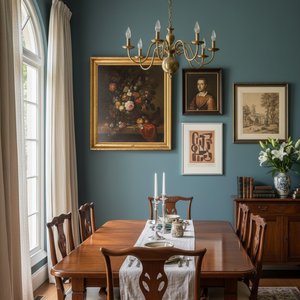
Cultivating Ambiance: Selecting Art Reproductions for the Dining Room – A Historical & Aesthetic Guide
Elevate your dining room with expertly curated art reproductions! Explore historical context, aesthetic considerations & modern applications for a captivating space. Discover the perfect artwork to inspire conversation and enhance every meal.
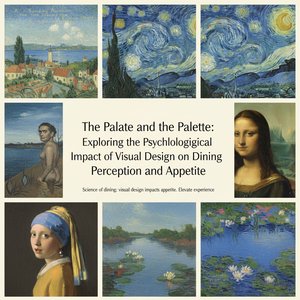
La Palette et le Palais : Explorer l'Impact Psychologique du Design Visuel sur la Perception de la Restauration et l'Appétit
Explorez l'impact psychologique du design visuel sur la restauration. Conseils d'experts pour stimuler l'appétit, créer une ambiance unique et sublimer l'expérience client. Découvrez comment l'art influence le goût !