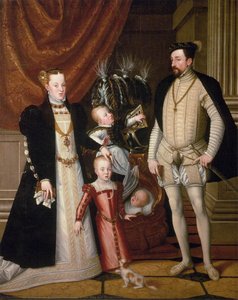
Aperçu en situation
 Envoyer
 Partager
 Détails de l'œuvre

 Télécharger
 Articles similaires
 Radiographie
 Diaporama
Sketch for a Mask


 Lire la suite
Giclées et impressions d'art
Impressions giclées ou sur toile de qualité musée, avec une production rapide et des finitions au choix. ( Commander la reproduction peinte à la main Télécharger l'image haute résolution)




P118B $10

P118H $10

P118W $10

P438Z $10

P508JH $12

P508YH $12

P805H $10

P805Z $10

P919BZ $10

P919G $10

P919XJ $10

P959ZH $10

P968JZ $12

W106C $8

W218G $10

W218JH $8

W218Y $10

W307PJ $10

W316G $10

W316PJ $8

W316Y $10

W398PJ $8

W4111J $10

W500HY $15

W500JH $15

W692G $12

W849H $8

W940BG $15

W953PJ $8




Choisissez parmi nos formats prédéfinis qui respectent les proportions originales de l’œuvre.

Vous pouvez saisir vos propres dimensions pour vous adapter à un cadre ou à un espace spécifique. Si la taille sélectionnée ne correspond pas aux proportions de l'image originale, nous recadrerons l'œuvre ou étendrons l'image avec une bordure en miroir ou une couleur unie. Une maquette numérique vous sera envoyée pour approbation avant le début de la production.
Veuillez noter que l'aperçu à l'écran ne reflète pas le recadrage ou l'extension réelle. Seule la maquette montrera avec précision la composition finale.
Bien que des tailles personnalisées soient disponibles, nous vous recommandons de choisir une dimension dans la liste prédéfinie afin de préserver les proportions originales.
Livraison dans le monde entier () en 2 semaines au lieu des 4/5 semaines habituelles. (22 août)

Livraison express gratuite dans le monde entier

Toile de lin de qualité supérieure

Assurance transport complète

Garantie de remboursement des droits de douane

Garantie de fidélité des couleurs

Politique de retour de 60 jours (uniquement en cas de défaut)

Garantie de remboursement à 100%

Offre de tarifs dégressifs
 L'option verre n'est disponible que pour les dimensions inférieures à 110 cm.

Sketch for a Mask
Giclées et impressions d'art
Format de la reproduction
-


Prix total
$ 80
Description de la pièce
A Portrait of the Mind – The Enigmatic Sketch for a Mask
Giuseppe Arcimboldo's “Sketch for a Mask,” created in 1585, isn’t merely a drawing; it’s a meticulously constructed puzzle box of observation and symbolism. Within its monochrome confines lies a profound meditation on identity, transformation, and the very nature of representation – a hallmark of the artist’s unique approach to portraiture during the late Renaissance. The piece immediately draws the eye with its startling realism: a strikingly detailed profile of a woman, rendered entirely from carefully arranged elements—pearls clustered like tiny jewels, an elaborate headdress bursting with spiraling foliage and miniature figures, and a rich, flowing gown sculpted from subtle shading and precise linework. Yet, this apparent naturalism belies a deeper complexity, inviting the viewer to decipher the layers of meaning embedded within the composition.
Arcimboldo’s genius lay in his ability to elevate the mundane—fruits, vegetables, books, even musical instruments—into objects of extraordinary beauty and significance. He wasn't simply arranging items; he was crafting a narrative, a visual allegory that resonated with the intellectual currents of his time. The Renaissance fascination with classical mythology, particularly the story of Vertumnus, the Roman god of seasons and transformation, heavily influenced Arcimboldo’s work. This deity could shapeshift into various forms – a tree, a river, or even a human – mirroring the very essence of the portrait itself: a fleeting representation of an individual constantly evolving and adapting.
The Techniques of Illusion – Dry Point and Layered Detail
Examining the “Sketch for a Mask” reveals Arcimboldo’s masterful command of technique. Primarily executed using dry point—a method involving scratching into a copper plate with a needle—he achieved an astonishing level of detail through painstaking application of black ink on aged parchment. The delicate lines, varying in weight and pressure, create a remarkable sense of texture and volume. Notice how the individual strands of hair are meticulously rendered, each curl and wave captured with precision. Similarly, the folds of the gown appear to ripple and flow, suggesting both its luxurious fabric and the movement of the figure within it.
- Dry Point: The technique creates a subtle tonal range and delicate lines, contributing to the drawing’s overall realism.
- Hatching & Cross-hatching: Arcimboldo skillfully employs hatching (parallel lines) and cross-hatching (intersecting lines) to build up shadows and create depth, giving the figure a tangible presence.
- Geometric Forms: The composition relies heavily on geometric shapes – circles for the pearls, spirals for the headdress, and elongated ovals for the facial features – creating a balanced and harmonious arrangement.
A Portrait of Power and Intrigue – Historical Context
Created in 1585, during the reign of Emperor Rudolf II of Prague, “Sketch for a Mask” reflects the opulent and intellectually stimulating atmosphere of the Habsburg court. Rudolf II was a renowned patron of the arts and sciences, fostering an environment where artists like Arcimboldo were encouraged to push the boundaries of creative expression. The portrait’s elaborate details—the jewels, the headdress, the intricate clothing—were not merely decorative; they served as potent symbols of wealth, status, and power. The inclusion of books within the composition further underscores the importance of learning and knowledge during this era.
Furthermore, the portrait’s allegorical nature speaks to the broader cultural anxieties of the time. The concept of transformation—represented by the mask itself—was a recurring theme in Renaissance art and literature, reflecting a fascination with mortality, illusion, and the potential for deception. The sketch can be interpreted as a commentary on the ephemeral nature of beauty and identity, suggesting that appearances can be deceiving and that true worth lies beneath the surface.
Beyond the Sketch – A Legacy of Imagination
“Sketch for a Mask” stands as a testament to Giuseppe Arcimboldo’s unparalleled artistic vision. It's more than just a portrait; it’s an invitation to engage in a visual dialogue, to decipher its hidden meanings, and to appreciate the extraordinary skill with which he transformed ordinary objects into works of art. Reproductions of this captivating sketch offer a glimpse into the mind of a Renaissance genius—a master of illusion, symbolism, and the enduring power of representation. Its timeless appeal continues to inspire artists and collectors alike, cementing its place as one of Arcimboldo’s most iconic creations.
Biographie de l'artiste
Premières années et carrière
Giuseppe Arcimboldo, un peintre italien renommé, est né en 1527 à Milan, en Italie. Son père, Biagio Arcimboldo, était également artiste, ce qui a probablement influencé l'intérêt précoce de Giuseppe pour l'art. À l’âge de 21 ans, Giuseppe a commencé sa carrière en tant que concepteur de vitraux et de fresques dans les cathédrales locales.Peintre de cour des Habsbourg
En 1562, Arcimboldo est devenu peintre de cour de Ferdinand I à la cour des Habsbourg à Vienne, en Autriche. Il a ensuite servi comme peintre de Maximilien II et de son fils Rodolphe II à la cour de Prague. Cette période de sa vie est marquée par son travail de décorateur de cour et de créateur de costumes.Le chef-d'œuvre maniériste : Portraits d’objets
Les œuvres conventionnelles d'Arcimboldo sur des sujets religieux traditionnels ont largement été oubliées, mais ses portraits composés d'objets tels que des fruits, des légumes, des fleurs, des créatures marines et des racines d'arbres continuent de fasciner les amateurs d'art. Ces œuvres, caractérisées par l'utilisation d'objets du quotidien pour créer des formes anatomiques humaines, n’étaient pas seulement décoratives mais véhiculaient également un sens plus profond.- Le Bibliothécaire, un portrait fait d'objets signifiant la culture livresque de l'époque, n'était pas seulement une création fantaisiste, mais aussi une critique des personnes fortunées qui collectionnaient des livres sans les lire.
- Ces œuvres n’étaient pas aléatoires ; chaque objet était soigneusement choisi pour se rapporter à la caractérisation du sujet.
Style artistique et héritage
Le style artistique d'Arcimboldo, bien que souvent débattu comme étant fantaisiste ou le produit de l'esprit d'une personne dérangée, est largement considéré par les érudits comme répondant au goût de la Renaissance pour les énigmes, les puzzles et le bizarre. Son utilisation d’objets pour créer des formes humaines était un aspect unique de son travail, ce qui le distinguait des autres artistes maniéristes. Œuvres notables :- Nature morte florale (1590), une peinture incarnant le mouvement maniériste italien, est un exemple emblématique du style unique d'Arcimboldo.
- Les Quatre Saisons, un portrait composite de Rodolphe II, met en valeur la maîtrise d’Arcimboldo de l’art maniériste.
Musées et collections
Les œuvres d'Arcimboldo peuvent être trouvées dans divers musées, notamment le Kunsthistorisches Museum de Vienne et le château Habsbourg d'Ambras à Innsbruck.Héritage et influence
Arcimboldo est décédé à Milan, en Italie, après avoir pris sa retraite du service de Prague. Son héritage est célébré par la poésie et les manuscrits honorant sa carrière illustre.
Giuseppe Arcimboldo
1527 - 1593 , Italie
L'essentiel de l'artiste
- Date De Décès: 1593
- Date De Naissance: 1527
- Lieu De Naissance: Milan, Italie
- Mouvement Artistique: Manierisme
- Nationalité: Italienne
- Nom Complet: Giuseppe Arcimboldo
- Oeuvres Notables:
- Nature Morte Florale
- Le Bibliothécaire
- Vertumnus (Vertumno)
- Les Quatre Saisons
- Air
Articles connexes
The Eloquent Line: Exploring the Artistic Significance of Sketches Across Movements and Media
Explore the profound artistic significance of sketches throughout history. From Renaissance masters to modern innovators like Van Gogh & Guston, discover how these foundational works reveal technique, emotion, and vision. Learn more at OriginalUniqueArt.
Raw Energy: Why Sketch Studies are the Ultimate Urban Vibe for Your Walls
Elevate your space with the raw energy of sketch studies. Discover how the unfiltered power of charcoal, line, and gesture creates the ultimate urban vibe for modern interiors. Expert trends in contemporary wall art curation for the design-conscious professional.
Léonard de Vinci : Les 25 Chefs-d'Œuvre Incontournables pour Décorer Votre Intérieur
Plongez dans l'univers de Léonard de Vinci avec les 25 œuvres incontournables du génie italien. Découvrez l'histoire, les techniques et l'émotion derrière la Mona Lisa, La Cène et bien d'autres chefs-d'œuvre Renaissance. Reproductions haute qualité sur OriginalUniqueArt.com.
Unveiling the Mystery: A Journey Through the World's Most Iconic Mask Artworks
Embark on a profound journey through the world's most iconic mask artworks. Explore the spiritual depth, intricate craftsmanship, and rich cultural heritage of global traditions, from Chhau to Gomira, in this expert-led exploration of ancestral artistry and symbolic beauty.
Mastering the Line: A Comprehensive Expert Guide to Technical Precision and Expressive Depth in Drawing
Elevate your artistic practice with this expert guide to mastering the line. Discover advanced techniques in graphite, charcoal, and contour drawing designed for art students seeking technical precision and expressive depth in their fine art studies.