 Aperçu en situation
 Envoyer
 Partager
 Détails de l'œuvre

 Télécharger
 Articles similaires
 Radiographie
 Diaporama
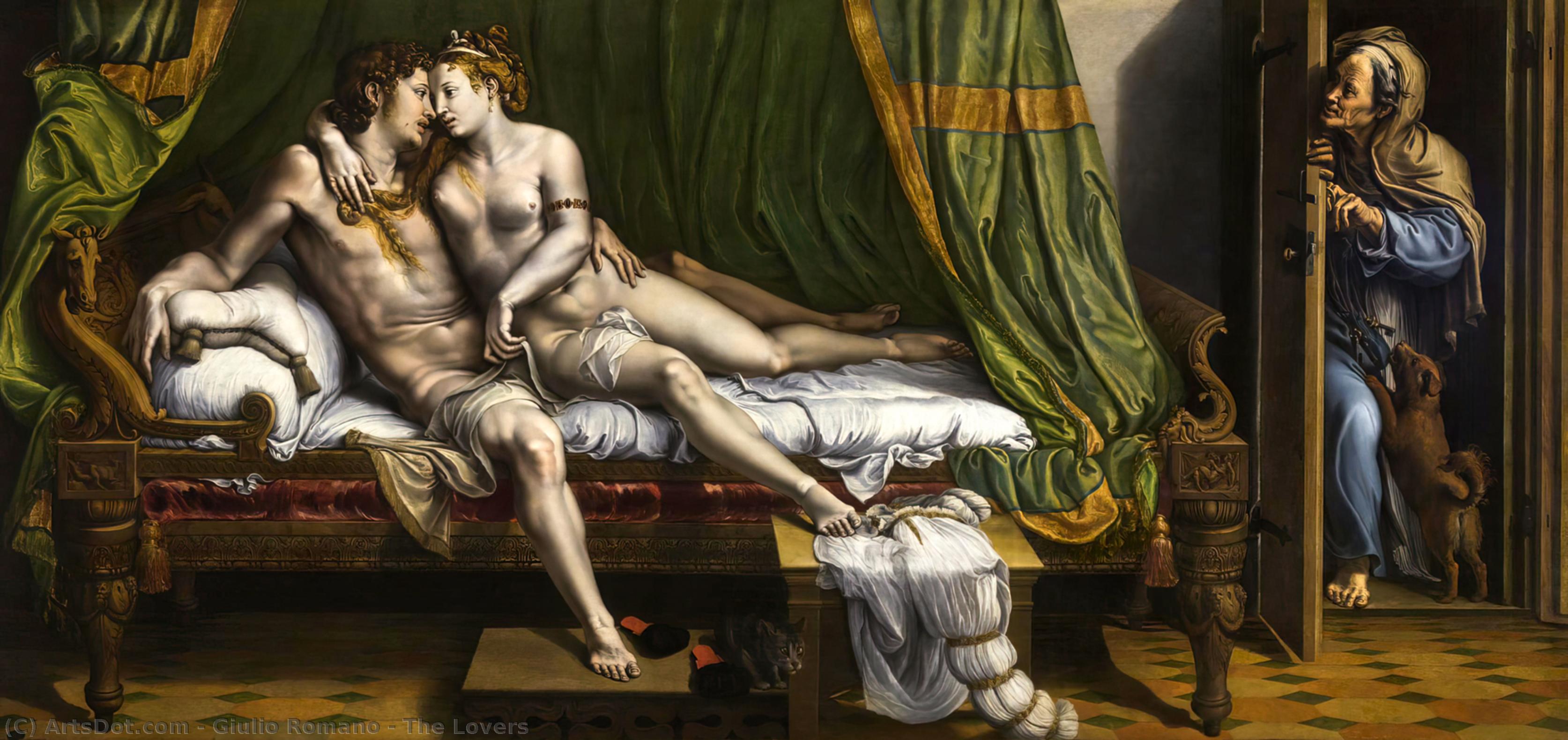
The Lovers
 Oil On Canvas
- WallArt
- High Renaissance
 1525
1525 163.0 x 337.0 cm
 Musée de l'Ermitage
 Lire la suite
Giclées et impressions d'art
Impressions giclées ou sur toile de qualité musée, avec une production rapide et des finitions au choix. ( Passer à la peinture faite à la main Passer à l'image)




P118B $10

P118H $10

P118W $10

P438Z $10

P508JH $12

P508YH $12

P805H $10

P805Z $10

P919BZ $10

P919G $10

P919XJ $10

P959ZH $10

P968JZ $12

W106C $8

W218G $10

W218JH $8

W218Y $10

W307PJ $10

W316G $10

W316PJ $8

W316Y $10

W398PJ $8

W4111J $10

W500HY $15

W500JH $15

W692G $12

W849H $8

W940BG $15

W953PJ $8




Choisissez parmi nos formats prédéfinis qui respectent les proportions originales de l’œuvre.

Vous pouvez saisir vos propres dimensions pour vous adapter à un cadre ou à un espace spécifique. Si la taille sélectionnée ne correspond pas aux proportions de l'image originale, nous recadrerons l'œuvre ou étendrons l'image avec une bordure en miroir ou une couleur unie. Une maquette numérique vous sera envoyée pour approbation avant le début de la production.
Veuillez noter que l'aperçu à l'écran ne reflète pas le recadrage ou l'extension réelle. Seule la maquette montrera avec précision la composition finale.
Bien que des tailles personnalisées soient disponibles, nous vous recommandons de choisir une dimension dans la liste prédéfinie afin de préserver les proportions originales.
Livraison dans le monde entier () en 2 semaines au lieu des 4/5 semaines habituelles. (11 août)

Livraison express gratuite dans le monde entier

Toile de lin de qualité supérieure

Assurance transport complète

Garantie de remboursement des droits de douane

Garantie de fidélité des couleurs

Politique de retour de 60 jours (uniquement en cas de défaut)

Garantie de remboursement à 100%

Offre de tarifs dégressifs
 L'option verre n'est disponible que pour les dimensions inférieures à 110 cm.

The Lovers
Giclées et impressions d'art
Format de la reproduction
-


Prix total
$ 80
Description de la pièce
The Lovers – A Renaissance Embrace
Giulio Romano’s “The Lovers,” painted around 1525, isn't merely a depiction of intimacy; it’s a meticulously crafted tableau brimming with symbolism and echoing the complex currents of the High Renaissance. Born Giulio Pippi in Rome around 1499, Romano swiftly ascended through the ranks of Raphael’s studio, absorbing the master’s classical ideals while simultaneously forging his own distinctive Mannerist style – a style characterized by heightened emotion, distorted forms, and an exploration of psychological depth. This particular painting, now housed within the hallowed halls of the Hermitage Museum in St. Petersburg, offers a rare glimpse into Romano's artistic vision and his profound understanding of human desire and its attendant anxieties.
The scene unfolds within a lavishly appointed chamber, bathed in an opulent yet subtly shadowed light. At the heart of the composition lie two figures entwined in a passionate embrace – a couple lost in a moment of intense connection. However, Romano deliberately subverts traditional representations of love, imbuing the image with layers of ambiguity and intrigue. The figures themselves are rendered with a cool detachment, almost sculptural in their stillness, reflecting the influence of ancient Greek sculpture. Their skin possesses an unnerving pallor, hinting at a sense of timelessness and perhaps even a touch of melancholy – a departure from the vibrant flesh tones favored by earlier Renaissance masters.
A Dance of Symbolism
The painting’s power resides not just in its sensual depiction but also in the intricate web of symbols woven throughout. Observe, for instance, the carefully positioned slippers resting on the floor – a deliberate disruption of the scene's harmony. They represent a marital bond, yet their placement suggests an absence, a separation that underscores the precariousness of love and the potential for betrayal. The cat curled at the feet of the lady in waiting is a potent symbol of illicit desire, while the loyal dog beside her speaks to the constraints of societal expectations and the enduring nature of fidelity. The keys held by the woman signify children – a responsibility that further complicates the lovers’ situation.
Beyond these immediate details, Romano draws heavily from classical mythology. The arrangement of objects—the bed, the drapery, the architectural elements—echoes the forms found in Roman sarcophagi and tomb decorations. This deliberate allusion to antiquity elevates the scene beyond a simple portrayal of love; it transforms it into an allegory of eternal themes – desire, loss, and the passage of time. The archangel Raphael, positioned above the couple, serves as a silent witness, embodying divine judgment and perhaps hinting at the consequences of their actions.
Technique and Context
Executed in oil on panel, “The Lovers” showcases Romano’s mastery of illusionistic painting – a hallmark of Mannerism. He employs techniques such as *trompe-l'oeil* to create the impression of depth and realism, blurring the boundaries between painted surface and perceived reality. The meticulous detail evident in the rendering of fabrics, textures, and architectural elements speaks to Romano’s exceptional technical skill. It is believed that this painting was commissioned for Federico II Gonzaga, Duke of Mantua, a discerning patron who appreciated both beauty and intellectual complexity.
Interestingly, “The Lovers” emerged during a period of immense upheaval in Italy – the Sack of Rome in 1527 marked a turning point in the Renaissance, disrupting artistic patronage and scattering artists across Europe. Romano’s relocation to Mantua provided him with a new creative environment and allowed him to develop his unique style largely free from the constraints of papal influence. The painting stands as a testament to his resilience and adaptability, showcasing a profound shift away from the idealized beauty of the High Renaissance towards a more emotionally charged and psychologically nuanced aesthetic.
A Timeless Masterpiece
“The Lovers” is more than just a beautiful painting; it’s a complex meditation on love, desire, and the human condition. Its enduring appeal lies in its ability to evoke a wide range of emotions – from passionate longing to quiet melancholy. Reproductions of this iconic work offer an opportunity to bring this captivating scene into any space, inviting contemplation and sparking conversation about the timeless themes it explores. It remains a powerful reminder of Romano’s genius and his lasting contribution to the history of art.
Biographie de l'artiste
Première Vie et Formation
- Né: Rome, Italie (c. 1492 ou 1499)
- Décédé: 1er novembre 1546
- Les détails de sa vie précoce sont rares, mais il a commencé sa carrière artistique à Rome.
- Il fut l'élève de Raphaël, devenant un peintre et un architecte talentueux.
- Après la mort de Raphaël en 1520, Giulio Romano prit en charge de nombreux projets inachevés, notamment la décoration de la Villa Madama pour le cardinal Giuliano de' Medici.
Développement du Style Maniériste
- Giulio Romano est surtout connu pour ses contributions au style maniériste.
- Son style s'est écarté du classicisme de la Haute Renaissance.
- Les peintures et les fresques présentent souvent une asymétrie, une tension et une instabilité plutôt que l'équilibre et l'harmonie.
- Influencé par Michelangelo et d’autres artistes de son époque.
- Il est devenu de plus en plus indispensable à Raphaël, modifiant les plans et créant la première déclaration du maniérisme à grande échelle à Rome.
Œuvres Majeures et Réalisations
- L'Incendie du Borgo: Une fresque peinte pour les Stanze Vaticane de Raphaël.
- Plafond en Voûte (Détail): Une fresque au Palazzo Te.
- Palazzo del Tè (Mantoue): Conçu et décoré de fresques illusionnistes, mettant en valeur ses compétences architecturales et artistiques. C'est son œuvre la plus importante.
- Villa Madama: A décoré cette villa de la Renaissance pour le cardinal Giuliano de' Medici.
- Il devint peintre et architecte à la cour de Federigo Gonzaga en 1524, dirigeant virtuellement toute l’activité artistique à Mantoue.
Influences et Importance Historique
- Raphaël: La formation précoce de Giulio Romano sous Raphaël a considérablement façonné ses bases artistiques.
- Michelangelo: L'influence du travail de Michelangelo a contribué au développement de son style maniériste.
- Il est considéré comme une figure clé dans la transition de la Haute Renaissance au maniérisme.
- Ses dessins étaient très prisés, et les gravures contemporaines gravées par Marcantonio Raimondi ont aidé à diffuser les styles artistiques italiens dans toute l'Europe.
- L’héritage de Giulio Romano peut être vu chez les artistes ultérieurs qui ont adopté son style et ses techniques.
Vie Tardive et Héritage
- Après la mort de Raphaël, Giulio a hérité de la direction de l'atelier du maître et a achevé de nombreux projets de ce dernier.
- Il était si célèbre après sa mort qu’il est le seul artiste "moderne" mentionné par Shakespeare dans une pièce de théâtre.
- Son travail démontre un changement s'éloignant des idéaux de la Renaissance vers des formes plus dynamiques et expressives.
- Les contributions de Giulio Romano au maniérisme ont consolidé sa place en tant que figure influente dans l’histoire de l’art.

Giulio Romano
1499 - 1546 , Italie
L'essentiel de l'artiste
- Artistes Influencés: ['Artistes maniéristes']
- Artistes Influents:
- Raphaël
- Michel-Ange
- Date De Décès: 1er novembre 1546
- Date De Naissance: Vers 1492 ou 1499
- Lieu De Naissance: Rome, Italie
- Mouvement Artistique: Manierisme
- Nationalité: Italienne
- Nom Complet: Giulio Romano
- Oeuvres Notables:
- L'Incendie du Borgo
- Plafond en arc boutant
- Palazzo del Tè
Articles connexes
Giulio Romano: A Master of Mannerism & the Palazzo Te Legacy
Explore the revolutionary art of Giulio Romano, master of Mannerism & architect of Palazzo Te. Discover his influence, investment potential, and stunning frescoes – a guide for discerning collectors.
Vertu civique et rivalité artistique : mécénat et innovation dans les républiques italiennes de la Renaissance (1400-1600)
Explorez le mécénat et l'innovation artistique en Italie à la Renaissance (1400-1600). Découvrez les familles, les artistes et les idées qui ont façonné une époque d'exception. Analyse approfondie par des experts.
Mario Sironi: A Poetic of Modern Italian Identity Through Symbolism & Social Commentary
Explore the profound works of Mario Sironi, a key figure in Italian Modernism. Discover his evolution from Futurism to Metaphysical painting and his powerful social commentary. Learn about his legacy at OriginalUniqueArt.

Giovanni Fattori: Realism, Identity & the Tuscan Landscape – A Macchiaioli Master
Explore the life & art of Giovanni Fattori, a leading figure of the Macchiaioli movement. Discover his revolutionary realism, captivating Tuscan landscapes, and lasting impact on Italian painting. Learn more at OriginalUniqueArt.

Carlo Carrà: Futurist Visions & Metaphysical Transformations in Early 20th-Century Italian Painting
Explore the artistic journey of Carlo Carrà, a pivotal figure in Italian Futurism & Metaphysical painting. Discover his dynamic compositions, collaborations with de Chirico, and lasting influence on modern art history.