Aperçu en situation
 Envoyer
 Partager
 Détails de l'œuvre
 Guide
Guide

 Télécharger l'image
 Articles similaires
 Radiographie
 Diaporama
 Q&A
Q&A Statistiques
St Ansanus Baptizing

- 31.0 x 32.0 cm


 Lire la suite
Giclées et impressions d'art
Impressions giclées ou sur toile de qualité musée, avec une production rapide et des finitions au choix. ( Commander la reproduction peinte à la main Passer au format numérique)




P118B €10

P118H €10

P118W €10

P438Z €10

P508JH €12

P508YH €12

P805H €10

P805Z €10

P919BZ €10

P919G €10

P919XJ €10

P959ZH €10

P968JZ €12

W106C €8

W218G €10

W218JH €8

W218Y €10

W307PJ €10

W316G €10

W316PJ €8

W316Y €10

W398PJ €8

W4111J €10

W500HY €15

W500JH €15

W692G €12

W849H €8

W940BG €15

W953PJ €8




Choisissez parmi nos formats prédéfinis qui respectent les proportions originales de l’œuvre.

Saisissez la largeur et la hauteur souhaitées pour qu'elles s'adaptent à votre cadre ou à votre mur. Une impression peut être recadrée, mais jamais agrandie au-delà de l'image originale ; ainsi, un format de forme différente entraînera la perte d'une partie de l'image. Nous vous envoyons une maquette numérique pour approbation avant toute impression. L'image présentée sur cette page ne montre pas le recadrage réel — seule la maquette le permet.
Livraison dans le monde entier () en 2 semaines au lieu des 4/5 semaines habituelles. (1 novembre)

Livraison express gratuite dans le monde entier

Toile de lin de qualité supérieure

Assurance transport complète

Garantie de remboursement des droits de douane

Garantie de fidélité des couleurs

Politique de retour de 100 jours (uniquement en cas de défaut)

Garantie de remboursement à 100%

Offre de tarifs dégressifs
 L'option verre n'est disponible que pour les dimensions inférieures à 110 cm.

St Ansanus Baptizing
Giclées et impressions d'art
Format de la reproduction
-


Prix total
€ 71
A Moment of Grace: Giovanni di Paolo's "St Ansanus Baptizing"
Giovanni di Paolo’s “St Ansanus Baptizing,” painted in Siena around 1440, is more than just a depiction of a religious ritual; it’s a window into the soul of early fifteenth-century Italy. This intimate scene, measuring 31 x 32 cm, captures a pivotal moment – the baptism – with a quiet solemnity that speaks volumes about faith and community. The painting immediately draws the eye to St. Ansanus himself, positioned on the left, his posture radiating authority as he prepares to pour water over those being cleansed in the river. His presence is both deliberate and compassionate, embodying the spiritual significance of this sacrament.
- Subject Matter: The central theme revolves around the baptism of individuals, a cornerstone of Christian belief representing purification and entry into the faith.
- Composition: Di Paolo masterfully employs a pyramidal composition, directing the viewer’s gaze towards St. Ansanus while subtly incorporating other figures within the scene.
- Setting: The outdoor setting, complete with a simple wooden chair, adds to the realism and reinforces the sense of a genuine, unadorned ceremony.
A Glimpse into Giovanni di Paolo’s Unique Style
Giovanni di Paolo was a singular voice within the burgeoning artistic landscape of Siena during this period. While other artists were embracing the revolutionary naturalism championed by Masaccio and Donatello, Di Paolo remained firmly rooted in the traditions of Gothic art, particularly its emphasis on lyrical beauty and symbolic richness. His work is characterized by an almost dreamlike quality, achieved through a meticulous attention to detail and a vibrant palette—a hallmark of his training as a manuscript illuminator. The use of rich blues, reds, and golds, typical of Sienese painting at the time, contributes significantly to the painting’s luminous effect.
The artist's technique is notable for its delicate rendering of fabrics and textures, evident in the flowing robes of the figures and the shimmering surface of the water. This meticulous approach, combined with a slightly stylized representation of human forms, creates an atmosphere that is both realistic and imbued with spiritual significance.
Symbolism and Context
Baptism held profound symbolic weight within the medieval Christian world. The immersion in water represented cleansing from sin and rebirth into Christ. In “St Ansanus Baptizing,” each figure participating in the ceremony carries a specific meaning – representing the faithful receiving God’s grace. St. Ansanus, as a prominent bishop, symbolizes spiritual guidance and authority. The scene reflects the importance of community rituals within the religious life of the time, emphasizing shared faith and devotion.
Painted around 1440, this work sits squarely within the late Gothic period, a transitional moment in Italian art history. It demonstrates the continued influence of medieval artistic conventions while hinting at the emerging Renaissance interest in naturalism and human emotion – a subtle foreshadowing of the dramatic shifts to come.
Emotional Impact & Reproduction
“St Ansanus Baptizing” evokes a powerful sense of serenity and reverence. The painting’s quiet intensity invites contemplation on themes of faith, purity, and renewal. OriginalUniqueArt offers a meticulously crafted hand-painted reproduction of this captivating artwork, allowing you to bring its beauty and historical significance into your home or office. Our skilled artisans faithfully recreate Di Paolo's unique style, ensuring that every detail – from the shimmering fabrics to the nuanced expressions of the figures – is reproduced with exceptional accuracy. This reproduction provides a tangible connection to a pivotal moment in art history, offering an unparalleled opportunity for artistic appreciation and contemplation.
Questions et réponses
Quelle technique et quel style caractérisent «St Ansanus Baptizing» de Giovanni di Paolo ?
« St Ansanus Baptizing » est réalisé en Oil On Canvas, dans le style Early Gothic.
«St Ansanus Baptizing» de Giovanni di Paolo fait-il partie des œuvres Early Gothic les plus recherchées ?
«St Ansanus Baptizing» de Giovanni di Paolo est classé comme Recognized et appartient au mouvement Early Gothic.
Quelle pièce est recommandée pour «St Ansanus Baptizing» de Giovanni di Paolo, compte tenu de ses couleurs ?
Avec sa palette Dark, «St Ansanus Baptizing» de Giovanni di Paolo est recommandé pour une Dining Room. Ses couleurs justifient d'ailleurs cette suggestion.
Biographie de l'artiste
Giovanni di Paolo : Un Peintre Siennois de Rêves
- Né: c. 1403, Sienne, Italie
- Décédé: 1482, Sienne
Jeunesse et Développement Artistique
Giovanni di Paolo di Grazia est apparu comme une figure importante dans la scène artistique siennaise au début du XVe siècle. Bien que les détails précis de sa vie précoce restent quelque peu obscurs, on pense qu'il a peut-être été l'apprenti de Taddeo di Bartolo ou Martino di Bartolomeo, tous deux maîtres siennois éminents. Sa formation initiale impliquait probablement l'enluminure de manuscrits, comme en témoigne son travail documenté pour l'Ordre dominicain à Sienne dès 1417 environ. Cette période a affiné ses compétences en matière de détails et d'application des couleurs, des éléments cruciaux qui allaient plus tard définir son style artistique.
Style Artistique et Influences
L’art de Giovanni di Paolo se caractérise par un mélange unique de traditions gothiques et de sensibilités renaissantes. Ses premières œuvres reflètent l'influence des maîtres siennois antérieurs, mais à mesure que sa carrière progressait, il développa un langage visuel distinct marqué par des figures allongées, des couleurs froides et dures, et une atmosphère souvent surréaliste. Une influence clé fut Gentile da Fabriano, dont la visite à Sienne vers 1420 a profondément influencé la vision artistique de Giovanni. Il adopta des éléments du style de Gentile, en particulier l'incorporation de détails naturalistes comme des plantes fleuries dans des scènes religieuses - une rupture avec les représentations plus conventionnelles de saints debout.
- Influence Gothique : Évidente dans ses figures allongées et ses motifs décoratifs.
- Impact de Gentile da Fabriano : Adoption d'éléments naturalistes et un accent sur le détail.
- Qualité Onirique Unique : De nombreuses œuvres possèdent une atmosphère inhabituelle et surréaliste.
Œuvres Majeures et Thèmes
L’œuvre de Giovanni di Paolo comprend de nombreux retables, panneaux et manuscrits enluminés. Ses œuvres les plus célébrées démontrent sa capacité à transformer des récits religieux traditionnels en expériences visuelles captivantes. Le *Miracle de Saint Nicolas de Tolentino* (vers 1455) exemplifie son style surréaliste avec son paysage fantastique et sa composition onirique. La série représentant des scènes de la vie de Sainte Catherine de Sienne, aujourd'hui dispersée dans divers musées, met en valeur sa maîtrise de la peinture narrative et du portrait expressif.
- Miracle de Saint Nicolas de Tolentino (vers 1455) : Un exemple parfait de son style surréaliste.
- Série Sainte Catherine de Sienne : Démontre des compétences narratives et un portraitage expressif.
- Manuscrits Enluminés : Notamment la *Divine Comédie* de Dante, mettant en valeur des détails complexes et une couleur vibrante.
Signification Historique et Héritage
La réputation de Giovanni di Paolo a connu un déclin après sa mort en 1482, mais son importance artistique a été redécouverte au XXe siècle. Il est désormais reconnu comme une figure essentielle de l'École siennaise, comblant le fossé entre l'art gothique tardif et la première Renaissance. Sa volonté d'expérimenter avec les formes et les couleurs, combinée à sa vision onirique unique, le distinguait de ses contemporains et établissait un lieu distinct dans l’histoire de l’art italien.
- Figure de Transition : A comblé le fossé entre les styles gothiques et renaissants.
- Signification Redécouverte : Reconnu au XXe siècle pour son approche innovante.
- Vision Artistique Unique : Sa qualité onirique le distingue des autres peintres siennois.
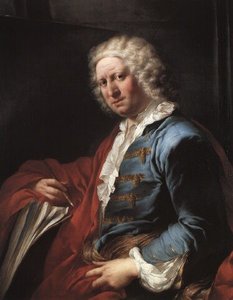
Giovanni di Paolo
1403 - 1482 , Italie
L'essentiel de l'artiste
- Artistes Influents:
- Gentile da Fabriano
- Taddeo di Bartolo
- Date De Décès: 1482
- Date De Naissance: c. 1403
- Lieu De Naissance: Sienne, Italie
- Mouvement Artistique: École siennoise, Gothique
- Nationalité: Italienne
- Nom Complet: Giovanni di Paolo
- Oeuvres Notables:
- Miracle de St. Nicolas
- Vie de Catherine
Articles connexes

L'Excellence du Giclée : Maîtriser les Codes de l'Impression d'Art Haute Fidélité
Maîtrisez les secrets techniques de l'impression Giclée et des encres pigmentaires. Devenez un expert en conservation d'art dès maintenant.

L'Excellence de l'Impression Giclée : Guide Technique pour des Reproductions d'Art de Qualité Musée
Maîtrisez la technique giclée et les encres pigmentaires pour vos collections. Découvrez les secrets d'une impression de qualité musée.
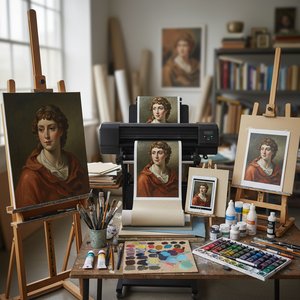
Reproductions d'Art : Exploration des Médiums Disponibles – Peinture à l'Huile, Impression sur Toile de Coton et Impressions Encadrées
: Reproductions d'art de qualité muséale (peinture à l'huile, impressions sur toile). Personnalisation & livraison mondiale. Idéal pour décorateurs et amateurs d'art exigeants.

25 chefs-d'œuvre incontournables de la Biennale de Venise : un voyage au cœur de l'art
Explorez 25 chefs-d'œuvre iconiques de la Biennale de Venise. Découvrez ces trésors d'art sur OriginalUniqueArt.com.

Les 25 chefs-d'œuvre de Giotto di Bondone : le père de la Renaissance
Explorez les 25 chefs-d'œuvre de Giotto et l'aube de la Renaissance. Découvrez toute la collection sur OriginalUniqueArt.com.