
 Envoyer
 Partager
 Détails de l'œuvre

 Télécharger
 Articles similaires
 Diaporama
 Statistiques
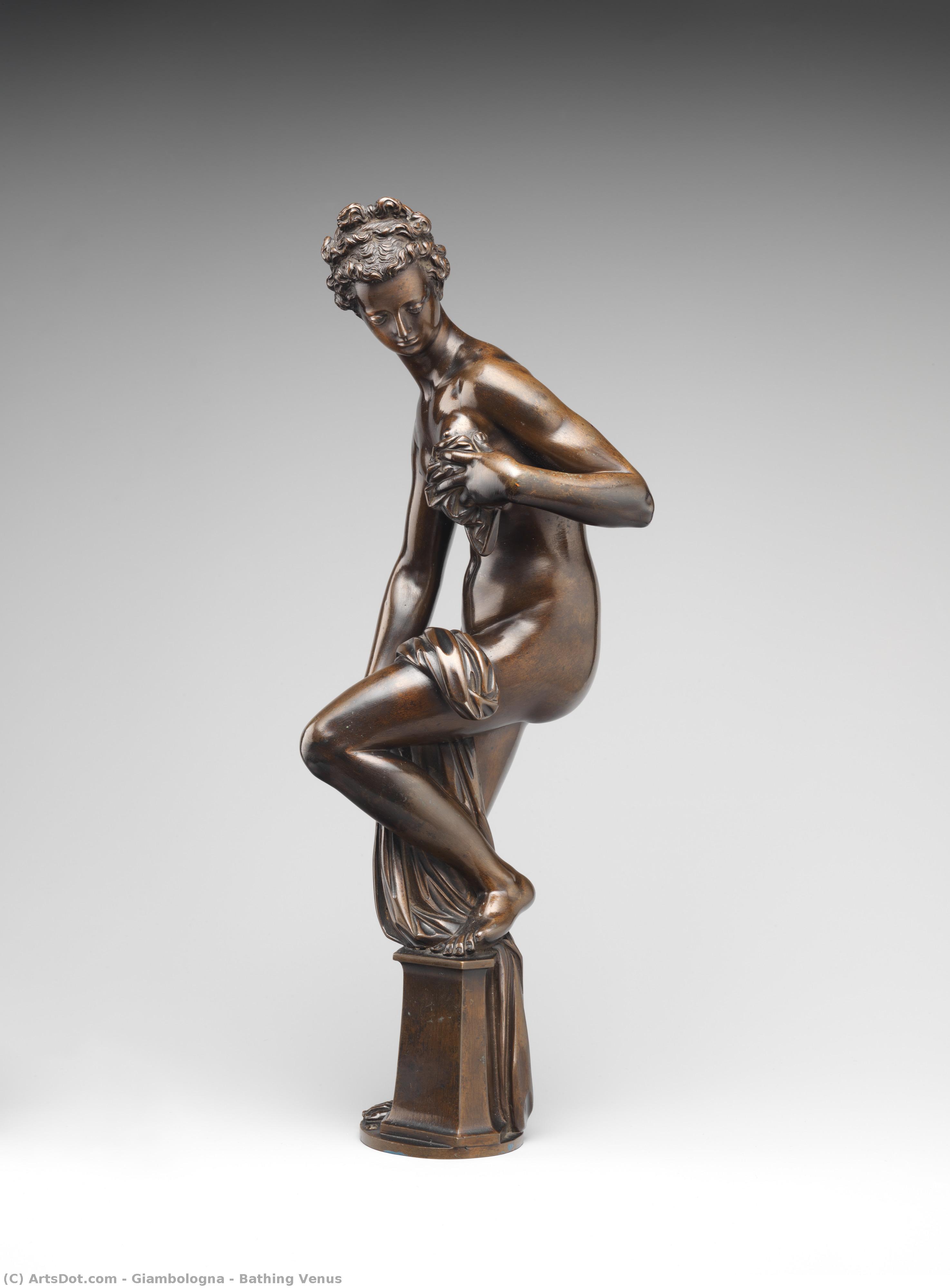
Bathing Venus


 Lire la suite
Giclées et impressions d'art
Impressions giclées ou sur toile de qualité musée, avec une production rapide et des finitions au choix. ( Commander la reproduction peinte à la main Passer à l'image numérique)




































Choisissez parmi nos formats prédéfinis qui respectent les proportions originales de l’œuvre.

Vous pouvez saisir vos propres dimensions pour vous adapter à un cadre ou à un espace spécifique. Si la taille sélectionnée ne correspond pas aux proportions de l'image originale, nous recadrerons l'œuvre ou étendrons l'image avec une bordure en miroir ou une couleur unie. Une maquette numérique vous sera envoyée pour approbation avant le début de la production.
Veuillez noter que l'aperçu à l'écran ne reflète pas le recadrage ou l'extension réelle. Seule la maquette montrera avec précision la composition finale.
Bien que des tailles personnalisées soient disponibles, nous vous recommandons de choisir une dimension dans la liste prédéfinie afin de préserver les proportions originales.
Livraison dans le monde entier () en 2 semaines au lieu des 4/5 semaines habituelles. (9 septembre)

Livraison express gratuite dans le monde entier

Toile de lin de qualité supérieure

Assurance transport complète

Garantie de remboursement des droits de douane

Garantie de fidélité des couleurs

Politique de retour de 100 jours (uniquement en cas de défaut)

Garantie de remboursement à 100%

Offre de tarifs dégressifs
 L'option verre n'est disponible que pour les dimensions inférieures à 110 cm.

Bathing Venus
Giclées et impressions d'art
Format de la reproduction
-


Prix total
$ 80
The Divine Embrace: Unveiling Giambologna’s “Bathing Venus”
Giambologna's "Bathing Venus," a bronze sculpture of breathtaking elegance and subtle sensuality, isn’t merely a depiction of a goddess; it’s an embodiment of the Renaissance fascination with classical ideals, a testament to masterful technique, and a poignant exploration of beauty itself. Created during the late 16th century, this captivating work transcends its historical context, offering a timeless allure that continues to resonate with viewers today. The sculpture captures Venus in a moment of serene contemplation – she’s not actively engaged in bathing, but rather luxuriating in the aftermath, her pose suggesting both vulnerability and quiet power.
The genesis of this iconic piece is rooted in the burgeoning humanist movement that swept through Europe during the Renaissance. Artists like Giambologna sought to revive the grandeur and idealized forms of ancient Greek and Roman sculpture, imbuing them with a distinctly new sensibility. He meticulously studied surviving classical statues, striving for an accuracy of proportion and anatomical detail rarely seen before. Yet, unlike the often-rigid formality of earlier Renaissance art, Giambologna’s Venus is imbued with a remarkable fluidity – her limbs are elongated, her drapery cascades in graceful folds, and her face remains partially obscured, inviting the viewer to complete the image with their own imagination.
The Alchemy of Bronze: Technique and Craftsmanship
Giambologna’s mastery lies not only in his understanding of classical forms but also in his innovative approach to bronze casting. He employed the lost-wax method, a painstaking process involving creating a wax model, encasing it in plaster, melting out the wax to create a mold, and then pouring molten bronze into the cavity. This technique allowed for incredible detail – the subtle variations in texture across Venus’s skin, the delicate folds of her garment, and the shimmering sheen of the polished surface are all testaments to Giambologna's skill.
Notably, Giambologna experimented with contrasting textures within a single piece. Some areas are deliberately left unfinished, retaining the roughness of the bronze itself, while others are meticulously smoothed and polished to a mirror-like finish. This juxtaposition creates a dynamic visual effect, drawing attention to the sculpture’s materiality and highlighting the artist's deliberate control over surface quality. The use of different patinas further enhances this effect, adding depth and richness to the overall composition.
Symbolism and the Renaissance Ideal
Beyond its technical brilliance, “Bathing Venus” is rich in symbolic meaning. Venus, as the goddess of love and beauty, represents not just physical attractiveness but also virtue, fertility, and prosperity – qualities highly valued during the Renaissance. The act of bathing itself carries significant weight; it’s a ritual of purification, renewal, and connection with nature. The partially veiled face adds an element of mystery, suggesting that Venus is both accessible and eternally distant.
Furthermore, Giambologna's choice to depict Venus emerging from the water subtly references classical mythology – echoing the image of Aphrodite rising from the sea foam. This connection to ancient narratives reinforces the sculpture’s status as a revival of classical ideals and its role in shaping the artistic landscape of the Renaissance. The overall composition speaks to an idealized vision of beauty, one that celebrates both physical grace and inner virtue.
A Timeless Masterpiece: Replicas and Enduring Appeal
“Bathing Venus” has captivated viewers for centuries, inspiring countless artists and designers. Its influence can be seen in the works of subsequent sculptors and painters, who continued to explore themes of beauty, mythology, and the human form. Today, high-quality reproductions offer a remarkable opportunity to experience this iconic masterpiece firsthand, bringing its elegance and serenity into homes and galleries worldwide. When selecting a reproduction, consider the materials used – bronze or resin are excellent choices that faithfully capture the sculpture’s texture and sheen—and ensure it is created by skilled artisans who understand Giambologna's meticulous approach.
Biographie de l'artiste
Giambologna : Le sculpteur qui a défini le maniérisme
Jean Boulogne, plus tard connu sous le nom de Giambologna (1529 – 1608), s'impose comme l'un des sculpteurs les plus influents des périodes de la Renaissance italienne et du Baroque. Né à Douai, en Flandre — aujourd'hui en France — son voyage artistique débuta par des études formatrices auprès de Jacques Du Broeucq à Anvers, avant qu'il n'entreprenne un déplacement transformateur vers Rome en 1550. C'est là qu'il s'immergea dans l'héritage de la sculpture classique et absorba les innovations stylistiques prônées par Michel-Ange. Cette immersion façonna profondément son style maniériste distinctif, caractérisé par une sensibilité exquise à la texture des surfaces, une élégance raffinée et un départ délibéré de la ferveur émotionnelle prévalente dans l'art de la Renaissance antérieure.- Première vie et formation : Les premières inclinations artistiques de Boulogne furent nourries dans le milieu architectural d'Anvers, lui dotant de compétences fondamentales qui s'avéreraient inestimables lors de ses études à Rome. Son engagement envers les œuvres monumentales de Michel-Ange instilla une profonde appréciation pour la précision anatomique et le dynamisme sculptural — des principes qui deviendraient les marques de fabrique de l'œuvre de Giambologna.
- Influence romaine et mécénat : Le séjour de Giambologna à Rome coïncida avec l'essor du mécénat de la famille Médicis, lui assurant des commandes qui propulsèrent sa réputation artistique et consolidèrent sa position de sculpteur de premier plan de l'époque. L'influence de Michel-Ange s'étendit au-delà de la simple imitation stylistique ; elle favorisa un engagement philosophique vers l'atteinte d'une beauté idéalisée par une observation méticuleuse et une exécution magistrale.
Le style maniériste : Une rupture avec la tradition
La vision artistique de Giambologna rejeta résolument l'équilibre harmonieux et la grandeur émotive caractéristiques de la sculpture de la Haute Renaissance. Au lieu de cela, il embrassa le Maniérisme — un mouvement stylistique qui privilégiait la contemplation intellectuelle sur la sensation viscérale. Cette approche se manifesta par plusieurs caractéristiques clés : des figures allongées aux proportions subtilement déformées ; des draperies effilées évoquant un sentiment de précarité ; et une emphase sur le traitement décoratif des surfaces — particulièrement le marbre poli — atteignant une luminosité inégalée. Les sculptures de Giambologna n'étaient pas destinées à transmettre un impact émotionnel immédiat, mais plutôt à provoquer une réflexion sur des concepts philosophiques complexes, reflétant les courants intellectuels plus larges de son temps. Il employa avec brio le contrapposto, une pose où le torse s'incline légèrement à l'écart du spectateur, créant une illusion de mouvement et d'équilibre — une technique perfectionnée par Michel-Ange et adoptée ultérieurement par Giambologna lui-même.- Accent sur la texture de surface : Les sculptures de Giambologna sont renommées pour leurs finitions de surface extraordinairement raffinées, obtenues grâce à des techniques de polissage minutieuses qui maximisaient la réflectivité et créaient un jeu envoûtant d'ombre et de lumière.
- Composition dynamique et précision anatomique : Contra à l'idéalisme des formes de Michel-Ange, les figures de Giambologna possédaient un réalisme troublant — une déformation délibérée des proportions anatomiques conçue pour intensifier la tension expressive et transmettre une profondeur psychologique.
Œuvres notables et commandes
La production prolifique de Giambologna engloba aussi bien des sculptures monumentales destinées aux espaces publics que des portraits intimes, cimentant son héritage en tant qu'un des artistes les plus célébrés de sa génération. Parmi ses accomplissements les plus prestigieux, on trouve :- Fontaine de Neptune (Bologne) : Collaborant avec Tommaso Laureti sur ce projet ambitieux — la pièce maîtresse de la Piazza Nettuno à Bologne — Giambologna créa une sculpture monumentale en bronze représentant Neptune, dieu de la mer, entouré de figures subsidiaires incarnant divers éléments de la mythologie maritime.
- Le Rapt des Sabines (Florence) : Achevé entre 1574 et 1582, ce chef-d'œuvre de marbre illustre la maîtrise de Giambologna de la technique maniériste — particulièrement le contrapposto — et capture le récit dramatique de la légende romaine avec une précision à couper le souffle.
- Statue de Mercure (Florence) : La représentation de Mercure par Giambologna — le dieu messager — est célébrée pour sa pose gracieuse et sa finition de surface lumineuse, incarnant l'esprit de l'élégance maniériste et de la contemplation intellectuelle.
Héritage et influence
L'influence de Giambologna s'étendit bien au-delà de sa vie, façonnant les sensibilités artistiques des générations suivantes et l'établissant comme une figure pivot dans la transition entre l'art de la Renaissance et celui du Baroque. Ses innovations sculpturales — particulièrement son exploration du mouvement dynamique et des figures psychologiquement complexes — fournirent une inspiration à des artistes tels que Bernini et Le Caravage, qui adoptèrent les principes maniéristes pour forger de nouvelles voies expressives. La réputation durable de Giambologna témoigne de sa vision artistique inégalée — un testament de sa capacité à synthétiser les idéaux classiques avec les sensibilités humanistes en une expérience esthétique singulièrement captivante.
Giambologna
1529 - 1608 , France
L'essentiel de l'artiste
- Artistic Movement Or Style: Mannerisme sculpturale
- Artists Or Movements Influenced By This Artist: ['Baroque']
- Artists Who Influenced This Artist: ['Michelangelo']
- Date Of Birth: 1529
- Full Name: Jean Boulogne
- Nationality: Flemish
- Notable Artworks:
- La Raep de Sabine
- Mercure
- Place Of Birth: Douai, France
Articles connexes

Les 10 Chefs-d'œuvre Bronzes Qui Ont Révolutionné la Sculpture | OriginalUniqueArt
Plongez dans l'univers fascinant des 10 sculptures en bronze les plus emblématiques de l'histoire de l'art. Rodin, Degas et autres maîtres révélés ! Découvrez leur histoire, leurs techniques et trouvez l'œuvre parfaite pour sublimer votre intérieur sur OriginalUniqueArt.com.

The Enduring Legacy of Bronze: A Historical & Artistic Exploration for the Collector
Explore the rich history & enduring appeal of bronze sculpture with expert insights for collectors at OriginalUniqueArt. Learn about casting techniques, iconic artists, collecting tips & contemporary interpretations.

The Enduring Legacy of Bronze: History, Technique & Artistic Expression for the Collector
Explore the rich history & enduring appeal of bronze sculpture with expert insights for collectors at OriginalUniqueArt. Learn about casting techniques, iconic artists, and collecting tips.

Les 10 Chefs-d'œuvre en Bronze qui ont Révolutionné l'Art : Collection OriginalUniqueArt
Plongez dans l'univers fascinant des 10 chefs-d'œuvre en bronze qui ont marqué l'histoire de l'art. Découvrez Rodin, Degas et les secrets de ces sculptures iconiques. Reproductions d'art exceptionnelles sur OriginalUniqueArt.com – Explorez la collection !

The Enduring Legacy of Bronze Sculpture: A Collector's Guide to Form & Cultural Significance
Explore the rich history & enduring appeal of bronze sculpture with expert insights for collectors at OriginalUniqueArt. Learn about casting techniques, iconic artists, and collecting tips to build a discerning art collection.


