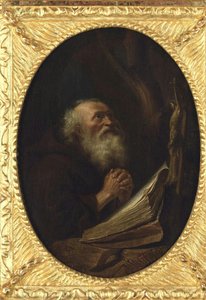
Aperçu en situation
 Partager
 Partager
 Détails
 Guide imprimable

 Télécharger
 Articles similaires
 Radiographie
 Voir le diaporama
 Statistiques
Astronomer
 Oil On Canvas
- WallArt
- Baroque
 1650
1650 27.0 x 29.0 cm
 Stedelijk Museum De Lakenhal
 Afficher la suite
Giclées et impressions d'art
Impressions giclées ou sur toile de qualité musée, avec une production rapide et des finitions au choix. ( Acheter la peinture faite à la main Passer au format image numérique)




P118B €10

P118H €10

P118W €10

P438Z €10

P508JH €12

P508YH €12

P805H €10

P805Z €10

P919BZ €10

P919G €10

P919XJ €10

P959ZH €10

P968JZ €12

W106C €8

W218G €10

W218JH €8

W218Y €10

W307PJ €10

W316G €10

W316PJ €8

W316Y €10

W398PJ €8

W4111J €10

W500HY €15

W500JH €15

W692G €12

W849H €8

W940BG €15

W953PJ €8




Choisissez parmi nos formats prédéfinis qui respectent les proportions originales de l’œuvre.

Type the width and the height you need, to fit your frame or your wall. A print can only be cut, never made bigger than the picture, so a size with a different shape loses a part of the image. We send you a digital mockup to approve before we print anything. The picture shown on this page does not show the real cut — only the mockup does.
Livraison dans le monde entier () en 2 semaines au lieu des 4/5 semaines habituelles. (14 octobre)

Livraison express gratuite dans le monde entier

Toile de lin de haute qualité

Assurance transport complète

Garantie de remboursement des droits de douane

Garantie de fidélité des couleurs

Garantie de retour de 100 jours (uniquement en cas de défaut)

Garantie de remboursement à 100%

Tarifs dégressifs sur quantité
 L'option verre n'est disponible que pour les dimensions inférieures à 110 cm.

Astronomer
Giclées et impressions d'art
Format de la reproduction
-


Prix total final
€ 69
The Astronomer’s Quiet Reverie: Gerrit Dou's Baroque Masterpiece
Gerrit Dou’s “Astronomer by Candlelight,” painted around 1665, isn’t merely a portrait; it’s a meticulously crafted window into the contemplative heart of the Dutch Golden Age. The painting immediately draws you in with its dramatic chiaroscuro – the stark contrast between light and shadow – reminiscent of Caravaggio but imbued with Dou's uniquely subtle touch. It depicts an elderly scholar, likely an alchemist or astronomer, deeply engrossed in his celestial globe, illuminated by a single, flickering candle. This isn’t a scene of frenetic activity; rather, it exudes a profound sense of quiet contemplation, inviting the viewer to share in the man's intellectual journey.
Dou was a master of “fijnschilder” painting – a technique characterized by painstaking detail and an almost photographic realism. He achieved this through countless layers of thin glazes applied over time, creating surfaces that shimmer with an incredible depth and luminosity. Notice the delicate rendering of the scholar’s hands, gripping the globe with a precise yet gentle touch; the subtle variations in texture across his clothing, suggesting both age and wealth; and the meticulous depiction of the candle flame itself – not as a simple source of light, but as a dynamic element casting intricate patterns on the surrounding objects. This level of detail speaks to Dou’s dedication and his mastery of oil paint.
A Window into 17th-Century Knowledge
The painting is firmly rooted in the intellectual ferment of the Dutch Golden Age – a period marked by burgeoning scientific inquiry, exploration, and a fascination with both classical learning and emerging discoveries. The celestial globe itself represents more than just an instrument for astronomical observation; it symbolizes humanity’s relentless quest to understand the cosmos and our place within it. The inclusion of books and instruments—a sextant, a compass, and various measuring tools—further emphasizes this pursuit of knowledge. It's a scene that echoes the spirit of the Renaissance, where a renewed interest in classical texts and scientific investigation fueled an era of unprecedented intellectual growth.
Furthermore, the scholar’s attire and surroundings hint at his social standing – he is clearly a man of means, comfortable enough to dedicate himself to scholarly pursuits. The arched window behind him, bathed in shadow, suggests a private study, a space for solitary reflection and intense concentration. This intimate setting reinforces the painting's theme of quiet contemplation and intellectual exploration.
Symbolism and Emotional Resonance
Beyond its historical context, “Astronomer by Candlelight” is rich in symbolic meaning. The candle, as a source of both illumination and potential danger (fire), represents enlightenment and revelation, but also the fragility of knowledge. The scholar’s aged face suggests wisdom gained through years of study, yet there's also an element of melancholy – a recognition of the vastness of the universe and perhaps the limitations of human understanding. The globe itself is a potent symbol of ambition and the desire to map and comprehend the unknown.
The painting’s emotional impact is profoundly subtle yet deeply affecting. It doesn't shout for attention; instead, it invites viewers to pause, observe, and reflect on their own relationship with knowledge, time, and the mysteries of existence. The quiet intensity of the scene creates a sense of intimacy, drawing us into the scholar’s world and allowing us to share in his contemplative gaze.
A Timeless Masterpiece for Collectors and Designers
Reproductions of “Astronomer by Candlelight” offer a remarkable opportunity to bring this exquisite Baroque masterpiece into any setting. The painting's rich colors, intricate details, and evocative atmosphere will add a touch of intellectual sophistication and timeless beauty to your home or office. Consider framing the reproduction in a dark wood frame to further enhance its dramatic effect, reminiscent of the original’s presentation. Its ability to evoke contemplation makes it an ideal addition to libraries, study spaces, or any room where one seeks inspiration and quiet reflection.
Questions et réponses
Quel niveau de contraste présente «Astronomer» de Gerrit Dou ?
Le niveau de contraste de «Astronomer» de Gerrit Dou est Gentle.
Puis-je commander une reproduction à l'huile de « Astronomer » ?
"Astronomer" is available as une reproduction à l'huile peinte à la main sur toile de lin. The order can be placed on its Hand-Painted Reproduction page, with a choice of sizes.
Qui a créé « Astronomer » et en quelle année ?
«Astronomer» a été créé par Gerrit Dou en 1650.
Biographie de l'artiste
Biographie de Gerrit Dou
Gerrit (Gerard) Dou, né le 7 avril 1613 à Leyde aux Pays-Bas et décédé le 9 février 1675, est un peintre néerlandais majeur de l'âge d'or. Son œuvre, caractérisée par une finesse extrême et un rendu minutieux des détails, continue de fasciner les amateurs d’art du monde entier.
Jeunesse et Formation
- Naissance et Famille : Gerrit Dou est né dans une famille modeste à Leyde. Son père était fabricant de vitraux, ce qui a peut-être influencé sa sensibilité aux couleurs et à la lumière.
- Premiers Pas Artistiques : Il étudie le dessin sous la direction de Bartholomäus Dolendo avant d'intégrer l'atelier de Pieter Couwenhorn, où il se familiarise avec le travail du verre.
- Apprentissage auprès de Rembrandt : À l’âge de quatorze ans, Dou entre comme élève dans l'atelier de Rembrandt van Rijn (1606-1669), un des plus grands peintres de tous les temps. Il y reste pendant environ trois ans et acquiert une maîtrise des techniques du clair-obscur et de la composition.
Style Artistique et Œuvre
- Le Fijnsschilder : Dou est considéré comme l'un des principaux représentants du fijnschilder, un courant néerlandais caractérisé par une extrême finesse d’exécution et un souci du détail obsessionnel.
- Scènes de Genre et Trompe-l'œil : Ses œuvres se concentrent principalement sur les scènes de genre, représentant des intérieurs bourgeois avec une grande précision. Il est également connu pour ses peintures trompe-l’œil, créant l'illusion d'objets réels sortant de la toile.
- Maîtrise du Clair-obscur : Dou utilise magistralement le clair-obscur, notamment dans ses scènes éclairées par des bougies ou des lanternes, pour créer une atmosphère mystérieuse et captivante.
- Techniques Spécifiques : Il est réputé pour avoir utilisé des lentilles concaves et des miroirs convexes afin d'améliorer sa perception et de reproduire fidèlement les détails. On raconte qu’il passait cinq jours à peindre une seule main.
Influences et Héritage
- Rembrandt : L'influence de Rembrandt est indéniable dans ses premières œuvres, notamment dans l'utilisation du clair-obscur et des effets dramatiques.
- Élèves et Successeurs : Gerrit Dou a formé plusieurs élèves influents, dont Frans van Mieris l’Ancien et Gabriel Metsu, qui ont contribué à diffuser son style et ses techniques.
- Impact sur l'Art Néerlandais : Son travail a marqué durablement la peinture néerlandaise du XVIIe siècle, contribuant au développement du genre de la scène intérieure et influençant une génération d’artistes.
Œuvres Majeures et Collections
- L'Astronome à la Lumière des Chandelles : Cette œuvre emblématique illustre parfaitement sa maîtrise du clair-obscur et son souci du détail. Elle est visible sur OriginalUniqueArt.com.
- La Collection de Leyde, New York : Plusieurs œuvres de Dou sont conservées dans cette collection prestigieuse. Pour plus d'informations, consultez le guide complet sur OriginalUniqueArt.com.
- Musée Huis Ten Bosch (La Haye) : Ce musée abrite une importante collection d’art européen du XVIe au XVIIIe siècle, incluant des œuvres de Gerrit Dou.

Gerrit Dou
1613 - 1675 , Pays-Bas
En bref
- Artistes Influents: ['Rembrandt']
- Date De Décès: 9 février 1675
- Date De Naissance: 7 avril 1613
- Influence Sur Les Artistes:
- Frans van Mieris l'Ancien
- Gabriel Metsu
- Lieu De Naissance: Leiden, Pays-Bas
- Mouvement Artistique: Fijnschilders de Leiden
- Nationalité: Néerlandais
- Nom Complet: Gerrit (Gerard) Dou
- Œuvres Notables: ["L'astronome à la chandelle"]
Articles similaires

L'Âge d'Or Néerlandais : Splendeur Baroque et Révolution Artistique
Explorez l'Âge d'Or néerlandais : découvrez les maîtres baroques (Rembrandt, Fabritius) et leur révolution artistique. Analyse approfondie, contexte historique et héritage durable. Un voyage au cœur de la peinture du XVIIe siècle.
Gerrit Dou: Intimacy & Light in the Dutch Golden Age
Explore the exquisite world of Gerrit Dou, a master of Dutch Golden Age painting. Discover his intimate genre scenes, signature use of light, and lasting legacy. Learn about collecting Dou's works & their value.
Illuminating Realism: Exploring the Dutch Golden Age of Painting (1600-1700)
Explore the Dutch Golden Age of painting (1600-1700) with OriginalUniqueArt. Discover Rembrandt, Vermeer & other masters. Learn about techniques, history & find museum-quality reproductions.

L'Âge d'Or Néerlandais : 10 Chefs-d'œuvre Incontournables pour Décorer avec Art et Histoire
Plongez au cœur de l'Âge d'Or néerlandais ! Découvrez 10 chefs-d'œuvre intemporels de Rembrandt, Vermeer et autres maîtres hollandais. Explorez leur histoire, technique & trouvez l'inspiration déco sur

Golden Light & Dutch Skies: The Timeless Magic of Dutch Golden Age Landscapes
Discover the breathtaking beauty of Dutch Golden Age landscapes. Explore the mastery of light, chiaroscuro, and 17th-century realism through an expert art history lens, celebrating the enduring legacy of the Dutch Masters for discerning collectors and art lovers.