

 Aperçu en situation
 Envoyer
 Partager
 Détails de l'œuvre

 Télécharger
 Articles similaires
 Radiographie
 Diaporama
William Metcalfe
 Contemporary Realism
 1821
1821 127.0 x 102.0 cm
 Lire la suite
Reproduction à l'huile faite à la main
Huile sur toile peinte à la main, avec cadre et dimensions personnalisés, réalisée sur commande par nos artistes. ( Passer au tirage Passer à l'image)




































Choisissez parmi nos formats prédéfinis qui respectent les proportions originales de l’œuvre.

Vous pouvez saisir vos propres dimensions pour l'adapter à un cadre ou à un espace spécifique. Si la taille sélectionnée ne correspond pas aux proportions de l'image d'origine, nous recadrerons l'œuvre ou prolongerons la peinture avec des éléments peints à la main supplémentaires. Une maquette numérique vous sera envoyée pour approbation avant le début de la production.
Veuillez noter que l'aperçu à l'écran ne reflète pas le recadrage ou l'extension réels. Seule la maquette montrera fidèlement la composition finale.
Bien que des tailles personnalisées soient disponibles, nous vous recommandons de sélectionner une dimension dans la liste prédéfinie afin de préserver les proportions d'origine.
Après la commande, l’équipe OriginalUniqueArt.com contactera le client par e-mail pour recueillir ses instructions et lui fournira une maquette d’aperçu
Livraison dans le monde entier () en 3 à 4 semaines au lieu des 5 semaines habituelles. (10 août). Aucun compromis sur la qualité.

Livraison express gratuite dans le monde entier

Toile de lin de qualité supérieure

Assurance transport complète

Garantie de remboursement des droits de douane

Garantie de fidélité des couleurs

Politique de retour de 60 jours (uniquement en cas de défaut)

Garantie de remboursement à 100%

Offre de tarifs dégressifs
 L'option verre n'est disponible que pour les dimensions inférieures à 110 cm.

William Metcalfe
Technique de reproduction
Format de la reproduction
-


Prix total
$ 300
Biographie de l'artiste
George Watson (1767 – 1837): A Pioneer of Scottish Portraiture
George Watson was a pivotal figure in the artistic landscape of Scotland during the late Georgian and early Victorian eras, establishing himself as one of the foremost portrait painters of his time. Born in Edinburgh around 1767, he possessed an innate talent for capturing likenesses with remarkable accuracy and subtlety—a skill that quickly garnered him recognition within the burgeoning Scottish art scene. His career spanned over seven decades, during which he produced a prolific body of work characterized by its refined style and meticulous attention to detail.Early Life and Artistic Training
Watson’s formative years were marked by exposure to influential artistic currents circulating in Edinburgh. He apprenticed under John Ramsay, a celebrated Scottish landscape painter who instilled in Watson a deep appreciation for tonal harmony and atmospheric perspective—techniques that would become hallmarks of his distinctive approach to portraiture. Ramsay's guidance fostered Watson’s understanding of how to convey emotion through color and form, shaping him into an artist deeply attuned to the psychological complexities inherent in human subjects. Furthermore, Watson studied briefly at the Royal Academy in London, broadening his artistic horizons and exposing him to European stylistic innovations prevalent during that period.Watson's Artistic Style and Technique
Watson’s artistic style distinguished itself from its contemporaries through a commitment to tonal gradation—a technique whereby he skillfully blended shades of color to create illusions of depth and volume within his canvases. Unlike many artists who favored brighter palettes, Watson prioritized muted hues, favoring browns, greys, and ochres to achieve an understated elegance that perfectly complemented the solemn dignity of his subjects. He meticulously rendered textures with painstaking precision, utilizing glazing techniques—applying thin layers of translucent paint over subsequent coats—to build up surfaces with remarkable realism. This meticulous approach demanded considerable patience and skill, resulting in portraits imbued with a palpable sense of presence and psychological insight.Notable Commissions and Artistic Achievements
Watson’s reputation grew steadily throughout his lifetime thanks to numerous prestigious commissions from aristocratic families and prominent figures across Scotland. He painted portraits of members of the Scottish aristocracy—including Earl Grey, Lord Melville, and Sir William Wallace—capturing their likenesses with unwavering fidelity while simultaneously conveying their character and bearing. His work extended beyond portraiture into genre scenes depicting domestic interiors and landscapes, demonstrating his versatility as an artist. Among his most celebrated achievements was his depiction of Elizabeth Oliver, the wife of John Singleton Copley—a painting that exemplifies Watson’s mastery of tonal harmony and psychological observation. This masterpiece remains a testament to his artistic vision and enduring legacy.Legacy and Historical Significance
George Watson's influence on Scottish art history is undeniable. He championed a style rooted in observation and restraint, establishing himself as a pioneer of Scottish portraiture—a genre that would flourish throughout the Victorian era. His meticulous technique and unwavering dedication to capturing human emotion solidified his place among Scotland’s artistic luminaries. Watson’s paintings continue to be admired for their beauty and psychological depth, serving as invaluable records of the social and cultural milieu of his time. He is remembered not merely as a skilled painter but as an artist who profoundly shaped the aesthetic sensibilities of his era—a legacy that persists to this day.
george watson
1767 - 1837
L'essentiel de l'artiste
- Artistic Movement Or Style: Neoclassical
- Artists Who Influenced This Artist:
- Joshua Reynolds
- Benjamin West
- Date Of Birth: 1767
- Date Of Death: 1837
- Full Name: George Watson
- Nationality: Scottish
- Notable Artworks:
- The Duchess of Sutherland
- Portrait of William Lyon Mackenzie
- Place Of Birth: Edinburgh, Scotland
Articles connexes
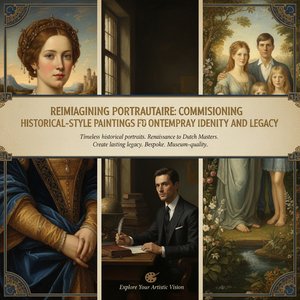
Réinventer le Portrait Historique : Commander une Œuvre d'Art pour Affirmer son Identité Contemporaine et Son Héritage
Commandez un portrait historique personnalisé réalisé par des maîtres peintres. Immortalisez votre identité avec une œuvre unique et symbolique, héritage familial précieux. Expertise & qualité garantie.
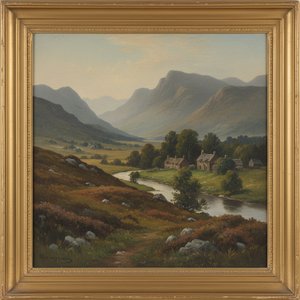
Sir John Watson Gordon: A Study in Scottish Landscape Painting & Tonal Impressionism
Explore the captivating portraits of Sir John Watson Gordon, a leading Scottish master. Discover his evolution from neoclassical style to atmospheric Tonalism and influence on 19th-century British art. Learn about his iconic sitters & legacy.
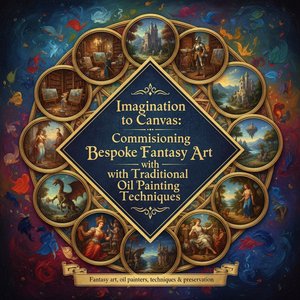
From Imagination to Canvas: Commissioning Bespoke Fantasy Art with Traditional Oil Painting Techniques
Commission breathtaking bespoke fantasy art with skilled oil painters. Explore techniques, artist selection & preservation tips. Invest in a unique masterpiece today!
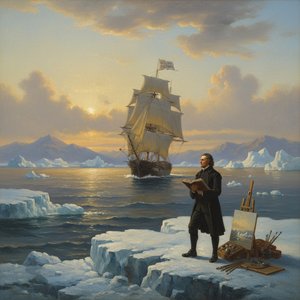
William Bradford: Navigating Faith, Landscape & Artistic Innovation in Early American Painting
Explore the captivating world of William Bradford, American Romanticist painter renowned for his dramatic Arctic seascapes & ship portraits. Discover his artistic evolution, influences, and lasting legacy with OriginalUniqueArt.
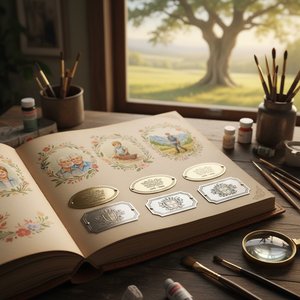
L'Épitaphe Visuelle : La Plaque Nominative comme Signature Affective et Professionnelle de la Reproduction Artistique Personnalisée
Transformez vos photos en tableaux personnalisés d'exception avec OriginalUniqueArt. Artistes professionnels, qualité muséale & héritage durable. Commandez dès aujourd'hui !

