

 Aperçu en situation
 Envoyer
 Partager
 Détails de l'œuvre
 Guide
Guide

 Télécharger l'image
 Articles similaires
 Radiographie
 Diaporama
 Statistiques
metropolis


 Lire la suite
L’œuvre d'art présentée sur cette page est protégée par le droit d'auteur, ce qui signifie que nous ne pouvons légalement créer ou vendre de reproduction identique. Cette protection est appliquée en vertu d'accords internationaux tels que la Convention de Berne et par les lois nationales, notamment celles énoncées par le Loi américaine sur le droit d'auteur - Titre 17.
Cette méthode est pleinement conforme aux réglementations sur le droit d'auteur car elle ne repose pas sur la copie ou la duplication de l'œuvre protégée. Il s'agit plutôt d'une réinterprétation créative — une nouvelle peinture qui s'inspire de l'original sans pour autant lui être identique.
Giclées et impressions d'art
Impressions giclées ou sur toile de qualité musée, avec une production rapide et des finitions au choix. ( Commander la reproduction peinte à la main Passer au format numérique)




P118B €10

P118H €10

P118W €10

P438Z €10

P508JH €12

P508YH €12

P805H €10

P805Z €10

P919BZ €10

P919G €10

P919XJ €10

P959ZH €10

P968JZ €12

W106C €8

W218G €10

W218JH €8

W218Y €10

W307PJ €10

W316G €10

W316PJ €8

W316Y €10

W398PJ €8

W4111J €10

W500HY €15

W500JH €15

W692G €12

W849H €8

W940BG €15

W953PJ €8




Choisissez parmi nos formats prédéfinis qui respectent les proportions originales de l’œuvre.

Saisissez la largeur et la hauteur souhaitées pour qu'elles s'adaptent à votre cadre ou à votre mur. Une impression peut être recadrée, mais jamais agrandie au-delà de l'image originale ; ainsi, un format de forme différente entraînera la perte d'une partie de l'image. Nous vous envoyons une maquette numérique pour approbation avant toute impression. L'image présentée sur cette page ne montre pas le recadrage réel — seule la maquette le permet.
Livraison dans le monde entier () en 2 semaines au lieu des 4/5 semaines habituelles. (25 octobre)

Livraison express gratuite dans le monde entier

Toile de lin de qualité supérieure

Assurance transport complète

Garantie de remboursement des droits de douane

Garantie de fidélité des couleurs

Politique de retour de 100 jours (uniquement en cas de défaut)

Garantie de remboursement à 100%

Offre de tarifs dégressifs
 L'option verre n'est disponible que pour les dimensions inférieures à 110 cm.

metropolis
Giclées et impressions d'art
Format de la reproduction
-


Prix total
€ 70
A Chronicle of Urban Decay: George Grosz's "Metropolis"
George Grosz’s “Metropolis” is not merely a depiction of a city street; it’s a raw, unflinching diagnosis of societal malaise rendered with the brutal honesty only a disillusioned artist can possess. Painted by a man deeply scarred by the turbulent realities of his time – the Weimar Republic and the looming shadow of fascism – this large-scale artwork pulsates with an unsettling energy, capturing the frenetic pace and moral corruption that defined Berlin in the early 20th century. The scene unfolds as a chaotic ballet of humanity: figures jostle for space on a rain-slicked street, their faces etched with weariness and indifference, each lost within their own private anxieties. A solitary automobile, a symbol of burgeoning modernity and its potential for destruction, adds to the sense of unease, highlighting the disconnect between progress and human well-being.
The Artist's Vision: Grosz’s Satirical Legacy
Born in Berlin in 1893, George Grosz emerged as a pivotal figure in early 20th-century art, a satirist who relentlessly exposed the hypocrisy and decadence of Prussian society. His artistic journey began with meticulous studies of Dutch masters – Eduard von Grützner, to be precise – demonstrating a disciplined technical foundation before he deliberately shattered academic conventions. This deliberate rejection of traditional aesthetics fueled his signature style: jagged lines, distorted figures, and grotesque caricatures designed to shock and provoke. Grosz’s work wasn't simply observational; it was an active critique, born from personal experiences—his father’s death, his mother’s involvement with officers’ messes – immersing him in a world of militarism and rigid social structures that he would later dismantle through his art. The painting reflects this deeply rooted dissatisfaction, transforming the familiar cityscape into a stage for exposing its underlying rot.
Technique and Composition: A Study in Discomfort
The artwork’s impact is amplified by Grosz's masterful use of color and composition. Bold, saturated hues – predominantly dark browns, grays, and ochres – contribute to the painting’s oppressive atmosphere, mirroring the grim realities depicted. The figures are rendered with a deliberate lack of detail, emphasizing their anonymity and dehumanization. The crowded street is constructed using dynamic lines that converge towards vanishing points, creating a sense of disorientation and contributing to the overall feeling of unease. Grosz's technique – characterized by rapid brushstrokes and a somewhat loose application of paint – lends a raw, almost frantic energy to the scene, reflecting the anxieties of the era.
Symbolism and Emotional Resonance
"Metropolis" is laden with symbolic weight. The rain itself represents cleansing but also stagnation, washing away superficial appearances while failing to address deeper issues. The numerous pedestrians, each absorbed in their own thoughts or actions, symbolize the apathy and indifference that allowed social ills to flourish. The car, a symbol of technological advancement, becomes an emblem of destructive potential. Ultimately, the painting evokes a profound sense of alienation and despair – a feeling that resonates powerfully even today. It’s a stark reminder of the fragility of civilization and the ever-present threat of moral decay.
Questions et réponses
«metropolis» est-il une œuvre célèbre du Expressionist Satire ?
« metropolis » est répertorié comme étant Recognized parmi les œuvres du Expressionist Satire dans le catalogue.
Quelle est la saturation des couleurs de «metropolis» de George Grosz ?
La palette de « metropolis » présente une saturation Clear Color Presence.
Quelle émotion les couleurs de «metropolis» de George Grosz dégagent-elles ?
Dans « metropolis », des couleurs Dark accompagnent une sensation Somber.
Biographie de l'artiste
Première Vie et Influences
George Grosz, figure marquante du groupe Berlin Dada et de la Nouvelle Objectivité pendant la République de Weimar, est né le 26 juillet 1893 à Berlin, en Allemagne. En tant que Georg Ehrenfried Gross, il a grandi dans une famille luthérienne fervente, son père étant propriétaire d'un pub. La vie précoce de Grosz a été marquée par la mort de son père en 1901, après laquelle sa mère est devenue la gardienne du mess des officiers hussards locaux.Développement Artistique
Grosz a commencé son parcours artistique sous la tutelle d'un peintre local nommé Grot, développant davantage ses compétences grâce à de méticuleuses copies des scènes de boisson et des scènes de bataille imaginaires d’Eduard von Grützner. Il a ensuite étudié à l'Académie des beaux-arts de Dresde (1909-1911) puis au Collège des arts et métiers de Berlin.Œuvres Notables et Style
- La Fosse, une peinture présentant le style dadaïste de Grosz, est un exemple notable de son œuvre.
- Ce tableau, ainsi que d'autres comme L’Agitateur et Les Piliers de la Société, démontrent sa critique satirique de la communauté bourgeoise allemande.
- Ces œuvres se caractérisent par leur nature caricaturale, présentant souvent des images morbides et grotesques qui symbolisaient les forces fascistes en Allemagne.
- Cain ou Hitler en Enfer est une œuvre puissante anti-fasciste.
- L'Éclipse du Soleil dépeint le chaos de l’Allemagne de Weimar.
Collections de Musées et Expositions
Les œuvres de Grosz se trouvent dans divers musées, notamment les Kunstsammlungen und Museen Augsburg et la Kunsthalle Bielefeld, tous deux réputés pour leurs vastes collections d'art allemand.Vie Ultérieure et Héritage
Grosz a émigré aux États-Unis en 1933, devenant citoyen naturalisé en 1938. Il a enseigné à l'Art Students League de New York et a continué à exposer son travail jusqu’à son retour à Berlin, où il est décédé le 6 juillet 1959. Points Clés :- Grosz était un membre important du groupe Berlin Dada et de la Nouvelle Objectivité.
- Son œuvre se caractérise par des critiques satiriques de la communauté bourgeoise allemande.
- Il a émigré aux États-Unis en 1933 et est devenu citoyen naturalisé en 1938.
- L'héritage de Grosz continue d’être célébré à travers ses œuvres, qui peuvent être trouvées dans divers musées à travers l'Allemagne.
Références :
Liste de personnalités américaines d'origine allemande (Wikipédia)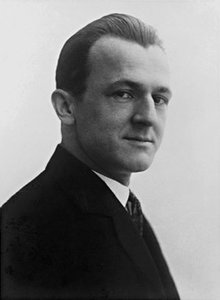
George Grosz
1893 - 1959 , Allemagne
L'essentiel de l'artiste
- Artistes Influents: ['Édouard von Grützner']
- Date De Décès: 6 juillet 1959
- Date De Naissance: 26 juillet 1893
- Lieu De Naissance: Berlin, Allemagne
- Mouvement Artistique: Dadaïsme, Nouvelle Objectivité
- Nationalité: Allemand, Américain
- Nom Complet: George Grosz
- Oeuvres Notables:
- La Fosse
- L'Agitateur
- Les Piliers de la Société
- Cain ou Hitler en Enfer
Articles connexes
Concrete Visions: Exploring Representations of Urban Life in Modern & Contemporary Art
Explore the evolution of cityscape painting from Realism to contemporary art. Discover key artists & invest in timeless urban visions with OriginalUniqueArt's expert guidance and museum-quality reproductions.
Concrete Narratives: Exploring Urban Life in Modern & Contemporary Art
Explore the evolution of cityscape painting with OriginalUniqueArt. Discover key artists from Realism to contemporary movements & invest in timeless urban visions. Expert guidance, museum-quality reproductions.
Urban Visions: A Historical & Artistic Exploration of the Cityscape in Painting
Explore the evolution of cityscape painting from historical maps to Impressionist masterpieces. Discover artists like Caillebotte & Utrillo. Find museum-quality reproductions at OriginalUniqueArt.

Concrete Visions: Exploring the Urban Landscape in Painting – From Realism to Contemporary Art
Explore the evolution of cityscape painting from Realism to contemporary art with OriginalUniqueArt. Discover key artists & invest in timeless urban visions. Expert guidance, museum-quality reproductions.

Giclée Prints: Archival Quality & Aesthetic Nuances for the Discerning Collector
Explore the world of giclée prints with OriginalUniqueArt. Learn about archival quality, aesthetic nuances & investment potential. Expert guidance for discerning art collectors seeking museum-quality reproductions and lasting value.


