
 Aperçu en situation
 Envoyer
 Partager
 Détails de l'œuvre

 Télécharger
 Articles similaires
 Radiographie
 Diaporama
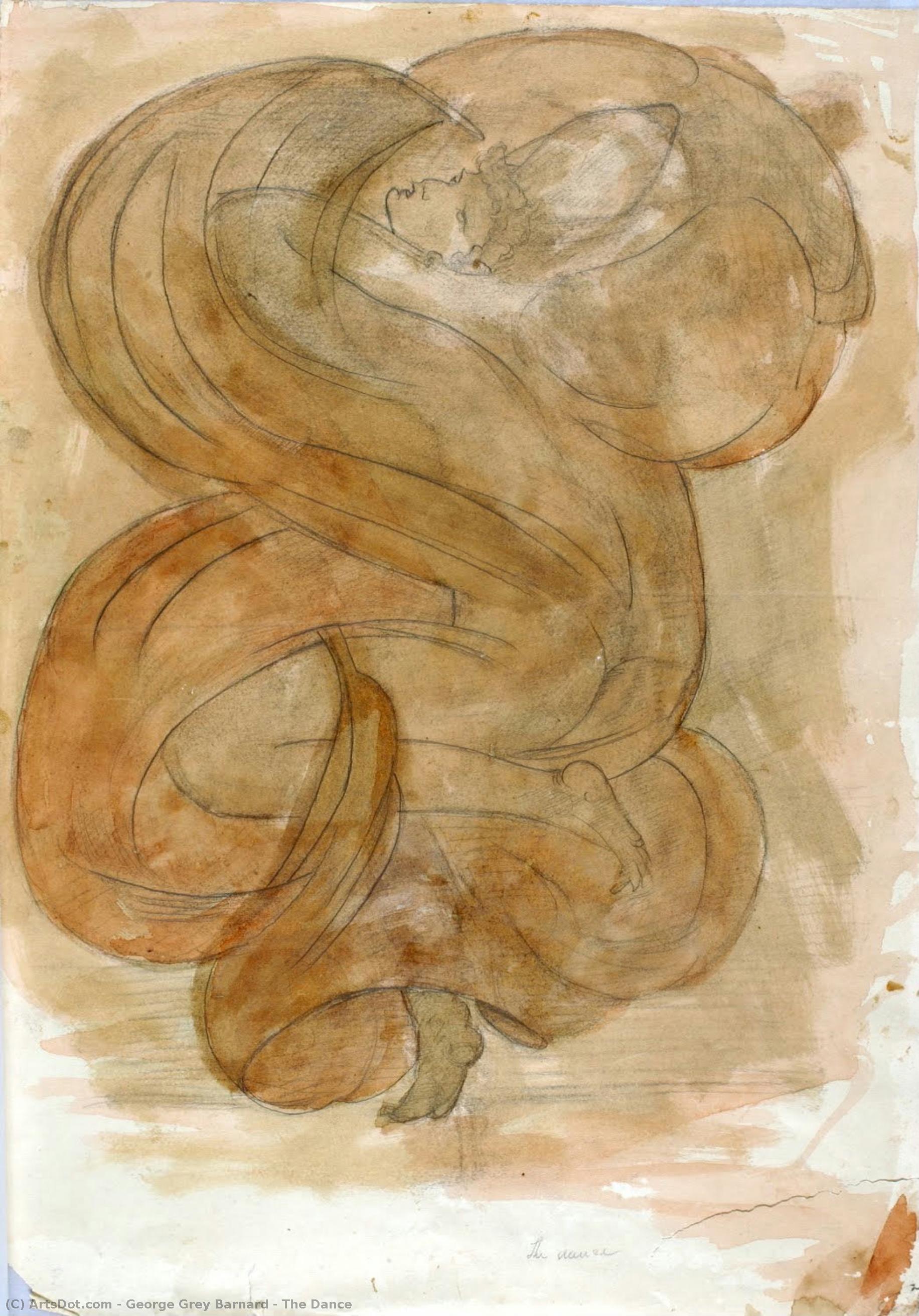
The Dance
 Oil On Canvas
- WallArt
- Impressionism
 1910
1910 50.0 x 35.0 cm
 Smithsonian American Art Museum
 Lire la suite
Reproduction à l'huile faite à la main
Huile sur toile peinte à la main, avec cadre et dimensions personnalisés, réalisée sur commande par nos artistes. ( Passer au tirage Passer à l'image)




P118B $10

P118H $10

P118W $10

P438Z $10

P508JH $12

P508YH $12

P805H $10

P805Z $10

P919BZ $10

P919G $10

P919XJ $10

P959ZH $10

P968JZ $12

W106C $8

W218G $10

W218JH $8

W218Y $10

W307PJ $10

W316G $10

W316PJ $8

W316Y $10

W398PJ $8

W4111J $10

W500HY $15

W500JH $15

W692G $12

W849H $8

W940BG $15

W953PJ $8




Choisissez parmi nos formats prédéfinis qui respectent les proportions originales de l’œuvre.

Vous pouvez saisir vos propres dimensions pour l'adapter à un cadre ou à un espace spécifique. Si la taille sélectionnée ne correspond pas aux proportions de l'image d'origine, nous recadrerons l'œuvre ou prolongerons la peinture avec des éléments peints à la main supplémentaires. Une maquette numérique vous sera envoyée pour approbation avant le début de la production.
Veuillez noter que l'aperçu à l'écran ne reflète pas le recadrage ou l'extension réels. Seule la maquette montrera fidèlement la composition finale.
Bien que des tailles personnalisées soient disponibles, nous vous recommandons de sélectionner une dimension dans la liste prédéfinie afin de préserver les proportions d'origine.
Après la commande, l’équipe OriginalUniqueArt.com contactera le client par e-mail pour recueillir ses instructions et lui fournira une maquette d’aperçu
Livraison dans le monde entier () en 3 à 4 semaines au lieu des 5 semaines habituelles. (6 août). Aucun compromis sur la qualité.

Livraison express gratuite dans le monde entier

Toile de lin de qualité supérieure

Assurance transport complète

Garantie de remboursement des droits de douane

Garantie de fidélité des couleurs

Politique de retour de 60 jours (uniquement en cas de défaut)

Garantie de remboursement à 100%

Offre de tarifs dégressifs
 L'option verre n'est disponible que pour les dimensions inférieures à 110 cm.

The Dance
Technique de reproduction
Format de la reproduction
-


Prix total
$ 300
Description de l'œuvre
A Life Forged in Stone: The World of George Grey Barnard
George Grey Barnard, born in Bellefonte, Pennsylvania, in 1863, was an American sculptor whose career unfolded against a backdrop of shifting artistic tides and burgeoning national identity. His life story is one of relentless pursuit – a journey from the rural landscapes of his youth to the hallowed halls of Parisian art academies, and ultimately, to establishing himself as a pivotal figure in American sculpture. The son of a Presbyterian minister, Barnard’s early years were marked by frequent relocation across Illinois, yet it was within this itinerant existence that an artistic sensibility began to blossom. He initially honed his skills at the Art Institute of Chicago under Leonard Volk, demonstrating an innate talent for modeling and form – a foundation upon which he would build a remarkable career. This initial spark propelled him towards Paris in 1883, where he immersed himself in the rigorous training of the École Nationale Supérieure des Beaux-Arts, absorbing the influences of Impressionism and forging his own distinctive artistic voice.The Artwork: “The Dance”
“The Dance,” created between 1898 and 1910, exemplifies Barnard’s masterful command of watercolor and oil wash on paper. Measuring 50 x 35 cm, the painting depicts a woman engaged in movement—a captivating portrayal of grace and dynamism. The artist skillfully captures the essence of dance through careful observation and expressive brushwork. Note the fluid lines delineating the dancer's form, conveying a sense of effortless motion against a softly blurred background. Barnard’s technique prioritizes capturing fleeting moments of emotion and atmosphere, aligning him with the tenets of Impressionism.Style and Technique: Impressionistic Influences
Barnard’s artistic approach is undeniably rooted in Impressionist principles. Like Monet and Renoir, he eschewed meticulous detail in favor of conveying light and color—a deliberate decision to prioritize perceptual experience over photographic realism. The warm hues dominating the palette – ochre yellows, crimson reds, and earthy browns – contribute to an overall feeling of warmth and vibrancy. Barnard’s layering technique—applying thin washes of watercolor followed by thicker oil glazes—creates a textured surface that enhances the illusion of depth and luminosity. This meticulous process underscores his dedication to capturing the subtleties of light and shadow.Historical Context: American Sculpture Emerges
“The Dance” reflects the broader artistic landscape of late 19th-century America, where sculpture was undergoing significant transformation. Prior to Barnard’s arrival in Paris, American sculpture largely adhered to academic conventions—characterized by idealized figures and polished surfaces. However, Barnard's exposure to European avant-garde movements spurred him to experiment with new forms and techniques, signaling a decisive break from tradition. His work aligns with the burgeoning interest in capturing human emotion and movement—a trend that would ultimately propel American sculpture into the 20th century.Symbolism and Emotional Impact
The image itself speaks volumes about themes of freedom, joy, and feminine beauty. The dancer’s posture embodies a spirit of liberation—a rejection of constraints and an embrace of spontaneity. Barnard's masterful use of color and brushwork evokes feelings of energy and passion, inviting the viewer to contemplate the transformative power of art. “The Dance” transcends mere representation; it aspires to communicate an inner state of being—a testament to Barnard’s profound understanding of human psychology and his ability to translate emotion onto canvas.Conclusion: A Legacy of Artistic Innovation
George Grey Barnard's contribution to American sculpture is undeniable. "The Dance," alongside numerous other works, solidified his reputation as a visionary artist who championed Impressionistic ideals while forging an enduring connection with the spirit of his time. It remains a compelling example of artistic innovation—a celebration of movement and emotion that continues to inspire admiration and contemplation decades after its creation.Biographie de l'artiste
George Grey Barnard : Une Vie Dédiée à la Sculpture et au Collectionnisme
- Né: 24 mai 1863, Bellefonte, Pennsylvanie
- Décédé: 24 avril 1938, New York, New York
Jeunesse et Formation
- La jeunesse de Barnard fut marquée par des déménagements fréquents en raison du ministère de son père. Il a passé ses années formatives à Kankakee, dans l'Illinois, où il a développé un intérêt pour l'art.
- Il a d’abord étudié à l’Art Institute de Chicago sous la direction de Leonard Volk, démontrant une aptitude naturelle au modelage et à la forme.
- Une formation supplémentaire l'a conduit à Paris, où il a fréquenté l'École Nationale Supérieure des Beaux-Arts (1883–1887). Il a travaillé dans l’atelier de Pierre-Jules Cavelier, perfectionnant ses compétences dans les techniques classiques.
- Son séjour à Paris fut crucial, durant douze ans et culminant avec un premier succès au Salon de 1894.
Développement Artistique et Œuvres Majeures
- Influences Initiales : Les premières œuvres de Barnard ont révélé une forte influence d’Auguste Rodin, évidente dans son exploration de la forme humaine et de l'émotion.
- Thèmes Symboliques : Ses œuvres majeures sont largement de nature symbolique, explorant les thèmes de la dualité, de la lutte et des complexités de la nature humaine.
- Sculptures Notables :
- Lutte entre les Deux Natures chez l'Homme (1894) : Une œuvre capitale exposée au Metropolitan Museum of Art, illustrant son style allégorique.
- Le Mineur (1902) : Démontre sa capacité à capturer le travail et la force.
- Pan (1899) : Une œuvre controversée initialement rejetée pour sa nudité, plus tard donnée à l'Université Columbia.
- La Jeune Fille aux Roses (c. 1902) : Une représentation gracieuse de la féminité.
- Jeunesse (1896) : Connue pour sa simplicité et son élégance.
- Sculptures du Capitole de Pennsylvanie : Entre 1902 et 1910, Barnard a créé une série monumentale de sculptures pour le Capitole de l'État de Pennsylvanie à Harrisburg, présentant plus de soixante figures représentant l’histoire humaine – une commande importante qui lui a apporté à la fois les éloges et des difficultés financières.
- Statue d'Abraham Lincoln : Sa statue en grandeur nature d'Abraham Lincoln (1917) a suscité un débat en raison de sa représentation non conventionnelle, mais elle reste un symbole puissant du caractère du président. Des moules ont été réalisés à Cincinnati, Manchester, en Angleterre, et Louisville, Kentucky.
Collectionneur et Conservateur
- Collection d'Art Médiéval : Barnard était un collectionneur passionné de fragments architecturaux médiévaux, qu’il a rassemblés dans des villages français avant la Première Guerre mondiale.
- Fondation The Cloisters : Son vaste ensemble de collections a formé le noyau de ce qui allait devenir The Cloisters, une branche du Metropolitan Museum of Art dédiée à l'art et à l'architecture médiévale. John D. Rockefeller Jr. a acheté la collection en 1925.
Héritage et Importance Historique
- L’œuvre de Barnard est reconnue pour son mélange de formation classique et d’expression symbolique. Il a remis en question les normes artistiques conventionnelles avec ses représentations non conventionnelles, particulièrement évidentes dans sa statue de Lincoln.
- Sa contribution à la sculpture américaine est significative, comblant le fossé entre les traditions européennes et une esthétique américaine unique.
- L’établissement de The Cloisters témoigne de sa passion pour l'art médiéval et de son impact durable sur la préservation culturelle.
- Il a été élu membre associé de la National Academy of Design en 189x, et académicien en 1902.

George Grey Barnard
1863 - 1938 , États-Unis d'Amérique
L'essentiel de l'artiste
- Artistes Influents: ['Auguste Rodin']
- Date De Décès: 24 avril 1938
- Date De Naissance: 24 mai 1863
- Lieu De Naissance: Bellefonte, États-Unis
- Mouvement Artistique: Sculpture symbolique
- Nationalité: Américain
- Nom Complet: George Grey Barnard
- Oeuvres Notables:
- Lutte des deux natures
- Le Mineur
- Grand Dieu Pan
- Rose Maiden
- Maidenhood
Articles connexes

Georges Braque : Les 25 Œuvres Maîtresses du Cubisme et de la Modernité | OriginalUniqueArt
Plongez dans l'univers de Georges Braque avec les 25 œuvres incontournables du cubisme. Découvrez l'histoire, les techniques et l'impact de ce maître de l'art moderne. Reproductions d'art exceptionnelles sur OriginalUniqueArt.com.

Georges Seurat : Les 25 Œuvres Maîtresses du Pointillisme | OriginalUniqueArt
Plongez dans l'univers lumineux de Georges Seurat ! Découvrez les 25 œuvres majeures du pointillisme, de 'Un dimanche après-midi à l'Île de la Grande Jatte' aux 'Poseuses'. Reproductions d'art exceptionnelles et inspiration déco sur OriginalUniqueArt.com.
Les 25 Chefs-d'œuvre du Metropolitan Museum of Art : Voyage Artistique et Décor d'Exception
Plongez au cœur du Metropolitan Museum of Art avec notre sélection des 25 œuvres les plus emblématiques. Découvrez l'histoire de Van Gogh, Monet et d'autres maîtres, et trouvez l'inspiration pour une décoration intérieure raffinée. Reproductions de qualité muséale sur OriginalUniqueArt.com.

James Abbott McNeill Whistler : Les 25 Œuvres Maîtresses d'un Précurseur de l'Art Moderne
Plongez dans l'univers de James Abbott McNeill Whistler : découvrez ses 25 œuvres les plus emblématiques, des nocturnes aux portraits saisissants. Explorez son esthétisme unique et trouvez l'inspiration déco avec OriginalUniqueArt.com.

Les 25 Chefs-d'œuvre du DIA : Voyage Artistique au Cœur de Detroit | OriginalUniqueArt
Plongez au cœur du DIA Detroit ! Découvrez les 25 chefs-d'œuvre de Van Gogh, Monet et Rembrandt. Explorez l'histoire fascinante de ces tableaux célèbres et trouvez l'inspiration déco sur OriginalUniqueArt.com.



