
 Aperçu en situation
 Envoyer
 Partager
 Détails de l'œuvre

 Télécharger
 Articles similaires
 Radiographie
 Diaporama
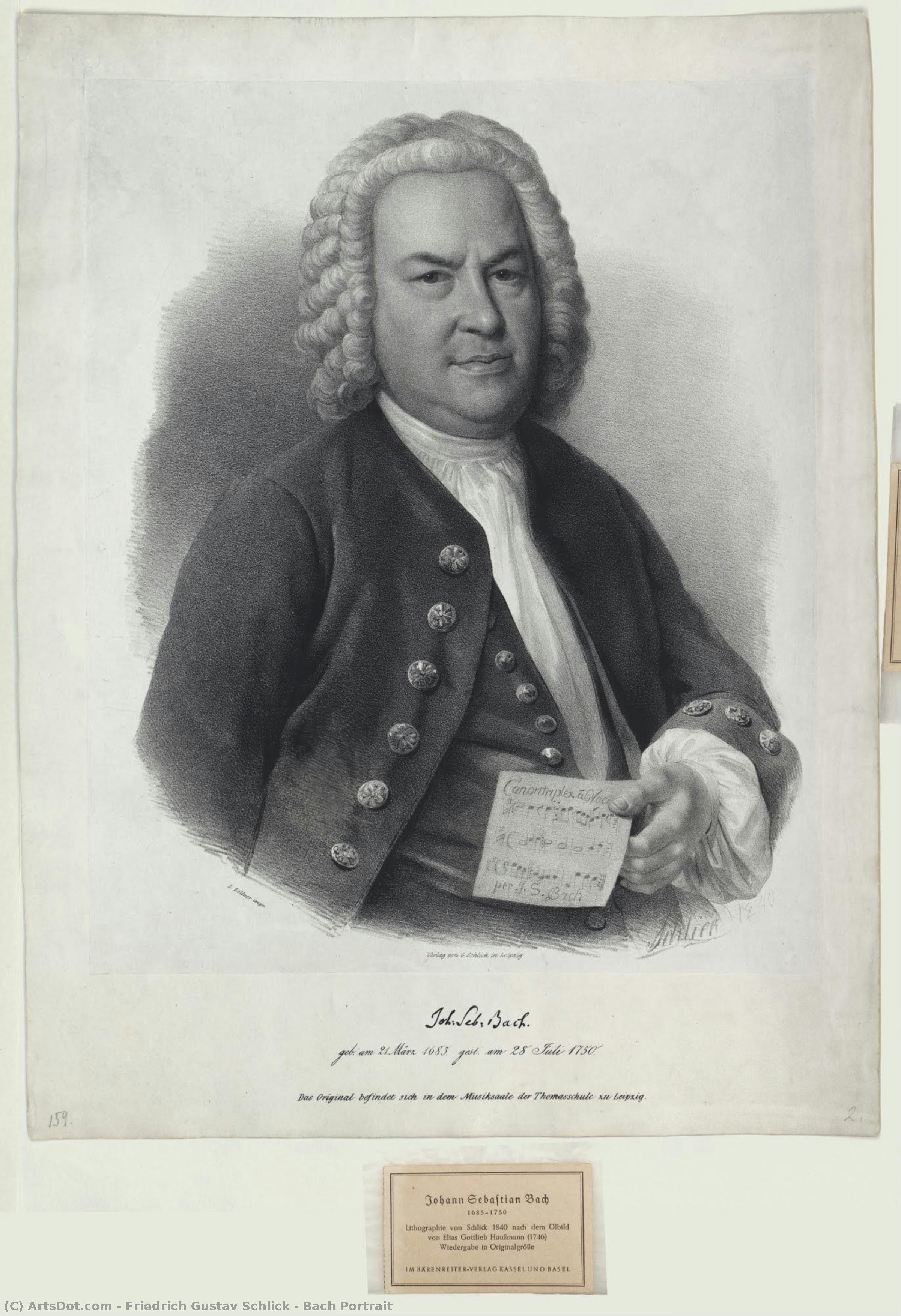
Bach Portrait


 Lire la suite
Acquérez une image numérique haute résolution et optimisée, d'une qualité bien supérieure à l'aperçu en ligne.
Chaque fichier est méticuleusement préparé par nos spécialistes internes à l'aide d'outils avancés et d'une retouche manuelle experte. Nous garantissons que chaque image possède une clarté exceptionnelle, une précision des couleurs irréprochable et un niveau de détail fin.
Le fichier final est livré par e-mail sous 72 heures, optimisé pour une utilisation immédiate dans des contextes professionnels, éditoriaux et d'impression. Il offre la même qualité de confiance que celle utilisée par les plus grands studios de création, éditeurs et galeries.
Image numérique
Téléchargez un fichier haute résolution pour votre usage personnel, l'impression et vos projets créatifs. ( Commander l'impression Commander la reproduction peinte à la main)
Inclus avec chaque commande d'image numérique
Livraison numérique experte, garantie.
En choisissant OriginalUniqueArt.com, vous n'obtenez pas seulement une simple image : vous recevez une œuvre numérique sublimée avec professionnalisme, conçue avec précision et accompagnée d'une garantie de satisfaction. Voici tout ce qui accompagne automatiquement votre commande :

Envoi rapide par e-mail
Votre fichier d'image numérique haute résolution vous sera envoyé par e-mail sous 72 heures après votre commande — prêt à un usage immédiat.

Fichier numérique optimisé par l'IA
Votre œuvre d'art bénéficie d'une optimisation professionnelle grâce à des outils d'IA avancés et une retouche manuelle, garantissant un niveau maximal de détail, de clarté et de fidélité chromatique.

Réexpédition gratuite à vie
Vous avez accidentellement supprimé ou perdu votre fichier ? Pas d'inquiétude — nous vous le renverrons gratuitement, quand vous le souhaitez.

Aucun frais de douane - À jamais
Profitez de votre œuvre d'art instantanément sans frais de douane ni de livraison — les téléchargements numériques sont toujours exonérés de taxes.

Garantie de fidélité des couleurs
Nous garantissons que votre image numérique reproduit les couleurs de l'original aussi fidèlement que possible grâce à des outils professionnels et une gestion rigoureuse des couleurs.

Garantie satisfaction 60 jours
Si vous n'êtes pas satisfait de votre image numérique, nous la retoucherons ou vous rembourserons 100% sous 60 jours — sans poser de questions.

Garantie de remboursement à 100%
Pas satisfait ? Obtenez un remboursement intégral dans les 60 jours suivant la réception de votre fichier numérique — sans aucune question posée.

Remises sur les commandes groupées
Achetez 3 images, économisez 10% - Achetez 5, économisez 15% - Achetez 10+, économisez 20%. Idéal pour les projets créatifs, les galeries et les agences.
Biographie de l'artiste
Early Life and Artistic Training
Friedrich Gustav Schlick (1804 – 6 September 1869) emerged from the artistic milieu of Vienna, Austria-Hungary—a city renowned for its burgeoning Symbolist movement and a tradition of portraiture deeply rooted in classical ideals. Born into a family with connections to the arts, Schlick’s formative years were marked by exposure to influential figures like Gustav Bergmann, whose philosophical explorations profoundly impacted Schlick's intellectual sensibilities. Bergmann’s advocacy for thinkers such as Moritz Schlick, Friedrich Waismann, and Rudolf Carnap—members of the Vienna Circle—established a crucial framework for Schlick’s engagement with epistemology and metaphysics. This intellectual lineage would prove instrumental in shaping his artistic vision. Schlick began his formal artistic training at the Akademie der Bildenden Künste Wien (Vienna Academy of Fine Arts), where he honed his skills under Walther Baumgartner, mastering techniques of oil painting and engraving—skills that would define his oeuvre. His early works demonstrated a meticulous attention to detail and an unwavering commitment to capturing the essence of his subjects with accuracy and grace. Notably influenced by Johann Christian Richter’s style, Schlick embraced a restrained palette and favored compositions that prioritized clarity and balance.The Symbolist Influence and Portraiture Style
Schlick's artistic trajectory took a decisive turn during his encounter with Gustave Moreau—a pivotal figure in the Symbolist movement. Moreau’s immersive studio-home, nestled within Paris, served as a crucible for artistic experimentation and challenged conventional notions of representation. Schlick absorbed Moreau’s ethos of blending mythology and biblical narratives into evocative visual forms, recognizing the power of symbolism to convey deeper meanings beyond mere surface appearances. This influence is palpable in his portraits—particularly those depicting Bach—where he eschewed literal depiction in favor of capturing psychological nuance and conveying spiritual contemplation. Schlick's portraiture style distinguished itself by its remarkable realism combined with subtle expressive gestures. He meticulously studied anatomy and drapery, striving to achieve an unparalleled level of accuracy. However, Schlick’s portraits transcended mere technical virtuosity; they possessed a palpable sense of inner life—a feat accomplished through masterful use of chiaroscuro (light and shadow) and nuanced tonal gradations. His canvases emanated an aura of dignified composure, reflecting the subjects' character and conveying their intellectual pursuits with profound sensitivity.Notable Works and Artistic Achievements
Schlick’s artistic output spanned a considerable period, producing numerous paintings and engravings that cemented his reputation as one of Vienna’s foremost portrait artists. Among his most celebrated achievements is undoubtedly the “Bach Portrait,” housed in Musée national Gustave Moreau—a testament to Schlick's dedication to honoring musical genius through visual art. This iconic depiction captures Bach’s contemplative gaze and conveys a sense of profound spiritual connection, embodying the spirit of Symbolist aesthetics. Furthermore, Schlick undertook commissions for prominent Viennese families, documenting their lineage and capturing their social standing with unwavering precision. His portraits adorned aristocratic residences throughout Austria-Hungary, reflecting the cultural prestige of his time. Beyond portraiture, Schlick explored landscapes and mythological subjects—demonstrating versatility within the Symbolist idiom. He skillfully blended classical compositional principles with imaginative embellishments, creating artworks that captivated audiences with their beauty and intellectual depth.Legacy and Historical Significance
Friedrich Gustav Schlick’s artistic legacy extends beyond his individual masterpieces; he represents a cornerstone of Viennese Biedermeier art—a movement characterized by its emphasis on domestic tranquility and psychological realism. His work stands as an exemplar of Symbolist portraiture, prioritizing inner contemplation alongside meticulous observation. Schlick's influence resonated throughout the Austro-Hungarian Empire and continues to inspire artists today who seek to convey profound emotion through carefully crafted imagery. The Musée national Gustave Moreau—where his “Bach Portrait” resides—serves as a poignant reminder of Schlick’s enduring contribution to European art history, ensuring that his artistic vision persists for generations to come.
friedrich gustav schlick
1804 - 1869 , Germany
En bref
- Artistic Movement Or Style: Romanticism
- Artists Or Movements Influenced By This Artist: Biedermeier
- Artists Who Influenced This Artist: Gustav Bergmann
- Date Of Birth: 1804
- Full Name: Friedrich Gustav Schlick
- Nationality: German
- Notable Artworks: ['Bach Portrait']
- Place Of Birth: Germany

