 Passer au format impression
 Lire la suite







































 Pour les œuvres ou reproductions dont un côté mesure plus de 105 cm (environ 41 pouces), le cadre sera expédié sous forme de kit démonté. Cette méthode garantit une livraison sécurisée et prévient tout dommage pendant le transport.


Frida Kahlo’s *The Broken Column*: A Portrait of Resilience
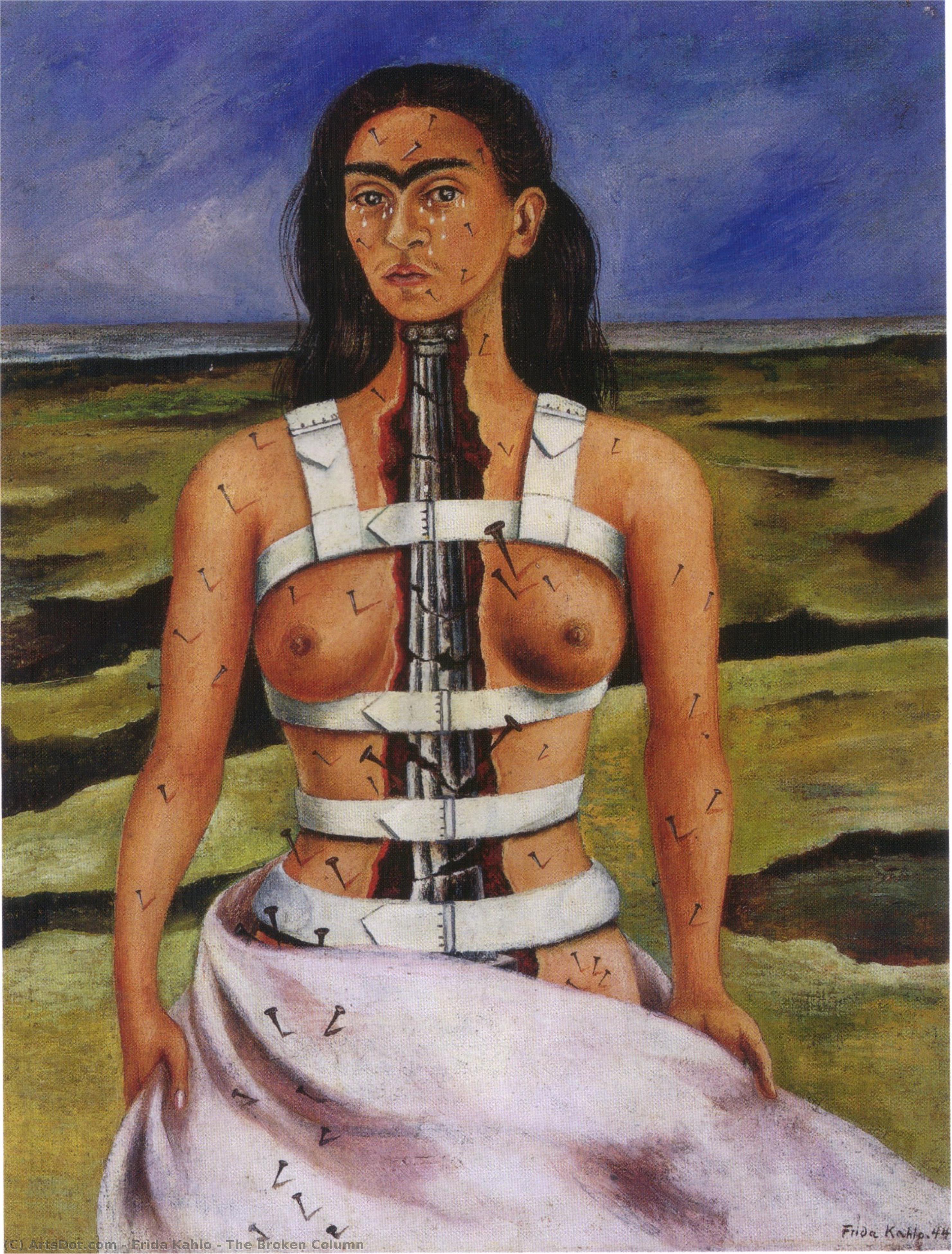
Frida Kahlo's *The Broken Column*, painted in 1944, stands as one of her most poignant explorations of pain and identity—a visual testament to the enduring spirit of a woman grappling with physical trauma and emotional vulnerability. More than just an image, it’s a carefully constructed narrative woven into a deceptively simple composition.
- Subject Matter: The painting depicts a solitary female figure positioned against a stark landscape—a barren expanse mirroring the emptiness of her inner world. Her gaze is unwavering, confronting the viewer with an unsettling serenity amidst profound suffering.
- Style & Technique: Kahlo’s distinctive primitivism shines through in *The Broken Column*. Bold colors—primarily earthy reds and browns—are juxtaposed against muted greens and blues, creating a dramatic contrast that amplifies the emotional intensity of the scene. The artist employs a technique characterized by flattened planes and stylized forms, reminiscent of Mexican folk art traditions.
- Historical Context: Created shortly after Kahlo underwent a grueling spinal surgery following her devastating bus accident in 1925—an event that irrevocably altered her life—the painting reflects the pervasive influence of Surrealism on her artistic vision. Surrealist artists sought to liberate the subconscious mind and explore dreamlike imagery, mirroring Kahlo’s own preoccupation with confronting trauma and transforming it into art.
Symbolism: The central element—a crumbling Ionic column replacing Kahlo's spine—immediately establishes a powerful metaphor for physical fragility and enduring pain. Surrounding the column are nails piercing her torso, arms, and leg—a visceral representation of the surgical interventions she endured to alleviate chronic discomfort. These nails symbolize not only the scars of injury but also the relentless intrusion of pain into every aspect of Kahlo’s existence.
Emotional Impact: *The Broken Column* transcends mere depiction; it communicates a profound sense of resilience and defiance. Despite her physical limitations—embodied by the corset that secures her body—Kahlo maintains an upright posture, conveying unwavering determination. Her gaze directs itself outwards, challenging the viewer to confront their own vulnerabilities and embracing the transformative power of confronting adversity. The painting’s muted palette contributes to its melancholic atmosphere, yet it simultaneously radiates a quiet strength—a reminder that beauty can emerge from suffering.
Location & Significance: *The Broken Column* resides at the Museo Dolores Olmedo in Mexico City—a testament to Kahlo's legacy and her enduring influence on art history. The museum houses an impressive collection of Mexican art, showcasing masterpieces by Diego Rivera and Angelina Beloff alongside Kahlo’s iconic works. Viewing *The Broken Column* offers a glimpse into Kahlo’s artistic process and her profound engagement with themes of pain, identity, and the human condition—a captivating experience for anyone interested in exploring the depths of Surrealist expression.
Questions et réponses
De quelle époque date « La colonne brisée » ?
«La colonne brisée» de Frida Kahlo appartient à la période Époque moderne. Cette classification situe l'œuvre dans l'histoire de l'art.
Qui est l'auteur de "La colonne brisée" ?
« La colonne brisée » a été créé par Frida Kahlo. Les informations présentes sur cette page décrivent l'œuvre originale de Frida Kahlo.
Qui est l'auteur de « La colonne brisée » et en quelle année a-t-elle été créée ?
«La colonne brisée» a été créé par Frida Kahlo en 1944.
 Aperçu en situation
 Envoyer
 Partager
 Détails de l'œuvre
 Guide
Guide

 Télécharger l'image
 Articles similaires
 Radiographie
 Diaporama
 Questions et réponses
 Statistiques