
 Aperçu en situation
 Envoyer
 Partager
 Détails de l'œuvre

 Télécharger
 Articles similaires
 Radiographie
 Diaporama
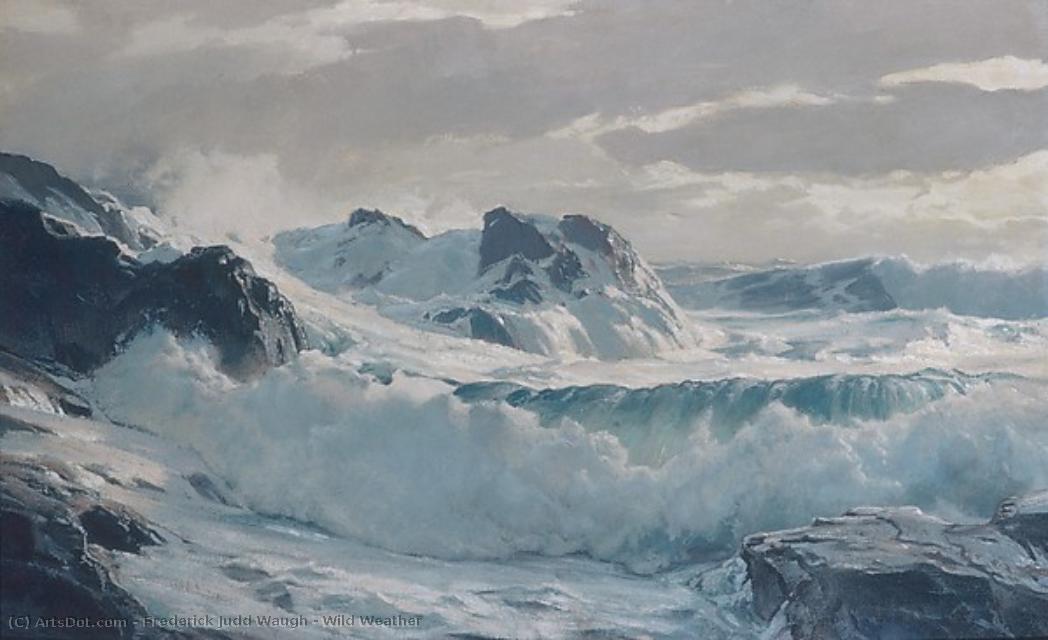
Wild Weather
 Oil On Canvas
- WallArt
- Contemporary Realism
 1930
1930 76.0 x 122.0 cm
 Metropolitan Museum of Art
 Lire la suite
Giclées et impressions d'art
Impressions giclées ou sur toile de qualité musée, avec une production rapide et des finitions au choix. ( Passer à la peinture faite à la main Passer à l'image)




P118B $10

P118H $10

P118W $10

P438Z $10

P508JH $12

P508YH $12

P805H $10

P805Z $10

P919BZ $10

P919G $10

P919XJ $10

P959ZH $10

P968JZ $12

W106C $8

W218G $10

W218JH $8

W218Y $10

W307PJ $10

W316G $10

W316PJ $8

W316Y $10

W398PJ $8

W4111J $10

W500HY $15

W500JH $15

W692G $12

W849H $8

W940BG $15

W953PJ $8




Choisissez parmi nos formats prédéfinis qui respectent les proportions originales de l’œuvre.

Vous pouvez saisir vos propres dimensions pour vous adapter à un cadre ou à un espace spécifique. Si la taille sélectionnée ne correspond pas aux proportions de l'image originale, nous recadrerons l'œuvre ou étendrons l'image avec une bordure en miroir ou une couleur unie. Une maquette numérique vous sera envoyée pour approbation avant le début de la production.
Veuillez noter que l'aperçu à l'écran ne reflète pas le recadrage ou l'extension réelle. Seule la maquette montrera avec précision la composition finale.
Bien que des tailles personnalisées soient disponibles, nous vous recommandons de choisir une dimension dans la liste prédéfinie afin de préserver les proportions originales.
Livraison dans le monde entier () en 2 semaines au lieu des 4/5 semaines habituelles. (11 août)

Livraison express gratuite dans le monde entier

Toile de lin de qualité supérieure

Assurance transport complète

Garantie de remboursement des droits de douane

Garantie de fidélité des couleurs

Politique de retour de 60 jours (uniquement en cas de défaut)

Garantie de remboursement à 100%

Offre de tarifs dégressifs
 L'option verre n'est disponible que pour les dimensions inférieures à 110 cm.

Wild Weather
Giclées et impressions d'art
Format de la reproduction
-


Prix total
$ 80
Description de la pièce
A Tempestuous Vision: Unveiling Frederick Judd Waugh’s “Wild Weather”
Frederick Judd Waugh's "Wild Weather," painted around 1930, isn’t merely a depiction of a seascape; it’s an immersive experience—a visceral rendering of nature’s raw power and the sublime beauty found within its untamed heart. This oil on masonite painting, now residing in the Metropolitan Museum of Art, captures a moment of intense drama, where towering mountains are swallowed by swirling clouds and relentless waves assault jagged rock formations. Waugh, a master of marine art who later contributed significantly to wartime camouflage efforts, here demonstrates a remarkable ability to translate the elemental forces of nature onto canvas with both precision and profound emotional resonance.
The painting’s composition immediately commands attention. The dominant horizontal thrust of the mountain range establishes a sense of scale and solidity, anchoring the scene while simultaneously emphasizing the overwhelming force of the approaching storm. Waugh skillfully employs atmospheric perspective – a technique borrowed from Impressionism – to create depth; distant peaks fade into a hazy blue, suggesting immense distance and reinforcing the feeling of isolation. The dynamic arrangement of clouds, rendered with loose, expressive brushstrokes, creates a sense of perpetual motion, as if the viewer is caught in the eye of the storm themselves. The lower portion of the image, dominated by the churning sea, provides a counterpoint to the stoic strength of the mountains, highlighting the relentless and ultimately unstoppable nature of the elements.
A Palette of Power: Color, Texture, and Technique
Waugh’s color palette is deliberately restrained, relying heavily on cool tones—whites, grays, blues, and muted browns—to evoke a sense of foreboding and drama. The dominant hues are not vibrant or celebratory; instead, they contribute to the painting's somber mood, mirroring the harshness of the weather conditions depicted. However, subtle highlights – particularly on the snow-covered peaks and the crests of the waves – provide moments of visual relief, suggesting a glimmer of light struggling through the storm clouds. The texture is equally compelling; Waugh’s visible brushstrokes create a palpable sense of roughness and movement, mirroring the chaotic energy of the sea. The application of paint varies from broad washes to finer details, adding layers of complexity and depth to the scene.
Technically, “Wild Weather” showcases Waugh's mastery of oil painting. He skillfully employs layering techniques to build up form and create a sense of three-dimensionality, while simultaneously maintaining a loose, expressive style that captures the fleeting nature of the storm. The choice of masonite as the support—a relatively new material at the time—allowed for a smoother surface, facilitating Waugh’s detailed brushwork and contributing to the painting's overall luminosity. The careful blending of colors and the subtle gradations in tone demonstrate his meticulous attention to detail and his ability to capture the nuances of light and shadow.
Symbolism and Emotional Resonance
Beyond its technical brilliance, “Wild Weather” is rich in symbolic meaning. The imposing mountains can be interpreted as representing resilience, strength, and endurance—qualities tested by the relentless assault of nature. The turbulent sea embodies chaos, unpredictability, and the humbling power of the natural world. Together, these elements evoke a sense of awe and respect for the forces that shape our planet. There’s also an underlying feeling of solitude and vulnerability; the viewer is placed within this dramatic landscape, acutely aware of their own insignificance in the face of such overwhelming power.
Waugh's artistic journey—from his early training in realism to his later embrace of Impressionistic techniques—is evident in “Wild Weather.” The painting reflects a shift towards capturing not just the literal appearance of nature, but also its emotional impact. It’s a testament to Waugh’s ability to transform a simple landscape into a profound meditation on the relationship between humanity and the natural world. The work resonates with viewers today, offering a timeless reminder of the beauty and power that can be found in even the most turbulent of times.
A Legacy of Maritime Art
Frederick Judd Waugh’s “Wild Weather” stands as a pivotal work within his oeuvre and a significant example of American marine art during the early 20th century. His innovative approach to depicting the sea, combined with his meticulous attention to detail and his ability to convey profound emotional depth, cemented his place as one of the most celebrated artists of his generation. Reproductions of this powerful painting continue to captivate audiences, offering a glimpse into a world where nature reigns supreme and the human spirit is both humbled and inspired.
Biographie de l'artiste
A Life Immersed in the Sea: The World of Frederick Judd Waugh
Frederick Judd Waugh (1861-1940) stands as a monumental figure in American marine art, recognized for his masterful depictions of turbulent seascapes and breathtaking surf scenes. More than just visual representations, Waugh’s canvases embody an unwavering devotion to capturing the very essence of the ocean—its dramatic shifts in mood, its raw energy, and its sublime beauty. Born in Bordentown, New Jersey, Waugh inherited a creative heritage from his father, Samuel Bell Waugh, a celebrated Philadelphia portrait painter who instilled in him a meticulous attention to detail and a profound appreciation for artistic tradition. This formative influence shaped Waugh’s early training at the Pennsylvania Academy of Fine Arts under Thomas Eakins—a teacher whose commitment to realism would become a cornerstone of Waugh's own artistic approach. Simultaneously, he honed his skills at the Académie Julian in Paris with Adolphe-William Bouguereau, absorbing techniques that emphasized idealized form and luminous color, though Waugh ultimately charted his own distinctive course away from Bouguereau’s stylistic conventions.Early Artistic Development & Parisian Influences
Following his Parisian studies, Waugh established himself as a resident artist on Sark Island in the English Channel—a deliberate choice that profoundly impacted his artistic vision. This idyllic locale served as an unending source of inspiration for his seascapes, allowing him to immerse himself in the rhythms of coastal life and to translate its visual splendor onto canvas. Waugh’s initial works were characterized by a striking realism, meticulously rendered with painstaking attention to anatomical accuracy—a legacy directly attributable to Eakins' teachings. However, he quickly moved beyond mere imitation, integrating elements of Impressionism into his palette and brushstroke technique—a stylistic shift that infused his paintings with a palpable sense of movement and atmosphere. This newfound expressive freedom enabled Waugh to convey not just what he saw but how he *felt* the ocean’s presence, transforming landscapes into immersive experiences for the viewer.The War Effort & The Triumph of Camouflage
A pivotal moment arrived during World War I when Waugh was recruited by the U.S. Navy as a camouflage artist—a role that demanded both technical skill and imaginative vision. Under the guidance of Everett L. Warner, Waugh spearheaded a groundbreaking initiative to protect American warships from enemy torpedo attacks through innovative designs that disrupted visual perception. This undertaking showcased Waugh’s versatility beyond traditional seascape painting; it demonstrated his ability to apply artistic principles to practical military challenges—a feat accomplished by few artists of his time. His meticulous attention to detail and understanding of optical illusions resulted in camouflage patterns that were remarkably effective, bolstering morale among sailors and contributing significantly to the Allied war effort. The recognition he received for this accomplishment solidified Waugh’s reputation as a visionary artist who seamlessly blended artistic creativity with civic duty.Recognition & Legacy: A Master Among Masters
Waugh's unwavering dedication to his craft garnered him unparalleled acclaim—most notably securing the Palmer Memorial Marine Prize of the National Academy of Design five consecutive years running—a distinction unmatched by any other artist during that era. This honor underscored Waugh’s mastery of marine art and cemented his place as one of America’s foremost landscape painters. His canvases continue to resonate with audiences today, captivating viewers with their luminous color palettes, dynamic brushstrokes, and evocative depictions of the sea's grandeur. Beyond his artistic achievements, Waugh left an indelible mark on American cultural history—a testament to the transformative power of art to inspire wonder and convey profound emotional truths. His enduring legacy resides in the countless paintings that bear witness to his unwavering passion for capturing the sublime beauty of the ocean—a legacy destined to inspire generations of artists to come.
Frederick Judd Waugh
1861 - 1940 , United States of America
L'essentiel de l'artiste
- Artistic Movement Or Style: Marine art, Impressionisme
- Artists Who Influenced This Artist:
- Thomas Eakins
- Adolphe-William Bouguereau
- Date Of Birth: 1861
- Date Of Death: 1940
- Full Name: Frederick Judd Waugh
- Nationality: Américain
- Notable Artworks:
- Sark
- Sixty Fathoms
- L’arrivée du bateau
- Place Of Birth: Bordentown, USA
Articles connexes
Henry Thomas Dawson: Navigating Light, Sea & Sentiment in Victorian Marine Painting
Explore the captivating world of Henry Thomas Dawson (1811-1878), a master of Victorian marine painting. Discover his evocative coastal scenes, landscapes & lasting artistic legacy. Learn about collecting Dawson's work and find reproductions at OriginalUniqueArt.
Top 10 Chefs-d'œuvre à l'Huile : L'Art qui a Révolutionné le Décor Intérieur
Plongez dans l'histoire de 10 chefs-d'œuvre à l'huile qui ont révolutionné l'art : Monet, Van Gogh, Rembrandt et plus. Découvrez les techniques, les émotions et trouvez l'inspiration déco sur ! Explorez la collection.
Ivan Aivazovsky: Mastering Light & Emotion in 19th-Century Marine Painting
Explore the captivating world of Ivan Aivazovsky, a master of 19th-century marine painting. Discover his techniques, iconic artworks & lasting legacy in this expert guide.

Ludolf Backhuysen I: Master of Dutch Marine Painting & Atmospheric Realism
Explore the captivating world of Ludolf Backhuysen I, a master of Dutch marine painting. Discover his signature realism, atmospheric seascapes & lasting influence on art history. Learn about collecting and appreciating this Golden Age artist.
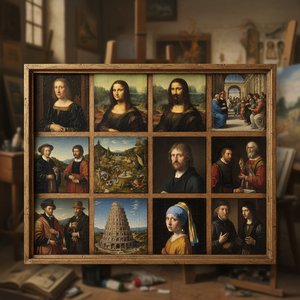
Les 10 Chefs-d'œuvre à l'Huile sur Panneau qui ont Révolutionné l'Art |
Plongez dans l'histoire des 10 chefs-d'œuvre à l'huile sur panneau qui ont marqué l'art pour toujours. Découvrez Jan van Eyck, Botticelli et les maîtres flamands. Inspirez votre décoration intérieure avec – reproductions d'art de qualité musée.

