 Aperçu en situation
 Envoyer
 Partager
 Détails de l'œuvre

 Télécharger
 Articles similaires
 Radiographie
 Diaporama
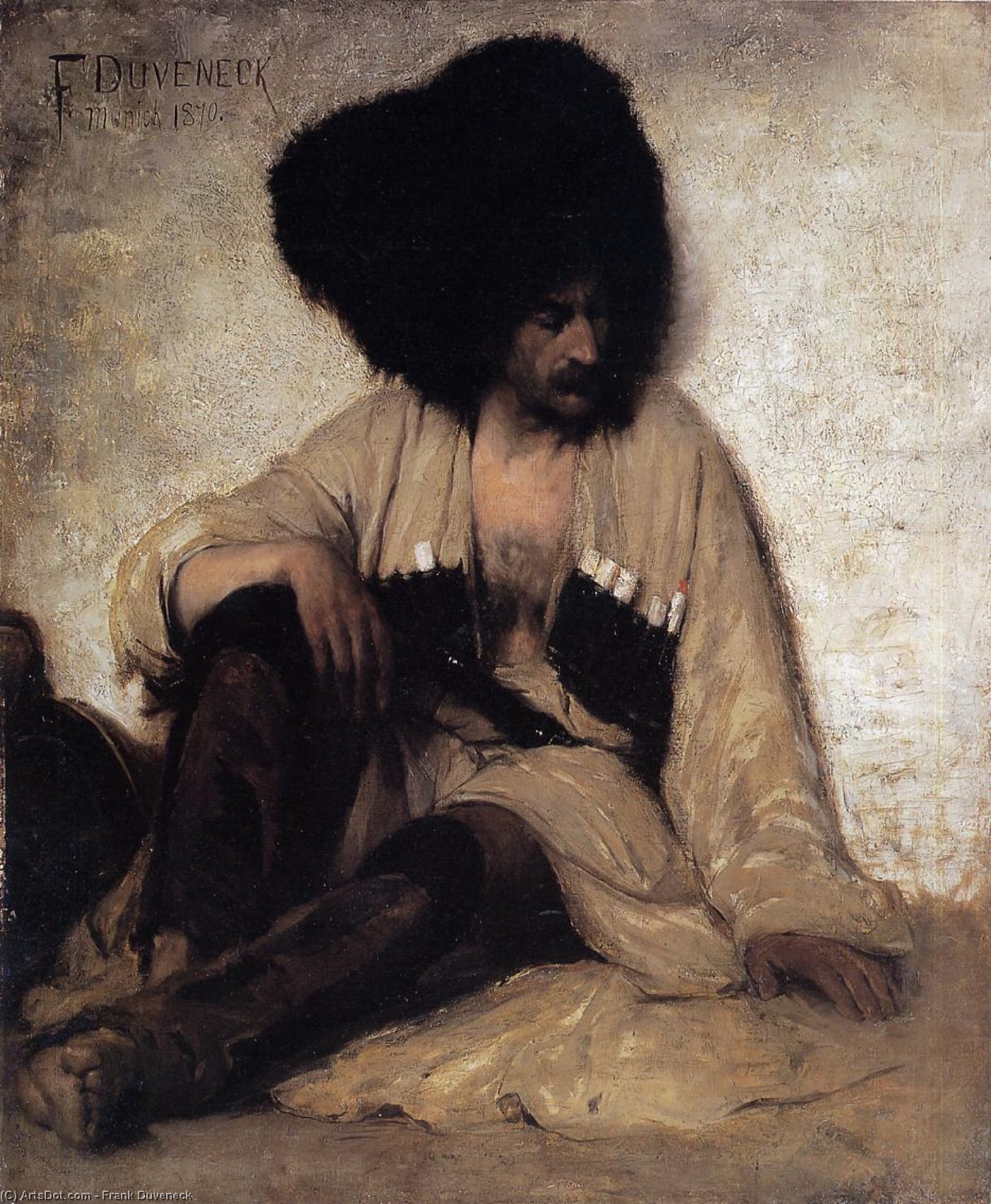
Caucasian Soldier


 Lire la suite
Reproduction à l'huile faite à la main
Huile sur toile peinte à la main, avec cadre et dimensions personnalisés, réalisée sur commande par nos artistes. ( Commander l'impression Télécharger l'image haute résolution)




P118B $10

P118H $10

P118W $10

P438Z $10

P508JH $12

P508YH $12

P805H $10

P805Z $10

P919BZ $10

P919G $10

P919XJ $10

P959ZH $10

P968JZ $12

W106C $8

W218G $10

W218JH $8

W218Y $10

W307PJ $10

W316G $10

W316PJ $8

W316Y $10

W398PJ $8

W4111J $10

W500HY $15

W500JH $15

W692G $12

W849H $8

W940BG $15

W953PJ $8




Choisissez parmi nos formats prédéfinis qui respectent les proportions originales de l’œuvre.

Vous pouvez saisir vos propres dimensions pour l'adapter à un cadre ou à un espace spécifique. Si la taille sélectionnée ne correspond pas aux proportions de l'image d'origine, nous recadrerons l'œuvre ou prolongerons la peinture avec des éléments peints à la main supplémentaires. Une maquette numérique vous sera envoyée pour approbation avant le début de la production.
Veuillez noter que l'aperçu à l'écran ne reflète pas le recadrage ou l'extension réels. Seule la maquette montrera fidèlement la composition finale.
Bien que des tailles personnalisées soient disponibles, nous vous recommandons de sélectionner une dimension dans la liste prédéfinie afin de préserver les proportions d'origine.
Après la commande, l’équipe OriginalUniqueArt.com contactera le client par e-mail pour recueillir ses instructions et lui fournira une maquette d’aperçu
Livraison dans le monde entier () en 3 à 4 semaines au lieu des 5 semaines habituelles. (21 août). Aucun compromis sur la qualité.

Livraison express gratuite dans le monde entier

Toile de lin de qualité supérieure

Assurance transport complète

Garantie de remboursement des droits de douane

Garantie de fidélité des couleurs

Politique de retour de 60 jours (uniquement en cas de défaut)

Garantie de remboursement à 100%

Offre de tarifs dégressifs
 L'option verre n'est disponible que pour les dimensions inférieures à 110 cm.

Caucasian Soldier
Technique de reproduction
Format de la reproduction
-


Prix total
$ 300
Description de l'œuvre
A Soulful Portrait: Frank Duveneck’s “Caucasian Soldier”
Frank Duveneck's "Caucasian Soldier," painted in 1870, is more than just a portrait; it’s a poignant distillation of hardship, resilience, and the quiet dignity of an individual caught within the currents of history. This arresting image, rendered in a style deeply rooted in the academic tradition yet imbued with a strikingly modern sensibility, invites us to contemplate themes of displacement, identity, and the weight of experience. The painting immediately draws the eye to its subject – a man of imposing stature, dominated by a magnificent, almost defiant afro that speaks volumes about his heritage and inner strength. His expression is one of profound melancholy, a subtle sadness that hints at untold stories and burdens carried with quiet grace.
Duveneck’s technique is masterful in its restraint and detail. He employs a realistic approach reminiscent of the 19th-century academic style, characterized by meticulously rendered features and a subdued color palette. Yet, he avoids mere imitation, injecting a palpable sense of immediacy into the scene. The artist's brushstrokes are visible, lending texture to the fabric of his clothing and the contours of his face – a deliberate choice that emphasizes the physicality of the subject and imbues the painting with a tactile quality. Notice how light is used—softly diffused, it casts gentle shadows that sculpt the man’s features, adding depth and volume without resorting to dramatic contrasts. The background, deliberately blurred and indistinct, serves not as a distraction but rather as a framing device, intensifying our focus on the solitary figure at the heart of the composition.
The Context of Conflict: A Soldier's Story
“Caucasian Soldier” emerged during a turbulent period in Russian history – the protracted Caucasian War (1834-1859). This conflict pitted the Russian Empire against various Caucasian peoples, including Chechens, Circassians, and Dagestanis, who fiercely resisted subjugation. The painting captures a moment of quiet contemplation amidst this ongoing struggle, offering a glimpse into the lives of those caught in the crossfire of imperial ambition. The subject himself is likely a soldier – perhaps a Circassian or another ethnic group involved in the conflict – conveying a sense of displacement and vulnerability. It’s important to note that Duveneck's work frequently engaged with themes of marginalization and social injustice, reflecting the realities faced by many individuals during this era.
Further research reveals that Frank Duveneck was deeply affected by his own family history, particularly the death of his father at a young age. This early loss undoubtedly shaped his artistic vision, fostering a sensitivity to human suffering and a desire to capture the complexities of the human condition. The painting’s somber mood and introspective gaze can be interpreted as an echo of this personal experience, lending it a profound emotional resonance.
Symbolism and Emotional Impact
The symbolism within “Caucasian Soldier” is layered and evocative. The man's posture—slumped slightly, his head bowed—suggests weariness, resignation, or perhaps even grief. His afro, a striking feature that defies conventional notions of beauty in the context of the time, can be seen as a symbol of cultural pride, resilience, and resistance against imposed norms. It’s a powerful visual statement asserting identity amidst adversity. The muted color palette—dominated by browns, grays, and ochres—reinforces the painting's mood of melancholy and quiet contemplation.
Ultimately, “Caucasian Soldier” is a deeply moving work that transcends its historical context to speak to universal themes of loss, displacement, and the enduring strength of the human spirit. It’s a testament to Duveneck’s artistic skill and his ability to capture not just likeness but also emotion—a rare and valuable achievement.
A Legacy in Oil: Reproduction & Appreciation
Reproductions of “Caucasian Soldier” offer an accessible way to experience the power and beauty of this remarkable painting. OriginalUniqueArt.com provides high-quality reproductions that faithfully capture Duveneck’s masterful technique and evocative imagery. Consider a custom print on canvas or archival paper – a tangible connection to a pivotal moment in art history and a poignant reflection on the human condition. The original, created with oil paints on canvas, showcases a rich layering of paint, creating texture and depth that is beautifully replicated in modern reproductions.
Explore the full artwork details at http://www.davidrumsey.com/amica/ for a deeper dive into its history, provenance, and artistic significance. Don’t miss the opportunity to own a piece of art that speaks volumes about resilience, identity, and the enduring power of human emotion.
Biographie de l'artiste
Premières années et formation
Frank duveneck, figure marquante de la scène artistique américaine, est né le 9 octobre 1848 à Covington, dans le Kentucky. Son père, Bernhard Decker, un immigrant allemand, est décédé alors que Frank n'avait qu'un an, et sa mère a ensuite épousé Joseph duveneck. Cet héritage influencerait considérablement le style artistique de Duveneck. Dès l’âge de 15 ans, Duveneck a commencé à étudier l’art sous la tutelle de Johann Schmitt, un peintre local, et a été placé comme apprenti dans une entreprise allemande de décoration d'églises. Cette première exposition a jeté les bases de son succès futur.Évolution artistique et œuvres notables
En 1869, Duveneck s’est rendu à Munich pour étudier avec Wilhelm von Diez et Wilhelm Leibl à la Royale Académie de Munich. Cette période a marqué un tournant décisif dans son style, embrassant une approche sombre, réaliste et directe de la peinture. Parmi les œuvres les plus célébrées de Duveneck figurent :- Lady with Fan (1873), qui témoigne de son endettement envers la palette sombre et les coups de pinceau tranchants de Frans Hals.
- Le garçon qui siffle (1872), un autre exemple de son style précoce et expressif.
- L’apprenti cordonnier (1877), peinture à l'huile sur toile, actuellement au Taft Museum of Art de Cincinnati, dans l'Ohio.
Enseignement et héritage
En 1878, Duveneck a ouvert une école à Munich puis plus tard à Polling, en Bavière. Ses élèves, connus sous le nom de « garçons duveneck », comprenaient John Twachtman, Otto Bacher, Julius Rolshoven et John White Alexander. Après son retour en Amérique, Duveneck a enseigné à l'Art Academy de Cincinnati. Parmi ses élèves notables figuraient Ida Holterhoff Holloway, John Christen Johansen, M. Jean McLane, Edward Charles Volkert, Russel Wright, Charles Mills et Herman et Bessie Wessel.Vie ultérieure et décès
Duveneck est décédé le 3 janvier 1919 à Covington, dans le Kentucky. Son œuvre peut être trouvée dans divers musées, dont le Metropolitan Museum of Art de New York, la National Gallery of Art de Washington, D.C., et le Cincinnati Art Museum.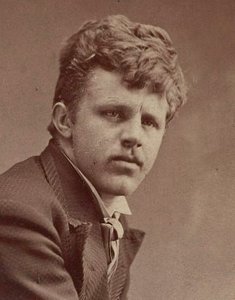
Frank Duveneck
1848 - 1919 , États-Unis d'Amérique
L'essentiel de l'artiste
- Artistes Influents:
- Frans Hals
- Gustave Courbet
- Date De Décès: 3 janvier 1919
- Date De Naissance: 9 octobre 1848
- Influence Sur Les Artistes:
- John Twachtman
- Otto Bacher
- Lieu De Naissance: Covington, États-Unis
- Mouvement Artistique: Réalisme américain
- Nationalité: Américaine
- Nom Complet: Frank Duveneck
- Oeuvres Notables:
- Lady with Fan (1873)
- The Whistling Boy (1872)
- The Cobbler's Apprentice (1877)
Articles connexes

The Enduring Legacy of Oil on Canvas: Technique, History & Aesthetic Impact
Explore the rich history & techniques of oil painting – from Renaissance masters to Impressionism. Discover pigments, layering methods, and why this timeless medium endures. Expert insights for artists & art enthusiasts.

L'Huile sur Toile : Exploration Historique et Technique d'un Médium Artistique Intemporel
Explorez l'histoire fascinante de la peinture à l'huile, des techniques ancestrales aux maîtres flamands comme Van Eyck. Découvrez les secrets des pigments, liants et glacis pour comprendre cet art intemporel.

The Enduring Power of Painting: A Historical & Contemporary Exploration of Form and Emotion
Explore the rich history & enduring techniques of oil painting with OriginalUniqueArt. Discover masterpieces, learn about art collecting, and find authentic handmade reproductions crafted by skilled artists.

Les 10 Chefs-d'œuvre du XIXe Siècle : Artistes et Décor Intemporels
Plongez au cœur du XIXe siècle avec les 10 œuvres incontournables de Manet, Monet et Renoir. Découvrez l'histoire, les techniques et l'émotion derrière ces chefs-d'œuvre impressionnistes et réalistes. Trouvez votre reproduction idéale sur OriginalUniqueArt.com !
The Timeless Charm of Oil on Board: Reimagining Texture and Light through the Impressionist Lens
Discover the profound intimacy of oil on panel. Explore how Impressionist masters used rigid supports to capture light, texture, and impasto depth through exquisite, handmade oil reproductions for discerning collectors.