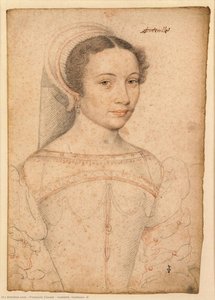
Aperçu en situation
 Envoyer
 Partager
 Détails de l'œuvre
 Guide
Guide

 Télécharger l'image
 Articles similaires
 Radiographie
 Diaporama
 Questions et réponses
 Statistiques
The Love Letter


 Lire la suite
Giclées et impressions d'art
Impressions giclées ou sur toile de qualité musée, avec une production rapide et des finitions au choix. ( Commander la reproduction peinte à la main Passer au format numérique)




P118B €10

P118H €10

P118W €10

P438Z €10

P508JH €12

P508YH €12

P805H €10

P805Z €10

P919BZ €10

P919G €10

P919XJ €10

P959ZH €10

P968JZ €12

W106C €8

W218G €10

W218JH €8

W218Y €10

W307PJ €10

W316G €10

W316PJ €8

W316Y €10

W398PJ €8

W4111J €10

W500HY €15

W500JH €15

W692G €12

W849H €8

W940BG €15

W953PJ €8




Choisissez parmi nos formats prédéfinis qui respectent les proportions originales de l’œuvre.

Saisissez la largeur et la hauteur souhaitées pour qu'elles s'adaptent à votre cadre ou à votre mur. Une impression peut être recadrée, mais jamais agrandie au-delà de l'image originale ; ainsi, un format de forme différente entraînera la perte d'une partie de l'image. Nous vous envoyons une maquette numérique pour approbation avant toute impression. L'image présentée sur cette page ne montre pas le recadrage réel — seule la maquette le permet.
Livraison dans le monde entier () en 2 semaines au lieu des 4/5 semaines habituelles. (5 novembre)

Livraison express gratuite dans le monde entier

Toile de lin de qualité supérieure

Assurance transport complète

Garantie de remboursement des droits de douane

Garantie de fidélité des couleurs

Politique de retour de 100 jours (uniquement en cas de défaut)

Garantie de remboursement à 100%

Offre de tarifs dégressifs
 L'option verre n'est disponible que pour les dimensions inférieures à 110 cm.

The Love Letter
Giclées et impressions d'art
Format de la reproduction
-


Prix total
€ 72
A Renaissance Dialogue of Desire and Virtue
In the quiet, shadowed corridors of the French Renaissance, few works capture the delicate tension between public propriety and private longing as poignantly as François Clouet’s "The Love Letter." Executed around 1570, this oil on panel masterpiece serves as a profound window into the psychological complexities of the sixteenth century. The painting does not merely present a scene; it orchestrates a silent drama. At its heart lies a young woman, draped in luxurious, shimmering fabrics that catch the light with a tactile brilliance, embodying a breathtaking synthesis of beauty and vulnerability. She is caught in a pivotal moment of transition, where the written word becomes a bridge between the known world and the hidden depths of the heart.
The composition is masterfully structured in a triangular arrangement, a classical technique that directs the viewer’s gaze upward toward the central figure, ensuring her emotional state remains the focal point. Flanking this ethereal woman are two figures who ground the scene in human experience: an older procuress on the left, whose weathered features suggest a lifetime of shrewd observation and worldly wisdom, and a lover on the right, whose intense, admiring gaze reflects the raw, unbridled passion of youth. This grouping creates a dynamic energy, a triangular dance of characters that explores the intersection of experience, desire, and the societal structures that govern them.
The Artistry of Light and Texture
Clouet’s technical prowess is on full display through his innovative use of chiaroscuro. By employing dramatic light sources that illuminate the central figures while allowing the background to recede into an undefined, dark void, he achieves a palpable sense of three-dimensional volume. This technique, reminiscent of the great masters of the Fontainebleau School, lends the skin tones a luminous quality and gives the heavy folds of the drapery a sculptural weight. For the discerning collector or interior designer, this interplay of light and shadow offers an unparalleled depth that can transform the atmosphere of any room, providing a sophisticated focal point that commands attention through subtlety rather than noise.
Beyond the play of light, the painting is a triumph of meticulous detail. Clouet’s ability to render diverse textures—the crispness of the parchment, the soft sheen of silk, and the intricate patterns of the man's doublet—demonstrates the Flemish naturalism he inherited from his lineage. Every brushstroke serves to heighten the sensory experience of the viewer, making the tactile reality of the scene almost palpable. This level of detail ensures that a high-quality reproduction remains a captivating subject for close study, revealing new nuances of craftsmanship with every glance.
Symbolism and Emotional Resonance
Every element within "The Love Letter" is imbued with symbolic weight. The letter itself, held aloft by the procuress, acts as more than just a prop; it is a conduit for unspoken anxieties and secret hopes. It represents the power of communication to both reveal truth and create tension within the confines of societal expectations. The contrast between the older man’s experience and the younger man’s ardent admiration invites the viewer to contemplate the cyclical nature of human emotion—the movement from the heat of passion to the calculated wisdom of age.
For those seeking to adorn a space with art that speaks to the soul, this work offers an enduring emotional impact. It is a painting of intimacy and intrigue, perfect for creating a sophisticated, contemplative environment. Whether placed in a grand library or a contemporary living space, Clouet’s masterpiece brings with it a sense of historical gravity and a timeless exploration of the human condition, making it an exquisite choice for anyone looking to invest in art that transcends mere decoration to become a true narrative centerpiece.
Questions et réponses
Est-il possible de télécharger l'image de « The Love Letter » ?
L'image de «The Love Letter» de François Clouet peut être téléchargée sur la page de téléchargement de l'œuvre : Téléchargement (téléchargement d'une image numérique haute résolution).
Que représente "The Love Letter" et quelle atmosphère s'en dégage ?
«The Love Letter» de François Clouet allie portraiture, love letter, renaissance, symbolism, courtly romance, male figure, female figure, intimacy à une atmosphère Romantic.
À qui offrir «The Love Letter» de François Clouet ?
«The Love Letter» de François Clouet est recommandé comme cadeau pour Valentine's Day, particulièrement pour Accent. Une reproduction de l'œuvre peut être offerte en cadeau.
Biographie de l'artiste
François Clouet : Un Maître du Portrait de la Renaissance Française
- Né: Tours, France (c. 1510)
- Décédé: 1572
François Clouet est une figure essentielle de la Renaissance française, reconnu comme miniaturiste et peintre célébré pour ses portraits détaillés de la famille royale française. Né vers 1510 à Tours, il hérite d'un héritage de son père, Jean Clouet, également un peintre important à la cour. Le parcours artistique de François reflète un mélange d’influences flamandes et italiennes, contribuant significativement à l’évolution du portrait en France.
Jeunesse et Formation Artistique
La vie précoce de François Clouet reste quelque peu obscure, mais il est évident qu'il a suivi les traces de son père. Un document clé daté de décembre 1541 révèle que François a hérité du patrimoine de son père et a continué sa pratique artistique sous le surnom familier de 'Janet', un sobriquet partagé par le père et le fils, ce qui a parfois causé confusion quant à l'attribution des œuvres.
- Héritage Familial: Jean Clouet, son père, était originaire des Pays-Bas méridionaux et a apporté les traditions naturalistes flamandes à la cour française.
- Apprentissage: François a reçu sa formation initiale sous la direction de son père, absorbant les techniques et les approches stylistiques qui allaient façonner son propre développement artistique.
- Influences Précoces: Le lien familial avec Léonard de Vinci grâce au séjour de Jean Clouet à Amboise a exposé François aux idéaux de la Renaissance italienne et aux innovations artistiques.
Œuvre Principale et Style Artistique
L'œuvre de François Clouet se caractérise par un souci du détail méticuleux, un dessin précis et un sens raffiné de l’élégance. Ses portraits capturent non seulement la ressemblance de ses sujets, mais aussi leur personnalité et leur statut social avec une remarquable exactitude.
- Portraits de François Ier: Plusieurs œuvres notables dépeignent François Ier, notamment celles conservées à la Galerie des Offices et au Musée du Louvre. Ces portraits exemplifient la capacité de Clouet à transmettre l’autorité royale et la sophistication.
- Catherine de Médicis: Il a probablement peint des portraits de Catherine de Médicis à Versailles, contribuant à un témoignage visuel de la cour française pendant son règne influent.
- Marie, Reine d'Écosse: Un dessin au crayon de Marie, Reine d’Écosse, conservé à la Bibliothèque nationale, est l’une de ses œuvres les plus remarquables, témoignant de sa capacité à capturer des traits délicats et à transmettre une profondeur émotionnelle.
- Autres Portraits Notables: Son œuvre comprend des portraits d'Elisabeth d'Autriche (Louvre), Marguerite de France (Chantilly) et Charles IX (Château de Chantilly).
Le style de Clouet se caractérise par :
- Détail Élaboré: Une attention méticuleuse aux détails dans les vêtements, les bijoux et les traits du visage.
- Dessin Précis: Rendu anatomique précis et utilisation habile de la ligne pour définir la forme.
- Exhaustivité Exquise: Portraits qui transmettent un sentiment d'ensemble et de personnalité.
Signification Historique et Héritage
Les contributions de François Clouet à l’art de la Renaissance française sont significatives pour plusieurs raisons. Il a contribué à établir le portrait comme genre important en France, élevant ainsi le statut de l'artiste et fournissant des témoignages visuels inestimables de la cour royale.
- Transition du Moyen Âge à la Renaissance: Clouet a comblé le fossé entre les styles artistiques médiévaux traditionnels et les idéaux renaissants émergents, intégrant le naturalisme et les principes humanistes dans son travail.
- Peintre de Cour Extraordinaire: En tant que peintre de cour pour plusieurs monarques français (François Ier, Henri II, François II, Charles IX), il a documenté la vie et l'apparence de figures clés de l'histoire française.
- Influence sur les Artistes Ultérieurs: Son style méticuleux et son souci du détail ont influencé les générations ultérieures de portraitistes français.
François Clouet est décédé le 22 décembre 1572, peu après la Saint-Barthélémy. Son testament donne un aperçu de sa vie personnelle et de sa situation financière, consolidant ainsi sa place en tant que figure importante à la fois dans l'histoire de l'art et dans la société française.
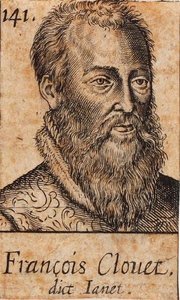
François Clouet
1510 - 1572 , France
L'essentiel de l'artiste
- Artistes Influents: ['Léonard de Vinci']
- Date De Décès: 1572
- Date De Naissance: c. 1510
- Lieu De Naissance: Tours, France
- Mouvement Artistique: Renaissance française
- Nationalité: Française
- Nom Complet: François Clouet
- Oeuvres Notables:
- François I à Florence
- Portrait de Marie Stuart
- Élisabeth d'Autriche
- Marguerite de France
- Le Lettre d'amour
- Henri III (1551–1589)
Articles connexes

Charles-André van Loo: A Study in Rococo Portraiture & the French Court's Artistic Dynamics
Explore the elegant world of Charles-André van Loo, a master of Rococo portraiture at the French court. Discover his life, techniques, and enduring influence on 18th-century art. Hand-painted reproductions available.
François Boucher: Rococo Master of Myth, Sensuality, and the French Court
Explore the captivating world of François Boucher, master of Rococo painting! Discover his iconic works, aristocratic patronage, and lasting influence on French art history. Learn more at OriginalUniqueArt.
The Enduring Motif of Love in Art History: A Cross-Cultural Exploration of Representation and Emotion
Explore the rich history of love in art! Discover iconic masterpieces, artistic techniques & cultural symbolism from antiquity to modern times. Expert analysis for collectors.

L'Héritage Durable du Portrait Formel : Pouvoir, Identité et Exploration Artistique
Explorez l'histoire fascinante du portrait formel : pouvoir, identité et techniques artistiques maîtrisées. Découvrez Velázquez, Rubens et les secrets de la collection d'art avec OriginalUniqueArt.

François Flameng: Bridging Academic Tradition & Impressionistic Sensibility
Explore the captivating works of François Flameng, a celebrated French painter bridging academic tradition & Impressionistic sensibilities. Discover his portraits, landscapes, and poignant WWI art with insights from OriginalUniqueArt.