
 Aperçu en situation
 Envoyer
 Partager
 Détails de l'œuvre
 Guide
Guide

 Télécharger l'image
 Articles similaires
 Radiographie
 Diaporama
 Q&A
Q&A Statistiques
La Modiste (Le Matin)

- 64.0 x 53.0 cm


 Lire la suite
Giclées et impressions d'art
Impressions giclées ou sur toile de qualité musée, avec une production rapide et des finitions au choix. ( Commander la reproduction peinte à la main Passer au format numérique)




P118B €10

P118H €10

P118W €10

P438Z €10

P508JH €12

P508YH €12

P805H €10

P805Z €10

P919BZ €10

P919G €10

P919XJ €10

P959ZH €10

P968JZ €12

W106C €8

W218G €10

W218JH €8

W218Y €10

W307PJ €10

W316G €10

W316PJ €8

W316Y €10

W398PJ €8

W4111J €10

W500HY €15

W500JH €15

W692G €12

W849H €8

W940BG €15

W953PJ €8




Choisissez parmi nos formats prédéfinis qui respectent les proportions originales de l’œuvre.

Saisissez la largeur et la hauteur souhaitées pour qu'elles s'adaptent à votre cadre ou à votre mur. Une impression peut être recadrée, mais jamais agrandie au-delà de l'image originale ; ainsi, un format de forme différente entraînera la perte d'une partie de l'image. Nous vous envoyons une maquette numérique pour approbation avant toute impression. L'image présentée sur cette page ne montre pas le recadrage réel — seule la maquette le permet.
Livraison dans le monde entier () en 2 semaines au lieu des 4/5 semaines habituelles. (3 novembre)

Livraison express gratuite dans le monde entier

Toile de lin de qualité supérieure

Assurance transport complète

Garantie de remboursement des droits de douane

Garantie de fidélité des couleurs

Politique de retour de 100 jours (uniquement en cas de défaut)

Garantie de remboursement à 100%

Offre de tarifs dégressifs
 L'option verre n'est disponible que pour les dimensions inférieures à 110 cm.

La Modiste (Le Matin)
Giclées et impressions d'art
Format de la reproduction
-


Prix total
€ 71
A Glimpse of Parisian Elegance: François Boucher’s “The Milliner”
François Boucher's "The Milliner (The Morning)," painted in 1746, isn’t merely a portrait; it’s a meticulously crafted tableau vivant—a frozen moment of refined social interaction within the opulent heart of 18th-century Paris. Housed today at the Nationalmuseum in Stockholm, this oil on canvas offers a captivating window into the world of fashion, patronage, and the subtle power dynamics of the French court. The painting immediately draws the eye with its soft, diffused light, characteristic of Boucher’s signature style, which evokes an atmosphere of gentle intimacy rather than stark realism.
At first glance, the scene appears deceptively simple: a young milliner, poised and elegant in her morning attire, attends to a client seated before her. However, a closer examination reveals layers of carefully constructed symbolism and social commentary. The woman’s elaborate peignoir—a luxurious silk robe draped across her shoulders—immediately signals wealth and status. Her delicate hands, adorned with rings, suggest both refinement and a certain degree of control over her appearance and, perhaps, her life. The client, seated comfortably in a chair, is absorbed in conversation, his posture relaxed yet attentive, indicating a transaction of value – the exchange of beauty and adornment for coin.
The Rococo World: Boucher’s Artistic Language
Boucher was a pivotal figure in the flourishing Rococo movement, an artistic style that prioritized grace, elegance, and sensual pleasure. Unlike the grand narratives of the Baroque period, Rococo embraced intimacy, playful asymmetry, and a celebration of beauty in its most delicate forms. “The Milliner” exemplifies these principles perfectly. The composition is deliberately balanced, yet not rigidly symmetrical; the figures are rendered with soft contours and luminous colors, creating an atmosphere of dreamy serenity. Boucher’s masterful use of light and shadow—a technique known as *chiaroscuro*—adds depth and drama to the scene, highlighting key elements and guiding the viewer's eye.
The background, subtly rendered with a glimpse of a window and a hint of a table setting, serves primarily to frame the central figures. Notice the carefully chosen details: the powder puff resting on the milliner’s hand, a symbol of vanity and beauty; the colorful bows scattered around the client's chair, representing the fashionable accessories that defined the era. These seemingly minor elements contribute significantly to the painting’s overall sense of luxury and refinement.
A Commissioned Portrait: Patronage and Power
“The Milliner” was commissioned by Count Carl Gustaf Tessin, the Swedish ambassador to France, for Crown Princess Lovisa Ulrika. This fact is crucial to understanding the painting's context. Royal commissions were not simply about acquiring beautiful art; they were strategic tools used to solidify diplomatic relationships and project an image of power and sophistication. Boucher’s skill in capturing the nuances of social interaction—the subtle gestures, the carefully chosen attire—was highly valued by the court.
The painting's subject matter itself – a milliner attending her client – was deliberately chosen to reflect the importance of fashion and beauty within the French aristocracy. Milliners were considered skilled artisans who played a vital role in shaping the appearance of the elite, and their profession was associated with wealth, status, and artistic talent. Boucher’s depiction of the milliner as a poised and elegant figure underscores her position as a respected member of society.
Symbolism and Emotional Resonance
Beyond its surface details, “The Milliner” resonates with deeper symbolic meanings. The painting can be interpreted as an allegory of social exchange—a delicate dance between wealth, beauty, and power. The milliner’s attentive gaze suggests a careful negotiation of desires and expectations, while the client's relaxed posture indicates a willingness to indulge in the pleasures of fashion.
Ultimately, Boucher’s masterpiece is more than just a portrait; it’s a captivating glimpse into the world of 18th-century Parisian society—a world defined by elegance, luxury, and the subtle art of social maneuvering. Its enduring appeal lies in its ability to evoke a sense of timeless beauty and intrigue, inviting viewers to contemplate the complexities of human interaction and the power of visual representation.
Questions et réponses
Comment «La Modiste (Le Matin)» de François Boucher lie-t-il Rococo au pays d'origine de l'artiste ?
L'œuvre Rococo « La Modiste (Le Matin) » a été réalisée par un artiste né en France.
Quelle taille de reproduction est suggérée pour «La Modiste (Le Matin)» de François Boucher ?
La taille d'impression recommandée pour «La Modiste (Le Matin)» de François Boucher est Format standard.
Pourquoi le statut du droit d'auteur de « La Modiste (Le Matin) » est-il tel qu'il est ?
«La Modiste (Le Matin)» de François Boucher est dans le dans le domaine public - ses droits d'auteur sont tombés dans le domaine public. La durée du droit d'auteur court à partir du décès de l'artiste, survenu en 1770.
Biographie de l'artiste
François Boucher : Une Vie au Service du Rococo
François Boucher (1703-1770) fut une figure essentielle de l'art français du XVIIIe siècle, reconnu comme l’un des peintres les plus célébrés de l’époque rocaille. Son œuvre incarne l’élégance, la sensualité et l’esprit ludique qui ont défini ce style influent.
Jeunesse et Formation
Né le 29 septembre 1703 à Paris, François Boucher a vu son parcours artistique débuter sous l'enseignement de son père, Jean Boucher, lui-même peintre. À seize ans, il attire l’attention de François Lemoyne, ce qui conduit à un apprentissage bref mais significatif. Il perfectionne ensuite ses compétences avec le graveur Jean-François Cars avant d'obtenir un jalon important : remporter le prestigieux Grand Prix de Rome en 1720.
Ascension et Développement Artistique
Son séjour en Italie, suite à son prix au Grand Prix, s’est avéré déterminant. De retour en France, il est admis à l'Académie Royale de Peinture et de Sculpture en 1731. Son œuvre de réception, “Rinaldo et Armida” (1734), établit immédiatement sa maîtrise du style rocaille. Cette période marque l’émergence de sa voix artistique, caractérisée par un travail délicat du pinceau, des palettes pastel et une emphase sur les thèmes mythologiques et pastoraux.
Œuvres Majeures et Thématiques
L'œuvre de Boucher est remarquablement diversifiée, englobant la mythologie, le portrait, les scènes de genre et les arts décoratifs. Parmi ses œuvres les plus célébrées figurent :
- “Le Petit Déjeuner” (1739) : Une charmante représentation de la vie domestique mettant en scène sa femme et ses enfants.
- “Le Triomphe de Vénus” (1740-1751) : Une série de peintures témoignant de la maîtrise de Boucher dans les récits mythologiques.
- De nombreux portraits de Madame de Pompadour, la puissante maîtresse du roi Louis XV, consolidant sa position à la cour.
- Des paysages comme “Le Coucher du Soleil”, démontrant une vision lyrique et idyllique de la nature.
Les thèmes récurrents dans l'œuvre de Boucher incluent l’amour, la beauté, les loisirs et le monde idéalisé de la mythologie. Ses peintures évoquent souvent un sentiment d’érotisme ludique et d’élégance raffinée.
Influence et Héritage
L'influence de Boucher s'étend bien au-delà de la peinture. Il a conçu des costumes et des décors pour le théâtre, créé des tapisseries pour les ateliers de Beauvais et collaboré avec la manufacture des Gobelins. Sa nomination comme *Premier Peintre du Roi* en 1765 a cimenté son statut de peintre rocaille français par excellence.
Bien que plus tard, les critiques aient remis en question la superficialité perçue de l'art rocaille, l’impact de Boucher sur les générations suivantes est indéniable. Il a influencé des artistes tels que Jean-Honoré Fragonard et a contribué au développement du néoclassicisme grâce à ses élèves.
Signification Historique
L'œuvre de François Boucher offre une fenêtre précieuse sur les goûts et les valeurs de la société française du XVIIIe siècle. Ses peintures reflètent la culture aristocratique de l’époque, caractérisée par le luxe, le raffinement et la poursuite du plaisir. Il demeure une figure importante dans l’histoire de l’art, célébré pour sa compétence technique, son innovation artistique et sa contribution durable au style rocaille.

François Boucher
1703 - 1770 , France
L'essentiel de l'artiste
- Artistes Influents:
- François Lemoyne
- Jean-François Cars
- Date De Décès: 30 mai 1770
- Date De Naissance: 29 septembre 1703
- Influence Sur Les Artistes: ['Jean-Honoré Fragonard']
- Lieu De Naissance: Paris, France
- Mouvement Artistique: Rocaille
- Nationalité: Français
- Nom Complet: François Boucher
- Oeuvres Notables:
- Rinaldo et Armida
- Le Petit Déjeuner
- Le Triomphe de Vénus
Articles connexes
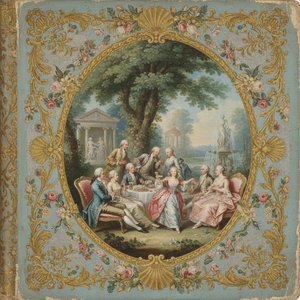
The Rococo Style: Aristocratic Leisure & the Pursuit of Delight in 18th-Century Art
Explore the opulent world of Rococo art! Discover Watteau, Boucher & Nattier's masterpieces. Expert insights for collectors seeking museum-quality reproductions and custom portraits at OriginalUniqueArt.

Les 10 Chefs-d'Œuvre du Rococo : Artistes, Histoire & Décor Intérieur
Plongez dans l'univers raffiné du Rococo avec les 10 chefs-d'œuvre de Fragonard, Boucher & Watteau. Découvrez l'histoire, les techniques et la magie de ce mouvement artistique. Reproductions tableaux de qualité muséale sur .

The Allure of Elegance in Art: A Historical & Aesthetic Exploration of Refinement & Grace
Explore the exquisite world of Rococo art! Discover its history, masters (Watteau, Boucher & more), and defining elegance. Expert insights for collectors seeking museum-quality reproductions & custom portraits.

L'Esthétique Rococo : Opulence, Rébellion et la Quête du Plaisir au XVIIIe Siècle
Explorez l'esthétique rococo : opulence, rébellion et quête du plaisir au XVIIIe siècle. Découvrez les maîtres (Watteau, Boucher, Fragonard) et l'influence durable de ce style artistique raffiné. Analyse approfondie & reproductions d'exception.
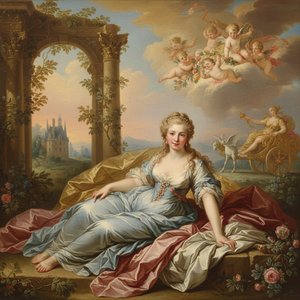
François Boucher: Rococo Master of Myth, Sensuality, and the French Court
Explore the captivating world of François Boucher, master of Rococo painting! Discover his iconic works, aristocratic patronage, and lasting influence on French art history. Learn more at OriginalUniqueArt.


