

 Aperçu en situation
 Partager
 Partager
 Détails

 Télécharger
 Articles similaires
 Radiographie
 Voir le diaporama
 Statistiques
man turning on the light, 1973-74


 Afficher la suite
Reproduction à l'huile faite à la main
Huile sur toile peinte à la main, avec cadre et dimensions personnalisés, réalisée sur commande par nos artistes. ( Passer au format impression Passer au format image numérique)




P118B $10

P118H $10

P118W $10

P438Z $10

P508JH $12

P508YH $12

P805H $10

P805Z $10

P919BZ $10

P919G $10

P919XJ $10

P959ZH $10

P968JZ $12

W106C $8

W218G $10

W218JH $8

W218Y $10

W307PJ $10

W316G $10

W316PJ $8

W316Y $10

W398PJ $8

W4111J $10

W500HY $15

W500JH $15

W692G $12

W849H $8

W940BG $15

W953PJ $8




Choisissez parmi nos formats prédéfinis qui respectent les proportions originales de l’œuvre.

Vous pouvez saisir vos propres dimensions pour l'adapter à un cadre ou à un espace spécifique. Si la taille sélectionnée ne correspond pas aux proportions de l'image d'origine, nous recadrerons l'œuvre ou prolongerons la peinture avec des éléments peints à la main supplémentaires. Une maquette numérique vous sera envoyée pour approbation avant le début de la production.
Veuillez noter que l'aperçu à l'écran ne reflète pas le recadrage ou l'extension réels. Seule la maquette montrera fidèlement la composition finale.
Bien que des tailles personnalisées soient disponibles, nous vous recommandons de sélectionner une dimension dans la liste prédéfinie afin de préserver les proportions d'origine.
Après la commande, l’équipe OriginalUniqueArt.com contactera le client par e-mail pour recueillir ses instructions et lui fournira une maquette d’aperçu
Livraison dans le monde entier () en 3 à 4 semaines au lieu des 5 semaines habituelles. (19 septembre). Aucun compromis sur la qualité.

Livraison express gratuite dans le monde entier

Toile de lin de haute qualité

Assurance transport complète

Garantie de remboursement des droits de douane

Garantie de fidélité des couleurs

Garantie de retour de 100 jours (uniquement en cas de défaut)

Garantie de remboursement à 100%

Tarifs dégressifs sur quantité
 L'option verre n'est disponible que pour les dimensions inférieures à 110 cm.

man turning on the light, 1973-74
Technique de reproduction
Format de la reproduction
-


Prix total final
$ 300
A Visceral Encounter with the Human Condition
In the hauntingly evocative masterpiece "Man Turning On The Light," created between 1973 and 1974, Francis Bacon invites the viewer into a space of profound psychological tension. This work is far more than a mere portrait; it is an emotional excavation that delves into the very marrow of human vulnerability and trauma. At the center of this unsettling composition stands a solitary figure, his back turned to us in a gesture of both defiance and profound isolation. The room itself feels claustrophobic, bathed in a sickly palette of greens and yellows that evoke a sense of decay and existential unease. As we gaze upon the man, we are confronted by the physical manifestations of internal struggle—scars that mar his torso, serving as indelible maps of life's hardships and the inescapable marks left by time and suffering.
The composition is masterfully layered with symbols that defy easy interpretation, yet resonate deeply within the subconscious. The presence of a tennis racket held behind the figure introduces a jarring, almost surreal element to the scene, acting as a focal point that disrupts the somber atmosphere with a touch of the incongruous. This object, alongside the presence of other figures lurking in the periphery, heightens the sense of a shared yet fragmented reality. There is a palpable feeling of being watched, yet also a profound sense of loneliness, capturing the complex paradox of human connection in a post-war world. For the discerning collector or interior designer, this piece offers a powerful statement of depth, providing a conversational anchor that challenges the eye and stirs the soul.
The Mastery of Expressionist Technique
Bacon’s technical prowess is on full display through his uncompromising use of Expressionism. Eschewing the comforts of traditional realism, he employs a technique characterized by distorted forms and a heavy, sculptural application of paint known as impasto. This thick layering of pigment creates a tactile surface that mirrors the raw, fleshy reality of the subject matter. The texture is not merely an aesthetic choice but a vital component of the painting's emotional impact; the ridges and valleys of the paint catch the light, adding a sense of movement and physical weight to the scarred figure.
The color theory employed here is intentionally unsettling. By utilizing a palette dominated by jaundiced yellows and bruised greens, Bacon taps into a primal sense of sickness and mortality. This chromatic choice works in tandem with his gestural brushwork to create an atmosphere that feels both immediate and timeless. For those seeking to incorporate art into a sophisticated living space, a high-quality reproduction of this work allows the dramatic interplay of light and shadow to transform a room, offering a window into one of the most intense psychological landscapes ever captured on canvas. It is a piece that does not merely decorate a wall; it commands the very air around it.
Biographie de l'artiste
**jeunesse et carrière**
francis bacon, peintre figurative irlandais né en Grande-Bretagne, est né le 28 octobre 1909 à Dublin, en Irlande. Sa jeunesse a été marquée par une série de déménagements en raison de la recherche de sa famille d'un climat approprié pour la santé de sa mère. Cette enfance itinérante influencera plus tard l'approche de Bacon à l'art.**style artistique et thèmes**
Bacon est réputé pour ses images audacieuses, émotionnellement chargées et souvent grotesques. Ses figures abstraites sont généralement isolées dans des espaces géométriques, comme des cages, sur fond de fonds plats et sans intérêt. Ce style unique a été à la fois salué et critiqué par les critiques d'art.- portrait of isabel rawsthorne standing in a street in soho, œuvre emblématique présentant la capacité de Bacon à capturer l'essence de ses sujets dans un environnement apparemment abstrait.
- number vii from eight studies for a portrait, illustrant l'exploration de la forme humaine par l'artiste à travers une série d'études.
**influences et héritage**
Le travail de Bacon a été influencé par diverses sources, notamment les autoportraits de maria helena vieira da silva et l'expressionnisme abstrait de piet mondrian. Son héritage continue d'inspirer de nouvelles générations d'artistes, son style audacieux et sans compromis constituant une pierre angulaire de l'art moderne.**expositions et collections notables**
- the museum fine art society (United Kingdom), qui a présenté les œuvres de Bacon aux côtés d'autres artistes britanniques de renom. - nationalgalerie (Norway), présentant une collection exhaustive d'art européen, y compris des œuvres de Bacon. **Œuvres clés et collections:** - francis bacon: portrait of isabel rawsthorne standing in a street in soho - francis bacon: number vii from eight studies for a portrait **Musées et galeries d'art:** - the museum fine art society (United Kingdom) - nationalgalerie (Norway)**Conclusion**
La vie tumultueuse de Francis Bacon et son approche innovante de la peinture figurative ont laissé une marque indélébile sur le monde de l'art. Son héritage, caractérisé par des images audacieuses et émotionnellement chargées, continue d'influencer les artistes contemporains et de susciter la curiosité du public. **Recommandations de lecture:** - biographie de francis bacon - wikipedia: francis bacon (artiste)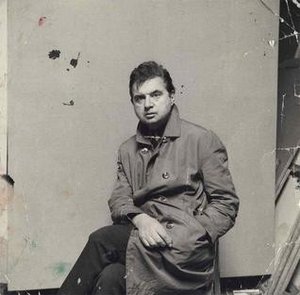
Francis Bacon
1909 - 1992 , Irlande
En bref
- Artistes Influents:
- Pablo Picasso
- Egon Schiele
- Maria Helena Vieira da Silva
- Diego Velázquez
- Date De Décès: 1992
- Date De Naissance: 28 octobre 1909
- Influences Artistiques: ['Expressionnisme post-moderne']
- Lieu De Naissance: Dublin, Irlande
- Mouvement Artistique: Expressionnisme figuratif
- Nationalité: Irlandais-Britannique
- Nom Complet: Francis Bacon
- Oeuvres Notables:
- Trois études pour figures
- Portrait d'Isabel Rawsthorne
- Étude après Velázquez
- George Dyer dans un miroir
Articles similaires
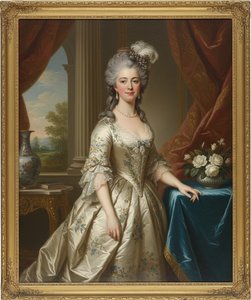
Francis Cotes: Elegance, Portraiture & the Rise of a Georgian Aesthetic
Explore the elegant world of Francis Cotes, pioneer of English pastel painting & celebrated Georgian portraitist. Discover his captivating portraits, artistic techniques, and lasting influence on 18th-century art.
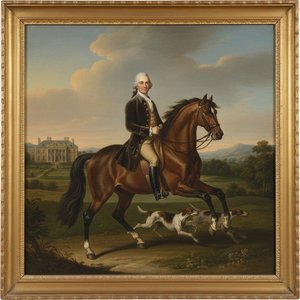
John Francis Sartorius II: Equestrian Elegance & the Rise of British Portraiture
Explore the captivating world of Francis Sartorius II (1734-1804), a leading British painter renowned for his exquisite equestrian portraits and hunting scenes. Discover his life, techniques & enduring legacy.
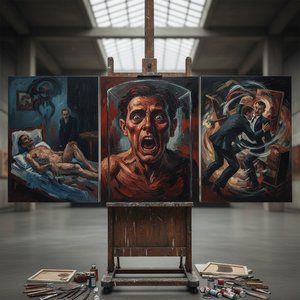
Francis Bacon : Les 25 Œuvres Maîtresses d'un Art Viscéral | OriginalUniqueArt
Plongez dans l'univers viscéral de Francis Bacon à travers ses 25 œuvres les plus emblématiques. Découvrez l'histoire, la technique et l'émotion derrière chaque chef-d'œuvre expressionniste. Retrouvez des reproductions de qualité musée pour sublimer votre intérieur sur OriginalUniqueArt.com
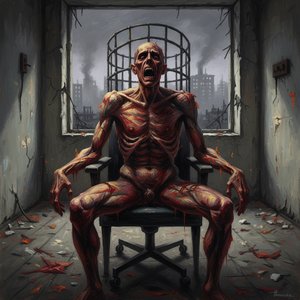
L'Angoisse Existentielle de Francis Bacon : Traumatisme, Forme et la Condition de l'Après-Guerre
Explorez l'œuvre poignante de Francis Bacon : traumatisme, expressionnisme et la condition humaine après-guerre. Analyse approfondie, influences artistiques et héritage durable. Découvrez son univers unique.

L'Héritage Durable du Portrait Formel : Pouvoir, Identité et Exploration Artistique
Explorez l'histoire fascinante du portrait formel : pouvoir, identité et techniques artistiques maîtrisées. Découvrez Velázquez, Rubens et les secrets de la collection d'art avec OriginalUniqueArt.


