

 Aperçu en situation
 Partager
 Partager
 Détails
 Guide imprimable

 Télécharger
 Articles similaires
 Radiographie
 Voir le diaporama
 Statistiques
Apollo and Daphne
 Oil On Canvas
- WallArt
- Baroque
 Early Modern
 73.0 x 60.0 cm
 Musée de l'Ermitage
 Afficher la suite
Reproduction à l'huile faite à la main
Huile sur toile peinte à la main, avec cadre et dimensions personnalisés, réalisée sur commande par nos artistes. ( Passer au format impression Passer au format image numérique)




P118B €10

P118H €10

P118W €10

P438Z €10

P508JH €12

P508YH €12

P805H €10

P805Z €10

P919BZ €10

P919G €10

P919XJ €10

P959ZH €10

P968JZ €12

W106C €8

W218G €10

W218JH €8

W218Y €10

W307PJ €10

W316G €10

W316PJ €8

W316Y €10

W398PJ €8

W4111J €10

W500HY €15

W500JH €15

W692G €12

W849H €8

W940BG €15

W953PJ €8




Choisissez parmi nos formats prédéfinis qui respectent les proportions originales de l’œuvre.

Saisissez la largeur et la hauteur souhaitées, pour s'adapter à votre cadre ou à votre mur. Cette œuvre est peinte à la main ; ainsi, pour un format de forme différente, l'artiste peut peindre un peu plus autour du tableau ou réduire légèrement les bords — c'est vous qui choisissez. Nous vous envoyons une maquette numérique pour approbation avant que la peinture ne commence. L'image présentée sur cette page ne reflète pas le résultat réel — seule la maquette le fait.
Après la commande, l’équipe OriginalUniqueArt.com contactera le client par e-mail pour recueillir ses instructions et lui fournira une maquette d’aperçu
Livraison dans le monde entier () en 3 à 4 semaines au lieu des 5 semaines habituelles. (25 octobre). Aucun compromis sur la qualité.

Livraison express gratuite dans le monde entier

Toile de lin de haute qualité

Assurance transport complète

Garantie de remboursement des droits de douane

Garantie de fidélité des couleurs

Garantie de retour de 100 jours (uniquement en cas de défaut)

Garantie de remboursement à 100%

Tarifs dégressifs sur quantité
 L'option verre n'est disponible que pour les dimensions inférieures à 110 cm.

Apollo and Daphne
Technique de reproduction
Format de la reproduction
-


Prix total final
€ 263
A Moment Frozen in Transformation
In the grand theater of Baroque art, few moments possess the visceral tension found in Francesco Trevisani’s Apollo and Daphne. This evocative oil on canvas, created between 1685 and 1690, captures the very heartbeat of a mythic crisis. As the sun god Apollo pursues the nymph Daphne, we witness the precise second where divine obsession meets mortal desperation. The painting does not merely depict a chase; it captures a metamorphosis in progress. Inspired by the legendary tales within Ovid’s Metamorphoses, Trevisani masterfully illustrates the climax of the pursuit, where the terror of being caught drives Daphne to seek refuge in the only way possible: by shedding her humanity and rooting herself into the earth as a laurel tree.
The composition is a triumph of dramatic movement and structural balance. Utilizing a classic pyramidal arrangement, Trevisani directs the viewer's eye through the swirling energy of the figures. Apollo, a figure of muscular strength and unyielding intent, looms over the scene, his presence commanding and heavy. In stark contrast, Daphne occupies a lower, more vulnerable position within the frame, her body twisting in an attempt to break free from his grasp. This physical hierarchy serves to heighten the emotional stakes, making the viewer feel the weight of Apollo's pursuit and the frantic, breathless flight of the nymph.
The Mastery of Light and Shadow
To behold this masterpiece is to experience the profound power of chiaroscuro. Trevisani employs a sophisticated interplay of light and shadow to sculpt the figures from the darkness of the landscape. A luminous, warm glow illuminates Apollo’s torso and the pale, terrified visage of Daphne, pulling them forward from a somber, atmospheric background. This technique does more than create three-dimensionality; it imbues the scene with a sense of theatrical urgency, as if a single spotlight has been cast upon this divine tragedy.
The artist’s technical precision is particularly evident in his treatment of texture and naturalism. Every detail—from the flowing, silken strands of Daphne’s hair to the delicate, emerging foliage of the laurel branches—is rendered with meticulous care. This commitment to realism serves a deeper purpose: by making the transformation feel tangible and physically real, Trevisani bridges the gap between the mythological and the human. For the collector or designer, such detail offers a profound depth that rewards close inspection, bringing a sense of classical elegance and narrative complexity to any curated space.
A Legacy of Emotional Resonance
Beyond its technical brilliance, Apollo and Daphne resonates through its deep symbolic layers. The painting explores the duality of passion—the destructive force of Apollo’s unrequited desire versus the desperate preservation of self found in Daphne's transformation. The laurel tree itself becomes a symbol of enduring memory and triumph, forever linked to the god who lost his love but gained a sacred emblem. This tension between pursuit and escape, between life and metamorphosis, provides an emotional gravity that transcends the era of its creation.
For those looking to integrate a piece of this magnitude into an interior, Trevisani’s work offers more than mere decoration; it offers a conversation. Whether placed in a sunlit gallery or a moody, sophisticated study, the painting acts as a focal point of dramatic storytelling. A high-quality reproduction of this Baroque treasure allows the timeless struggle of light against shadow and desire against flight to breathe new life into contemporary surroundings, inviting all who gaze upon it to contemplate the beautiful, often turbulent, nature of change.
Questions et réponses
Quelle est l'intensité des couleurs de «Apollo and Daphne» de Francesco Trevisani ?
L'intensité des couleurs de « Apollo and Daphne » est Monochromatic. L'intensité décrit la force avec laquelle les couleurs apparaissent.
Quelle émotion les couleurs de «Apollo and Daphne» de Francesco Trevisani dégagent-elles ?
«Apollo and Daphne» de Francesco Trevisani associe une palette Earthy à un ton Melancholic.
Existe-t-il un guide pour «Apollo and Daphne» de Francesco Trevisani ?
Le guide de « Apollo and Daphne » est la page Guide de l'œuvre — une fiche informative imprimable présentant l'œuvre accompagnée de sa légende, de sa mention de crédit et de son tableau d'identification (artiste, dates, technique, dimensions originales, collection).
Biographie de l'artiste
La Grâce du Barochetto
Francesco Trevisani s'impose comme une figure lumineuse de la transition entre l'intensité dramatique du Baroque tardif et l'élégance émergente du début du Rococo, une période souvent désignée sous le nom de barochetto. Né à Capodistria, en Istrie, son parcours artistique fut façonné par les riches traditions de Venise et de Rome. En tant que fils d'architecte, il apprit d'abord les principes fondamentaux du dessin sous la direction de son père, Antonio Trevisani. Cette base précoce en matière de structure et de composition lui permettrait plus tard de maîtriser les arrangements complexes et théâtraux qui définissent ses œuvres les plus célèbres.
Sa formation était profondément ancrée dans l'étude des maîtres de son époque, s'exerçant auprès de figures telles qu'Antonio Zanchi et Joseph Heintz le Jeune. Ces influences lui dotèrent d'un vocabulaire technique mêlant un mouvement vigoureux à une sensibilité raffinée. En parcourant les centres artistiques de Venise et de Rome, Trevisani développa un style capable de capturer tant la douleur profonde du martyre religieux que la grâce tendre et céleste des rencontres divines. Sa capacité à naviguer entre ces extrêmes émotionnels fit de lui un peintre très convoité pour d'importantes commandes ecclésiastiques et privées.
Maîtrise de l'Émotion et de la Lumière
Les œuvres de Trevisani se caractérisent par un engagement sans faille envers la profondeur émotionnelle et une utilisation époustouflante de la lumière. Dans ses compositions religieuses, les frontières entre le terrestre et le divin semblent souvent se dissoudre. On peut l'observer dans ses représentations de scènes sacrées, où le silence lourd et sacré d'un instant devient palpable. Qu'il s'agisse de dépeindre le corps sans vie du Christ porté par des anges ou la dévotion poignante des saints, Trevisani utilisait une palette et un coup de pinceau qui accentuaient la ferveur spirituelle de son temps.
Sa prouesse technique est particulièrement évidente dans sa capacité à rendre les textures et l'atmosphère. Dans des œuvres telles que Le Martyre des sept fils de Sainte Félicité, il tisse des récits complexes impliquant des empereurs romains, des statues païennes et des messagers célestes. Par une précision méticuleuse, il guide le regard du spectateur à travers la toile, utilisant la lumière pour souligner l'agonie des martyrs et l'espoir offert par les couronnes célestes. Cette maîtrise de la peinture narrative lui permit de créer des œuvres qui n'étaient pas simplement décoratives, mais servaient de profonds instruments de dévotion.
Héritage et Importance Artistique
Tout au long de sa longue carrière, l'influence de Trevisani fut profondément ressentie dans la scène artistique romaine, notamment grâce à ses liens avec des mécènes influents comme le cardinal Ottoboni. Son chef-d'œuvre, les fresques de San Silvestro in Capite, témoigne de sa capacité à transformer les espaces architecturaux par de grands récits foisonnants. Son style, fortement influencé par Carlo Maratta, a aidé à définir l'esthétique du Baroque tardif, comblant le fossé entre les ombres lourdes du siècle précédent et les compositions plus légères et aériennes de l'ère Rococo à venir.
L'importance historique de Francesco Trevisani réside dans son rôle de pont entre les époques. Il a su maintenir la grandeur et la tension dramatique exigées par la Contre-Réforme tout en introduisant une douceur et une grâce qui anticipaient le mouvement suivant de l'art européen. Sa capacité à équilibrer le monumental et l'intime garantit que ses peintures demeurent des fenêtres puissantes sur l'âme spirituelle et artistique du début du XVIIIe siècle.
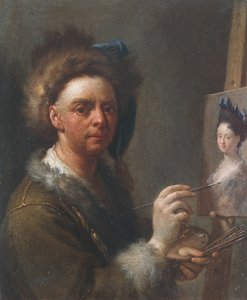
Francesco Trevisani
1656 - 1746 , Italie
Articles connexes
Baroque : Les 10 Chefs-d'œuvre qui ont Révolutionné la Peinture | OriginalUniqueArt
Plongez au cœur de la peinture baroque avec OriginalUniqueArt ! Découvrez les 10 chefs-d'œuvre incontournables de Caravaggio, Rembrandt et Rubens. Histoire, techniques & émotions : trouvez l'inspiration déco et achetez des reproductions d'art de qualité muséale sur OriginalUniqueArt.com

Les 10 Chefs-d'œuvre Baroques qui ont Révolutionné l'Art |
Plongez au cœur du baroque avec les 10 chefs-d'œuvre de Caravaggio, Rembrandt et Rubens. Découvrez l'histoire fascinante de ces artistes et leurs tableaux célèbres. Reproductions d'art de qualité muséale sur – Explorez la collection !

Giclée Prints: Archival Quality & Aesthetic Nuances for the Discerning Collector
Explore the world of giclée prints with OriginalUniqueArt. Learn about archival quality, aesthetic nuances & investment potential. Expert guidance for discerning art collectors seeking museum-quality reproductions and lasting value.

Hokusai : Les 25 Œuvres Maîtresses d'un Génie Japonais | OriginalUniqueArt
Plongez dans l'univers de Katsushika Hokusai avec les 25 œuvres incontournables du maître japonais. Découvrez l'histoire, les techniques d'ukiyo-e et la beauté intemporelle de 'La Grande Vague'. Reproductions tableaux de qualité muséale sur OriginalUniqueArt.com.
Timeless Legends: A Curated Guide to the Eternal Allure of Mythological Masterpieces
Embark on a sophisticated journey through the eternal allure of mythological art. Discover how master painters breathe life into ancient legends, from Greek deities to Baroque masterpieces, and learn to curate these timeless narratives within your own exquisite art collection.


