
 Partager
 Partager
 Détails
 Guide imprimable

 Télécharger
 Articles similaires
 Voir le diaporama
 Statistiques
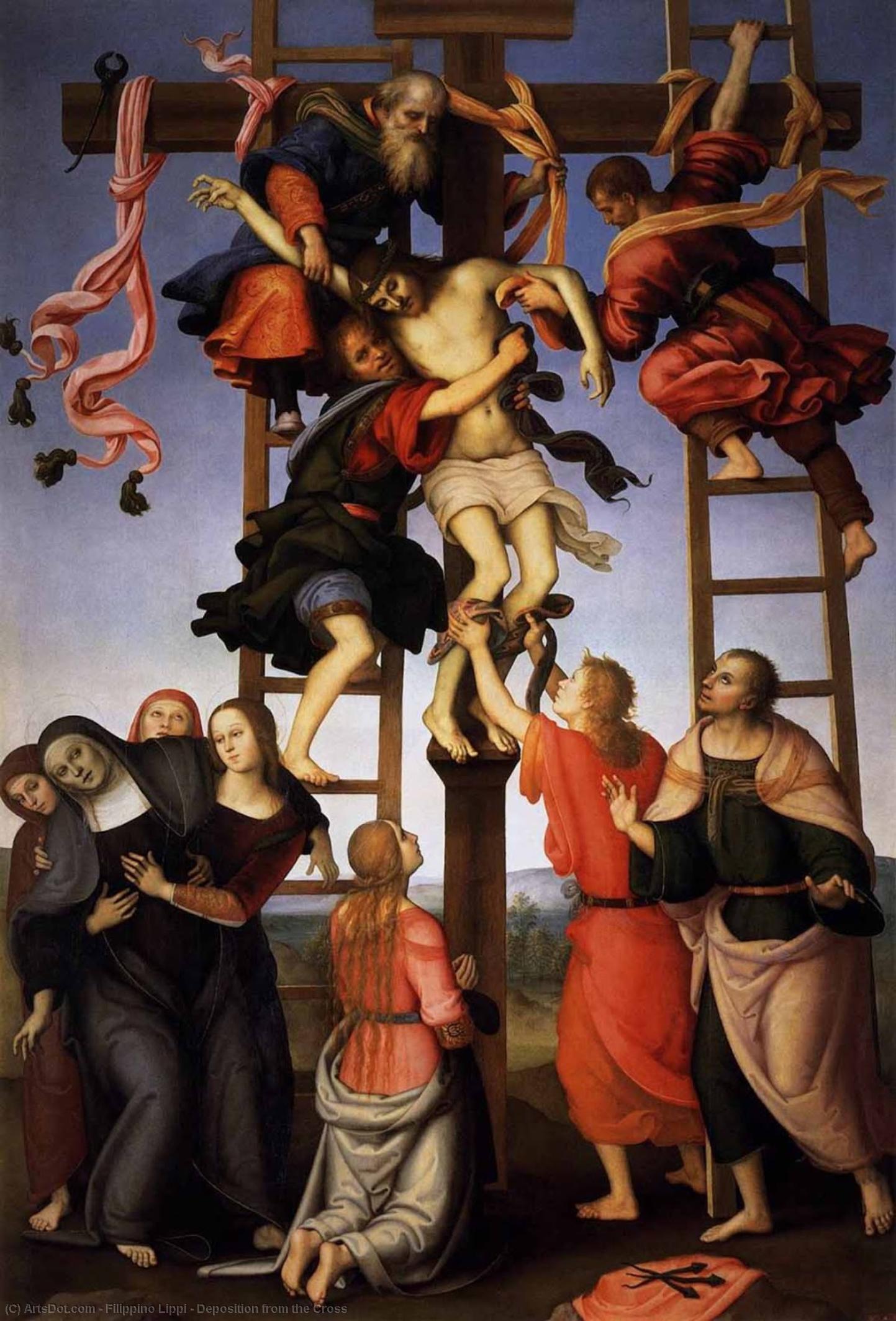
Deposition from the Cross
 Fresco
- Decor
- High Renaissance
 1506
1506- Renaissance
 333.0 x 218.0 cm
 Galleria dell’Accademia di Firenze
 Afficher la suite
Giclées et impressions d'art
Impressions giclées ou sur toile de qualité musée, avec une production rapide et des finitions au choix. ( Acheter la peinture faite à la main Passer au format image numérique)




































Choisissez parmi nos formats prédéfinis qui respectent les proportions originales de l’œuvre.

Vous pouvez saisir vos propres dimensions pour vous adapter à un cadre ou à un espace spécifique. Si la taille sélectionnée ne correspond pas aux proportions de l'image originale, nous recadrerons l'œuvre ou étendrons l'image avec une bordure en miroir ou une couleur unie. Une maquette numérique vous sera envoyée pour approbation avant le début de la production.
Veuillez noter que l'aperçu à l'écran ne reflète pas le recadrage ou l'extension réelle. Seule la maquette montrera avec précision la composition finale.
Bien que des tailles personnalisées soient disponibles, nous vous recommandons de choisir une dimension dans la liste prédéfinie afin de préserver les proportions originales.
Livraison dans le monde entier () en 2 semaines au lieu des 4/5 semaines habituelles. (26 septembre)

Livraison express gratuite dans le monde entier

Toile de lin de haute qualité

Assurance transport complète

Garantie de remboursement des droits de douane

Garantie de fidélité des couleurs

Garantie de retour de 100 jours (uniquement en cas de défaut)

Garantie de remboursement à 100%

Tarifs dégressifs sur quantité
 L'option verre n'est disponible que pour les dimensions inférieures à 110 cm.

Deposition from the Cross
Giclées et impressions d'art
Format de la reproduction
-


Prix total final
$ 80
A Moment Frozen in Devotion
In the hallowed stillness of the Basilica di Santa Maria Novella, there exists a window into the profound sorrow and spiritual transcendence of the High Renaissance. Filippino Lippi’s Deposition from the Cross is not merely a depiction of a biblical event; it is a visceral encounter with human grief and divine sacrifice. Completed around 1506, this monumental masterpiece captures the precise, heart-wrenching moment when the body of Christ is lowered from the cross. The composition draws the viewer into a tight, emotionally charged circle of mourners, where every slumped shoulder and bowed head speaks to the weight of loss. Through Lippi’s masterful hand, the scene transcends its historical era, offering a timeless meditation on mortality and faith that continues to captivate the modern soul.
The painting serves as a breathtaking synthesis of Florentine tradition and the burgeoning innovations of the 16th century. Lippi, the son of the celebrated Fra Filippo Lippi, possessed a unique ability to bridge the elegant, lyrical grace of his predecessor, Sandro Botticelli, with the rigorous anatomical precision and perspectival depth pioneered by masters like Masaccio. In this work, one observes a delicate balance between the idealized beauty of the figures and a raw, palpable realism. The way the light catches the pale, lifeless skin of Christ against the darker, more textured garments of the surrounding figures creates a dramatic chiaroscity that directs the eye toward the central tragedy, ensuring that the viewer cannot look away from the profound gravity of the scene.
Technical Brilliance and Luminous Artistry
To behold this work is to witness the pinnacle of Renaissance technical mastery. Lippi utilized an exquisite layering technique, employing thin washes of color and meticulous glazing to achieve a luminous, almost ethereal glow. This process of building up translucent layers of pigment allows light to penetrate the surface, creating an illusionistic depth that makes the figures appear to breathe within their space. The modeling of Christ’s body is particularly noteworthy; through subtle gradations of tone, Lippi conveys the heavy, limp weight of a lifeless form, a feat of anatomical skill that lends the painting its hauntingly realistic quality. This technical precision is matched by his command of color, where deep, somber tones are punctuated by the delicate, flowing drapery that echoes the classical elegance of the Florentine school.
For the discerning collector or interior designer, a high-quality reproduction of this masterpiece offers more than just aesthetic beauty; it brings an atmosphere of contemplative grandeur into a space. The Deposition from the Cross possesses a unique ability to anchor a room, providing a focal point that invites deep reflection and conversation. Whether placed in a private study, a grand gallery, or a sophisticated living area, the painting’s rich textures and profound emotional resonance serve as a testament to the enduring power of fine art. It is an investment in history, a piece of the Renaissance brought into the contemporary world to inspire awe and provide a sense of timeless elegance.
Biographie de l'artiste
Premières années et formation
- Né : Avril 1457, Prato, Italie
- Décédé : Avril 1504
- Parents : Fra Filippo Lippi (peintre) et Lucrezia Buti
- Filippino était le fils illégitime d'un peintre renommé.
- La formation initiale sous la direction de son père a jeté les bases de sa carrière artistique.
Carrière artistique et développement
- Période précoce (1475-1480) : Les premières œuvres, telles que des Madones, montraient un style moins raffiné. Elles ont été attribuées à un artiste anonyme connu sous le nom d'"amico di Sandro".
- Évolution (1480-1485) : Développement d'une approche plus personnelle et efficace dans des œuvres telles que les *Voyages de Tobie*.
- Maturité (1485-1504) : Maîtrise du style de la Haute Renaissance, exemplifiée par *L’Apparition du Christ à la Vierge*.
Œuvres majeures et collaborations
- Collaboration avec Perugino, Ghirlandaio et Botticelli sur des fresques à la villa de Lorenzo de' Medici.
- Achèvement de la décoration inachevée de Masaccio dans la chapelle Brancacci aux côtés de Masolino.
- Œuvres notables incluent : *La Couronnement de la Vierge*, *Tobie et l’Ange*, *Saint Jérôme* et *Scène de la Vie de Saint Thomas d'Aquin*.
Influences et style artistique
- Premières influences : Sandro Botticelli, Fra Filippo Lippi.
- Caractéristiques du style : Forme animée et ligne, colorisme chaud, paysages détaillés, figures expressives et un mélange de géométrie perspective avec des intérieurs intimes.
- Antiquités romaines : Les études après les antiquités romaines pendant son séjour à Rome ont influencé son travail, intégrant un vocabulaire antique dans son art.
Signification historique et héritage
- Un éminent représentant florentin de la tradition des grands cycles de fresques.
- Son influence sur la Haute Renaissance est indéniable.
- Des œuvres se trouvent dans des musées du monde entier, notamment à la Galerie des Offices à Florence.
- Connu pour combler le fossé entre les styles de la Renaissance plus anciens et l'esthétique émergente de la Haute Renaissance.
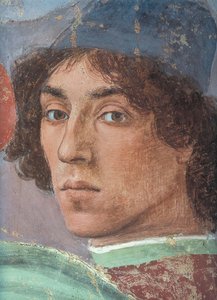
Filippino Lippi
1457 - 1504 , Italie
En bref
- Artistes Influents:
- Fra Filippo Lippi
- Sandro Botticelli
- Date De Naissance: Avril 1457
- Influence Sur Les Artistes: ['Raffaellino del Garbo']
- Lieu De Naissance: Prato, Italie
- Mouvement Artistique: Haute Renaissance
- Nationalité: Italienne
- Nom Complet: Filippino Lippi
- Œuvres Notables:
- La Couronne de la Vierge
- Tobie et l'ange
- Saint Jérôme
- Apparition du Christ
Articles similaires

Henri Edmond Cross: A Pioneer of Neo-Impressionism & the Divisionist Aesthetic
Explore the life & art of Henri Edmond Cross, a pivotal Neo-Impressionist painter. Discover his innovative divisionist technique, political affiliations, and lasting influence on modern art movements like Fauvism. Learn about key works & legacy.

Filippino Lippi: Renaissance Innovation Bridging Faith & Humanism
Explore the captivating world of Filippino Lippi, a Renaissance master bridging faith & humanism through innovative art. Discover his key works, influences, and lasting legacy with OriginalUniqueArt.
Les 10 Chefs-d'œuvre de l'Art Médiéval : Décoration et Histoire
Plongez au cœur de l'art médiéval ! Découvrez les 10 chefs-d’œuvre incontournables, des vitraux gothiques aux enluminures. Histoire, artistes & inspiration déco sur OriginalUniqueArt.com.
Les 10 Chefs-d'œuvre de la Haute Renaissance : Artistes et Décor d'Exception
Plongez au cœur de la Haute Renaissance avec les 10 chefs-d'œuvre incontournables de Léonard de Vinci, Michel-Ange et Raphaël. Découvrez l'histoire fascinante de ces tableaux emblématiques et trouvez l'inspiration pour une décoration intérieure d'exception sur .
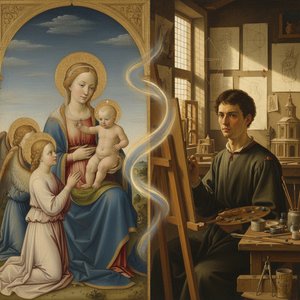
Filippo Lippi: Bridging Renaissance Devotion & Artistic Innovation
Explore the life & revolutionary art of Filippo Lippi, a pivotal Renaissance painter. Discover his masterpieces, influence on Botticelli, and investment potential. Expert analysis at OriginalUniqueArt.


