 Aperçu en situation
 Envoyer
 Partager
 Détails de l'œuvre

 Télécharger
 Articles similaires
 Radiographie
 Diaporama
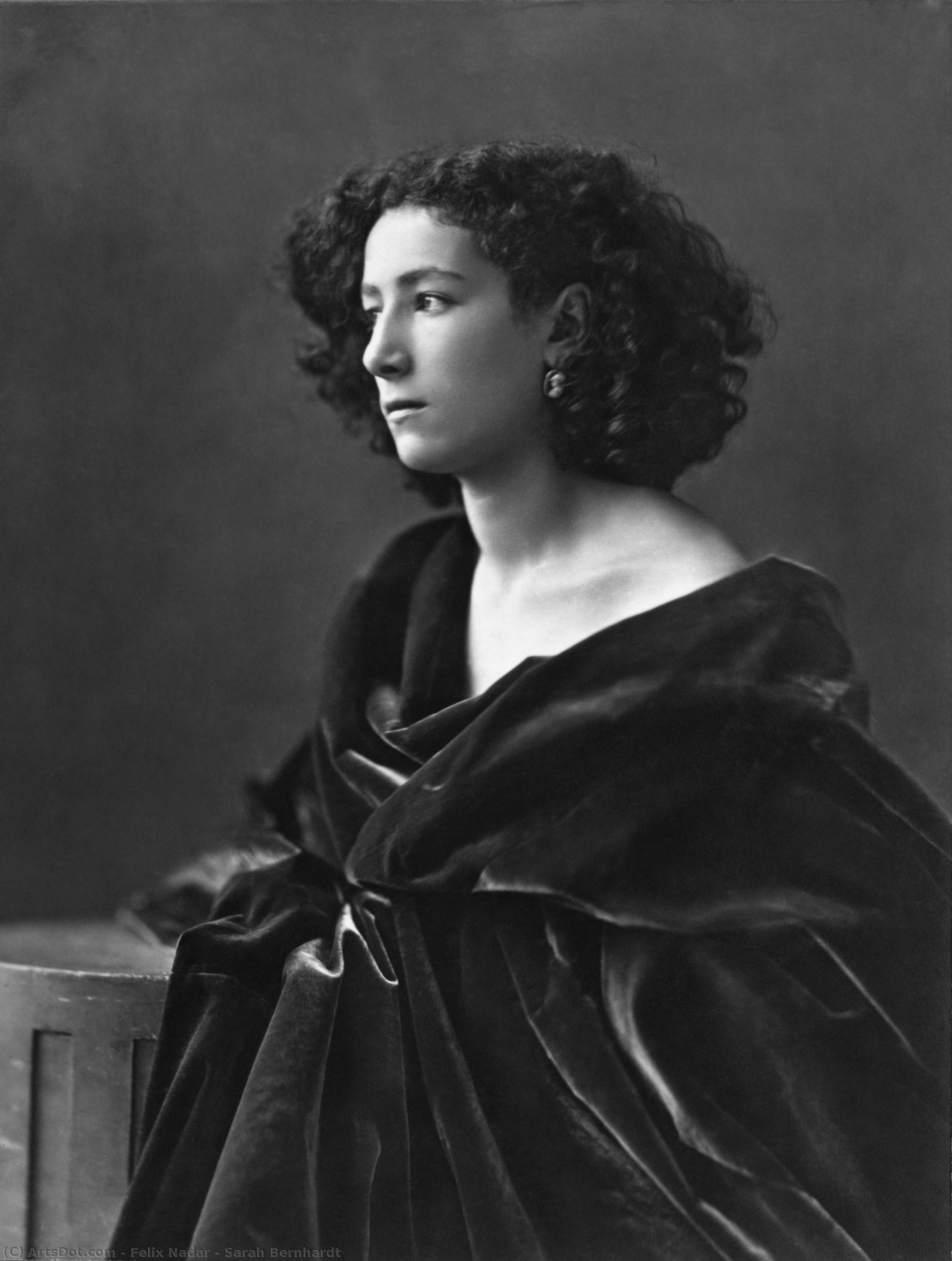
Sarah Bernhardt
 Acrylic On Canvas
- WallArt
- 19th-century photography
 1864
1864 21.0 x 16.0 cm
 Musée J. Paul Getty
 Lire la suite
Reproduction à l'huile faite à la main
Huile sur toile peinte à la main, avec cadre et dimensions personnalisés, réalisée sur commande par nos artistes. ( Passer au tirage Passer à l'image)




P118B $10

P118H $10

P118W $10

P438Z $10

P508JH $12

P508YH $12

P805H $10

P805Z $10

P919BZ $10

P919G $10

P919XJ $10

P959ZH $10

P968JZ $12

W106C $8

W218G $10

W218JH $8

W218Y $10

W307PJ $10

W316G $10

W316PJ $8

W316Y $10

W398PJ $8

W4111J $10

W500HY $15

W500JH $15

W692G $12

W849H $8

W940BG $15

W953PJ $8




Choisissez parmi nos formats prédéfinis qui respectent les proportions originales de l’œuvre.

Vous pouvez saisir vos propres dimensions pour l'adapter à un cadre ou à un espace spécifique. Si la taille sélectionnée ne correspond pas aux proportions de l'image d'origine, nous recadrerons l'œuvre ou prolongerons la peinture avec des éléments peints à la main supplémentaires. Une maquette numérique vous sera envoyée pour approbation avant le début de la production.
Veuillez noter que l'aperçu à l'écran ne reflète pas le recadrage ou l'extension réels. Seule la maquette montrera fidèlement la composition finale.
Bien que des tailles personnalisées soient disponibles, nous vous recommandons de sélectionner une dimension dans la liste prédéfinie afin de préserver les proportions d'origine.
Après la commande, l’équipe OriginalUniqueArt.com contactera le client par e-mail pour recueillir ses instructions et lui fournira une maquette d’aperçu
Livraison dans le monde entier () en 3 à 4 semaines au lieu des 5 semaines habituelles. (5 août). Aucun compromis sur la qualité.

Livraison express gratuite dans le monde entier

Toile de lin de qualité supérieure

Assurance transport complète

Garantie de remboursement des droits de douane

Garantie de fidélité des couleurs

Politique de retour de 60 jours (uniquement en cas de défaut)

Garantie de remboursement à 100%

Offre de tarifs dégressifs
 L'option verre n'est disponible que pour les dimensions inférieures à 110 cm.

Sarah Bernhardt
Technique de reproduction
Format de la reproduction
-


Prix total
$ 300
Description de l'œuvre
A Portrait of Timeless Grace: Sarah Bernhardt by Félix Nadar
Félix Nadar’s “Sarah Bernhardt,” captured in 1864, transcends the conventional portrait and becomes a profound study of presence—a frozen moment of theatrical intensity. More than simply a likeness, it's an intimate revelation of the legendary actress herself, radiating both vulnerability and formidable strength. The photograph, executed with the meticulous precision characteristic of Nadar’s work, offers a rare glimpse into Bernhardt’s carefully constructed stage persona, yet simultaneously hints at the woman beneath the glittering facade.
The image is dominated by a striking monochrome palette—a symphony of grays ranging from deep charcoal to delicate silver. This deliberate absence of color forces the viewer to focus entirely on form and texture, highlighting the intricate details of Bernhardt’s face, the luxurious drape of her shawl, and the subtle play of light and shadow across her features. Nadar masterfully employs chiaroscuro—the dramatic contrast between light and dark—to sculpt Bernhardt's figure, emphasizing her cheekbones, the delicate curve of her lips, and the downward tilt of her head, a gesture that simultaneously conveys melancholy and quiet contemplation.
The Language of Photography: Technique and Process
Nadar’s choice of wet collodion process is crucial to understanding the photograph's unique character. This demanding technique required immediate development—the plate had to be prepared, exposed, and processed within minutes, creating a remarkable immediacy in the image. The slight imperfections inherent in this method – subtle shifts in tone, minute variations in sharpness – contribute to the photograph’s authentic feel, imbuing it with a sense of captured time rather than a polished, idealized representation.
The composition itself is remarkably restrained. Nadar eschews elaborate backgrounds or distracting props, focusing entirely on Bernhardt and her immediate surroundings. The shallow depth of field further isolates the subject, drawing the viewer’s attention to her face and creating an intimate sense of connection. Note the subtle vignette effect around the edges – a darkening that frames the subject and directs the eye inward, mirroring the theatrical spotlight she commanded on stage.
A Star is Born: Context and Symbolism
“Sarah Bernhardt” was taken at a pivotal moment in the actress’s career. Just twenty years old, she was already establishing herself as one of France's most celebrated performers, captivating audiences with her dramatic range and magnetic stage presence. The photograph captures this burgeoning fame—the poised confidence, the hint of vulnerability—and foreshadows the legendary status she would eventually achieve.
The shawl draped around Bernhardt’s shoulders is more than just a garment; it's a symbol of both protection and concealment. It frames her face, drawing attention to her expressive eyes and carefully controlled expression, while simultaneously hinting at the layers beneath—the private emotions and personal struggles that fueled her performances. The downward gaze, often interpreted as sadness or introspection, adds a layer of complexity to the portrait, suggesting a depth beyond mere theatricality.
A Legacy in Silver: Nadar’s Vision
Félix Nadar's “Sarah Bernhardt” stands as a testament to his pioneering spirit and artistic vision. He wasn’t simply documenting a celebrity; he was attempting to capture the essence of a personality, revealing the inner life behind the public persona. This photograph exemplifies Nadar’s approach to portraiture—a willingness to challenge conventions, embrace imperfection, and delve into the psychological complexities of his subjects. It remains a powerful and enduring image, offering a captivating glimpse into the world of 19th-century theater and the remarkable woman who dominated it.
Biographie de l'artiste
Félix Nadar : Un Pionnier de la Photographie
Jeunesse et Débuts
- Né le: Gaspard-Félix Tournachon, le 5 avril 1820 à Paris (bien que certaines sources suggèrent Lyon).
- Son père, Victor Tournachon, était imprimeur et libraire.
- Il a initialement étudié la médecine mais l'a abandonnée en raison de contraintes financières après le décès de son père.
- Nadar, comme il deviendra connu, a commencé sa carrière comme caricaturiste et romancier, contribuant à divers journaux.
De la Caricature à la Photographie
- Il a commencé à expérimenter avec la photographie vers 1853.
- Il a ouvert son premier studio photographique en 1854 au 113 rue St. Lazare, puis il s'est installé au 35 Boulevard des Capucines en 1860.
- Il a rapidement gagné une reconnaissance pour ses portraits frappants et psychologiquement perspicaces.
- Rejet des Conventions: Nadar a rejeté les décors opulents courants dans la photographie de portrait, préférant la lumière naturelle et se concentrant sur la personnalité du modèle.
Photographie Aérienne Pionnière
- En 1858, Nadar est devenu la première personne à prendre des photographies aériennes en utilisant des ballons.
- Il a surmonté les défis techniques liés au développement de plaques photographiques en altitude en inventant une couverture en coton étanche pour les paniers de ses ballons.
- Il a également pionné l'éclairage artificiel en photographie, notamment dans les Catacombes de Paris.
- Le Géant: Il a fait construire un immense ballon nommé “Le Géant” (Le Géant) en 1863, inspirant Jules Verne’s *Five Weeks in a Balloon*.
Réalisations Majeures et Influences
- Portraiture: Il a photographié de nombreuses personnalités importantes, notamment Victor Hugo, Charles Baudelaire, Sarah Bernhardt et Gustave Courbet.
- Il a établi le premier service postal aérien du monde pendant le Siège de Paris (1870-71) grâce aux vols en ballon.
- Il a accueilli la première exposition impressionniste dans son studio en 1874, offrant une plateforme essentielle aux artistes émergents.
- Il a publié ce qui est considéré comme le premier entretien photographique en 1886, mettant en scène le chimiste Michel Eugène Chevreul.
Vie Tardive et Héritage
- Il a déplacé son studio à Marseille de 1895 à 1909.
- Il est décédé le 20 mars 1910 à Paris et est enterré au cimetière du Père Lachaise.
- Son fils, Paul Nadar, a continué les opérations du studio après sa mort.
- Quand j’étais photographe: Il a publié une autobiographie reflétant sa vie et son travail, offrant des informations précieuses sur la photographie au XIXe siècle.
- Signification Historique: Les techniques innovantes et la vision artistique de Nadar ont profondément influencé le développement de la photographie comme forme d'art. Ses portraits restent des représentations iconiques des cercles intellectuels et artistiques parisiens.
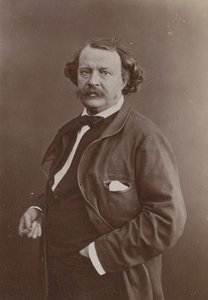
Félix Nadar
1820 - 1910 , France
L'essentiel de l'artiste
- Artistic Movement Or Style: Photographie, Caricature, Impressionnisme
- Artists Or Movements Influenced By This Artist: ['']
- Artists Who Influenced This Artist: ['Jules Verne']
- Date Of Birth: 5 avril 1820
- Date Of Death: 20 mars 1910
- Full Name: Gaspard-Félix Tournachon
- Nationality: Français
- Notable Artworks:
- Portraits de Baudelaire
- Hugo
- Delacroix
- Place Of Birth: Paris (Lyon)
Articles connexes

De l'Instantané au Tableau : L'Art de Transformer la Photographie de Voyage en Peinture à l'Huile Intemporelle
Transformez vos photos de voyage en peintures à l'huile artisanales exceptionnelles. Artistes qualifiés, qualité muséale et personnalisation illimitée. Investissez dans un souvenir unique et durable.

De la Photographie Instantanée au Portrait d'Atelier : La Renaissance Moderne de l'Effigie en Peinture à l'Huile
Redécouvrez l'art du portrait à l'huile ! Commandez une œuvre unique, réalisée par des artistes experts. Immortalisez votre ressemblance avec finesse et émotion. Conseils personnalisés & qualité garantie.

Beyond the Portrait: Félix Nadar & the Psychological Depths of 19th-Century Photography
Explore the revolutionary photography of Félix Nadar – pioneer of portraiture, aerial imaging & psychological depth. Discover his iconic portraits of Baudelaire, Hugo & more. A deep dive into 19th-century art history.
Pourquoi un portrait de mariage personnalisé est le cadeau le plus significatif : Capturez l'émotion éternelle.
Offrez un cadeau inoubliable : un portrait de mariage personnalisé peint par des artistes talentueux. Immortalisez votre amour avec , gage d'expertise et de qualité.
Chromatic Absence: Exploring the Aesthetic Power of Black & White Art
Explore the captivating world of monochrome art! Discover its rich history, influential artists like Malevich & Klein, and profound emotional impact. Expert insights for collectors & design enthusiasts.