
 Aperçu en situation
 Partager
 Partager
 Détails
 Guide imprimable

 Télécharger
 Articles similaires
 Radiographie
 Voir le diaporama
 Statistiques
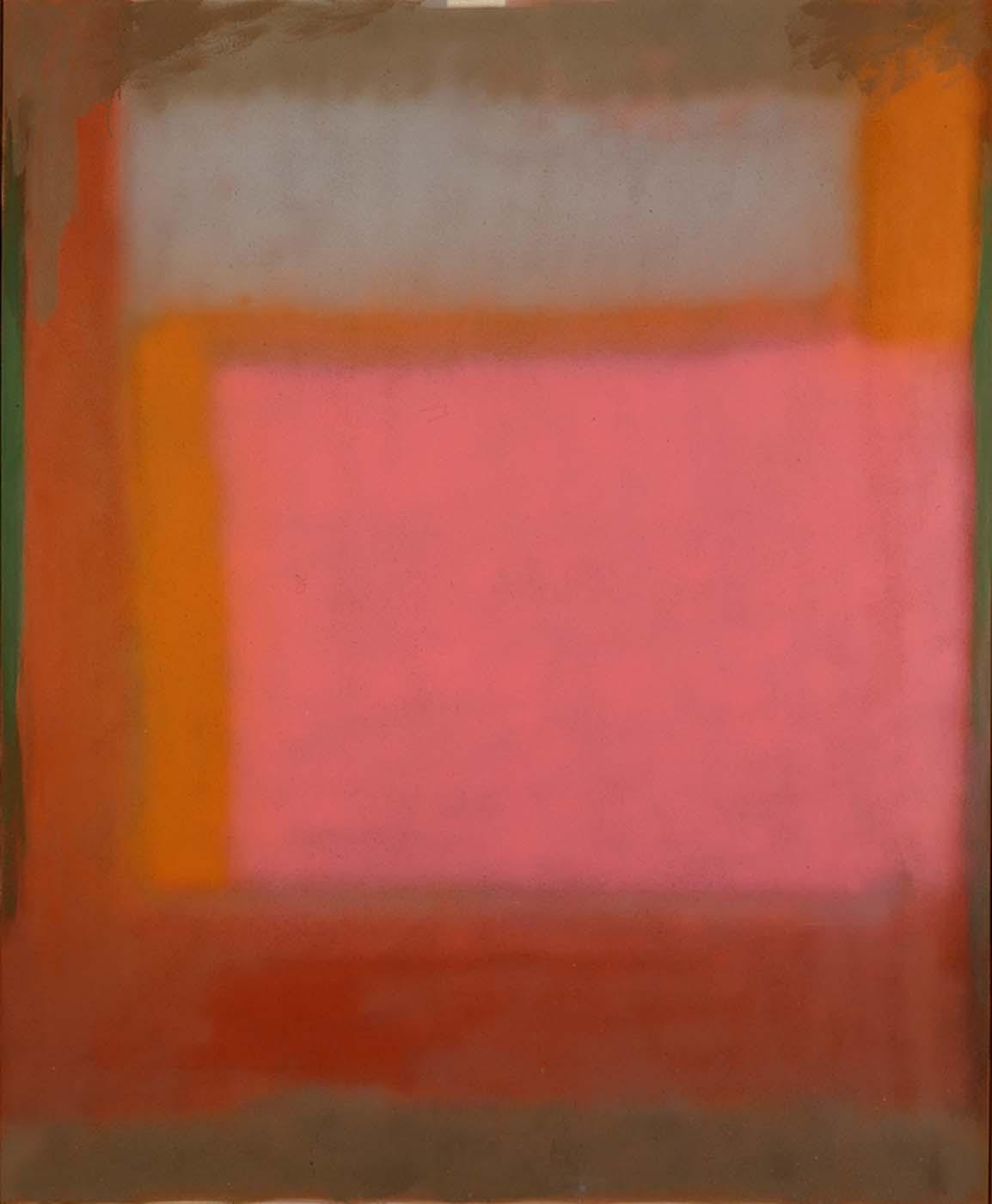
Spring
 1972
1972 173.0 x 143.0 cm
 Afficher la suite
Acquérez une image numérique haute résolution et optimisée, d'une qualité bien supérieure à l'aperçu en ligne.
Chaque fichier est méticuleusement préparé par nos spécialistes internes à l'aide d'outils avancés et d'une retouche manuelle experte. Nous garantissons que chaque image possède une clarté exceptionnelle, une précision des couleurs irréprochable et un niveau de détail fin.
Le fichier final est livré par e-mail sous 72 heures, optimisé pour une utilisation immédiate dans des contextes professionnels, éditoriaux et d'impression. Il offre la même qualité de confiance que celle utilisée par les plus grands studios de création, éditeurs et galeries.
Image numérique
Téléchargez un fichier haute résolution pour votre usage personnel, l'impression et vos projets créatifs. ( Passer au format impression Acheter la peinture faite à la main)
Inclus avec chaque commande d'image numérique
Livraison numérique experte, garantie.
En choisissant OriginalUniqueArt.com, vous n'obtenez pas seulement une simple image : vous recevez une œuvre numérique sublimée avec professionnalisme, conçue avec précision et accompagnée d'une garantie de satisfaction. Voici tout ce qui accompagne automatiquement votre commande :

Livraison rapide par e-mail
Votre fichier d'image numérique haute résolution vous sera envoyé par e-mail sous 72 heures après votre commande — prêt à un usage immédiat.

Fichier numérique optimisé par l'IA
Votre œuvre d'art bénéficie d'une optimisation professionnelle grâce à des outils d'IA avancés et une retouche manuelle, garantissant un niveau maximal de détail, de clarté et de fidélité chromatique.

Réexpédition gratuite à vie
Vous avez accidentellement supprimé ou perdu votre fichier ? Pas d'inquiétude — nous vous le renverrons gratuitement, quand vous le souhaitez.

Aucuns frais de douane — À jamais
Profitez de votre œuvre d'art instantanément sans frais de douane ni de livraison — les téléchargements numériques sont toujours exonérés de taxes.

Garantie de fidélité des couleurs
Nous garantissons que votre image numérique reproduit les couleurs de l'original aussi fidèlement que possible grâce à des outils professionnels et une gestion rigoureuse des couleurs.

Garantie de satisfaction de 100 jours
Si vous n'êtes pas satisfait de votre image numérique, nous la retoucherons ou vous rembourserons 100% sous 100 jours — sans poser de questions.

Garantie de remboursement à 100%
Pas satisfait ? Obtenez un remboursement intégral dans les 100 jours suivant la réception de votre fichier numérique — sans aucune question posée.

Remises sur les commandes groupées
Achetez 3 images, économisez 10% - Achetez 5, économisez 15% - Achetez 10+, économisez 20%. Idéal pour les projets créatifs, les galeries et les agences.
Biographie de l'artiste
L'Âme Lyrique de l'Expressionnisme Abstrait
Esteban Vicente s'érige comme un pont profond entre les traditions classiques de l'Europe et l'énergie radicale et transformatrice de l'École de New York. Né en 1903 dans la paisible bourgade espagnole de Turégano, ses premières années furent façonnées par un lien viscéral avec la richesse culturelle de l'Espagne. Sous l'égide de son père, peintre amateur, les années de formation de Vicente furent consacrées à errer dans les galeries du Museo del Prado, où les maîtres du passé lui inculquèrent un respect fondamental pour la lumière, la forme et la composition. Cette formation classique à la Real Academia de Bellas Artes de San Fernando lui apporta la discipline structurelle qui lui permettrait plus tard de naviguer dans les domaines infinis de l'abstraction avec une grâce inégalée.
Alors que les ombres de la guerre civile espagnole planaient sur sa patrie, le destin de Vicente prit un tournant décisatif vers New York en 1936. Cette migration fut bien plus qu'un simple changement géographique ; ce fut une immersion au cœur même d'un modernisme en pleine effervescence. Dans les colonies d'artistes vibrantes de Manhattan, il se retrouva entouré de figures illustres telles que Jackson Pollock, Willem de Kooning et Mark Rothko. Pourtant, tandis que nombre de ses contemporains embrassaient la férocité brute et spontanée de l'Action Painting, Vicente se fraya un chemin singulièrement méditatif. Son œuvre devint un contrepoint réflexif aux gestes plus agressifs de l'époque, privilégiant une abstraction lyrique qui cherchait à capturer les relations intangibles du monde naturel.
Une Symphonie de Couleur et de Lumière
L'essence véritable de la maîtrise de Vicente réside dans sa capacité à manipuler la couleur comme s'il s'agissait d'une entité vivante, douée de souffle. Contrairement à la création automatique et impulsive privilégiée par certains de ses pairs, Vicente abordait ses toiles avec une précision minutieuse et stratifiée. Il explora l'interaction délicate entre les harmonies tonales et les formes géométriques, créant des œuvres qui semblaient à la fois expansives et profondément intimes. Sa technique impliquait souvent une superposition soigneuse de la peinture, et même l'usage inventif du papier découpé et déchiré dans ses collages, produisant des textures qui invitent le spectateur à un état de contemplation silencieuse.
Son évolution esthétique peut être observée à travers plusieurs piliers artistiques fondamentaux :
- Exploration du Color Field : Un accent profond mis sur la manière dont les nuances interagissent pour créer de la profondeur et de l'atmosphère, sans recours à des sujets représentatifs.
- Influence Biomorphique : Un clin d'œil subtil au surréalisme, où des formes organiques et fluides émergent du paysage abstrait.
- Composition Méditative : L'usage de la lumière et de la forme pour susciter des réponses émotionnelles, s'éloignant du récit pour tendre vers la sensation pure.
Au cours de ses dernières années, notamment après avoir trouvé refuge à Bridgehampton, sur Long Island, son travail a continué d'affiner ce dialogue entre le physique et l'éthéré. Que ce soit à travers l'huile sur toile ou des œuvres complexes sur papier, l'art de Vicente est demeuré un témoignage de la puissance de la résonance chromatique — cette idée que la couleur seule peut communiquer les complexités de l'expérience humaine.
Un Héritage Durable dans l'Art Moderne
L'importance historique d'Esteban Vicente s'étend bien au-delà de ses propres toiles. Il représente la synthèse réussie de deux mondes : la rigueur académique de la tradition espagnole et la liberté expérimentale de l'art américain de l'après-guerre. Sa carrière, s'étendant sur huit décennies et deux continents, sert de lien vital dans l'évolution du modernisme, prouvant que l'abstraction pouvait être à la fois intellectuellement rigoureuse et profondément poétique.
Aujourd'hui, son héritage est préservé dans certaines des institutions les plus prestigieuses au monde, garantissant que sa révolution silencieuse de la couleur continue d'inspirer. Ses œuvres sont conservées dans les collections permanentes du :
- Museum of Modern Art (MoMA), New York
- Metropolitan Museum of Art, New York
- Art Institute of Chicago
- National Gallery of Art, Washington, D.C.
- Musée des Beaux-Arts de Bilbao, Espagne
Grâce à sa capacité à trouver

Esteban Vicente
1903 - 2001 , Espagne
En bref
- Artistic Movement Or Style: Abstract Expressionism
- Artists Or Movements Influenced By This Artist: ['New York School']
- Artists Who Influenced This Artist:
- Willem de Kooning
- Jackson Pollock
- Franz Kline
- Barnett Newman
- Mark Rothko
- Date Of Birth: January 20, 1903
- Date Of Death: January 10, 2001
- Full Name: Esteban Vicente Pérez
- Nationality: Spanish American
- Notable Artworks:
- Countryside
- Untitled, from the portfolio Peace Portfolio I
- Spring
- Place Of Birth: Turégano, Spain