Aperçu en situation
 Envoyer
 Partager
 Détails de l'œuvre

 Télécharger
 Articles similaires
 Radiographie
 Diaporama
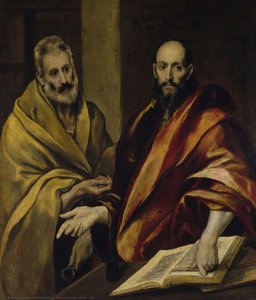
Saint Peter in Penitence
 Huile
Huile- Art mural
- St Peter in Penitence
 1585
1585- Renaissance
 109.0 x 90.0 cm
 Lire la suite
Reproduction à l'huile faite à la main
Huile sur toile peinte à la main, avec cadre et dimensions personnalisés, réalisée sur commande par nos artistes. ( Commander l'impression Télécharger l'image haute résolution)




P118B $10

P118H $10

P118W $10

P438Z $10

P508JH $12

P508YH $12

P805H $10

P805Z $10

P919BZ $10

P919G $10

P919XJ $10

P959ZH $10

P968JZ $12

W106C $8

W218G $10

W218JH $8

W218Y $10

W307PJ $10

W316G $10

W316PJ $8

W316Y $10

W398PJ $8

W4111J $10

W500HY $15

W500JH $15

W692G $12

W849H $8

W940BG $15

W953PJ $8




Choisissez parmi nos formats prédéfinis qui respectent les proportions originales de l’œuvre.

Vous pouvez saisir vos propres dimensions pour l'adapter à un cadre ou à un espace spécifique. Si la taille sélectionnée ne correspond pas aux proportions de l'image d'origine, nous recadrerons l'œuvre ou prolongerons la peinture avec des éléments peints à la main supplémentaires. Une maquette numérique vous sera envoyée pour approbation avant le début de la production.
Veuillez noter que l'aperçu à l'écran ne reflète pas le recadrage ou l'extension réels. Seule la maquette montrera fidèlement la composition finale.
Bien que des tailles personnalisées soient disponibles, nous vous recommandons de sélectionner une dimension dans la liste prédéfinie afin de préserver les proportions d'origine.
Après la commande, l’équipe OriginalUniqueArt.com contactera le client par e-mail pour recueillir ses instructions et lui fournira une maquette d’aperçu
Livraison dans le monde entier () en 3 à 4 semaines au lieu des 5 semaines habituelles. (21 août). Aucun compromis sur la qualité.

Livraison express gratuite dans le monde entier

Toile de lin de qualité supérieure

Assurance transport complète

Garantie de remboursement des droits de douane

Garantie de fidélité des couleurs

Politique de retour de 60 jours (uniquement en cas de défaut)

Garantie de remboursement à 100%

Offre de tarifs dégressifs
 L'option verre n'est disponible que pour les dimensions inférieures à 110 cm.

Saint Peter in Penitence
Technique de reproduction
Format de la reproduction
-


Prix total
$ 300
Description de l'œuvre
St. Peter in Penitence : A Journey into the Soul of El Greco
Within the vast panorama of Western art, few paintings possess the profound ability to simultaneously evoke sorrow and spiritual yearning as powerfully as El Greco’s “St. Peter in Penitence.” Created in 1585 and now residing within the serene halls of the Bowes Museum in England, this oil on canvas transcends mere representation; it becomes a visceral exploration of remorse, faith, and the human condition. More than just a portrait of an apostle, it’s a window into the artist's intensely personal vision – a vision forged from the confluence of Byzantine tradition and the burgeoning spirit of Mannerism.
El Greco, born Doménikos Theotokopoulos on the island of Crete, was a figure utterly unique. His early training steeped him in the rigorous iconography of the Eastern Orthodox Church, characterized by precise detail, symbolic color palettes, and an emphasis on religious narrative. However, his relocation to Venice marked a pivotal shift. There, he encountered the dynamism of Italian Renaissance painting – particularly the works of Titian and Tintoretto – absorbing their dramatic lighting, expressive brushwork, and penchant for emotional intensity. This synthesis ultimately shaped his distinctive style: elongated figures that seem to stretch towards an ethereal heaven, faces imbued with profound emotion, and a use of color that is both vibrant and deeply symbolic.
“St. Peter in Penitence” exemplifies this masterful blend. The composition immediately draws the viewer’s eye to the central figure – St. Peter himself. His posture, with hands clasped together in fervent prayer, speaks volumes about his profound regret. Notice the deliberate elongation of his form; a characteristic feature of El Greco's style that amplifies the sense of anguish and spiritual struggle. The upward gaze, directed towards an unseen divine presence, suggests not just supplication but also a desperate yearning for forgiveness. The background is subtly rendered, featuring two trees – often interpreted as symbols of life and death, or perhaps even paradise and purgatory – offering a serene counterpoint to the apostle’s internal turmoil.
The Language of Emotion: Mannerism and Symbolism
El Greco's style, firmly rooted in Mannerism, is characterized by an intense focus on emotional expression rather than strict adherence to classical proportions or realistic representation. This isn’t a painting intended to depict Peter as he *was*, but rather as he *felt* – consumed by remorse and seeking redemption. The artist masterfully employs chiaroscuro—the dramatic contrast between light and shadow—to heighten the sense of drama and underscore Peter's emotional state. The deep shadows enveloping his figure emphasize his isolation, while the subtle highlights illuminate his face, revealing a profound sadness.
Beyond the purely visual elements, “St. Peter in Penitence” is rich in symbolic meaning. The act of prayer itself represents repentance and humility. The clasped hands signify devotion and a plea for divine mercy. The trees in the background, with their branches reaching towards the heavens, can be interpreted as symbols of hope and spiritual growth. Furthermore, the muted color palette – dominated by blues, browns, and ochres – reinforces the painting’s somber mood, reflecting the apostle's state of sorrow.
A Legacy of Spiritual Intensity
El Greco’s prolific output extended far beyond this single masterpiece. He created numerous works exploring themes of spirituality, faith, and human emotion, including “St. Francis Receiving the Stigmata” and “The Burial of the Count of Orgaz.” These paintings demonstrate a consistent commitment to conveying profound spiritual experiences through intensely expressive imagery. His work profoundly influenced later artists, particularly those associated with Expressionism and Cubism, who were drawn to his innovative use of form and color to express inner emotions.
Today, “St. Peter in Penitence” continues to captivate viewers with its raw emotional power and spiritual depth. It stands as a testament to El Greco’s unique artistic vision – a vision that seamlessly blends Byzantine tradition with the dynamism of Mannerism, resulting in a painting that is both deeply personal and universally resonant. For those seeking to bring this extraordinary artwork into their own homes, OriginalUniqueArt offers meticulously crafted, hand-painted oil reproduction reproductions that faithfully capture the essence of El Greco’s masterpiece.
Exploring El Greco's World: Further Discoveries
To deepen your appreciation for El Greco and his artistic legacy, we encourage you to explore related works and resources. The Galleria Estense in Modena, Italy, houses a remarkable collection of El Greco paintings alongside frescoes and other artworks from the Renaissance period. Furthermore, examining pieces like “St. Francis Receiving the Stigmata” or “The Burial of the Count of Orgaz” will reveal the breadth and depth of his artistic exploration.
For those interested in learning more about El Greco’s life and career, we recommend visiting the website of the Bowes Museum, where “St. Peter in Penitence” is currently displayed. Additionally, numerous online resources – including Wikipedia and WikiArt – offer valuable insights into his artistic techniques, historical context, and enduring influence.
Finally, consider exploring the work of Vangelis, a contemporary composer who drew inspiration from El Greco’s emotional intensity, as evidenced by his album “El Greco.” This musical interpretation offers a unique perspective on the artist's profound spiritual vision.
Biographie de l'artiste
**Jeunesse et formation**
El Greco (Domenikos Theotokopoulos), un peintre, sculpteur et architecte grec renommé, est né en 1541 à Crète, alors sous domination vénitienne. Son nom de naissance était Domenikos Theotokopoulos. La formation précoce d'El Greco en tant que peintre d'icônes de l'école crétoise, un centre majeur de l'art byzantin post-byzantin, a jeté les bases de ses futurs efforts artistiques.**Évolution artistique et influences**
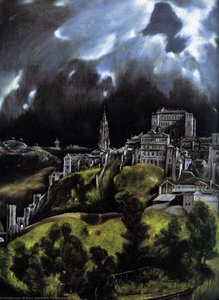
Le style artistique d'El Greco s'est façonné par ses voyages à Venise et Rome, où il a absorbé les styles maniéristes et du Renouveau, influencé notamment par Tintoret et Titien. Son déménagement à Tolède, en Espagne, en 1577 a marqué une période de création prolifique, donnant naissance à des chefs-d'œuvre tels que La Vue de Tolède et L'ouverture du cinquième sceau.**Œuvres notables et style**
* L'allégorie de l'ordre des Camalodites (méroristique, huile) - témoignant du mélange unique d'El Greco entre les traditions byzantines et les éléments stylistiques occidentaux. * Fable (méroristique, huile) – démontrant son utilisation de choix de couleurs vibrantes et inhabituels. * Giacomo Bosio (méroristique, huile) – mettant en valeur la maîtrise d'El Greco du style méroptique.**Héritage et influence**
Le style dramatique et expressionniste d'El Greco, caractérisé par des figures allongées et une pigmentation fantastique, a été une source d'inspiration pour les poètes et les écrivains. Il est considéré comme un précurseur de l'expressionnisme et du cubisme. Pour en savoir plus sur la vie et les œuvres d'El Greco, visitez [https://OriginalUniqueArt.com/@/el-greco-(domenikos-theotokopoulos)](https://OriginalUniqueArt.com/@/el-greco-(domenikos-theotokopoulos)).- **Consultez les peintures d'El Greco** sur [https://OriginalUniqueArt.com/@@/85fr95-el-greco-(domenikos-theotokopoulos)-allegory-of-the-camaldolite-order](https://OriginalUniqueArt.com/@@/85fr95-el-greco-(domenikos-theotokopoulos)-allegory-of-the-camaldolite-order)
- **Apprenez-en davantage sur la vie et les œuvres d'El Greco** sur [https://en.wikipedia.org/wiki/el_greco](https://en.wikipedia.org/wiki/el_greco)
- **Explorez l'Institut hellénique des études byzantines et post-byzantines**, qui présente une large gamme d'artefacts reflétant le riche patrimoine artistique de Byzance, sur /fr/art/show/art-d3b8bv-fr/

Él Greco
1541 - 1614 , Grèce
L'essentiel de l'artiste
- Artistes Influents:
- Titian
- Tintoretto
- Date De Décès: 1614
- Date De Naissance: 1541
- Influences Artistiques:
- Expressionnisme
- Cubisme
- Lieu De Naissance: Crète, Grèce
- Mouvement Artistique: Manierisme, Renaissance espagnole
- Nationalité: Grecque-Espagnole
- Nom Complet: Él Greco (Doménikos Theotokópoulos)
- Oeuvres Notables:
- Vue de Tolède
- Entombs du Comte d'Orgaz
- Allégorie des Camaldoulins
Articles connexes

El Greco : Les 25 Chefs-d'Œuvre Incontournables pour une Décoration d'Exception
Plongez dans l'univers spirituel d'El Greco ! Découvrez les 25 œuvres incontournables du maître espagnol, de *L'Enterrement du Comte d'Orgaz* à ses portraits saisissants. Inspirez votre décoration intérieure avec des reproductions d'art exceptionnelles sur OriginalUniqueArt.com.
El Greco : Spiritualité, Style et Innovation – L'Héritage d'un Maître de la Renaissance
Explorez l'univers fascinant d'El Greco : spiritualité, style révolutionnaire et héritage artistique exceptionnel. Découvrez son œuvre unique et son influence durable sur l'histoire de l'art.
Mannerism Explained: The Dramatic Evolution of Renaissance Art and the Rise of El Greco
Explore the dramatic evolution of Mannerism from High Renaissance perfection to El Greco's spiritual intensity. Discover the history, techniques, and enduring legacy of this transformative era through an expert art-history lens.
Les 25 Chefs-d'œuvre du Prado : Voyage au Cœur de l'Art Espagnol
Plongez au cœur du Musée du Prado avec notre sélection des 25 œuvres incontournables : Velázquez, Goya, El Greco… Découvrez l'histoire et la beauté de ces chefs-d'œuvre baroques. Trouvez l'inspiration déco & achetez des reproductions haute qualité sur OriginalUniqueArt.com !
Giotto di Bondone : Les 25 Chefs-d'œuvre Incontournables pour Embellir Votre Intérieur
Plongez dans l'univers de Giotto di Bondone : découvrez les 25 fresques et chefs-d'œuvre qui ont révolutionné l'art médiéval italien. Explorez son style unique, ses couleurs vibrantes et l'histoire fascinante derrière chaque œuvre. Retrouvez des reproductions d'exception sur OriginalUniqueArt.com.