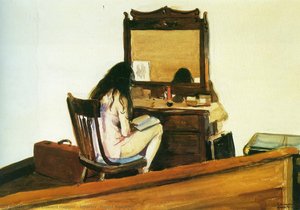
 Aperçu en situation
 Envoyer
 Partager
 Détails de l'œuvre

 Télécharger
 Articles similaires
 Radiographie
 Diaporama
 Statistiques
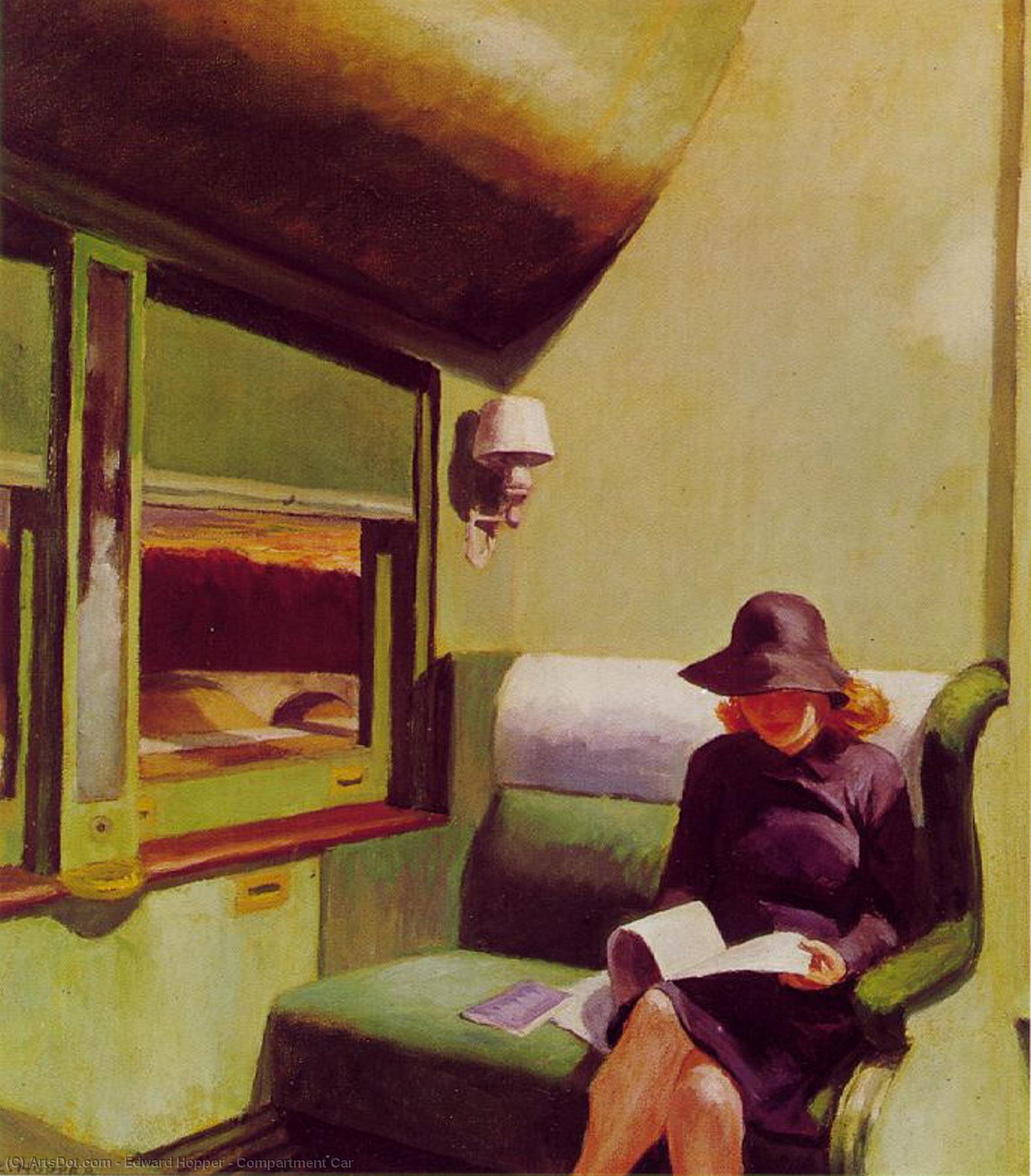
Voiture à compartiments


 Lire la suite
Giclées et impressions d'art
Impressions giclées ou sur toile de qualité musée, avec une production rapide et des finitions au choix. ( Commander la reproduction peinte à la main Passer à l'image numérique)




P118B $10

P118H $10

P118W $10

P438Z $10

P508JH $12

P508YH $12

P805H $10

P805Z $10

P919BZ $10

P919G $10

P919XJ $10

P959ZH $10

P968JZ $12

W106C $8

W218G $10

W218JH $8

W218Y $10

W307PJ $10

W316G $10

W316PJ $8

W316Y $10

W398PJ $8

W4111J $10

W500HY $15

W500JH $15

W692G $12

W849H $8

W940BG $15

W953PJ $8




Choisissez parmi nos formats prédéfinis qui respectent les proportions originales de l’œuvre.

Vous pouvez saisir vos propres dimensions pour vous adapter à un cadre ou à un espace spécifique. Si la taille sélectionnée ne correspond pas aux proportions de l'image originale, nous recadrerons l'œuvre ou étendrons l'image avec une bordure en miroir ou une couleur unie. Une maquette numérique vous sera envoyée pour approbation avant le début de la production.
Veuillez noter que l'aperçu à l'écran ne reflète pas le recadrage ou l'extension réelle. Seule la maquette montrera avec précision la composition finale.
Bien que des tailles personnalisées soient disponibles, nous vous recommandons de choisir une dimension dans la liste prédéfinie afin de préserver les proportions originales.
Livraison dans le monde entier () en 2 semaines au lieu des 4/5 semaines habituelles. (10 septembre)

Livraison express gratuite dans le monde entier

Toile de lin de haute qualité

Assurance transport complète

Garantie de remboursement des droits de douane

Garantie de fidélité des couleurs

Garantie de retour de 100 jours (uniquement en cas de défaut)

Garantie de remboursement à 100%

Tarifs dégressifs sur quantité
 L'option verre n'est disponible que pour les dimensions inférieures à 110 cm.

Voiture à compartiments
Giclées et impressions d'art
Format de la reproduction
-


Prix total final
$ 80
« Compartment Car » d'Edward Hopper : Une étude de l'isolement moderne
L’œuvre « Compartment Car » (1931) d'Edward Hopper est bien plus qu'une simple représentation d'un voyage en train ; c'est une méditation méticuleusement élaborée sur la solitude, l'aliénation urbaine et les drames silencieux qui se jouent au cœur des moments apparemment banals de la vie moderne. Peinte durant une période de mutations sociales et technologiques majeures en Amérique — marquée par l'essor du chemin de fer, l'urbanisation croissante et un sentiment naissant de détachement individuel — la toile résonne d'une profondeur psychologique profonde qui continue de captiver les spectateurs près d'un siècle plus tard. L'usage magistral de la lumière et de l'ombre par Hopper, combiné à son observation précise de la forme humaine, élève cette scène au rang de symbole puissant des angoisses et des incertitudes inhérentes à l'expérience moderne.
- Sujet : Le tableau se concentre sur une femme absorbée par sa lecture dans un compartiment de train. Ce sujet, en apparence simple, est imprégné de multiples strates de signification, représentant non seulement un trajet, mais aussi un retrait du monde, un espace privé sculpté au milieu du flux incessant de la vie urbaine.
- Composition : La composition délibérée de Hopper attire l'œil vers la figure centrale, accentuant son isolement par sa posture et l'interaction limitée qu'elle entretient avec les autres passagers. Les lignes diagonales du compartiment contribuent à un sentiment de mouvement et d'inquiétude, faisant écho au tumulte intérieur que ressent peut-être la femme elle-même.
- Technique : La technique emblématique de Hopper — caractérisée par une netteté précise, un détail réaliste et une qualité presque photographique — est manifeste dans le rendu des textures, de l'étoffe usée du siège au lustre de la couverture du livre. Cette approche méticuleuse confère un poids tangible à la scène, l'ancrant dans une réalité reconnaissable tout en intensifiant son impact émotionnel.
La poétique de l'ombre et de la lumière
Le génie de Hopper ne réside pas seulement dans sa maîtrise technique, mais dans sa capacité à manipuler l'ombre et la lumière pour évoquer des humeurs et des éternités spécifiques. La lumière naturelle, diffuse et tamisée, filtrant à travers la fenêtre, crée un sentiment de mystère et de mélancolie, projetant de longues ombres qui obscurcissent les visages des autres passagers et renforcent l'isolement de la femme. Cet usage du clair-obscur — ce contraste dramatique entre l'ombre et la clarté — est une marque de fabrique du style de Hopper et contribue de manière significative à la puissance évocatrice de la peinture. Les subtiles variations de tons créent une sensation de profondeur et d'atmosphère, plongeant le spectateur dans la scène et l'invitant à la contemplation.
- Palette de couleurs : La palette de couleurs sourdes — dominée par les bruns, les gris et les bleus — renforce l'humeur sombre du tableau. L'utilisation sobre de la couleur par Hopper évite toute expression émotionnelle excessive, permettant au spectateur d'interpréter la scène selon ses propres expériences et sensibilités.
- Symbolisme : L'horloge sur le mur sert de rappel poignant du passage du temps, ajoutant une couche supplémentaire de complexité à la scène. Elle suggère que la femme est prisonnière d'un instant, suspendue entre passé et futur, incapable d'échapper à la marche implacable du temps.
Contexte historique et vision de Hopper
"Compartment Car" a été créé durant une période de profonds changements sociaux et économiques aux États-Unis. L'essor de l'industrialisation et de l'urbanisation avait entraîné une mobilité accrue et un sentiment croissant d'aliénation, particulièrement chez ceux qui se retrouvaient à la dérive dans le paysage impersonnel des villes modernes. Les peintures de Hopper reflétaient souvent ce climat de désillusion et d'incertitude, capturant la solitude et l'isolement que ressentaient de nombreux Américains malgré leur connexion croissante grâce aux progrès technologiques. L'œuvre de Hopper s'inscrit dans le mouvement artistique plus large du Régionalisme américain, qui cherchait à dépeindre les réalulations de la vie quotidienne en Amérique, notamment dans les cadres urbains. Son attention portée à des sujets ordinaires — un restaurant, un grand magasin, un compartiment de train — a élevé ces scènes au rang de déclarations puissantes sur la condition humaine.
Impact émotionnel et héritage artistique
« Compartment Car » continue de résonner chez les spectateurs d'aujourd'hui car il touche à des thèmes universels de solitude, d'introspection et de quête de sens dans un monde complexe. La capacité de Hopper à capturer des émotions aussi profondes à travers une imagerie apparemment simple témoigne de son génie artistique. Ce tableau illustre l'héritage durable de Hopper en tant que l'un des artistes américains les plus importants du XXe siècle, dont le travail continue de provoquer la réflexion et d'inspirer la contemplation sur la nature même de la vie moderne.
Biographie de l'artiste
**jeunesse et influences**
Edward Hopper, peintre et graveur américain réaliste de premier plan, est né le 22 juillet 1882 à Upper Nyack, New York. Sa famille, d'ascendance principalement néerlandaise, lui a offert une éducation confortable qui lui a permis de poursuivre ses inclinations artistiques dès son plus jeune âge. - **inspirations :** L’œuvre de Hopper a été influencée par les écrits de Ralph Waldo Emerson et des maîtres impressionnistes français Édouard Manet et Edgar Degas. - **formation précoce :** Il a commencé à étudier l'art grâce à un cours par correspondance en 1899, puis est passé à l’École d'Art et de Conception de New York.**style artistique et thèmes**
Edward Hopper's rendus sobres et soigneusement calculés reflétaient sa vision personnelle de la vie américaine moderne. Son travail peut être caractérisé par : - **scènes urbaines et rurales :** Les deux ensembles étaient dépeints avec un mélange unique de réalisme et d’émotion profonde. - **lumière :** Maîtrise de la lumière, souvent utilisée pour évoquer des sentiments d'isolement ou de contemplation. - **figures :** Souvent sans visage ou en arrière-plan, mettant l'accent sur l'environnement plutôt que sur les figures.**œuvres notables et leur signification**
- House by the Railroad (Musée d'Art Moderne, New York, États-Unis), un exemple de la capacité de Hopper à évoquer un sentiment de mélancolie grâce à une composition simple mais puissante. - Reclining Nude (50 x 35 cm, Nouveau Réalisme, aquarelle), mettant en valeur sa versatilité pour capturer la forme humaine.**Héritage et influence**
- **Influence sur les artistes futurs :** Le style unique de Hopper a influencé de nombreux artistes, dont Pierre Sanford Ross, connu pour ses scènes urbaines et rurales. - **Popularité durable :** Ses œuvres continuent de captiver le public par leurs thèmes intemporels de solitude et de la condition humaine.**Explorez davantage sur OriginalUniqueArt**
- [https://OriginalUniqueArt.com/@/edward-hopper](Œuvres d'Edward Hopper) - /fr/art/show/art-8xyffg-fr/Achetez de l'art inspiré par les maîtres]- Plongez dans le monde de l'art grâce à la vaste collection de OriginalUniqueArt.
- Découvrez comment l'héritage d' Edward Hopper continue d'inspirer les artistes et les amateurs d'art.
**Références**
- [https://OriginalUniqueArt.com/@/edward-hopper](Wikipedia : Edward Hopper) - [https://en.wikipedia.org/wiki/edward_hopper](Biographie d'Edward Hopper sur Wikipédia)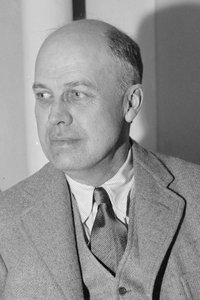
Edward Hopper
1931 - 1967 , États-Unis d'Amérique
En bref
- Artistes Influents:
- Ralph Waldo Emerson
- Édouard Manet
- Edgar Degas
- Date De Décès: 1967
- Date De Naissance: 22 juillet 1882
- Influence Sur Les Artistes: ['Pierre Sanford Ross']
- Lieu De Naissance: Upper Nyack, États-Unis
- Nationalité: Américaine
- Nom Complet: Edward Hopper
- Oeuvres Notables:
- House by the Railroad
- Nighthawks
- Gas
- Chop Suey
- Summertime
- Style Artistique: Réalisme américain
Articles similaires

The Enduring Legacy of Fine Art Prints: Technique, History & Aesthetic Impact
Explore the rich history & techniques of fine art prints. Discover investment potential, assess authenticity, and learn how to preserve your collection with expert guidance. Trusted insights for discerning collectors.

Echoes of Time: Exploring the Enduring Appeal & Historical Context of Vintage Art Prints
Explore the captivating world of vintage art prints! Discover their history, collecting tips & enduring appeal. Expert insights on chromolithography and building a legacy collection with OriginalUniqueArt.

Giclée Prints: Archival Quality & Aesthetic Nuances for the Discerning Collector
Explore the world of giclée prints with OriginalUniqueArt. Learn about archival quality, aesthetic nuances & investment potential. Expert guidance for discerning art collectors seeking museum-quality reproductions and lasting value.
The Enduring Legacy of Printmaking: Techniques, Themes & Artistic Innovation Across Centuries
Explore the rich history of printmaking with OriginalUniqueArt. Discover techniques from intaglio to lithography, learn about collecting valuable prints & find museum-quality reproductions. Expert insights for art enthusiasts and collectors.
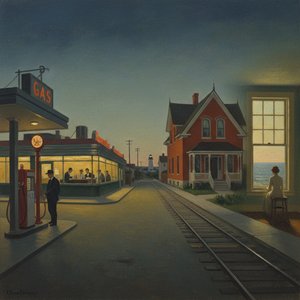
Edward Hopper : Les 25 Œuvres Maîtresses d'un Artiste Américain Intemporel | OriginalUniqueArt
Plongez dans l'univers poignant d'Edward Hopper avec les 25 œuvres incontournables du maître américain. Découvrez la lumière, l'isolation et le réalisme unique de ses tableaux iconiques. Reproductions de qualité muséale sur OriginalUniqueArt.com. Explorez la collection en ligne.