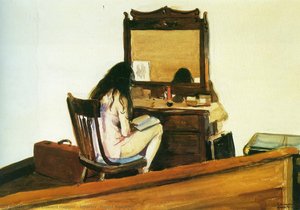
Aperçu en situation
 Partager
 Partager
 Détails
 Guide imprimable

 Télécharger
 Articles similaires
 Radiographie
 Voir le diaporama
 Statistiques
Roofs of the Cobb Barn

 Afficher la suite
Giclées et impressions d'art
Impressions giclées ou sur toile de qualité musée, avec une production rapide et des finitions au choix. ( Acheter la peinture faite à la main Passer au format image numérique)




P118B $10

P118H $10

P118W $10

P438Z $10

P508JH $12

P508YH $12

P805H $10

P805Z $10

P919BZ $10

P919G $10

P919XJ $10

P959ZH $10

P968JZ $12

W106C $8

W218G $10

W218JH $8

W218Y $10

W307PJ $10

W316G $10

W316PJ $8

W316Y $10

W398PJ $8

W4111J $10

W500HY $15

W500JH $15

W692G $12

W849H $8

W940BG $15

W953PJ $8




Choisissez parmi nos formats prédéfinis qui respectent les proportions originales de l’œuvre.

Vous pouvez saisir vos propres dimensions pour vous adapter à un cadre ou à un espace spécifique. Si la taille sélectionnée ne correspond pas aux proportions de l'image originale, nous recadrerons l'œuvre ou étendrons l'image avec une bordure en miroir ou une couleur unie. Une maquette numérique vous sera envoyée pour approbation avant le début de la production.
Veuillez noter que l'aperçu à l'écran ne reflète pas le recadrage ou l'extension réelle. Seule la maquette montrera avec précision la composition finale.
Bien que des tailles personnalisées soient disponibles, nous vous recommandons de choisir une dimension dans la liste prédéfinie afin de préserver les proportions originales.
Livraison dans le monde entier () en 2 semaines au lieu des 4/5 semaines habituelles. (26 septembre)

Livraison express gratuite dans le monde entier

Toile de lin de haute qualité

Assurance transport complète

Garantie de remboursement des droits de douane

Garantie de fidélité des couleurs

Garantie de retour de 100 jours (uniquement en cas de défaut)

Garantie de remboursement à 100%

Tarifs dégressifs sur quantité
 L'option verre n'est disponible que pour les dimensions inférieures à 110 cm.

Roofs of the Cobb Barn
Giclées et impressions d'art
Format de la reproduction
-


Prix total final
$ 80
The Quiet Resonance of Rooftops: Edward Hopper’s “Roofs of the Cobb Barn”
Edward Hopper's "Roofs of the Cobb Barn," a watercolor capturing a humble barn nestled within a rural landscape, isn’t merely a depiction of a building; it’s a distilled essence of American solitude and the subtle poetry of everyday life. Painted in 1930, during a period when Hopper was deeply exploring themes of isolation and urban alienation – a theme that would become synonymous with his work – this piece offers a poignant glimpse into the heartland, revealing a quiet drama within its seemingly simple composition. The painting’s power lies not in grand gestures or dramatic narratives, but in the carefully orchestrated interplay of light, shadow, and form, elements that Hopper masterfully manipulated to evoke a profound sense of introspection.A Study in Light and Shadow – Hopper's Technique
Hopper was renowned for his meticulous observation of light and its effect on space and mood. In “Roofs of the Cobb Barn,” he employs a delicate watercolor technique, layering washes to create an atmospheric depth that belies the painting’s modest scale. The strong directional light, originating from an unseen source, casts long shadows across the barn's weathered surface and illuminates the surrounding trees with a golden glow. Notice how Hopper uses subtle gradations of color – the muted greens of the hills, the warm ochre tones of the building – to establish a believable sense of realism while simultaneously imbuing the scene with an almost dreamlike quality. The artist’s attention to detail is remarkable; from the individual shingles on the barn roof to the texture of the wood and the subtle reflections in the water, every element contributes to the painting's immersive effect. The loose brushstrokes, characteristic of his watercolor style, add a sense of immediacy and spontaneity, as if capturing a fleeting moment in time.Symbolism Within Simplicity – Interpreting the Scene
While seemingly straightforward, “Roofs of the Cobb Barn” is rich with symbolic potential. The barn itself represents a connection to rural America, a bygone era of self-sufficiency and close ties to the land. Its weathered appearance speaks to time and resilience, suggesting a history rooted in hard work and quiet endurance. The two birds perched atop the roof – one centrally positioned, the other slightly off to the right – could be interpreted as symbols of freedom or perhaps even loneliness, mirroring the solitary figure within the scene. The nearby house with its matching red roof subtly reinforces this sense of rural harmony, while the church steeple in the distance hints at a traditional faith and community life. The absence of human figures beyond these subtle details amplifies the painting’s feeling of quiet contemplation – an invitation for the viewer to project their own emotions and experiences onto the scene.The Poetics of Isolation – Hopper's Legacy
“Roofs of the Cobb Barn” is a quintessential example of Edward Hopper’s artistic vision, encapsulating his fascination with American loneliness and the inherent beauty found in solitude. Painted during a period of significant social and economic change in America, Hopper’s work resonated deeply with a nation grappling with urbanization, industrialization, and a growing sense of alienation. His paintings weren't simply representations of places; they were explorations of the human condition – capturing the unspoken emotions and anxieties of modern life. “Roofs of the Cobb Barn” stands as a testament to Hopper’s ability to transform ordinary scenes into profound meditations on the complexities of the American experience, solidifying his place as one of the most influential artists of the 20th century. A reproduction of this evocative work offers a window into Hopper's world and invites us to contemplate our own relationship with space, time, and the quiet moments that define our lives.Biographie de l'artiste
**jeunesse et influences**
Edward Hopper, peintre et graveur américain réaliste de premier plan, est né le 22 juillet 1882 à Upper Nyack, New York. Sa famille, d'ascendance principalement néerlandaise, lui a offert une éducation confortable qui lui a permis de poursuivre ses inclinations artistiques dès son plus jeune âge. - **inspirations :** L’œuvre de Hopper a été influencée par les écrits de Ralph Waldo Emerson et des maîtres impressionnistes français Édouard Manet et Edgar Degas. - **formation précoce :** Il a commencé à étudier l'art grâce à un cours par correspondance en 1899, puis est passé à l’École d'Art et de Conception de New York.**style artistique et thèmes**
Edward Hopper's rendus sobres et soigneusement calculés reflétaient sa vision personnelle de la vie américaine moderne. Son travail peut être caractérisé par : - **scènes urbaines et rurales :** Les deux ensembles étaient dépeints avec un mélange unique de réalisme et d’émotion profonde. - **lumière :** Maîtrise de la lumière, souvent utilisée pour évoquer des sentiments d'isolement ou de contemplation. - **figures :** Souvent sans visage ou en arrière-plan, mettant l'accent sur l'environnement plutôt que sur les figures.**œuvres notables et leur signification**
- House by the Railroad (Musée d'Art Moderne, New York, États-Unis), un exemple de la capacité de Hopper à évoquer un sentiment de mélancolie grâce à une composition simple mais puissante. - Reclining Nude (50 x 35 cm, Nouveau Réalisme, aquarelle), mettant en valeur sa versatilité pour capturer la forme humaine.**Héritage et influence**
- **Influence sur les artistes futurs :** Le style unique de Hopper a influencé de nombreux artistes, dont Pierre Sanford Ross, connu pour ses scènes urbaines et rurales. - **Popularité durable :** Ses œuvres continuent de captiver le public par leurs thèmes intemporels de solitude et de la condition humaine.**Explorez davantage sur OriginalUniqueArt**
- [https://OriginalUniqueArt.com/@/edward-hopper](Œuvres d'Edward Hopper) - /fr/art/show/art-8xyffg-fr/Achetez de l'art inspiré par les maîtres]- Plongez dans le monde de l'art grâce à la vaste collection de OriginalUniqueArt.
- Découvrez comment l'héritage d' Edward Hopper continue d'inspirer les artistes et les amateurs d'art.
**Références**
- [https://OriginalUniqueArt.com/@/edward-hopper](Wikipedia : Edward Hopper) - [https://en.wikipedia.org/wiki/edward_hopper](Biographie d'Edward Hopper sur Wikipédia)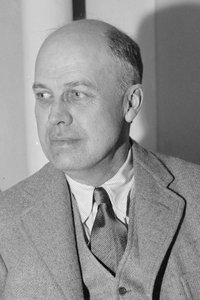
Edward Hopper
1931 - 1967 , États-Unis d'Amérique
En bref
- Artistes Influents:
- Ralph Waldo Emerson
- Édouard Manet
- Edgar Degas
- Date De Décès: 1967
- Date De Naissance: 22 juillet 1882
- Influence Sur Les Artistes: ['Pierre Sanford Ross']
- Lieu De Naissance: Upper Nyack, États-Unis
- Nationalité: Américaine
- Nom Complet: Edward Hopper
- Oeuvres Notables:
- House by the Railroad
- Nighthawks
- Gas
- Chop Suey
- Summertime
- Style Artistique: Réalisme américain
Articles similaires
Edward Hopper : Les 25 Œuvres Maîtresses d'un Artiste Américain Intemporel | OriginalUniqueArt
Plongez dans l'univers poignant d'Edward Hopper avec les 25 œuvres incontournables du maître américain. Découvrez la lumière, l'isolation et le réalisme unique de ses tableaux iconiques. Reproductions de qualité muséale sur OriginalUniqueArt.com. Explorez la collection en ligne.

Ephemeral Visions: Exploring the Artistic Legacy & Contemporary Practice of Watercolor Painting
Explore the captivating world of watercolor painting! Discover its rich history, essential techniques, influential artists & collecting tips. A comprehensive guide for art enthusiasts from OriginalUniqueArt.

Les 10 Chefs-d'œuvre de l'Aquarelle qui ont Révolutionné l'Art | OriginalUniqueArt
Plongez dans l'univers fascinant des 10 chefs-d'œuvre de l'aquarelle qui ont marqué l'histoire de l'art. Découvrez Turner, Monet, Goya et bien d'autres ! Retrouvez ces œuvres emblématiques en reproductions exceptionnelles sur OriginalUniqueArt.com.

Réalisme Américain : 10 Chefs-d'œuvre Incontournables pour une Déco Inspirée
Plongez au cœur du Réalisme Américain avec 10 chefs-d'œuvre d'Edward Hopper, Andrew Wyeth et plus. Découvrez l'histoire et les techniques de ces artistes emblématiques. Reproductions de tableaux de qualité musée sur OriginalUniqueArt.com !

Grant Wood & American Regionalism: Identity, Myth & the Rural Landscape
Explore the world of Grant Wood & American Regionalism with OriginalUniqueArt. Discover the symbolism behind 'American Gothic', recurring themes, and the movement's lasting impact on art history. High-quality reproductions available.