 Passer au format impression
 Lire la suite







































 Pour les œuvres ou reproductions dont un côté mesure plus de 105 cm (environ 41 pouces), le cadre sera expédié sous forme de kit démonté. Cette méthode garantit une livraison sécurisée et prévient tout dommage pendant le transport.


The Painting and Its Context
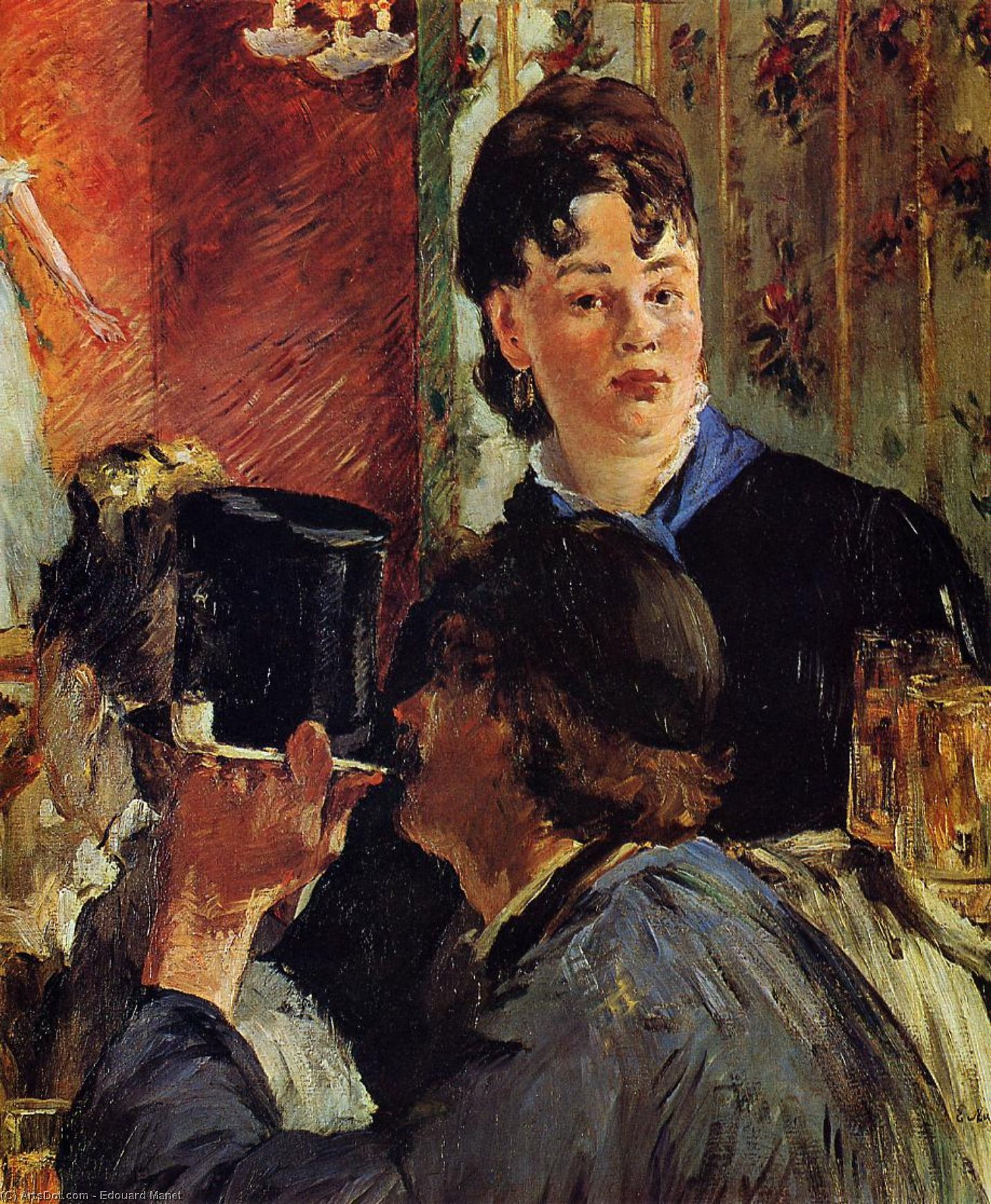
Édouard Manet’s “The Waitress” (also known as “The Beer Serving Girl”), created in 1878, stands as a pivotal work within the burgeoning Impressionist movement. Housed at the Musée du Louvre in Paris, France, this painting transcends mere depiction; it captures a fleeting moment of everyday life—a scene from a Parisian café-concert—and embodies Manet’s innovative approach to artistic representation.
Manet skillfully blended elements of Realism and Impressionism, marking him as a transitional figure between these dominant art styles. Unlike the idealized portrayals favored by academic painters, “The Waitress” presents a raw observation of reality, prioritizing light and atmosphere over meticulous detail. This stylistic choice reflects Manet’s desire to move beyond traditional conventions and engage with the dynamism of modern urban life.
The Composition and Details
The painting's composition is deceptively simple yet profoundly effective. Three figures occupy a dining table, establishing a central focal point. The primary subject is a woman dressed in black attire—a hat perched atop her head—who performs the task of serving drinks or food. Alongside her sits another gentleman, while a third individual stands behind him, adding to the sense of movement and interaction.
Manet’s meticulous attention to detail contributes to the painting's realism. The inclusion of objects like chairs and bottles reinforces the café-concert setting, immersing the viewer in the atmosphere of the time. Furthermore, Manet skillfully employs Impressionist techniques—particularly the dappled brushstrokes—to convey the subtle nuances of light and color, capturing the ephemeral quality of the scene.
Artistic Significance
“The Waitress” sparked considerable controversy upon its debut at the Salon of 1879 due to its unconventional depiction of female nudity. Critics questioned Manet’s artistic license and challenged prevailing societal norms regarding representation. However, this reaction ultimately solidified “The Waitress’” place in art history as a courageous assertion of artistic freedom and a rejection of academic dogma.
Beyond its controversial reception, “The Waitress” exemplifies Manet's commitment to portraying the human experience with honesty and sensitivity. It serves as a testament to his ability to capture not only visual appearances but also psychological states—the quiet contemplation of the woman gazing out at the viewer—making it an enduring symbol of Impressionist innovation.
Other Notable Works by Manet
Manet’s artistic legacy extends far beyond “The Waitress,” encompassing masterpieces such as “Le Déjeuner sur l'herbe” and “Olympia.” These paintings similarly challenged conventions and provoked critical debate, cementing Manet’s reputation as a trailblazer of modern art.
"Le Déjeuner sur l'herbe," exhibited at the Salon of 1863, depicted nude figures in a pastoral setting—a daring departure from academic tradition. Its provocative imagery ignited discussions about artistic morality and challenged viewers to confront uncomfortable truths about societal attitudes toward sexuality.
"Olympia," unveiled at the Salon of 1865, presented a scandalous portrait of a prostitute reclining on a chaise longue—further fueling controversy and prompting scrutiny of Manet’s artistic choices. Like “The Waitress,” Olympia exemplifies Manet's willingness to confront societal prejudices and champion artistic experimentation.
Relevance to OriginalUniqueArt.com
OriginalUniqueArt.com offers exceptional reproductions of Édouard Manet’s iconic artworks, allowing enthusiasts to appreciate these masterpieces in stunning detail. Our skilled artisans meticulously recreate “The Waitress” using traditional oil painting techniques—capturing the essence of Manet's vision with unparalleled accuracy.
Conclusion
"The Waitress" remains a cornerstone of Impressionist art history—a testament to Édouard Manet’s artistic courage and his unwavering dedication to portraying the complexities of modern life. For those seeking to adorn their homes with a piece of art history, OriginalUniqueArt.com presents an unparalleled opportunity to acquire a beautifully crafted reproduction that honors Manet's legacy.
Questions et réponses
Qui est l'artiste derrière « La Serveuse de bocks » ?
L'artiste à l'origine de « La Serveuse de bocks » est Édouard Manet. L'œuvre est répertoriée sous le nom de Édouard Manet.
Quelle est la date de création et le mouvement artistique de «La Serveuse de bocks» de Édouard Manet ?
«La Serveuse de bocks» de Édouard Manet date de 1878 et appartient au mouvement Impressionist Realism.
Quelle taille de reproduction est suggérée pour «La Serveuse de bocks» de Édouard Manet ?
La taille d'impression recommandée pour «La Serveuse de bocks» de Édouard Manet est Grand format.
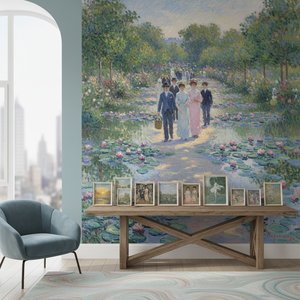
 Aperçu en situation
 Envoyer
 Partager
 Détails de l'œuvre
 Guide
Guide

 Télécharger l'image
 Articles similaires
 Radiographie
 Diaporama
 Q&A
Q&A Statistiques