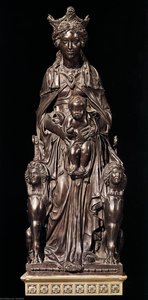
Aperçu en situation
 Partager
 Partager
 Détails
 Guide imprimable

 Télécharger
 Articles similaires
 Radiographie
 Voir le diaporama
 Statistiques
Crucifix
 Acrylique sur toile
- Art mural
- Early Renaissance
 1412
1412 168.0 x 173.0 cm
 Santa Croce
 Afficher la suite
Reproduction à l'huile faite à la main
Huile sur toile peinte à la main, avec cadre et dimensions personnalisés, réalisée sur commande par nos artistes. ( Passer au format impression Passer au format image numérique)




P118B €10

P118H €10

P118W €10

P438Z €10

P508JH €12

P508YH €12

P805H €10

P805Z €10

P919BZ €10

P919G €10

P919XJ €10

P959ZH €10

P968JZ €12

W106C €8

W218G €10

W218JH €8

W218Y €10

W307PJ €10

W316G €10

W316PJ €8

W316Y €10

W398PJ €8

W4111J €10

W500HY €15

W500JH €15

W692G €12

W849H €8

W940BG €15

W953PJ €8




Choisissez parmi nos formats prédéfinis qui respectent les proportions originales de l’œuvre.

Saisissez la largeur et la hauteur souhaitées, pour s'adapter à votre cadre ou à votre mur. Cette œuvre est peinte à la main ; ainsi, pour un format de forme différente, l'artiste peut peindre un peu plus autour du tableau ou réduire légèrement les bords — c'est vous qui choisissez. Nous vous envoyons une maquette numérique pour approbation avant que la peinture ne commence. L'image présentée sur cette page ne reflète pas le résultat réel — seule la maquette le fait.
Après la commande, l’équipe OriginalUniqueArt.com contactera le client par e-mail pour recueillir ses instructions et lui fournira une maquette d’aperçu
Livraison dans le monde entier () en 3 à 4 semaines au lieu des 5 semaines habituelles. (20 octobre). Aucun compromis sur la qualité.

Livraison express gratuite dans le monde entier

Toile de lin de haute qualité

Assurance transport complète

Garantie de remboursement des droits de douane

Garantie de fidélité des couleurs

Garantie de retour de 100 jours (uniquement en cas de défaut)

Garantie de remboursement à 100%

Tarifs dégressifs sur quantité
 L'option verre n'est disponible que pour les dimensions inférieures à 110 cm.

Crucifix
Technique de reproduction
Format de la reproduction
-


Prix total final
€ 305
A Moment of Profound Sorrow and Spiritual Triumph
Donatello's 1412 Crucifix, housed within the Basilica of Santa Croce in Florence, isn’t merely a depiction of Christ on the cross; it’s a visceral experience. This early Renaissance masterpiece transcends simple representation, plunging the viewer into the heart of Christian theology and embodying the profound tension between suffering and redemption. Crafted from richly-toned pearwood, the sculpture immediately commands attention with its remarkably realistic portrayal of the human form – a radical departure from the idealized figures prevalent in preceding artistic traditions. Donatello masterfully captures not just the physical agony of Christ’s crucifixion but also an underlying sense of quiet dignity and acceptance, inviting contemplation on themes of sacrifice and faith.
The sculpture's power lies partly in its innovative approach to realism. Vasari famously remarked that Donatello had sculpted a “contadino” – a peasant – rather than a divine figure, highlighting the artist’s deliberate choice to humanize Christ, making his suffering relatable and deeply affecting. The musculature of Christ’s body is rendered with meticulous detail, conveying both the strain of the nails piercing his flesh and the subtle grace of his posture. The loincloth, meticulously carved, adds another layer of realism, anchoring the figure in a tangible, earthly reality. This deliberate focus on human anatomy was revolutionary for its time, setting a new standard for artistic representation and influencing generations of sculptors to come.
Technique and Materials: A Testament to Early Renaissance Skill
Donatello’s mastery is evident not only in the sculpture's realism but also in his skillful manipulation of materials. The pearwood, chosen for its rich color and durability, provides a warm, resonant base for the vibrant polychrome pigments that bring the figure to life. The artist employed a technique known as *polychromy*, applying layers of paint – primarily reds, browns, and golds – to create an illusion of depth and texture. The intricate detailing of the nails driven into Christ’s hands and feet is particularly noteworthy, demonstrating Donatello's precision and control.
Beyond the pigments, the sculpture’s construction itself speaks volumes about Renaissance craftsmanship. The wood was carved with painstaking care, utilizing a subtractive method – removing material to reveal the desired form. The lead lines forming the cross are expertly executed, creating a strong structural framework while simultaneously contributing to the overall aesthetic impact. This combination of sculptural skill and meticulous attention to detail exemplifies the artistic standards of the early Renaissance period.
Symbolism and Spiritual Resonance
The Crucifix is laden with symbolic meaning, reflecting core tenets of Christian belief. The cross itself represents sacrifice, atonement for humanity’s sins, and the path to salvation. Christ's suffering embodies humility, obedience, and love – qualities deeply valued within the Christian tradition. The figure’s serene expression, despite his evident pain, suggests a profound acceptance of God’s will and an unwavering faith in the promise of resurrection.
Furthermore, Donatello’s depiction subtly shifts from the traditional Byzantine emphasis on Christ as a glorious, divine being to a more humanistic portrayal – a hallmark of the Renaissance. This shift reflects a growing interest in earthly experience and the potential for humanity to connect with the divine through empathy and understanding. The sculpture invites viewers not just to witness Christ's suffering but also to contemplate their own capacity for compassion and faith.
A Legacy of Artistic Innovation
Donatello’s Crucifix stands as a pivotal work in the transition from medieval to Renaissance art, demonstrating a remarkable fusion of classical influences with Christian iconography. It represents a significant departure from earlier depictions of Christ on the cross, characterized by stylized forms and symbolic gestures. The sculpture's realism, emotional depth, and technical virtuosity established new standards for artistic representation and profoundly influenced subsequent generations of artists. Today, it remains a powerful testament to the enduring legacy of Donatello and his contribution to the development of Western art.
Questions et réponses
Dans quelle pièce de la maison une reproduction de « Crucifix » s'intégrerait-elle bien ?
«Crucifix» de Donatello est recommandé pour une Salon. Cette suggestion s'appuie sur le sujet, les couleurs et l'atmosphère de l'œuvre.
Quelle est l'orientation de «Crucifix» de Donatello ?
«Crucifix» de Donatello est une composition en Format portrait. Il convient de vérifier les proportions avant de choisir un format d'impression.
Quelle émotion «Crucifix» de Donatello exprime-t-il au sein du mouvement Early Renaissance ?
Au sein du mouvement Early Renaissance, « Crucifix » est empreint d'un ton Transcendant.
Biographie de l'artiste
Premières années et carrière
Œuvres clés et innovations L'œuvre la plus célèbre de Donatello, David, était la première sculpture masculine nue autoportante depuis l'Antiquité. Commandée par la famille Médicis, elle mettait en valeur son style innovant et son expertise technique. Parmi les autres œuvres notables figurent :- , créé pour le campanile de Santa Maria del Fiore à Florence, se caractérisait par de forts détails portraitistiques.
- Un crucifix (1425) pour Santa Croce, qui représentait le Christ dans un moment d’agonie.
Style artistique et héritage
Le style de Donatello peut être divisé en phases générales, commençant par le développement de l'expressivité et du monumentalité classique. Son travail n'a pas été immédiatement accepté par la communauté, mais est finalement devenu le plus populaire, influençant d’autres cours italiennes et des artistes européens. Mouvements artistiques clés :Vie personnelle et style de travail
Donatello était connu pour être aimable et apprécié, mais peu doué sur le plan commercial dans sa carrière. Il avait tendance à accepter plus de commandes qu’il ne pouvait en gérer, achevant souvent les œuvres avec retard ou en les confiant à d'autres sculpteurs. Œuvres d'art notables et artistes :- Leonardo da Vinci: Annonciation (détail)
- Amico Aspertini: Statua di pan/leone che azzanna un cavallo
- Michelangelo Buonarroti: Tondo Pitt
Musées et collections d'art :
- Museo della Collegiata (Empoli, Italie): un joyau caché de la Renaissance, présentant des œuvres de Francesco Botticini et Raffaello Botticini.
- Le mouvement artistique de la première Renaissance italienne

Donatello
1386 - 1466 , Italie
En bref
- Artistic Movement Or Style: Renaissance primitive
- Artists Or Movements Influenced By This Artist: ['Michel-Ange Buonarroti']
- Date Of Birth: c. 1386
- Date Of Death: 1466
- Full Name: Donatello (Donato di Niccolò)
- Nationality: Italienne
- Notable Artworks:
- David
- St. Louis de Toulouse
- Sacrifice d'Isaac
- Crucifix (1425)
- Place Of Birth: Florence, Italie
Articles connexes

The Enduring Form: Exploring Themes & Techniques in Sculpture Across Historical Periods
Explore the rich history of sculpture from ancient masterpieces to contemporary innovations. Discover key techniques, influential artists & investment potential for discerning art collectors.

Les 10 Chefs-d'œuvre en Bronze qui ont Révolutionné l'Art : Collection OriginalUniqueArt
Plongez dans l'univers fascinant des 10 chefs-d'œuvre en bronze qui ont marqué l'histoire de l'art. Découvrez Rodin, Degas et les secrets de ces sculptures iconiques. Reproductions d'art exceptionnelles sur OriginalUniqueArt.com – Explorez la collection !

The Enduring Form: Sculpture Across History, Technique & Emotional Resonance
Explore the rich history of sculpture with OriginalUniqueArt. Discover key techniques, influential artists & investment potential for discerning collectors. Expert insights into valuing and collecting timeless masterpieces.

Les 10 Chefs-d'œuvre Bronzes Qui Ont Révolutionné la Sculpture | OriginalUniqueArt
Plongez dans l'univers fascinant des 10 sculptures en bronze les plus emblématiques de l'histoire de l'art. Rodin, Degas et autres maîtres révélés ! Découvrez leur histoire, leurs techniques et trouvez l'œuvre parfaite pour sublimer votre intérieur sur OriginalUniqueArt.com.

Luminous Masterpieces: The Captivating Beauty and Timeless Elegance of Stained Glass Artworks
Embark on a visual journey through the luminous world of stained glass art. Discover the exquisite craftsmanship, historical significance, and captivating beauty of masterworks from Art Nouveau to the Gothic era, curated for the discerning fine art enthusiast.