
 Aperçu en situation
 Envoyer
 Partager
 Détails de l'œuvre
 Guide
Guide

 Télécharger l'image
 Articles similaires
 Radiographie
 Diaporama
 Statistiques
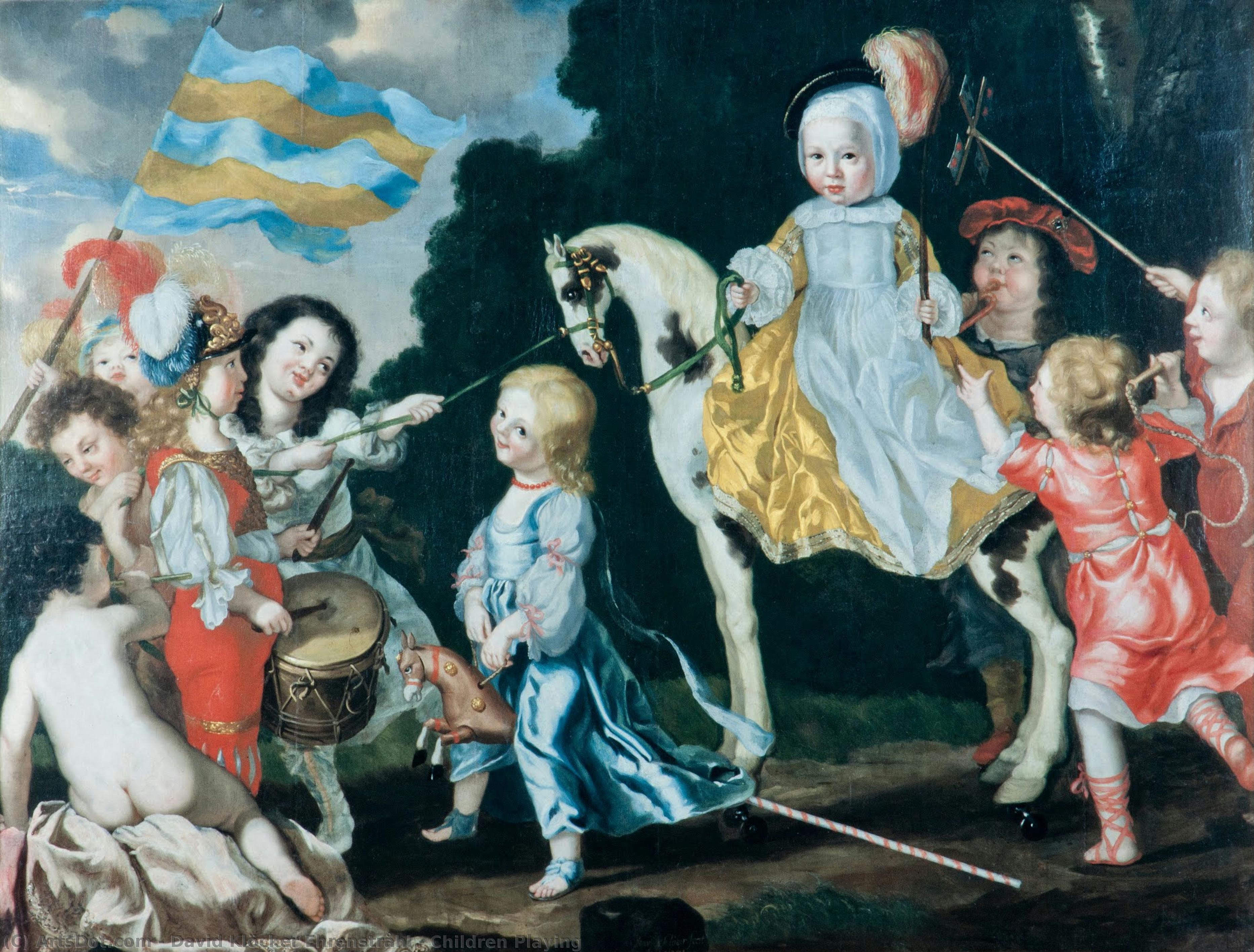
Children Playing


 Lire la suite
Giclées et impressions d'art
Impressions giclées ou sur toile de qualité musée, avec une production rapide et des finitions au choix. ( Commander la reproduction peinte à la main Passer au format numérique)




P118B €10

P118H €10

P118W €10

P438Z €10

P508JH €12

P508YH €12

P805H €10

P805Z €10

P919BZ €10

P919G €10

P919XJ €10

P959ZH €10

P968JZ €12

W106C €8

W218G €10

W218JH €8

W218Y €10

W307PJ €10

W316G €10

W316PJ €8

W316Y €10

W398PJ €8

W4111J €10

W500HY €15

W500JH €15

W692G €12

W849H €8

W940BG €15

W953PJ €8




Choisissez parmi nos formats prédéfinis qui respectent les proportions originales de l’œuvre.

Saisissez la largeur et la hauteur souhaitées pour qu'elles s'adaptent à votre cadre ou à votre mur. Une impression peut être recadrée, mais jamais agrandie au-delà de l'image originale ; ainsi, un format de forme différente entraînera la perte d'une partie de l'image. Nous vous envoyons une maquette numérique pour approbation avant toute impression. L'image présentée sur cette page ne montre pas le recadrage réel — seule la maquette le permet.
Livraison dans le monde entier () en 2 semaines au lieu des 4/5 semaines habituelles. (25 octobre)

Livraison express gratuite dans le monde entier

Toile de lin de qualité supérieure

Assurance transport complète

Garantie de remboursement des droits de douane

Garantie de fidélité des couleurs

Politique de retour de 100 jours (uniquement en cas de défaut)

Garantie de remboursement à 100%

Offre de tarifs dégressifs
 L'option verre n'est disponible que pour les dimensions inférieures à 110 cm.

Children Playing
Giclées et impressions d'art
Format de la reproduction
-


Prix total
€ 70
A Symphony of Youth and Nobility
In the soft, golden light of 1651, a moment of pure, unadulterated joy was captured on canvas by the burgeoning hand of David Klöcker Ehrenstrahl. Children Playing is not merely a depiction of pastoral leisure; it is a vibrant window into the aristocratic life of the Swedish Baroque era. The composition breathes with a lively energy, centering on the young Eleonora Sophia, daughter of the powerful Carl Gustaf Wrangel, perched gracefully upon her horse. Beside her, the rhythmic pulse of childhood is felt through her brother, Carl Philip Wragtel, whose focused attention on his drum adds a percussive heartbeat to the visual melody. This masterpiece serves as an intimate glimpse into a world where the innocence of youth meets the structured grandeur of nobility.
The scene unfolds within a sprawling, sun-drenched field, where the boundaries between nature and domesticity blur beautifully. As one wanders through the painting, the eye is led across a tapestry of interaction: at least nine figures, ranging from tender toddlers to watchful adults, weave a narrative of companionship. The presence of three horses—positioned strategically to guide the viewer's gaze from the center to the periphery—adds a sense of movement and scale to the landscape. Ehrenstrahl’s early mastery is evident in how he captures the tactile reality of the scene, from the sheen on the horses' coats to the spirited expressions of children lost in the magic of their surroundings.
Symbolism and the Allegory of Life
Beyond its surface charm, Children Playing functions as a profound allegory of existence. Painted during Ehrenstrahl’s influential stay at the Wrangel residence in Wolgast, the work is deeply layered with meaning. It is often interpreted as a meditation on the life of Eleonora Sophia herself, surrounded by her siblings—both those present in the flesh and those perhaps lost to time. This interplay between the living and the non-living creates a poignant tension, transforming a simple afternoon of play into a reflection on legacy, family lineage, and the fleeting nature of childhood. The painting captures a sense of "memento vivere"—a reminder to live—while subtly acknowledging the weight of the history that surrounds these young heirs.
For the discerning collector or interior designer, this work offers an unparalleled emotional depth. It possesses the ability to anchor a room with its historical gravity while simultaneously infusing a space with warmth and light. The Baroque technique, characterized by its dramatic use of light and shadow and its emphasis on movement, ensures that the piece remains dynamic regardless of the setting. Whether placed in a grand library or a contemporary living space, a high-quality reproduction of this work invites conversation, evoking a sense of nostalgia for a lost era of elegance and the timeless, universal spirit of play.
Questions et réponses
Que représente "Children Playing" et quelle atmosphère s'en dégage ?
«Children Playing» de David Klöcker Ehrenstrahl dépeint children, horses, field, boy playing drum, girl on horse, landscape, dans une atmosphère Playful. Le sujet et l'ambiance définissent ensemble l'œuvre.
À quelle étape de la carrière de David Klöcker Ehrenstrahl appartient « Children Playing » (1651) ?
«Children Playing», créé en 1651, appartient à la période Early Period de la carrière de David Klöcker Ehrenstrahl.
Où puis-je voir l'original de «Children Playing» de David Klöcker Ehrenstrahl ?
«Children Playing» de David Klöcker Ehrenstrahl est exposé au Château de Skokloster, Skokloster, Suède. La mention du musée se rapporte à l'œuvre originale et non aux reproductions.
Biographie de l'artiste
un noble suédois et un portraitiste en devenir
david klöcker ehrenstråhl, noble suédois et maître du portrait, a laissé une empreinte indélébile sur le monde de l'art grâce à ses œuvres captivantes. Né le 23 septembre 1628 à Hambourg, en Allemagne, le parcours artistique d'Ehrenstråhl témoigne d'un talent inné et d'une dévotion sans faille à sa discipline.jeunesse et formation artistique
Fils de Johann Klöcker et issu d'une fratrie de huit enfants, son destin bascule en 1648 lorsqu'il voyage vers Amsterdam. C'est dans cette métropole vibrante qu'il apprend l'art de la peinture sous la direction magistrale de juriaen jacobsze (1624–1685). Cette formation fondamentale a posé les jalons de ses futures prouesses artistiques.œuvres notables et accomplissements
Parmi ses réalisations les plus marquantes, on trouve le portrait du comte wrangel à cheval (conservé au château de Skokloster, en Suède, huile sur toile), signé et daté de 1652, qui figure parmi les premiers portraits équestres d'une personne non royale réalisés par l'artiste. Plus tard, entre 1670 et 1675, il a accompli son chef-d'œuvre absolu : la fresque monumentale du plafond intitulée les grandes exploits des rois suédois, située au Palais des Chevaliers (Riddarhuspalatset).héritage artistique et influence
L'héritage d'Ehrenstråhl s'étend bien au-delà de ses propres toiles, car il a transmis son savoir à des élèves illustres tels que mikael dahl et david von krafft, ainsi qu'à sa propre fille, anna maria ehrenstrahl. Son influence durable sur le monde de l'art demeure un témoignage vibrant de son impact historique.- découvrez les œuvres de david klöcker ehrenstråhl sur OriginalUniqueArt.com
- explorez la biographie d'Ehrenstråhl sur wikipedia
- en savoir plus sur le comte wrangel à cheval sur OriginalUniqueArt.com
23 septembre 1628 : naissance à Hambourg, Allemagne
1648 : voyage à Amsterdam pour sa formation artistique
1670-1675 : création de la fresque des grands exploits des rois suédois
23 octobre 1698 : décès à Stockholm, Suède

David Klöcker Ehrenstrahl
1628 - 1698 , Allemagne
L'essentiel de l'artiste
- Artistic Movement Or Style: Paysage hollandais classique
- Artists Or Movements Influenced By This Artist:
- Gainsborough
- Constable
- Artists Who Influenced This Artist: ['Salomon van Ruysdael']
- Date Of Birth: 1628/9 ?
- Date Of Death: 1682
- Full Name: Jacob van Ruisdael
- Nationality: Néerlandais
- Notable Artworks:
- Le cimetière juif
- Vue du château de Bentheim
- Une mare entourée d'arbres
- Place Of Birth: Haarlem, Pays-Bas
Articles connexes

Les 10 Chefs-d'œuvre Baroques qui ont Révolutionné l'Art |
Plongez au cœur du baroque avec les 10 chefs-d'œuvre de Caravaggio, Rembrandt et Rubens. Découvrez l'histoire fascinante de ces artistes et leurs tableaux célèbres. Reproductions d'art de qualité muséale sur – Explorez la collection !

The Equine Muse: A Historical & Artistic Exploration of Horses in Painting
Explore the captivating history of horses in painting! Discover Renaissance masterpieces, Baroque grandeur & expert insights for collecting equestrian art. Learn about symbolism, techniques & lasting value with OriginalUniqueArt.

The Dramatic Flourish: Exploring the Baroque Movement's Enduring Legacy in Art History
Explore the dramatic world of Baroque art! Discover iconic artists like Caravaggio & Rubens, defining techniques, and its lasting impact on art history. Expert insights for collectors & enthusiasts at OriginalUniqueArt.

Le Drame Baroque : L'Art qui Apporte la Splendeur dans Votre Intérieur
Plongez dans l'univers somptueux du baroque ! Découvrez son histoire, comment l'intégrer à votre intérieur et les œuvres incontournables. : reproductions d'art de qualité supérieure.
The Noble Steed on Canvas: A Historical & Artistic Exploration of Horse Painting Across Cultures
Explore the rich history of horse painting! Discover masterpieces from Stubbs to Munnings & learn about symbolism, techniques & artists. Find museum-quality reproductions at OriginalUniqueArt.