

 Aperçu en situation
 Partager
 Partager
 Détails
 Guide imprimable

 Télécharger
 Articles similaires
 Radiographie
 Voir le diaporama
 Statistiques
The Wyndcliff, River Wye


 Afficher la suite
Reproduction à l'huile faite à la main
Huile sur toile peinte à la main, avec cadre et dimensions personnalisés, réalisée sur commande par nos artistes. ( Passer au format impression Passer au format image numérique)




P118B €10

P118H €10

P118W €10

P438Z €10

P508JH €12

P508YH €12

P805H €10

P805Z €10

P919BZ €10

P919G €10

P919XJ €10

P959ZH €10

P968JZ €12

W106C €8

W218G €10

W218JH €8

W218Y €10

W307PJ €10

W316G €10

W316PJ €8

W316Y €10

W398PJ €8

W4111J €10

W500HY €15

W500JH €15

W692G €12

W849H €8

W940BG €15

W953PJ €8




Choisissez parmi nos formats prédéfinis qui respectent les proportions originales de l’œuvre.

Saisissez la largeur et la hauteur souhaitées, pour s'adapter à votre cadre ou à votre mur. Cette œuvre est peinte à la main ; ainsi, pour un format de forme différente, l'artiste peut peindre un peu plus autour du tableau ou réduire légèrement les bords — c'est vous qui choisissez. Nous vous envoyons une maquette numérique pour approbation avant que la peinture ne commence. L'image présentée sur cette page ne reflète pas le résultat réel — seule la maquette le fait.
Après la commande, l’équipe OriginalUniqueArt.com contactera le client par e-mail pour recueillir ses instructions et lui fournira une maquette d’aperçu
Livraison dans le monde entier () en 3 à 4 semaines au lieu des 5 semaines habituelles. (25 octobre). Aucun compromis sur la qualité.

Livraison express gratuite dans le monde entier

Toile de lin de haute qualité

Assurance transport complète

Garantie de remboursement des droits de douane

Garantie de fidélité des couleurs

Garantie de retour de 100 jours (uniquement en cas de défaut)

Garantie de remboursement à 100%

Tarifs dégressifs sur quantité
 L'option verre n'est disponible que pour les dimensions inférieures à 110 cm.

The Wyndcliff, River Wye
Technique de reproduction
Format de la reproduction
-


Prix total final
€ 263
A Romantic Vision of the Welsh Wilds
In the heart of the nineteenth century, as the Industrial Revolution began to reshape the landscape of Great Britain, the artist David Cox sought refuge in the untamed majesty of the natural world. His 1842 masterpiece, The Wyndcliff, River Wye, stands as a profound testament to the Romantic movement, capturing a moment where the soul of the landscape meets the sublime. This oil painting does not merely document a geographical location in South Wales; it invites the viewer into a deeply emotional encounter with the grandeur of the Wye Valley. Through his masterful lens, the river valley becomes more than just earth and water—it becomes a sanctuary of peace and a theater of light.
The composition is anchored by a commanding presence on the left, where a towering oak tree reaches toward the heavens, acting as a sentinel over the sprawling vista. This structural element guides the eye with grace across the undulating terrain toward a distant, hazy horizon, creating an immense sense of scale. Within this vastness, Cox places small, intimate figures near the water's edge, their presence serving to emphasize the overwhelming magnitude of the cliffs and sky. It is a delicate balance between the human spirit and the infinite power of nature, a hallmark of the Romantic era’s fascination with the awe-inspiring.
Mastery of Light and Atmospheric Depth
Technically, The Wyndcliff, River Wye is a triumph of light manipulation and textural expression. Cox was a virtuoso of atmospheric perspective, utilizing subtle shifts in color and clarity to pull the viewer deep into the painting’s recesses. The way the distant hills soften into a blue-grey mist creates an illusion of infinite space, making the canvas feel as though it breathes with the damp, cool air of the Welsh countryside. The artist employs a dramatic chiaroscuro effect, where strong, directional light pierces through unseen clouds to illuminate patches of foliage and the shimmering surface of the river, while casting deep, velvety shadows across the rugged ground.
The brushwork itself is remarkably expressive, eschewing rigid precision for a more spontaneous, tactile quality. One can almost feel the movement of the wind through the leaves and the steady flow of the current, as Cox’s visible strokes contribute to a sense of immediacy and life. For the discerning collector or interior designer, this texture provides a rich, organic element that brings a dynamic energy to any space. The interplay between the smooth, reflective water and the rough, weathered bark of the ancient trees creates a sensory experience that transcends the flat surface of the canvas.
A Timeless Sanctuary for the Modern Interior
Beyond its technical brilliance, this artwork offers a profound symbolic resonance. In an age often characterized by noise and rapid change, The Wyndcliff, River Wye serves as a window into a world of tranquility and solitude. The river valley symbolizes a retreat from the complexities of urban existence, offering a meditative space for contemplation. It speaks to the eternal human desire to reconnect with the earth and to find stillness amidst the vastness of the universe.
For those looking to curate an environment of sophistication and calm, a high-quality reproduction of this work provides an unparalleled focal point. Its earthy tones, dramatic lighting, and sweeping vistas harmonize beautifully with both classical and contemporary decor, adding a layer of historical depth and emotional warmth to a room. To hang this painting is to invite the enduring spirit of the Welsh landscape into one's home, fostering an atmosphere of quiet strength and breathtaking beauty.
Questions et réponses
Comment « The Wyndcliff, River Wye » s'inscrit-il dans les thèmes et le style de David Cox ?
«The Wyndcliff, River Wye» appartient à l'œuvre Romanticism de David Cox, dont les thèmes récurrents incluent romantic landscape, turner's atmospheric effects, pre-raphaelite detail, nature's majesty", human connection, solitude & reflection, early romantic style.
De quelle période historique date «The Wyndcliff, River Wye» de David Cox ?
La période historique de «The Wyndcliff, River Wye» de David Cox est 19th Century. Cette classification situe l'œuvre dans l'histoire de l'art.
Sous quels autres noms David Cox est-il/elle connu(e) ?
David Cox apparaît sous les noms alternatifs David Cox le Jeune.
Biographie de l'artiste
David Cox : Une Vie au Service du Paysage
Jeunesse et Formation
- Né le : 29 avril 1783, à Deritend, Birmingham, Royaume-Uni.
- Le père de David Cox était un forgeron et un blanc-ferrier fournissant des composants à l'industrie de l'armement de Birmingham. Sa mère, issue d'un milieu agricole, possédait une éducation supérieure et un caractère fort.
- Il s'inscrivit initialement à l'académie de Joseph Barber, dans Great Charles Street, où il fit la connaissance de ses camarade d'études Charles Barber et William Radclyffe.
- À l'âge de 15 ans, Cox devint apprenti auprès d'Albert Fielder, un peintre de Birmingham spécialisé dans les portraits miniatures et les peintures décoratives sur des objets tels que les tabatières. Cette formation précoce lui permit d'acquérir des compétences fondamentales.
Évolution de la Carrière et Parcours Artistique
- En 1804, Cox s'installa à Londres et épousa Mary Ragg, la fille de son propriétaire.
- Un voyage charnière au Pays de Galles en 1emb1805, accompagné de Charles Barber, marqua le début de nombreux périples de croquis tout au long de sa vie. Ces voyages influencèrent profondément son style artistique.
- Il exposa régulièrement à la Royal Academy à partir de 1805, gagnant initialement sa vie en tant que maître de dessin. Le colonel Hon. H. Windsor devint l'un de ses premiers élèves en 1808.
- Les premières œuvres de Cox se concentraient sur des paysages à l'aquarelle détaillés, dépeignant souvent des scènes rurales et des sujets architecturaux.
Style Artistique et Influences
- Le style de Cox a évolué au fil du temps, passant de représentations topographiques précises à une approche plus expressive et atmosphérique.
- Influences : Bien que les influences spécifiques fassent débat, son travail démontre une affinité pour les peintres de paysages hollandais du XVIIe siècle et une observation minutieuse de la nature rappelant celle de Constable.
- Il se fit connaître pour sa touche libre, ses couleurs vibrantes et sa capacité à capturer les effets de la lumière et de la météo. Ses peintures à l'huile de la fin de sa carrière furent particulièrement innovantes.
Réalisations Majeures et Héritage
- Cox a peint plus de 300 œuvres à l'huile vers la fin de sa carrière, ce qui est aujourd'hui reconnu comme « l'une des plus grandes, mais aussi l'une des moins reconnues, des réalisations de n'importe quel peintre britannique ».
- Il est considéré comme l'un des plus grands peintres de paysages anglais et une figure majeure de l'Âge d'Or de l'aquarelle anglaise.
- Son travail a influencé de manière significative les générations suivantes d'artistes paysagistes.
- Œuvres Notables : The Wind on the Heath, Cottage in Herefordshire, Junction of the Severn and the Wye with Chepstow in the distance et Moonlight Landscape comptent parmi ses peintures les plus célèbres.
Importance Historique
- David Cox est reconnu comme un précurseur de l'Impressionnisme. Son insistance sur la capture des effets atmosphériques éphémères et sa touche libre anticipaient bon nombre des techniques adoptées plus tard par les Impressionnistes.
- Il joua un rôle crucial dans l'établissement de la peinture de paysage britannique en tant que genre distinct, s'éloignant des représentations purement topographiques pour tendre vers des interprétations plus expressives et émotionnelles de la nature.
- Son œuvre continue d'être admirée pour sa beauté, sa sensibilité et son attrait intemporel.
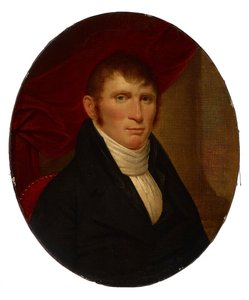
David Cox
1783 - 1859 , Royaume-Uni
En bref
- Artistic Movement Or Style: École de Birmingham
- Artists Or Movements Influenced By This Artist: ['Impressionnisme']
- Artists Who Influenced This Artist:
- Constable
- Les peintres néerlandais du XVIIe siècle
- Date Of Birth: 29 avril 1783
- Full Name: David Cox
- Nationality: Britannique
- Notable Artworks:
- Le Vent sur la lande
- Chaumière dans le Herefordshire
- Jonction de la Severn et de la Wye avec Chepstow au loin
- Place Of Birth: Birmingham, Royaume-Uni
Articles connexes

Evoking Nature's Sublime: A Comprehensive Exploration of 19th-Century Landscape Painting
Explore the captivating world of 19th-century landscape painting! Discover renowned artists like Friedrich & Monet, key movements, and find the perfect artwork to bring nature's serenity into your home. Expert insights at OriginalUniqueArt.

Le Sublime et le Pittoresque : Exploration de l'Émotion et de la Nature dans la Peinture Romantique du Paysage
Explorez l'univers fascinant du sublime et du pittoresque dans la peinture romantique. Analyse approfondie de Friedrich, Kandinsky et des maîtres de ce mouvement artistique majeur. Découvrez l'émotion et la nature comme jamais auparavant.

Les 10 Chefs-d'œuvre du Paysage Romantique : Artistes et Décor d'Intérieur
Plongez dans l'émotion du Romantisme avec les 10 plus beaux paysages de Friedrich, Turner & Delacroix. Découvrez leur histoire et trouvez l'inspiration déco idéale sur OriginalUniqueArt.com !

Constable : Les 25 Chefs-d'Œuvre du Maître Anglais | OriginalUniqueArt
Plongez dans l'univers de John Constable avec les 25 œuvres incontournables du maître anglais. Découvrez l'histoire, la technique et l'émotion derrière ses paysages romantiques. Reproductions de qualité muséale sur OriginalUniqueArt.com.

David Cox the Elder: Landscape, Light & the Romantic Vision of Rural England
Explore the captivating landscapes of David Cox the Elder, a pivotal figure in British Romanticism. Discover his masterful watercolour techniques, enduring legacy & find timeless art for your home at OriginalUniqueArt.
