

 Aperçu en situation
 Partager
 Partager
 Détails
 Guide imprimable

 Télécharger
 Articles similaires
 Radiographie
 Voir le diaporama
 Statistiques
Family Portrait
 Oil On Canvas
- WallArt
- Baroque Painting
 1664
1664 166.0 x 231.0 cm
 Musée de l'Ermitage
 Afficher la suite
Reproduction à l'huile faite à la main
Huile sur toile peinte à la main, avec cadre et dimensions personnalisés, réalisée sur commande par nos artistes. ( Passer au format impression Passer au format image numérique)




P118B €10

P118H €10

P118W €10

P438Z €10

P508JH €12

P508YH €12

P805H €10

P805Z €10

P919BZ €10

P919G €10

P919XJ €10

P959ZH €10

P968JZ €12

W106C €8

W218G €10

W218JH €8

W218Y €10

W307PJ €10

W316G €10

W316PJ €8

W316Y €10

W398PJ €8

W4111J €10

W500HY €15

W500JH €15

W692G €12

W849H €8

W940BG €15

W953PJ €8




Choisissez parmi nos formats prédéfinis qui respectent les proportions originales de l’œuvre.

Saisissez la largeur et la hauteur souhaitées, pour s'adapter à votre cadre ou à votre mur. Cette œuvre est peinte à la main ; ainsi, pour un format de forme différente, l'artiste peut peindre un peu plus autour du tableau ou réduire légèrement les bords — c'est vous qui choisissez. Nous vous envoyons une maquette numérique pour approbation avant que la peinture ne commence. L'image présentée sur cette page ne reflète pas le résultat réel — seule la maquette le fait.
Après la commande, l’équipe OriginalUniqueArt.com contactera le client par e-mail pour recueillir ses instructions et lui fournira une maquette d’aperçu
Livraison dans le monde entier () en 3 à 4 semaines au lieu des 5 semaines habituelles. (24 octobre). Aucun compromis sur la qualité.

Livraison express gratuite dans le monde entier

Toile de lin de haute qualité

Assurance transport complète

Garantie de remboursement des droits de douane

Garantie de fidélité des couleurs

Garantie de retour de 100 jours (uniquement en cas de défaut)

Garantie de remboursement à 100%

Tarifs dégressifs sur quantité
 L'option verre n'est disponible que pour les dimensions inférieures à 110 cm.

Family Portrait
Technique de reproduction
Format de la reproduction
-


Prix total final
€ 264
A Window into 17th-Century Polish Life: The Enduring Power of Daniel II Schultz’s “Family Portrait”
Daniel II Schultz’s “Family Portrait,” painted in Gdańsk around 1664, isn't merely a depiction of a family gathering; it’s a meticulously crafted window into the social and artistic landscape of mid-17th century Poland. This oil on canvas masterpiece, now residing within the hallowed halls of The Hermitage Museum in St. Petersburg, transcends its physical dimensions to offer a profound glimpse into the lives, values, and aspirations of a noble family during a pivotal era. Schultz, a master portraitist deeply influenced by the burgeoning Baroque style – particularly the realism and dramatic lighting favored by Rembrandt and the Dutch masters – skillfully captures not just likenesses but also an atmosphere of dignified formality and familial warmth.
The painting immediately draws the eye to the central figure: a distinguished gentleman, likely a patriarch, adorned in rich fabrics and elaborate attire characteristic of Polish nobility. His posture exudes authority and composure, while his family – a wife, children, and possibly a servant – surround him with an air of quiet grace. The inclusion of a dog adds a touch of domesticity and reinforces the familial bonds depicted. Notice the careful attention to detail: the textures of the clothing, the subtle expressions on each face, and the architectural backdrop—a classical structure hinting at wealth and status—all contribute to a remarkably immersive experience for the viewer.
The Baroque Brushstroke: Technique and Artistic Influence
Schultz’s mastery lies in his ability to seamlessly blend technical skill with expressive artistry. The painting is executed with a rich, layered application of oil paint, creating a sense of depth and luminosity that was revolutionary for its time. He employs chiaroscuro – the dramatic contrast between light and shadow – to sculpt the figures, lending them a three-dimensional quality and emphasizing their importance within the composition. The color palette is restrained yet sophisticated, dominated by warm browns, deep greens, and vibrant reds, all carefully balanced to create harmony and visual interest. The influence of Dutch portraiture is particularly evident in Schultz’s use of light and his focus on capturing individual character, while simultaneously adhering to the formal conventions of Baroque painting.
The background, featuring an architectural structure, isn't merely decorative; it serves to establish a sense of place and social context. The classical elements suggest the family’s connection to power and privilege, reinforcing their position within Polish society. Schultz’s meticulous attention to detail extends beyond the figures themselves, demonstrating his commitment to creating a believable and engaging scene.
A Legacy of Family and Patronage
“Family Portrait” represents more than just a snapshot of a single family; it embodies the values and aspirations of an entire era. The commissioning of such portraits was a significant investment, reflecting the importance placed on lineage, social standing, and the preservation of family history. Daniel Schultz’s work served as both a testament to his artistic skill and a means of solidifying the family's legacy for posterity. The painting’s journey from its creation to its current home in St. Petersburg is itself a fascinating story, reflecting the shifting political and cultural landscapes of Europe.
Today, reproductions of this iconic artwork offer art lovers an unparalleled opportunity to experience the beauty and emotional resonance of Schultz's masterpiece. Each meticulously crafted reproduction captures the essence of the original painting, allowing you to bring a touch of 17th-century Polish elegance into your own home or office. Explore the detailed information available on OriginalUniqueArt.com to discover how you can acquire a high-quality replica and connect with a rich artistic heritage.
Further Exploration: Delving Deeper into Schultz’s World
- Additional Research Links: Wikipedia - Family Portrait (Voyager)
- Preserving Generations: The Enduring Significance of Family Portraits as Legacy: Example Link to Article 1
- F.A.Q.: Family Portraits - A Guide for Elite Collectors: Example Link to Article 2
- Family Portrait (novel): Example Link to Novel
Questions et réponses
Qui a créé "Family Portrait" ?
L'artiste à l'origine de « Family Portrait » est Daniel II Schultz. L'œuvre est répertoriée sous le nom de Daniel II Schultz.
À quel mouvement artistique appartient «Family Portrait» de Daniel II Schultz ?
Le mouvement associé à «Family Portrait» de Daniel II Schultz est Baroque Painting. Cette classification situe l'œuvre parmi des artistes et des œuvres d'art apparentés.
Que représente «Family Portrait» de Daniel II Schultz ?
«Family Portrait» de Daniel II Schultz représente : family, portraiture, 17th century, poland, baroque, schultz, dynasty, wealth.
Biographie de l'artiste
Daniel II Schultz : Une Vie au Service de l'Art Baroque Polonais
- Nom: Daniel II Schultz (Jerzy Daniel Schultz)
- Autres Noms: Daniel Schultz le Jeune
- Origine: OriginalUniqueArt
- Né: Danice, Pologne (c. 1615)
- Décédé: 1683
Jeunesse et Formation
- Daniel II Schultz est né vers 1615 à Gdańsk (alors faisant partie de la Prusse polonaise au sein de la République des Deux Nations).
- Il a commencé son parcours artistique sous la tutelle de son oncle, Daniel Schultz l'Ancien, un peintre reconnu. Il a passé environ cinq ans à perfectionner ses compétences dans l'atelier de son oncle.
- Après le décès de son oncle, Schultz s’est lancé dans d’autres études, voyageant en France et aux Pays-Bas pendant environ trois ans (1646-1649). Cette période lui a permis de découvrir divers styles artistiques et techniques prévalant en Europe occidentale.
Carrière à la Cour Royale et Patronage
- Schultz est devenu le peintre principal à la cour de Varsovie des rois polonais pendant la seconde moitié du XVIIe siècle.
- En 1649, il a obtenu un poste important en tant que peintre privé du roi Jean II Casimir Vasa, un rôle qu'il a continué sous les monarques suivants Michel Wiśniowiecki et Jean III Sobieski.
- Vers 1660, Schultz est retourné à Gdańsk mais a maintenu des liens avec la cour royale, entreprenant fréquemment des commandes à Varsovie, notamment au palais de Wilanów.
Style Artistique et Œuvres Notables
- Style: Le travail de Schultz s'enracine fermement dans l'époque baroque, caractérisé par des palettes de couleurs riches, des compositions dramatiques et un accent sur la représentation de l'émotion et de la grandeur. Il a été influencé par des artistes tels que Rembrandt et Philippe de Champaigne.
- Sujets: Son œuvre consistait principalement en portraits de nobles polonais, de membres de la famille royale, de Patriciens locaux (comme l’astronome Johannes Hevelius), de représentations d'animaux et de scènes de chasse.
- Œuvres Notables:
- Le Fauconnier Criméen du roi Jean II Casimir avec sa famille (c. 1664) : Une œuvre importante conservée au Musée de l’Ermitage, représentant Agha Dedesh criméen et sa famille, soulignant un échange diplomatique pendant la guerre.
- Portrait de propagande du roi Jean II Casimir en pied: Représentant le roi en costume polonais menant l'expédition de Berestechko.
- Portrait de Bielany : Montrant le roi en armure avec Cracovie en feu en arrière-plan.
- Saint Casimir (disparu) : Peint pour le roi Jean II abdiqué et exposé plus tard à Paris.
- Portrait du cercueil du roi Jean II Casimir : Désormais au château royal de Varsovie, faisant partie d'une collection d'effigies des monarques polonais.
- Influences: Le style de Schultz reflète les influences de Rembrandt, en particulier dans son portrait psychologique des sujets et l’utilisation de la lumière et de l’ombre. La passion du roi pour les peintures hollandaises a également joué un rôle.
Héritage et Importance Historique
- Daniel II Schultz est considéré comme l'un des peintres baroques polonais les plus importants, reconnu pour ses compétences exceptionnelles en portraiture.
- Ses portraits offrent des informations précieuses sur l’apparence, le statut et la personnalité de la royauté et de la noblesse polonaise pendant une période cruciale de l'histoire polonaise.
- Ses œuvres sont conservées dans des institutions prestigieuses du monde entier, notamment les collections d'art de l'État du château de Wawel, le musée national de Varsovie, le musée national de Stockholm, le musée de l’Ermitage et le musée national de Gdańsk.
- Il a collaboré avec le graveur Jeremias Falck, qui créait fréquemment des estampes basées sur les peintures de Schultz, diffusant ainsi davantage sa vision artistique.
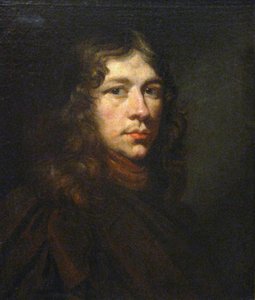
Daniel II Schultz
1615 - 1683 , Pologne
En bref
- Artistes Influents:
- Rembrandt
- Philippe de Champaigne
- Date De Décès: 1683
- Date De Naissance: c. 1615
- Lieu De Naissance: Danice, Pologne
- Mouvement Artistique: Baroque
- Nationalité: Polonaise
- Nom Complet: Daniel II Schultz
- Oeuvres Notables:
- Falconnet crimeen du roi Jean II
- Portrait en pied du roi Jean II
- Saint Casimir
- Portrait de cercueil du roi Jean II
Articles connexes

L'Éclat du Baroque : Comprendre le Drame et l'Émotion de l'Art du XVIIe Siècle
Explorez le drame et la lumière du XVIIe siècle à travers Caravage et Rubens. Plongez dans l'intensité de l'art baroque dès maintenant.

Les 10 Chefs-d'œuvre Baroques qui ont Révolutionné l'Art |
Plongez au cœur du baroque avec les 10 chefs-d'œuvre de Caravaggio, Rembrandt et Rubens. Découvrez l'histoire fascinante de ces artistes et leurs tableaux célèbres. Reproductions d'art de qualité muséale sur – Explorez la collection !
Drama and Light: A Definitive Guide to the Power and Emotion of Baroque Art
Explore the dramatic power of Baroque art through an expert guide to light, shadow, and emotion. Discover how the Counter-Reformation shaped 17th-century masterpieces and learn about the profound techniques used by the Old Masters to inspire awe.

Baroque Classicism: The Grandeur of Order and Drama in 17th-Century Art History
Explore the profound elegance of Baroque Classicism. Discover how 17th-century masters synthesized dramatic emotion with classical order through the lens of the Counter-Reformation and the works of legends like Carlo Maratta and Andrea Sacchi.

The Dramatic Flourish: Exploring the Baroque Movement's Enduring Legacy in Art History
Explore the dramatic world of Baroque art! Discover iconic artists like Caravaggio & Rubens, defining techniques, and its lasting impact on art history. Expert insights for collectors & enthusiasts at OriginalUniqueArt.