

 Aperçu en situation
 Envoyer
 Partager
 Détails de l'œuvre

 Télécharger
 Articles similaires
 Radiographie
 Diaporama
LA TERRE.COMBAT D'HERCULE ET D'ANTEE


 Lire la suite
Giclées et impressions d'art
Impressions giclées ou sur toile de qualité musée, avec une production rapide et des finitions au choix. ( Commander la reproduction peinte à la main Télécharger l'image haute résolution)




P118B $10

P118H $10

P118W $10

P438Z $10

P508JH $12

P508YH $12

P805H $10

P805Z $10

P919BZ $10

P919G $10

P919XJ $10

P959ZH $10

P968JZ $12

W106C $8

W218G $10

W218JH $8

W218Y $10

W307PJ $10

W316G $10

W316PJ $8

W316Y $10

W398PJ $8

W4111J $10

W500HY $15

W500JH $15

W692G $12

W849H $8

W940BG $15

W953PJ $8




Choisissez parmi nos formats prédéfinis qui respectent les proportions originales de l’œuvre.

Vous pouvez saisir vos propres dimensions pour vous adapter à un cadre ou à un espace spécifique. Si la taille sélectionnée ne correspond pas aux proportions de l'image originale, nous recadrerons l'œuvre ou étendrons l'image avec une bordure en miroir ou une couleur unie. Une maquette numérique vous sera envoyée pour approbation avant le début de la production.
Veuillez noter que l'aperçu à l'écran ne reflète pas le recadrage ou l'extension réelle. Seule la maquette montrera avec précision la composition finale.
Bien que des tailles personnalisées soient disponibles, nous vous recommandons de choisir une dimension dans la liste prédéfinie afin de préserver les proportions originales.
Livraison dans le monde entier () en 2 semaines au lieu des 4/5 semaines habituelles. (17 août)

Livraison express gratuite dans le monde entier

Toile de lin de qualité supérieure

Assurance transport complète

Garantie de remboursement des droits de douane

Garantie de fidélité des couleurs

Politique de retour de 60 jours (uniquement en cas de défaut)

Garantie de remboursement à 100%

Offre de tarifs dégressifs
 L'option verre n'est disponible que pour les dimensions inférieures à 110 cm.

LA TERRE.COMBAT D'HERCULE ET D'ANTEE
Giclées et impressions d'art
Format de la reproduction
-


Prix total
$ 80
Description de la pièce
A Grand Narrative in Fresco: Couder’s “La Terre.Combat d'Hercule et d’Antae”
The ceiling of the Galerie d’Apollon within the Louvre Museum houses a monumental fresco, "La Terre.Combat d'Hercule et d’Antée" by Auguste Couder – a dramatic tableau that transcends mere historical depiction to become a profound meditation on human struggle and divine triumph. Painted in 1819 during the early Romantic period, this work is more than just a decorative element; it’s a carefully constructed narrative steeped in classical mythology and imbued with the spirit of its time. Couder, trained under the esteemed masters Jean-Baptiste Regnault and Jacques-Louis David, skillfully blended academic precision with an emerging emotional intensity, creating a piece that continues to resonate today. The sheer scale of the fresco – measuring approximately 3.87 meters by 3.05 meters – immediately commands attention, drawing the viewer into a world of heroic action and elemental forces.A Symphony of Earthy Tones and Dynamic Composition
Couder’s palette is dominated by the rich, grounding tones of earth: ochres, browns, greens, and creams—a deliberate choice that anchors the scene in the very soil from which Antaeus draws his strength. Strategic highlights of red and gold punctuate the composition, accentuating the musculature of Hercules and the shimmering armor of Antaeus, adding a vibrant energy to the otherwise subdued palette. The figures themselves are rendered with remarkable anatomical accuracy, reflecting Couder’s training under David – a testament to his command of classical form. However, unlike the idealized perfection often found in Neoclassical art, Couder introduces a palpable sense of struggle and exertion into the depiction of these legendary heroes. The diagonal arrangement of the combatants—Hercules relentlessly wrestling Antaeus—creates a powerful dynamic tension, pulling the eye across the panel and emphasizing the physicality of their confrontation. The landscape backdrop, featuring rolling hills and ancient trees, provides depth and context, suggesting the primordial origins of Antaeus’s power.Symbolism Rooted in Myth and Philosophy
At its core, “La Terre.Combat d'Hercule et d’Antée” is a potent allegory. The myth of Hercules and Antaeus—the titan who gained strength from contact with the earth—represents humanity’s eternal struggle against limitations and the need to overcome adversity. Hercules, embodying divine intervention and relentless effort, relentlessly attempts to subdue Antaeus, while Antaeus, rooted in the very ground beneath him, represents the primal forces that threaten to overwhelm us. The fresco isn't simply a battle scene; it’s an exploration of the relationship between strength, will, and the fundamental elements of existence. Couder subtly incorporates philosophical ideas prevalent during the era – notions of fate versus free will, the triumph of virtue over brute force, and the importance of striving for excellence.Technique and Materials: The Enduring Power of Fresco
The fresco technique itself is a remarkable feat of artistry and engineering. Applied directly to freshly laid lime plaster, the pigments—primarily natural earth ochres, reds, and whites—become permanently integrated into the wall surface as the plaster dries. This creates an image that is not only visually stunning but also remarkably durable, capable of withstanding the passage of time. The smooth texture of the painted surface, a hallmark of fresco, contrasts beautifully with the rougher textures of the landscape elements. Couder’s meticulous attention to detail—from the intricate folds of Hercules's clothing to the veins in Antaeus’s arms—demonstrates his mastery of this demanding medium. The circular reliefs adorning the ceiling, a common feature of grand architectural spaces, provide a rhythmic counterpoint to the dynamic central scene, further enhancing the overall visual impact.A Timeless Masterpiece: Reproduction and Legacy
“La Terre.Combat d'Hercule et d’Antée” remains a captivating work of art, offering viewers a glimpse into the artistic and intellectual currents of early 19th-century France. Its dramatic composition, rich symbolism, and masterful execution continue to inspire admiration and study. OriginalUniqueArt offers high-quality reproductions that faithfully capture the fresco's vibrant colors and intricate details, allowing you to bring this monumental artwork into your own space. Whether as a statement piece in a grand salon or a subtle accent in a more intimate setting, a reproduction of Couder’s masterpiece will undoubtedly serve as a conversation starter and a testament to the enduring power of classical mythology.Biographie de l'artiste
Louis-Charles-Auguste Couder (1789-1873): A Life Painted in History
Born amidst the burgeoning artistic energy of London in 1789, Louis-Charles-Auguste Couder would become a significant voice in 19th-century French historical painting. Though perhaps not as celebrated today as some of his contemporaries, Couder’s canvases offer a compelling window into an era defined by revolution, empire, and the enduring power of classical ideals. His journey began with formative training under two titans of the French art world: Jean-Baptiste Regnault and Jacques-Louis David. This dual mentorship profoundly shaped his artistic sensibilities, instilling in him both a rigorous academic approach and a keen understanding of dramatic narrative. David’s influence is particularly evident in Couder's early works – a precision of draftsmanship, balanced compositions, and an unwavering commitment to historical accuracy characterize these initial explorations. Yet, Regnault’s contribution was equally vital, fostering Couder’s ability to imbue his scenes with emotional intensity and compelling storytelling. He wasn’t merely recreating history; he was breathing life into it.Early Influences and Artistic Formation
Couder's artistic education commenced under the tutelage of Jean-Baptiste Regnault and Jacques-Louis David, two figures who epitomized the ideals of Neoclassical art. David instilled in him a meticulous attention to detail and compositional balance—principles that would permeate Couder’s oeuvre throughout his career. The emphasis on idealized forms and rational clarity characteristic of David's style served as a cornerstone for Couder’s artistic development, shaping his approach to portraying historical subjects with dignity and grandeur. Simultaneously, Regnault nurtured Couder’s talent for capturing emotion and dynamism—a crucial element that distinguished him from many of his peers. Regnault’s influence encouraged Couder to explore expressive brushstrokes and dramatic lighting effects, elevating his paintings beyond mere representations of events into powerful narratives imbued with psychological depth. This dual mentorship ensured that Couder's artistic vision remained firmly rooted in the traditions of classical art while simultaneously embracing innovation and stylistic experimentation.The Synthesis of Neoclassicism and Romantic Emotion
Couder skillfully blended the contrasting strengths of his mentors, forging a style that resonated deeply with the artistic currents of his time. The Neoclassical foundation laid by David provided the structural framework for his compositions—creating balanced images rooted in proportion and harmony—whereas Regnault’s insistence on dramatic effect infused them with palpable energy and emotion. This synthesis wasn't merely technical; it was conceptual. Couder didn’t simply want to depict historical events; he sought to evoke a visceral response from the viewer, transporting them into the heart of the depicted moment. His canvases became stages for heroism, sacrifice, and the sublime beauty of past civilizations—reflecting the Romantic sensibility that was gaining prominence in France during his lifetime. He frequently drew inspiration from classical mythology and history, exploring universal human experiences through the lens of timeless grandeur and moral contemplation.Notable Achievements: Painting History with Passion
Couder’s artistic output spanned a remarkable range of subjects, demonstrating his versatility as a painter and his unwavering dedication to capturing pivotal moments in French history. Among his most celebrated works is *The Siege of Yorktown (1781)*—a monumental depiction of the decisive American victory that secured independence from British rule. Couder meticulously researched the battle’s topography and troop movements, translating complex military strategy into a visually arresting tableau brimming with dynamism and emotional resonance. Similarly impressive is *Washington, Rochambeau, La Fayette et leur état major à Yorktown*, which portrays the triumphal return of the American commanders—a scene rendered with exquisite detail and imbued with palpable optimism. Beyond these iconic depictions of warfare, Couder produced numerous portraits that captured the essence of his subjects—demonstrating a profound understanding of human psychology and an exceptional ability to convey character through subtle gestures and expressions. His painting “PRISE DE LA VILLE DE LERIDA.13 OCTOBRE 1707” is a magnificent example of his dramatic style.Legacy and Recognition
Couder’s artistic reputation solidified in 1839 when he was inducted into the Académie des Beaux-arts—a testament to his mastery of technique and his unwavering commitment to upholding the highest standards of artistic excellence. This honor underscored his position as a leading figure within the French art world, securing him a place among the most respected painters of his era. Furthermore, he received the Légion d’honneur—a prestigious distinction bestowed upon individuals who had achieved exceptional accomplishments in service to France—acknowledging his contributions to national culture and bolstering his legacy as a symbol of artistic integrity and patriotic devotion. His paintings continued to inspire admiration and critical acclaim throughout his life, establishing him as an enduring presence in the annals of French art history. Couder’s canvases remain invaluable sources of insight into the aesthetic sensibilities and historical perspectives of 19th-century France—a testament to a life dedicated to transforming observation into evocative visual narratives.
couder auguste
1789 - 1873 , Angleterre
L'essentiel de l'artiste
- Artistic Movement Or Style: Histoire Peinture
- Artists Who Influenced This Artist:
- Jean-Baptiste Regnault
- Jacques-Louis David
- Date Of Birth: 1789
- Date Of Death: 1873
- Full Name: Louis-Charles-Auguste Couder
- Nationality: Français
- Notable Artworks:
- La prise de Yorktown
- Installation du conseil d'État
- TANNEGUY DUCHATEL
- Place Of Birth: Londres
Articles connexes

La Fresque Familiale : Un Héritage Peint sur les Murs –
Créez une fresque familiale unique et intemporelle ! Découvrez comment immortaliser votre histoire sur vos murs avec . Expertise, qualité & personnalisation garanties.
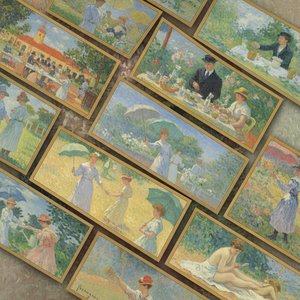
Renoir : 25 Chefs-d'œuvre Incontournables – L’Art de la Lumière
Plongez au cœur de l'univers vibrant de Pierre-Auguste Renoir ! Découvrez 25 chefs-d’œuvre emblématiques, explorant la lumière, les couleurs et la joie de vivre. Reproductions d'art de qualité musée sur OriginalUniqueArt.com.

The Enduring Legacy of Fresco Painting: Techniques, History & Contemporary Relevance
Explore the rich history & enduring artistry of fresco painting – from Giotto to Michelangelo! Discover techniques, conservation efforts, & modern applications. Learn how OriginalUniqueArt brings this timeless art form to your home.

The Enduring Legacy of Fresco: Technique, History & Artistic Expression Across Cultures
Explore the rich history & enduring legacy of fresco painting! Discover ancient techniques, Giotto's masterpieces, and modern applications. Expert insights for art lovers & professionals.

L'Art Mural Intérieur : Reflet de l'Âme et Témoin d'une Histoire Familiale
Explorez l'art mural intérieur : histoire, styles, conseils d'experts pour sublimer votre espace. Découvrez comment créer un récit familial unique et intemporel.

