

 Aperçu en situation
 Envoyer
 Partager
 Détails de l'œuvre

 Télécharger
 Articles similaires
 Radiographie
 Diaporama
The Last Supper
 Acrylic On Canvas
- WallArt
- Renaissance Early
 1481
1481 349.0 x 570.0 cm
 Cappella Sistina
 Lire la suite
Reproduction à l'huile faite à la main
Huile sur toile peinte à la main, avec cadre et dimensions personnalisés, réalisée sur commande par nos artistes. ( Commander l'impression Télécharger l'image haute résolution)




P118B $10

P118H $10

P118W $10

P438Z $10

P508JH $12

P508YH $12

P805H $10

P805Z $10

P919BZ $10

P919G $10

P919XJ $10

P959ZH $10

P968JZ $12

W106C $8

W218G $10

W218JH $8

W218Y $10

W307PJ $10

W316G $10

W316PJ $8

W316Y $10

W398PJ $8

W4111J $10

W500HY $15

W500JH $15

W692G $12

W849H $8

W940BG $15

W953PJ $8




Choisissez parmi nos formats prédéfinis qui respectent les proportions originales de l’œuvre.

Vous pouvez saisir vos propres dimensions pour l'adapter à un cadre ou à un espace spécifique. Si la taille sélectionnée ne correspond pas aux proportions de l'image d'origine, nous recadrerons l'œuvre ou prolongerons la peinture avec des éléments peints à la main supplémentaires. Une maquette numérique vous sera envoyée pour approbation avant le début de la production.
Veuillez noter que l'aperçu à l'écran ne reflète pas le recadrage ou l'extension réels. Seule la maquette montrera fidèlement la composition finale.
Bien que des tailles personnalisées soient disponibles, nous vous recommandons de sélectionner une dimension dans la liste prédéfinie afin de préserver les proportions d'origine.
Après la commande, l’équipe OriginalUniqueArt.com contactera le client par e-mail pour recueillir ses instructions et lui fournira une maquette d’aperçu
Livraison dans le monde entier () en 3 à 4 semaines au lieu des 5 semaines habituelles. (18 août). Aucun compromis sur la qualité.

Livraison express gratuite dans le monde entier

Toile de lin de qualité supérieure

Assurance transport complète

Garantie de remboursement des droits de douane

Garantie de fidélité des couleurs

Politique de retour de 60 jours (uniquement en cas de défaut)

Garantie de remboursement à 100%

Offre de tarifs dégressifs
 L'option verre n'est disponible que pour les dimensions inférieures à 110 cm.

The Last Supper
Technique de reproduction
Format de la reproduction
-


Prix total
$ 300
Description de l'œuvre
The Last Supper: A Renaissance Revelation
Cosimo Rosselli’s “The Last Supper,” painted in 1481–82 for the Sistine Chapel in Rome, isn't merely a depiction of a biblical meal; it’s a profound meditation on faith, betrayal, and the human condition. Commissioned during a period of immense artistic innovation—a time when Leonardo da Vinci was laying the groundwork for modern painting—Rosselli’s fresco stands as a testament to the Florentine Renaissance’s vibrant spirit and its masterful command of perspective and color. The scene unfolds within a meticulously rendered Roman dining room, bathed in an ethereal light that seems to emanate from the figures themselves. The composition is remarkably dynamic, eschewing the static formality often found in earlier religious art for a sense of immediate engagement. Notice how Rosselli cleverly uses spatial recession—the diminishing size of objects and figures as they recede into the background—to draw the viewer’s eye directly to Jesus at the center of the table.
Rosselli's technique is characterized by a bold, almost theatrical use of color. He departs from the muted tones favored by some of his contemporaries, opting instead for vibrant reds, blues, and golds that imbue the scene with an extraordinary luminosity. This heightened palette wasn’t simply decorative; it served to heighten the drama and emotional intensity of the event. The fresco employs a technique known as *tempera*, applied to a prepared gesso surface—a method that allowed for greater flexibility in altering details compared to traditional fresco painting, though it also meant a more fragile and susceptible final product. The careful layering of pigments and the masterful blending of colors demonstrate Rosselli’s exceptional skill and his willingness to experiment with new approaches.
Symbolism and Narrative Depth
Beyond its technical brilliance, “The Last Supper” is rich in symbolic meaning. The arrangement of the apostles around the table isn't arbitrary; it reflects their individual personalities and relationships within the group. Jesus’s gesture—a simple pointing towards himself—is a pivotal moment, signifying his impending sacrifice and offering a path to salvation. Pay close attention to Judas Iscariot, often depicted with a subtly sinister expression and clutching a bag of silver – a clear representation of his betrayal. The inclusion of the windows in the background isn’t just an architectural detail; they frame key events leading up to Christ's crucifixion: the prayer on Mount of Olives, the arrest, and ultimately, the agonizing scene of his death. These windows provide a visual narrative that deepens our understanding of the story.
Rosselli masterfully captures the emotional turmoil surrounding this pivotal event. The apostles’ reactions—shock, disbelief, fear, anger—are rendered with remarkable sensitivity. The artist doesn't shy away from portraying the uncomfortable truths of human nature: greed, jealousy, and betrayal. Yet, amidst the darkness, there is also a sense of profound sorrow and acceptance, reflecting the spiritual weight of the occasion.
Historical Context and Legacy
“The Last Supper” was created during a period of immense artistic ferment in Rome—a time when the city was vying with Florence for dominance in the Renaissance. Rosselli’s participation in this project highlights the interconnectedness of the Italian art world, as artists traveled between cities, exchanging ideas and techniques. The fresco's placement within the Sistine Chapel, a space dedicated to papal authority, underscores its importance as a symbol of Christian faith and power.
Despite suffering significant damage over the centuries due to environmental factors and restoration attempts, “The Last Supper” remains one of the most iconic images in Western art. Its innovative composition, vibrant colors, and profound symbolism continue to captivate viewers today. Reproductions offer a remarkable opportunity to experience this masterpiece firsthand, allowing us to appreciate Rosselli’s genius and his enduring contribution to the history of painting.
A Timeless Masterpiece for Your Space
OriginalUniqueArt offers meticulously crafted reproductions of Cosimo Rosselli's “The Last Supper,” ensuring that you can bring this extraordinary artwork into your home or office. Our high-quality prints capture the essence of the original fresco, faithfully reproducing its vibrant colors and dynamic composition. Whether you’re an art enthusiast, a collector, or simply seeking to add a touch of Renaissance grandeur to your surroundings, our reproductions provide a stunning tribute to one of history's greatest artistic achievements.
Biographie de l'artiste
Vie et Jeunesse (1448-1470)
- Naissance : Cosimo Rosselli est né vers 1448 à Florence, dans une famille d'artistes. Les détails précis de sa naissance sont peu connus.
- Formation Initiale : Il a commencé sa formation artistique dans l'atelier de Domenico Ghirlandaio, un peintre florentin renommé. Ghirlandaio était connu pour ses fresques détaillées et son style linéaire.
- Influence de Ghirlandaio : L’influence de Ghirlandaio sur Cosimo est évidente dans son utilisation des couleurs vives, la précision de ses figures et sa capacité à raconter des histoires visuelles.
- Premières Œuvres : Il a participé à plusieurs projets d'atelier de Ghirlandaio, acquérant une expérience précieuse dans la réalisation de fresques et de panneaux peints.
Participation aux Fresques du Sixtine (1477-1481)
- Commission Importante : Cosimo a été invité à participer à la décoration des fresques de la chapelle Sixtine, un projet monumental commandé par le pape Sixte IV.
- Collaboration avec d'autres Maîtres : Il a travaillé aux côtés d'autres artistes florentins de renom, tels que Sandro Botticelli et Domenico Ghirlandaio. Chaque artiste était responsable d'une section spécifique des fresques.
- Sujets Attribués : Cosimo a été chargé de peindre des scènes bibliques, notamment des épisodes de l’Ancien Testament. Ses œuvres se distinguent par leur composition équilibrée et la précision de leurs détails.
- Importance Historique : Sa participation aux fresques du Sixtine a marqué une étape importante dans sa carrière et lui a permis de gagner en reconnaissance au sein de la communauté artistique florentine.
Œuvres Majeures et Style Artistique (1481-1500)
- Fresque de Saint-Pierre à Florence : Cosimo a réalisé une fresque représentant Saint-Pierre, située dans l'église de San Pier Maggiore à Florence. Cette œuvre témoigne de sa maîtrise de la perspective et de son talent pour représenter des figures humaines.
- Style Artistique : Son style se caractérise par un équilibre harmonieux entre le réalisme et l’idéalisme, une attention particulière aux détails et une utilisation subtile des couleurs. Il a su combiner les influences de Ghirlandaio et Botticelli pour créer un style unique.
- Fresques dans la Villa di Carlo Marsuppini : Il a également décoré la villa de Carlo Marsuppini, un noble florentin, avec des fresques représentant des scènes mythologiques. Ces œuvres témoignent de sa capacité à raconter des histoires visuelles complexes.
- Influence Botticellienne : Son style artistique montre une influence notable de Sandro Botticelli, notamment dans la représentation élégante et raffinée des figures féminines.
Développement Artistique et Influence (1500-1513)
- Maturité Artistique : Au cours de cette période, Cosimo a atteint la maturité artistique. Ses œuvres se distinguent par une plus grande profondeur émotionnelle et une maîtrise accrue des techniques picturales.
- Influence sur les Jeunes Artistes : Il est devenu un modèle pour les jeunes artistes florentins, qui ont admiré son talent et sa capacité à raconter des histoires visuelles complexes.
- Commandes de Noblesse : Il a continué à recevoir des commandes de noblesse florentine, ce qui lui a permis de développer son style artistique et d'explorer de nouveaux sujets.
- Fresques dans la Chapelle Tornabuoni : Il a participé aux fresques de la chapelle Tornabuoni, réalisées par Domenico Ghirlandaio. Cette collaboration témoigne de sa reconnaissance au sein de la communauté artistique florentine.
Décès et Héritage (1513)
- Décès : Cosimo Rosselli est décédé le 1er mai 1513 à Florence. Il a été enterré dans l'église de San Pier Maggiore.
- Héritage Artistique : Son héritage artistique se caractérise par sa contribution aux fresques du Sixtine, ses œuvres majeures réalisées pour la noblesse florentine et son influence sur les jeunes artistes florentins. Il est considéré comme l'un des plus importants peintres florentins de la Renaissance.
- Reconnaissance Posthume : Son talent a été reconnu par les générations suivantes d’artistes, qui ont admiré sa capacité à raconter des histoires visuelles complexes et à créer un style artistique unique.

Cosimo Rosselli
1439 - 1507 , Italie
L'essentiel de l'artiste
- Artistic Movement Or Style: Renaissance florentine
- Artists Or Movements Influenced By This Artist: ['Art florentin du XVIe siècle']
- Artists Who Influenced This Artist:
- Domenico Ghirlandaio
- Perugino
- Masaccio
- Date Of Birth: 1483
- Date Of Death: 1520
- Full Name: Cosme Rosselli
- Nationality: Italienne
- Notable Artworks:
- Fresques de la chapelle Sixtine
- Santissima Annunziata (fresques)
- Place Of Birth: Florence, Italie
Articles connexes

The Enduring Legacy of Fresco Painting: Techniques, History & Contemporary Relevance
Explore the rich history & enduring artistry of fresco painting – from Giotto to Michelangelo! Discover techniques, conservation efforts, & modern applications. Learn how OriginalUniqueArt brings this timeless art form to your home.

La Fresque Familiale : Un Héritage Peint sur les Murs –
Créez une fresque familiale unique et intemporelle ! Découvrez comment immortaliser votre histoire sur vos murs avec . Expertise, qualité & personnalisation garanties.

The Enduring Legacy of Fresco: Technique, History & Artistic Expression Across Cultures
Explore the rich history & enduring legacy of fresco painting! Discover ancient techniques, Giotto's masterpieces, and modern applications. Expert insights for art lovers & professionals.
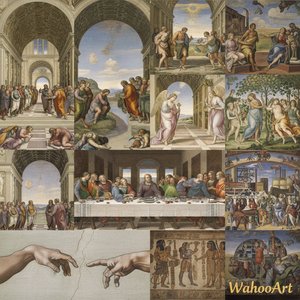
Les 10 Fresques Légendaires Qui Ont Révolutionné l'Art – OriginalUniqueArt
Plongez dans l'univers des 10 fresques les plus légendaires de l'histoire de l'art ! Découvrez Michel-Ange, Raphaël et Botticelli. Inspirez votre décoration intérieure avec OriginalUniqueArt : reproductions de qualité muséale en ligne.
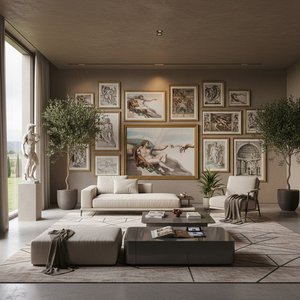
Michelangelo : Les 25 Chefs-d'œuvre Incontournables pour Embellir Votre Intérieur
Plongez dans l'univers de Michelangelo : découvrez les 25 œuvres incontournables du maître italien. De David à la Chapelle Sixtine, explorez son génie et trouvez l'inspiration déco Renaissance sur OriginalUniqueArt.com.



