

 Aperçu en situation
 Partager
 Partager
 Détails
 Guide imprimable

 Télécharger
 Articles similaires
 Radiographie
 Voir le diaporama
 Statistiques
Edward Holte


 Afficher la suite
Giclées et impressions d'art
Impressions giclées ou sur toile de qualité musée, avec une production rapide et des finitions au choix. ( Acheter la peinture faite à la main Passer au format image numérique)




P118B €10

P118H €10

P118W €10

P438Z €10

P508JH €12

P508YH €12

P805H €10

P805Z €10

P919BZ €10

P919G €10

P919XJ €10

P959ZH €10

P968JZ €12

W106C €8

W218G €10

W218JH €8

W218Y €10

W307PJ €10

W316G €10

W316PJ €8

W316Y €10

W398PJ €8

W4111J €10

W500HY €15

W500JH €15

W692G €12

W849H €8

W940BG €15

W953PJ €8




Choisissez parmi nos formats prédéfinis qui respectent les proportions originales de l’œuvre.

Saisissez la largeur et la hauteur souhaitées pour qu'elles s'adaptent à votre cadre ou à votre mur. Une impression ne peut être que découpée, elle ne peut jamais être agrandie au-delà de l'image originale ; ainsi, un format de forme différente entraînera la perte d'une partie de l'image. Nous vous envoyons une maquette numérique pour approbation avant toute impression. L'image présentée sur cette page ne montre pas le recadrage réel — seule la maquette le permet.
Livraison dans le monde entier () en 2 semaines au lieu des 4/5 semaines habituelles. (24 octobre)

Livraison express gratuite dans le monde entier

Toile de lin de haute qualité

Assurance transport complète

Garantie de remboursement des droits de douane

Garantie de fidélité des couleurs

Garantie de retour de 100 jours (uniquement en cas de défaut)

Garantie de remboursement à 100%

Tarifs dégressifs sur quantité
 L'option verre n'est disponible que pour les dimensions inférieures à 110 cm.

Edward Holte
Giclées et impressions d'art
Format de la reproduction
-


Prix total final
€ 70
A Portrait of Status and Dignity: Edward Holte by Cornelis Janssens van Ceulen
Cornelis Janssens van Ceulen’s 1635 portrait of Edward Holte is more than just a likeness; it's a meticulously crafted window into the burgeoning world of English Baroque art. This oval composition, radiating an aura of aristocratic poise and quiet authority, captures not merely a man’s appearance but also his social standing and inner character – a hallmark of the era’s finest portraiture. Van Ceulen, a master working across both Dutch and English artistic traditions, skillfully blends realism with dramatic lighting and symbolic detail to create a work that speaks volumes about its subject and the society he represented.
Born in London to Dutch parents seeking refuge from religious persecution, Cornelis Janssens van Ceulen’s upbringing instilled within him a unique perspective – one that profoundly shaped his artistic vision. His early training likely involved exposure to the stylistic nuances of Dutch painting, particularly those of Michiel Jansz. van Mierevelt, subtly influencing his later work while establishing his own distinct approach. The portrait itself reflects this duality; it’s grounded in meticulous observation yet imbued with a theatricality characteristic of the Baroque period.
The Language of Form and Light
Van Ceulen's technique is characterized by an extraordinary level of detail, achieved through layering and blending oil paints to create smooth transitions and subtle gradations in color. The rendering of Edward Holte’s face is particularly remarkable – the delicate modeling of his features, the precise capture of his gaze, and the nuanced shading that imbue his expression with a sense of dignified composure. The artist masterfully employs directional lighting, originating from the upper left, to sculpt the figure's form, casting dramatic shadows that add depth and volume. This technique isn’t merely decorative; it serves to elevate Holte’s status, emphasizing his importance within the composition.
Notice the careful construction of the clothing – a rich velvet doublet adorned with intricate embroidery, a crisp linen shirt meticulously draped, and a richly patterned collar that speaks volumes about wealth and social standing. These details aren't simply decorative; they are symbolic representations of Holte’s position within English society. The geometric shapes of the collar and cuffs contrast beautifully with the flowing lines of the hair and drapery, creating a dynamic interplay between order and movement.
Symbolism and Context
The portrait is deeply rooted in the context of 17th-century England. Edward Holte was a Groom of the Bedchamber to King Charles I, a position of considerable influence and prestige. The painting itself reflects this status – its formality, grandeur, and attention to detail all serve to reinforce Holte’s importance. The dark, indistinct background further emphasizes the sitter, drawing the viewer's eye directly to his face and projecting an image of authority and confidence.
Furthermore, the portrait embodies the broader trends of English Baroque art – a fascination with realism, dramatic lighting, and a focus on capturing the subject’s personality. Van Ceulen’s work stands as a testament to the period's artistic flourishing, offering a captivating glimpse into the lives and aspirations of England’s elite.
A Timeless Masterpiece
Edward Holte by Cornelis Janssens van Ceulen is more than just a portrait; it’s an enduring symbol of status, dignity, and the artistic brilliance of the English Baroque. Its meticulous detail, dramatic lighting, and subtle symbolism continue to captivate viewers today, making it a prized example of 17th-century art.
Questions et réponses
Quelle ambiance "Edward Holte" apporterait-elle à une pièce ?
Avec son atmosphère Classic, « Edward Holte » est suggéré pour une Living Room.
Où puis-je trouver un guide pour « Edward Holte » ?
La page Guide de «Edward Holte» de Cornelis Janssens van Ceulen propose une fiche pédagogique imprimable en deux volets : l'œuvre accompagnée de sa fiche d'identité, une frise chronologique la situant dans la vie de l'artiste, d'autres œuvres de l'artiste, la palette de couleurs mesurée, ainsi que des citations prêtes à être copiées en quatre styles différents.
À quelle étape de la carrière de Cornelis Janssens van Ceulen appartient « Edward Holte » (1635) ?
«Edward Holte», créé en 1635, appartient à la période Mature Period de la carrière de Cornelis Janssens van Ceulen.
Biographie de l'artiste
Première Vie et Formation
- Né: Londres, Royaume-Uni (1593)
- Décédé: 1661
- Cornelis Janssens van Ceulen, également connu sous le nom de Cornelius Johnson, est né à Londres chez des parents d'origine néerlandaise ou flamande qui étaient des réfugiés religieux.
- Il a été baptisé dans l’église néerlandaise d’Austin Friars, un centre pour la communauté néerlandophone à Londres.
- Son père, Cornelis Janssens, avait fui Anvers en raison de la persécution religieuse.
- On pense qu'il a reçu sa formation initiale aux Pays-Bas, peut-être sous la direction de Michiel Jansz. van Mierevelt.
- Il a probablement assimilé les influences d’autres peintres néerlandais pendant cette période.
Carrière et Style Artistique
- Johnson s'est établi comme peintre portraitiste en Angleterre vers 1618.
- Ses premiers portraits présentaient souvent des cadres ovales "fictifs", un style caractéristique de l’époque.
- Il a peint de nombreux portraits de la nouvelle noblesse anglaise, capturant leurs traits avec précision et exactitude.
- Influences: L'œuvre de Johnson montre des influences provenant de peintres néerlandais, en particulier dans ses premières œuvres. Il s’est également adapté aux styles prévalant en Angleterre.
- Évolution du style: Son style a évolué au fil du temps, démontrant sa capacité à intégrer les nouvelles tendances artistiques sans perdre la cohérence.
- Il était connu pour sa représentation méticuleuse des vêtements et des accessoires, une caractéristique de ses portraits.
- Johnson signait et datait systématiquement ses œuvres, ce qui est relativement rare pour les artistes de cette époque.
Œuvres Majeures et Portraits Notables
- Lady Rose Macdonnell of Antrim: Un portrait précoce survivant démontrant son talent.
- Charles Ier, Charles II et James II : Il a peint des portraits de la famille royale lorsqu'ils étaient enfants.
- William Harvey : Un portrait notable du célèbre médecin.
- Lucius Carey, 2ème vicomte Falkland : Une œuvre importante qui met en valeur sa capacité à capturer le caractère.
- Letitia Morison, vicomtesse Falkland : Un autre portrait important de son œuvre.
- Henry Grey, 1er comte de Stamford : Démontre ses compétences dans la représentation de la noblesse anglaise.
Vie ultérieure et Héritage
- En 1643, Johnson déménagea à Middelburg, aux Pays-Bas, en raison du déclenchement de la guerre civile anglaise.
- Il a ensuite résidé à Amsterdam (1646-1652) avant de s’installer définitivement à Utrecht.
- Les portraits de Johnson offrent des aperçus précieux du paysage social et culturel de l'Angleterre du XVIIe siècle.
- Bien qu'il ne soit pas aussi célébré qu'Anthony van Dyck, Johnson était une figure importante dans la portraiture anglaise.
- Ses représentations détaillées des vêtements et sa signature systématique de ses œuvres le distinguent de nombreux contemporains.
- Il est considéré comme l’un des rares artistes en Angleterre à cette époque qui signaient et dataient systématiquement leurs œuvres.
Signification Historique
- Les portraits de Johnson documentent une période de changements sociaux importants en Angleterre, alors qu'une nouvelle classe noble émergeait.
- Ses œuvres offrent des archives visuelles précieuses d’individus et de familles de cette époque.
- Il a contribué à établir la portraiture comme un genre important dans l'art anglais.
- Sa capacité à adapter son style tout en maintenant une voix artistique distincte a contribué à son héritage durable.

Cornelis Janssens van Ceulen
1593 - 1661 , Royaume-Uni
En bref
- Artistes Influents: ['Michiel Jansz. van Mierevelt']
- Date De Décès: 1661-08-05
- Date De Naissance: 1593-10-14
- Lieu De Naissance: Londres, Royaume-Uni
- Mouvement Artistique: Baroque portraitiste
- Nationalité: Anglais, Néerlandais, Flamand
- Nom Complet: Cornelis Janssens van Ceulen
- Oeuvres Notables:
- Portrait d'un jeune homme
- William Harvey (1578–1657)
- Lucius Carey, 2e vicomte Falkland
- Lady Hester Mainwaring
- Henry Grey, 1er comte de Stamford
Articles connexes

The Dramatic Flourish: Exploring the Baroque Movement's Enduring Legacy in Art History
Explore the dramatic world of Baroque art! Discover iconic artists like Caravaggio & Rubens, defining techniques, and its lasting impact on art history. Expert insights for collectors & enthusiasts at OriginalUniqueArt.

Baroque Classicism: Reconciling Drama & Order in 17th-Century Art
Explore the captivating world of Baroque Classicism! Discover its history, key artists like Caravaggio & Rubens, and defining characteristics. Expert insights & high-quality reproductions at OriginalUniqueArt.
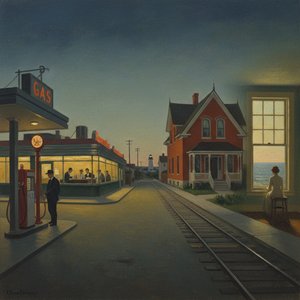
Edward Hopper : Les 25 Œuvres Maîtresses d'un Artiste Américain Intemporel | OriginalUniqueArt
Plongez dans l'univers poignant d'Edward Hopper avec les 25 œuvres incontournables du maître américain. Découvrez la lumière, l'isolation et le réalisme unique de ses tableaux iconiques. Reproductions de qualité muséale sur OriginalUniqueArt.com. Explorez la collection en ligne.

Baroque Classicism: The Grandeur of Order and Drama in 17th-Century Art History
Explore the profound elegance of Baroque Classicism. Discover how 17th-century masters synthesized dramatic emotion with classical order through the lens of the Counter-Reformation and the works of legends like Carlo Maratta and Andrea Sacchi.

L'Éclat du Baroque : Comprendre le Drame et l'Émotion de l'Art du XVIIe Siècle
Explorez le drame et la lumière du XVIIe siècle à travers Caravage et Rubens. Plongez dans l'intensité de l'art baroque dès maintenant.
