
 Aperçu en situation
 Envoyer
 Partager
 Détails de l'œuvre
 Guide
Guide

 Télécharger l'image
 Articles similaires
 Radiographie
 Diaporama
 Q&A
Q&A Statistiques
It Rocks but Does Not Sink


 Lire la suite
Giclées et impressions d'art
Impressions giclées ou sur toile de qualité musée, avec une production rapide et des finitions au choix. ( Commander la reproduction peinte à la main Passer au format numérique)




P118B €10

P118H €10

P118W €10

P438Z €10

P508JH €12

P508YH €12

P805H €10

P805Z €10

P919BZ €10

P919G €10

P919XJ €10

P959ZH €10

P968JZ €12

W106C €8

W218G €10

W218JH €8

W218Y €10

W307PJ €10

W316G €10

W316PJ €8

W316Y €10

W398PJ €8

W4111J €10

W500HY €15

W500JH €15

W692G €12

W849H €8

W940BG €15

W953PJ €8




Choisissez parmi nos formats prédéfinis qui respectent les proportions originales de l’œuvre.

Saisissez la largeur et la hauteur souhaitées pour qu'elles s'adaptent à votre cadre ou à votre mur. Une impression peut être recadrée, mais jamais agrandie au-delà de l'image originale ; ainsi, un format de forme différente entraînera la perte d'une partie de l'image. Nous vous envoyons une maquette numérique pour approbation avant toute impression. L'image présentée sur cette page ne montre pas le recadrage réel — seule la maquette le permet.
Livraison dans le monde entier () en 2 semaines au lieu des 4/5 semaines habituelles. (31 octobre)

Livraison express gratuite dans le monde entier

Toile de lin de qualité supérieure

Assurance transport complète

Garantie de remboursement des droits de douane

Garantie de fidélité des couleurs

Politique de retour de 100 jours (uniquement en cas de défaut)

Garantie de remboursement à 100%

Offre de tarifs dégressifs
 L'option verre n'est disponible que pour les dimensions inférieures à 110 cm.

It Rocks but Does Not Sink
Giclées et impressions d'art
Format de la reproduction
-


Prix total
€ 71
A Tempestuous Voyage Against the Odds
This evocative depiction, titled "It Rocks but Does Not Sink," plunges the viewer into the heart of maritime peril. The scene is dominated by a magnificent vessel battling through waters rendered with dramatic ferocity. One can almost feel the spray against the rigging and hear the groan of the timbers under duress. It is more than just a depiction of a storm; it is a profound meditation on human resilience, captured in stark, powerful contrast.
The Mastery of Line: Technique and Atmosphere
Executed in a style reminiscent of 19th-century etching traditions, the work utilizes dramatic black and white tonalities to build an atmosphere thick with tension. The artist has masterfully employed line work to convey both the chaotic energy of the rough sea—the cresting waves threatening to overwhelm all—and the steadfast structure of the ship itself. The inclusion of a castle-like edifice in the background anchors the drama, suggesting that even amidst nature's wildest tantrums, civilization and history persist.
Echoes of Parisian Artistic Life
While the subject matter speaks of open seas and distant shores, the spirit of this piece connects deeply to the artistic currents of mid-19th century Paris. The period saw a flourishing of graphic arts, where artists like Charles Meryon elevated etching from mere illustration to high art. Although this specific work captures a nautical adventure, it shares the same commitment to detailed observation and dramatic narrative found in Meryon's celebrated series. It speaks to an era when travel, exploration, and the sublime power of nature fueled artistic genius.
Symbolism of Perseverance
At its core, "It Rocks but Does Not Sink" is a powerful allegory. The ship itself represents humanity, or perhaps any endeavor—be it a career, a relationship, or an enterprise—facing overwhelming adversity. The visible figures on deck, diligently attending to their duties despite the chaos, embody perseverance and teamwork. It whispers a timeless message: that with skill, cooperation, and unwavering spirit, one can weather even the most tumultuous storms of life.
Bringing the Drama Home
For collectors and designers seeking art with narrative weight, this reproduction offers an immediate focal point of dramatic energy. Imagine this piece gracing a study or a grand hall; it does not merely decorate a space—it imbues it with tales of courage and endurance. It is a visual anchor for contemplation, reminding us that the greatest journeys are often those undertaken through struggle.
Questions et réponses
Que représente «It Rocks but Does Not Sink» de Charles Méryon ?
«It Rocks but Does Not Sink» de Charles Méryon représente : seascape, stormy sea, nautical art, shipwreck, sailors, castle, adventure, etching.
Quelle pièce est recommandée pour «It Rocks but Does Not Sink» de Charles Méryon, compte tenu de ses couleurs ?
Grâce à sa palette de couleurs Neutrals, l'œuvre « It Rocks but Does Not Sink » s'intègre parfaitement dans une Living Room.
Où peut-on voir «It Rocks but Does Not Sink» de Charles Méryon actuellement ?
L'original de «It Rocks but Does Not Sink» de Charles Méryon est conservé au Metropolitan Museum of Art, New York, United States of America. Une reproduction permet d'exposer l'œuvre chez soi.
Biographie de l'artiste
early life and naval career
Charles Meryon, parfois orthographié Charles Méryon, né à Paris le 23 novembre 1821 et mort à Saint-Maurice (Val-de-Marne) le 14 février 1868, est un graveur français. Il travaillait presque entièrement à l'eau-forte, car il était daltonien. Bien qu'aujourd'hui peu connu dans le monde anglo-saxon, il est généralement reconnu comme l’aquafortiste le plus important de la France du XIXe siècle. Ses œuvres les plus célèbres sont une série de vues exprimant avec force sa vision du Paris gothique. Il soufit à une famille artistique où son père était peintre et sa mère danseuse au théâtre parisien, ce qui lui inculqua une sensibilité esthétique précoce. Cette couleur blindness imposée par la maladie le poussa à choisir une carrière militaire, notamment navale, où il parcourut le monde entier lors d'une aventure extraordinaire de quatre ans. Cette expérience allait devenir une source d’inspiration pour ses œuvres gravées dédiées à la capitale française.artistic journey and notable works
Après avoir réalisé que la couleur lui était inaccessible, Meryon abandonna la peinture et se consacra exclusivement à l’eau-forte en 1848. Cette décision stratégique lui permit de maîtriser une technique offrant une précision remarquable et une capacité à traduire les effets atmosphériques avec une puissance inégalée. Ses œuvres les plus marquantes sont sans doute les « eaux-fortes sur paris », une série composée de vingt-deux estampilles qui témoignent de son talent artistique et de sa vision unique du gothique parisien. Cette œuvre monumentale, réalisée entre 1850 et 1854, est considérée comme un chef-d’œuvre de la gravure française et incarne parfaitement le mouvement du romantisme sombre. Parmi les œuvres emblématiques de cette série, « Le Stryge » occupe une place particulière : une représentation saisissante du gargoyle ou vampire qui illustre avec une maîtrise exceptionnelle les préoccupations esthétiques et psychologiques de l'époque. Cette œuvre est aujourd’hui conservée au Harvard Art Museums à Cambridge aux États-Unis. Il fut également reconnu pour ses vues urbaines, notamment « Saint Étienne-du-Mont », où il parvint à capturer avec une remarquable finesse la lumière et les couleurs caractéristiques du paysage parisien.influences and stylistic characteristics
L’œuvre de Meryon est profondément marquée par les idées esthétiques du romantisme sombre, courant artistique qui privilégie l'atmosphère et les émotions au réalisme descriptif. Il fut influencé notamment par Caspar David Friedrich et Eugène Delacroix, artistes partageant une sensibilité similaire à la beauté sauvage et à la mélancolie existentielle. Son style est caractérisé par une extrême précision technique, obtenue grâce à une maîtrise parfaite de l’eau-forte et à une utilisation innovante des effets d'ombre et de lumière. Il utilisait souvent des procédés complexes pour créer des textures réalistes et exprimer les sentiments qu'il souhaitait transmettre à son auditoire.museums and collections featuring charles méryon's work
Plusieurs œuvres majeures de Meryon sont aujourd’hui exposées dans des musées prestigieux du monde entier : * Le Metropolitan Museum of Art à New York abrite une sélection remarquable de ses estampilles, notamment les « eaux-fortes sur paris ». * Les Harvard Art Museums à Cambridge aux États-Unis présentent « Le Stryge », une œuvre emblématique qui témoigne de son talent artistique et de sa maîtrise technique. Il est important de noter que Meryon fut également un fervent défenseur du mouvement impressionniste, bien qu'il n’ait pas pu lui donner la forme qu'il souhaitait. Ses œuvres sont aujourd’hui considérées comme des exemples essentiels de l’art français du XIXe siècle et contribuent à éclaircir les enjeux esthétiques et intellectuels de cette période historique.
Charles Méryon
1821 - 1868 , France
L'essentiel de l'artiste
- Artistic Movement Or Style: Gothic Romanticism
- Artists Who Influenced This Artist:
- Eugène Delacroix
- Caspar David Friedrich
- Date Of Birth: November 23, 1821
- Date Of Death: February 14, 1868
- Full Name: Charles Meryon
- Nationality: French
- Notable Artworks:
- Eaux-fortes sur Paris
- Le Stryge
- St. Etienne-du-Mont
- Place Of Birth: Paris, France
Articles connexes

Gothic Vibes: From Dark Shadows to Bold Modern Edge | The Ultimate Trend Forecast
Explore the evolution of Gothic vibes, from historical shadows to bold modern edge. Discover how dark aesthetics, noir interiors, and contemporary subcultures are redefining modern design through a high-impact, trend-focused lens.

L'Excellence de l'Impression Giclée : Guide Technique pour des Reproductions d'Art de Qualité Musée
Maîtrisez la technique giclée et les encres pigmentaires pour vos collections. Découvrez les secrets d'une impression de qualité musée.

Echoes of Time: Exploring the Enduring Appeal & Historical Context of Vintage Art Prints
Explore the captivating world of vintage art prints! Discover their history, collecting tips & enduring appeal. Expert insights on chromolithography and building a legacy collection with OriginalUniqueArt.

The Enduring Legacy of Fine Art Prints: Technique, History & Aesthetic Impact
Explore the rich history & techniques of fine art prints. Discover investment potential, assess authenticity, and learn how to preserve your collection with expert guidance. Trusted insights for discerning collectors.
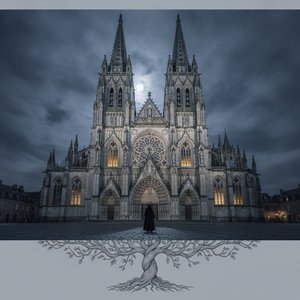
Shadows & Splendor: A Journey Through the Soul of Gothic Art and Architectural Grandeur
Embark on a profound journey through the spiritual intensity of Gothic art. Explore the architectural marvels, luminous stained glass, and sacred sculptures that define this era of grandeur and human devotion.