

 Aperçu en situation
 Envoyer
 Partager
 Détails de l'œuvre
 Guide
Guide

 Télécharger l'image
 Articles similaires
 Radiographie
 Diaporama
 Q&A
Q&A Statistiques
Taking in the Lobster Pots
 Oil On Canvas
- WallArt
- Irish academic realism
 Modern
 49.0 x 59.0 cm
 Lire la suite
L’œuvre d'art présentée sur cette page est protégée par le droit d'auteur, ce qui signifie que nous ne pouvons légalement créer ou vendre de reproduction identique. Cette protection est appliquée en vertu d'accords internationaux tels que la Convention de Berne et par les lois nationales, notamment celles énoncées par le Loi américaine sur le droit d'auteur - Titre 17.
Cette méthode est pleinement conforme aux réglementations sur le droit d'auteur car elle ne repose pas sur la copie ou la duplication de l'œuvre protégée. Il s'agit plutôt d'une réinterprétation créative — une nouvelle peinture qui s'inspire de l'original sans pour autant lui être identique.
Giclées et impressions d'art
Impressions giclées ou sur toile de qualité musée, avec une production rapide et des finitions au choix. ( Commander la reproduction peinte à la main Passer au format numérique)




P118B €10

P118H €10

P118W €10

P438Z €10

P508JH €12

P508YH €12

P805H €10

P805Z €10

P919BZ €10

P919G €10

P919XJ €10

P959ZH €10

P968JZ €12

W106C €8

W218G €10

W218JH €8

W218Y €10

W307PJ €10

W316G €10

W316PJ €8

W316Y €10

W398PJ €8

W4111J €10

W500HY €15

W500JH €15

W692G €12

W849H €8

W940BG €15

W953PJ €8




Choisissez parmi nos formats prédéfinis qui respectent les proportions originales de l’œuvre.

Saisissez la largeur et la hauteur souhaitées pour qu'elles s'adaptent à votre cadre ou à votre mur. Une impression peut être recadrée, mais jamais agrandie au-delà de l'image originale ; ainsi, un format de forme différente entraînera la perte d'une partie de l'image. Nous vous envoyons une maquette numérique pour approbation avant toute impression. L'image présentée sur cette page ne montre pas le recadrage réel — seule la maquette le permet.
Livraison dans le monde entier () en 2 semaines au lieu des 4/5 semaines habituelles. (28 octobre)

Livraison express gratuite dans le monde entier

Toile de lin de qualité supérieure

Assurance transport complète

Garantie de remboursement des droits de douane

Garantie de fidélité des couleurs

Politique de retour de 100 jours (uniquement en cas de défaut)

Garantie de remboursement à 100%

Offre de tarifs dégressifs
 L'option verre n'est disponible que pour les dimensions inférieures à 110 cm.

Taking in the Lobster Pots
Giclées et impressions d'art
Format de la reproduction
-


Prix total
€ 71
The Rhythm of the Shoreline
In this oil on canvas, we find ourselves drawn to a moment of shared labor along a quiet dock. A group of men is gathered, their bodies engaged in the heavy, repetitive task of loading lobster pots onto a boat. The vessel itself sits toward the right of the frame, its hold already partially filled with the woven traps. There is a certain groundedness to the scene, a sense of weight and purpose that comes from watching hands work in unison. Amidst this human industry, two cows wander through the composition—one positioned near the center-right and another further to the left—adding a layer of pastoral stillness to the maritime activity. The presence of these animals suggests a landscape where the sea and the land are not separate worlds, but parts of a single, breathing existence.
The brushwork here is controlled yet broad. There is a restrained use of impasto that builds a tactile texture across the surface, allowing the viewer to feel the physical presence of the dock and the ruggedness of the equipment. The light does not demand attention through brilliance; instead, it settles softly over the scene, illuminating the textures of the wood and the heavy clothing of the workers. It is an approach that favors substance over ornament.
A Study of Coastal Life
The painting captures a way of life defined by the tides and the seasonal rhythms of the coast. There is no pretense in the depiction of these men; their toil is presented with a quiet dignity, stripped of any unnecessary drama. The composition focuses on the reality of the work—the movement of the pots, the positioning of the figures on the dock, and the steady presence of the livestock nearby. It reflects a period when the traditions of fishing communities were deeply intertwined with the local landscape.
Through this work, we see an interest in documenting the textures of a specific environment. The artist uses a palette that feels connected to the earth and the sea, avoiding anything too theatrical. By focusing on these ordinary, repetitive tasks, the painting achieves a sense of permanence. It is a quiet observation of a moment caught between the labor of the day and the coming evening, preserved through a technique that respects the gravity of the subject matter.
Questions et réponses
Quelle est la forme de «Taking in the Lobster Pots» de Charles Lamb et quelles sont ses dimensions ?
L'œuvre « Taking in the Lobster Pots » est au format Landscape et l'original mesure 49 x 59 cm. Ces deux informations sont utiles lors de la planification d'une reproduction.
L'œuvre «Taking in the Lobster Pots» de Charles Lamb est-elle dans le domaine public ?
Statut des droits d'auteur pour «Taking in the Lobster Pots» de Charles Lamb : l'œuvre est dans le toujours protégé par le droit d'auteur. Cela détermine si les reproductions de l'image peuvent être réalisées librement.
À quel point la palette de "Taking in the Lobster Pots" est-elle saturée ?
Les couleurs de «Taking in the Lobster Pots» de Charles Lamb présentent une saturation Muted. La saturation indique si les couleurs sont vives ou atténuées.
Biographie de l'artiste
premières années et aspirations artistiques
charles lamb, peintre irlandais, vit le jour le 30 août 1893 à portadown, dans le comté d'armagh. Sa jeunesse fut marquée par une profonde inclination pour l'art, une passion que son père, john lamb, peintre et décorateur, sut cultiver avec soin. Cette influence familiale poussa Charles à faire ses premiers pas en tant qu'apprenti auprès de son père, un parcours couronné par l'obtention de la médaille d'or du meilleur peintre en bâtiment en 1913.formation artistique et influences
Le voyage artistique de Charles le mena vers la belfast school of art, où il s'initia au dessin d'après nature. Plus tard, l'obtention d'une bourse d'enseignement l'amena à la dublin metropolitan school of art pour une durée de quatre ans, le plaçant sous la tutelle de l'artiste de renom seán keating. Cette période fut déterminante dans le façonnement de son style, lequel allait par la suite se caractériser par un réalisme académique maîtrisé.carrière artistique et œuvres notables
La carrière de Charles Lamb en tant que professeur d'art à la dublin metropolitan school of art débuta en 1920. Sa toute première exposition auprès de la society of dublin painters mit en lumière ses créations, notamment peasants of clare, une œuvre qui captiva l'attention par sa représentation poignante de la vie irlandaise.- expositions notables :
- quarantième exposition annuelle de la belfast art society (1921)
- exposition oireachtas de la gaelic league (1920)
- œuvres clés :
- a lough neagh fisherman
- a northern cross-road dance
- portrait of john hunter
héritage et impact durable
La disparition de Charles Lamb, le 15 décembre 1964, marqua la fin d'une époque pour l'art irlandais. Pourtant, son héritage perdure à travers ses paysages et ses portraits qui continuent de nous inspirer. Pour ceux qui souhaitent explorer plus profondément ses œuvres ou découvrir des artistes similaires, la vaste collection d'OriginalUniqueArt est un véritable trésor qui ne demande qu'à être exploré : - les 5 plus grands artistes expressionnistes de tous les temps - charles lamb (peintre) - wikipedia plongez dans l'univers de l'art avec OriginalUniqueArt, où chaque coup de pinceau raconte une histoire.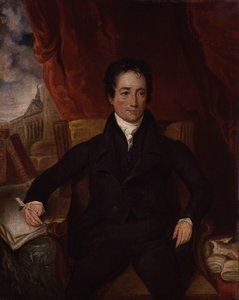
Charles Lamb
Irlande
Articles connexes

Bateaux et Peintures Célèbres : Top 10 des Œuvres d'Art Incontournables
Plongez dans l'univers fascinant des bateaux à travers 10 œuvres d'art emblématiques ! Découvrez Monet, Manet et Turner… histoires, techniques & inspiration déco marine. Reproductions de qualité musée sur OriginalUniqueArt.com.

Cap sur l'art : 10 chefs-d'œuvre qui capturent l'âme des bateaux
Explorez 10 chefs-d'œuvre maritimes, de Monet à Van Gogh. Découvrez l'émotion et la technique des maîtres impressionnistes à travers nos reproductions d'art de qualité musée pour votre décoration. Explorez la collection complète sur OriginalUniqueArt.com.

Catch the Vibe: Bold Fishing Boat Art to Transform Your Space with High-Impact Maritime Masterpieces
Elevate your space with bold, high-impact fishing boat art. From Van Gogh's textured impasto to Sorolla's vibrant light, discover premium hand-painted oil reproductions and custom maritime commissions designed to transform modern interiors with unmatched visual energy.

Cap sur l'art : 10 chefs-d'œuvre qui capturent l'âme des bateaux
Explorez 10 chefs-d'œuvre maritimes, de Monet à Van Gogh. Découvrez l'âme des bateaux à travers l'impressionnisme et trouvez l'inspiration pour votre décoration avec nos reproductions d'art de qualité musée. Explorez la collection complète sur OriginalUniqueArt.com.

Cap sur l'art : 10 chefs-d'œuvre qui capturent l'âme des bateaux
Embarquez pour un voyage sensoriel à travers 10 chefs-d'œuvre maritimes. De Monet à Van Gogh, explorez l'âme de l'impressionnisme et trouvez l'inspiration pour votre décor avec nos reproductions d'art de qualité musée. Découvrez tous ces chefs-d'œuvre sur OriginalUniqueArt.com.