

 Aperçu en situation
 Partager
 Partager
 Détails
 Guide imprimable

 Télécharger
 Articles similaires
 Radiographie
 Voir le diaporama
 Statistiques
HALTE DE CHASSE


 Afficher la suite
Reproduction à l'huile faite à la main
Huile sur toile peinte à la main, avec cadre et dimensions personnalisés, réalisée sur commande par nos artistes. ( Passer au format impression Passer au format image numérique)




P118B €10

P118H €10

P118W €10

P438Z €10

P508JH €12

P508YH €12

P805H €10

P805Z €10

P919BZ €10

P919G €10

P919XJ €10

P959ZH €10

P968JZ €12

W106C €8

W218G €10

W218JH €8

W218Y €10

W307PJ €10

W316G €10

W316PJ €8

W316Y €10

W398PJ €8

W4111J €10

W500HY €15

W500JH €15

W692G €12

W849H €8

W940BG €15

W953PJ €8




Choisissez parmi nos formats prédéfinis qui respectent les proportions originales de l’œuvre.

Saisissez la largeur et la hauteur souhaitées, pour s'adapter à votre cadre ou à votre mur. Cette œuvre est peinte à la main ; ainsi, pour un format de forme différente, l'artiste peut peindre un peu plus autour du tableau ou réduire légèrement les bords — c'est vous qui choisissez. Nous vous envoyons une maquette numérique pour approbation avant que la peinture ne commence. L'image présentée sur cette page ne reflète pas le résultat réel — seule la maquette le fait.
Après la commande, l’équipe OriginalUniqueArt.com contactera le client par e-mail pour recueillir ses instructions et lui fournira une maquette d’aperçu
Livraison dans le monde entier () en 3 à 4 semaines au lieu des 5 semaines habituelles. (18 octobre). Aucun compromis sur la qualité.

Livraison express gratuite dans le monde entier

Toile de lin de haute qualité

Assurance transport complète

Garantie de remboursement des droits de douane

Garantie de fidélité des couleurs

Garantie de retour de 100 jours (uniquement en cas de défaut)

Garantie de remboursement à 100%

Tarifs dégressifs sur quantité
 L'option verre n'est disponible que pour les dimensions inférieures à 110 cm.

HALTE DE CHASSE
Technique de reproduction
Format de la reproduction
-


Prix total final
€ 566
A Symphony of Rococo Splendor
In the heart of the French Rococo era, few works capture the sheer opulence and leisurely grace of aristocratic life as vividly as Charles-André van Loo’s “HALTE DE CHASSE.” Painted in 1738, this masterpiece serves as a breathtaking window into the reign of Louis XV, offering much more than a mere depiction of a hunting expedition. It is an exquisitely crafted tableau, a carefully orchestrated celebration where the thrill of the chase meets the refined indulgence of a woodland feast. As the eye wanders through the lush, dappled sunlight filtering through the canopy, one does not simply observe a scene; one is invited to participate in a moment of timeless, aristocratic splendor.
The composition is a masterclass in Rococo density, designed to immerse the viewer in a world of abundance. Van Loo skillfully arranges his figures to create a sense of rhythmic movement and social harmony. In the foreground, a magnificent table serves as the anchor for the scene, laden with a cornucopia of delicacies—glinting wine glasses, ripe fruits, and delicate pastries that promise sensory delight. This central gathering of noblemen and ladies, draped in silks and fine linens, provides a static, elegant counterpoint to the dynamic squadron of horseback riders sweeping across the right side of the canvas. Through the clever use of diagonal lines, the artist guides our gaze from the intimate details of the picnic toward the energetic pursuit in the distance, ensuring that every corner of the painting vibrates with life.
The Artistry of Light and Texture
Technically, “HALTE DE CHASSE” is a triumph of oil on canvas, showcasing Van Loo’s ability to manipulate light and color to evoke deep emotional responses. The artist employs a sophisticated palette where warm, sun-drenched hues—russet reds, golden yellows, and creamy whites—interplay beautifully with the cooler, refreshing tones of emerald green and teal found in the surrounding foliage. This contrast not only mirrors the natural environment but also serves to highlight the exquisite textures of the nobility's attire. One can almost feel the tactile richness of the heavy fabric folds, the softness of the lace, and the smooth sheen of silk, all rendered with meticulous precision.
The lighting within the piece is profoundly naturalistic, suggesting a soft, diffused glow that bathes the entire assembly in a romantic, dreamlike atmosphere. Subtle highlights dance upon faces and glassware, creating a sense of three-dimensional volume and depth. As the landscape recedes into a hazy, atmospheric distance, Van Loo utilizes aerial perspective to expand the world beyond the immediate clearing, hinting at a vast, untamed wilderness that exists just beyond this pocket of civilization. For the collector or interior designer, this painting offers an unparalleled sense of depth and grandeur, making it a commanding focal point for any sophisticated space.
A Legacy of Elegance and Emotion
Beyond its technical brilliance, the painting resonates with profound symbolic weight. The abundance of food and drink is not merely decorative; it is a potent symbol of prosperity, peace, and the effortless indulgence characteristic of the 18th-century French court. There is an undeniable sense of camaraderie and joy permeating the scene—a shared moment of respite that celebrates the bonds of social class and the pleasures of nature. The elegance of the figures reflects a period where art was used to idealize life, turning a momentary pause in a hunt into an eternal monument of grace.
For those seeking to bring a touch of historical prestige and classical beauty into their homes, a high-quality reproduction of this work offers more than just decoration; it offers an atmosphere. Whether placed in a grand salon or a refined study, “HALTE DE CHASSE” evokes a sense of nostalgia for an era of unparalleled refinement. It remains a captivating choice for anyone looking to inspire awe and conversation through the timeless language of the Rococo style.
Questions et réponses
Comment puis-je obtenir une impression de «HALTE DE CHASSE» de Charles-André van Loo ?
Une impression de «HALTE DE CHASSE» de Charles-André van Loo peut être commandée directement sur sa page Impression d'art fine : une impression d'art sur toile de coton ou sur papier canvas d'archive.
Existe-t-il une fiche informative sur «HALTE DE CHASSE» de Charles-André van Loo destinée aux étudiants ?
La page Guide de «HALTE DE CHASSE» de Charles-André van Loo propose une fiche pédagogique imprimable en deux volets : l'œuvre accompagnée de sa fiche d'identité, une frise chronologique la situant dans la vie de l'artiste, d'autres œuvres de l'artiste, la palette de couleurs mesurée, ainsi que des citations prêtes à être copiées en quatre styles différents.
Quel sujet et quelle atmosphère «HALTE DE CHASSE» de Charles-André van Loo associe-t-elle ?
«HALTE DE CHASSE» de Charles-André van Loo représente hunting scene, aristocracy, celebration, picnic, landscape, elegant figures, food abundance, dans une atmosphère Elegant. Le sujet et l'ambiance définissent ensemble l'œuvre.
Biographie de l'artiste
Première Vie et Formation
- Naissance: 15 février 1705, à Nice, France
- Origines Familiales: Fils de Louis-Abraham van Loo et frère cadet de Jean-Baptiste van Loo. Membre d'une dynastie de peintres d'origine néerlandaise au succès reconnu.
- Première Éducation: Formation initiale à Turin, suivie d’un séjour à Rome en 1712 où il étudia sous la direction de Benedetto Luti et du sculpteur Pierre Legros.
- Études Parisiennes: Fréquenta l'Académie Royale, où il remporta le premier prix pour le dessin en 1723 et pour la peinture historique en 1727.
Carrière Artistique et Œuvres Notables
- Style: Principalement connu comme peintre rococo, caractérisé par l'élégance, la grâce et les détails ornés.
- Sujets: Diversité des sujets incluant portraits, scènes mythologiques, peintures historiques, allégories et scènes de genre.
- Œuvres Significatives:
- Vénus et Amour (Kunsthalle Bremen) – Démontre la maîtrise du style rocaille.
- Halte à la Chasse (The Metropolitan Museum of Art) – Capture les activités aristocratiques.
- Portrait de Marie Leszczynska, Reine de France – Un portrait royal notable.
- Jupiter et Antiope – Illustre des thèmes mythologiques.
- Autoportrait – Fournit un aperçu de la perception de soi de l'artiste.
- Persée et Andromède (plusieurs versions) – Démontre une compétence dans la représentation de la mythologie classique.
- Mademoiselle Clairon en Médée (petite version) - Un portrait rococo captivant datant de 1760.
Mécénat et Reconnaissance Royale
- Mécénat Royal: A bénéficié du mécénat de Madame de Pompadour et de la cour française.
- Nomination à la Cour: Devenu premier peintre du roi Louis XV en 1762, un poste prestigieux.
- Ordre de Saint-Michel: Décoré de l'ordre de Saint-Michel, signifiant la faveur royale.
Influences et Importance Historique
- Influence Familiale: Fortement influencé par son père et son frère, tous deux peintres accomplis.
- Rivalité: A été en concurrence avec François Boucher, un autre artiste rococo important.
- École Française Moderne: Sa "simplicité de style et la justesse de ses conceptions" ont considérablement influencé l'école française moderne de peinture.
- Fortune Critique: Bien que sa position critique ait fluctué au fil du temps, son talent et la diversité de son œuvre suscitent respect et admiration.
Collections Muséales et Ressources Supplémentaires
- Présence dans les Musées: Des œuvres sont présentées dans des musées prestigieux tels que le Louvre (Le Mariage de la Vierge), Kunsthalle Bremen, et The Metropolitan Museum of Art.
- Ressources Complémentaires:
- Page OriginalUniqueArt sur Charles-André van Loo : https://www.OriginalUniqueArt.com/artists/charles-andre-van-loo/
- Page OriginalUniqueArt sur les plus grands artistes de tous les temps : https://www.OriginalUniqueArt.com/greatest-artists
- Musée virtuel OriginalUniqueArt: https://www.OriginalUniqueArt.com/
- Article Wikipédia : https://en.wikipedia.org/wiki/Charles-Andr%C3%A9_van_Loo
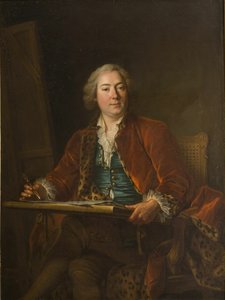
Charles-André van Loo
1705 - 1765 , France
En bref
- Artistes Influents:
- Benedetto Luti
- Pierre Le Gros
- Date De Naissance: 15 février 1705
- Influences Artistiques: ['École française moderne']
- Lieu De Naissance: Nice, France
- Mouvement Artistique: Rococo
- Nationalité: Française
- Nom Complet: Charles-André van Loo
- Œuvres Notables:
- Vénus et Amour
- Halte à la chasse
- Portrait de Marie Leszczynska
- Jupiter et Antiope
- Autoportrait
- Persée et Andromède
Articles similaires

L'Esthétique Rococo : Opulence, Rébellion et la Quête du Plaisir au XVIIIe Siècle
Explorez l'esthétique rococo : opulence, rébellion et quête du plaisir au XVIIIe siècle. Découvrez les maîtres (Watteau, Boucher, Fragonard) et l'influence durable de ce style artistique raffiné. Analyse approfondie & reproductions d'exception.
From Grandeur to Grace: Exploring the Evolution of Baroque & Rococo Art
Explore the captivating evolution from Baroque's drama to Rococo's grace! Discover key artists, characteristics & lasting influence of these art movements with expert insights at OriginalUniqueArt.

Baroque vs. Rococo: A Definitive Guide to the Drama of Grandeur and the Elegance of Grace
Explore the profound differences between Baroque drama and Rococo elegance. Our expert guide delves into art history, chiaroscuro, and the evolution of European masterpieces for collectors and enthusiasts seeking deep historical context.
Baroque vs. Rococo: A Definitive Guide to High-Drama Shadows and Golden Elegance
Explore the dramatic evolution from Baroque's intense chiaroscuro to Rococo's golden elegance. Our expert guide decodes the shift from high-drama shadows to playful, ornate grace for art enthusiasts and collectors seeking deep historical insight.

The Allure of Elegance in Art: A Historical & Aesthetic Exploration of Refinement & Grace
Explore the exquisite world of Rococo art! Discover its history, masters (Watteau, Boucher & more), and defining elegance. Expert insights for collectors seeking museum-quality reproductions & custom portraits.


