
 Aperçu en situation
 Partager
 Partager
 Détails

 Télécharger l'image
 Articles similaires
 Radiographie
 Voir le diaporama
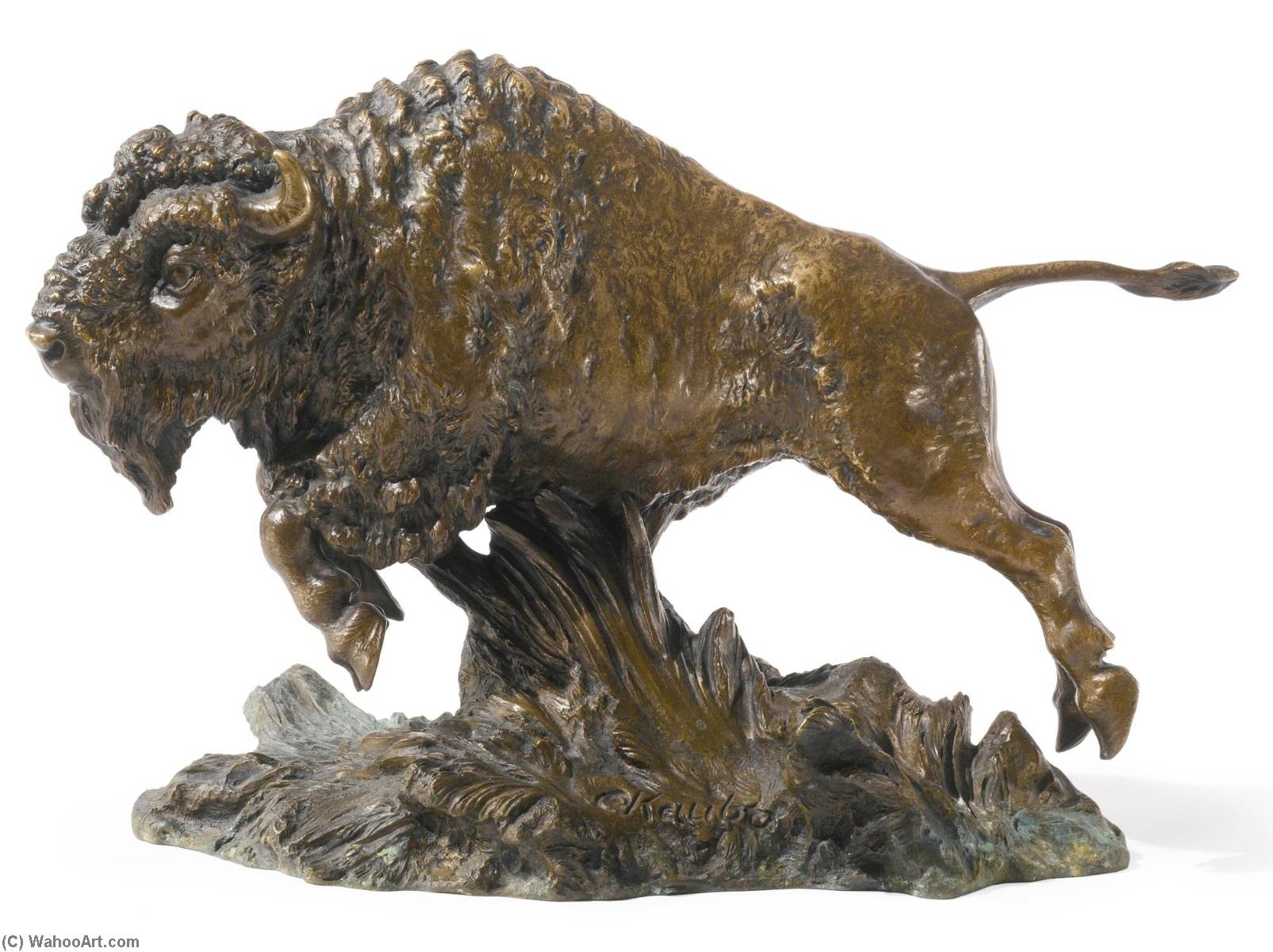
Charging Buffalo

 Afficher la suite
Reproduction à l'huile faite à la main
Huile sur toile peinte à la main, avec cadre et dimensions personnalisés, réalisée sur commande par nos artistes. ( Acheter l'impression Acheter l'image)




P118B $10

P118H $10

P118W $10

P438Z $10

P508JH $12

P508YH $12

P805H $10

P805Z $10

P919BZ $10

P919G $10

P919XJ $10

P959ZH $10

P968JZ $12

W106C $8

W218G $10

W218JH $8

W218Y $10

W307PJ $10

W316G $10

W316PJ $8

W316Y $10

W398PJ $8

W4111J $10

W500HY $15

W500JH $15

W692G $12

W849H $8

W940BG $15

W953PJ $8




Choisissez parmi nos formats prédéfinis qui respectent les proportions originales de l’œuvre.

Vous pouvez saisir vos propres dimensions pour l'adapter à un cadre ou à un espace spécifique. Si la taille sélectionnée ne correspond pas aux proportions de l'image d'origine, nous recadrerons l'œuvre ou prolongerons la peinture avec des éléments peints à la main supplémentaires. Une maquette numérique vous sera envoyée pour approbation avant le début de la production.
Veuillez noter que l'aperçu à l'écran ne reflète pas le recadrage ou l'extension réels. Seule la maquette montrera fidèlement la composition finale.
Bien que des tailles personnalisées soient disponibles, nous vous recommandons de sélectionner une dimension dans la liste prédéfinie afin de préserver les proportions d'origine.
Après la commande, l’équipe OriginalUniqueArt.com contactera le client par e-mail pour recueillir ses instructions et lui fournira une maquette d’aperçu
Livraison dans le monde entier () en 3 à 4 semaines au lieu des 5 semaines habituelles. (24 août). Aucun compromis sur la qualité.

Livraison express gratuite dans le monde entier

Toile de lin de haute qualité

Assurance transport complète

Garantie de remboursement des droits de douane

Garantie de fidélité des couleurs

Politique de retour de 60 jours (uniquement en cas de défaut)

Garantie de remboursement à 100%

Tarifs dégressifs sur quantité
 L'option verre n'est disponible que pour les dimensions inférieures à 110 cm.

Charging Buffalo
Technique de reproduction
Format de la reproduction
-


Prix total final
$ 300
Biographie de l'artiste
Carl Kauba: Bridging Realism and Symbolism in Late 19th-Century Austrian Painting
Carl Eduard Schuch (1846-1903) stands as a pivotal figure in late 19th-century Austrian painting, marking a crucial transition between traditional realism and the burgeoning influences of modern symbolism. Born in Vienna, Schuch’s artistic journey was shaped by a fascination with both meticulous observation of nature and an exploration of spiritual themes—a duality that characterizes his distinctive oeuvre. His early training focused on academic traditions, absorbing lessons from masters like Albert Brumel and Johann Franz Staubach, grounding him in the conventions of landscape painting prevalent at the time. However, Schuch quickly distinguished himself through a bold experimentation with color and form, rejecting purely representational approaches in favor of conveying emotion and inner experience. Schuch’s artistic vision was profoundly impacted by Orientalism—the European fascination with the East—which gained considerable momentum during his lifetime. Artists like Eugène Delacroix and Frédéric Bazille had already established precedents for depicting exotic locales and cultures with heightened emotional intensity, inspiring Schuch to venture beyond mere topographical accuracy. He traveled extensively throughout Morocco and Algeria, immersing himself in the vibrant colors and textures of North African landscapes and capturing portraits of local inhabitants—often imbued with a sense of melancholy and contemplation. This engagement with Orientalism wasn’t merely stylistic; it represented a broader intellectual preoccupation with questions of spirituality and transcendence. Schuch sought to express profound ideas about human existence through his paintings, utilizing color palettes rich in blues and greens to evoke feelings of serenity and introspection. Schuch's artistic development progressed steadily throughout his career, culminating in a masterful synthesis of realism and symbolism. He honed his technique—particularly watercolor—to achieve unparalleled luminosity and expressive nuance. His landscapes are characterized by meticulous detail—capturing the subtle variations of light and shadow—yet simultaneously infused with an ethereal quality that transcends mere visual perception. Recurring motifs—such as solitary figures gazing upon expansive vistas—suggested a preoccupation with themes of solitude, contemplation, and spiritual yearning. Schuch’s paintings resonate powerfully today because they embody the spirit of their time—a period marked by both scientific advancements and a renewed interest in mysticism. Schuch's legacy extends beyond his individual artworks; he served as an influential teacher at the Akademie der Bildenden Künste Wien (Vienna Academy of Fine Arts), nurturing generations of aspiring artists who embraced his innovative approach to painting. His students included Josef Maria Hornberger and Wilhelm Trübner, who carried forward Schuch’s stylistic principles—particularly the expressive use of color—into their own artistic endeavors. Through his teaching and mentorship, Schuch ensured that his distinctive vision would continue to inspire artists for decades to come. Schuch's contribution to Austrian art history is undeniable. He stands as a testament to the transformative power of artistic experimentation and the enduring relevance of exploring spiritual dimensions within visual representation. His paintings remain treasured examples of late 19th-century watercolor landscape, embodying both meticulous observation and profound emotional depth—a duality that secures his place among Austria’s most celebrated painters.
carl kauba
1865 - 1922
En bref
- Artistic Movement Or Style: American West Painting
- Date Of Birth: 1865
- Date Of Death: 1922
- Full Name: Carl Kauba
- Nationality: Austrian
- Notable Artworks:
- Charging Buffalo
- Moorish Dancer
- Place Of Birth: Vienna, Austria
Articles similaires

Les 10 Chefs-d'œuvre en Bronze qui ont Révolutionné l'Art : Collection OriginalUniqueArt
Plongez dans l'univers fascinant des 10 chefs-d'œuvre en bronze qui ont marqué l'histoire de l'art. Découvrez Rodin, Degas et les secrets de ces sculptures iconiques. Reproductions d'art exceptionnelles sur OriginalUniqueArt.com – Explorez la collection !

Les 10 Chefs-d'œuvre Bronzes Qui Ont Révolutionné la Sculpture | OriginalUniqueArt
Plongez dans l'univers fascinant des 10 sculptures en bronze les plus emblématiques de l'histoire de l'art. Rodin, Degas et autres maîtres révélés ! Découvrez leur histoire, leurs techniques et trouvez l'œuvre parfaite pour sublimer votre intérieur sur OriginalUniqueArt.com.

The Enduring Legacy of Bronze: A Historical & Artistic Exploration for the Collector
Explore the rich history & enduring appeal of bronze sculpture with expert insights for collectors at OriginalUniqueArt. Learn about casting techniques, iconic artists, collecting tips & contemporary interpretations.
The Enduring Legacy of Bronze Sculpture: A Collector's Guide to Form & Cultural Significance
Explore the rich history & enduring appeal of bronze sculpture with expert insights for collectors at OriginalUniqueArt. Learn about casting techniques, iconic artists, and collecting tips to build a discerning art collection.
The Enduring Legacy of Bronze: History, Technique & Artistic Expression for the Collector
Explore the rich history & enduring appeal of bronze sculpture with expert insights for collectors at OriginalUniqueArt. Learn about casting techniques, iconic artists, and collecting tips.

