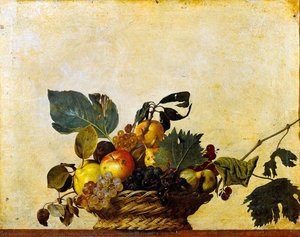
Aperçu en situation
 Partager
 Partager
 Détails
 Guide imprimable

 Télécharger
 Articles similaires
 Radiographie
 Voir le diaporama
 Statistiques
Joueur de luth
 Acrylique sur toile
- Décoration murale
- Baroque
 1596
1596- Renaissance
 94.0 x 119.0 cm
 Musée de l'Ermitage
 Afficher la suite
Giclées et impressions d'art
Impressions giclées ou sur toile de qualité musée, avec une production rapide et des finitions au choix. ( Acheter la peinture faite à la main Passer au format image numérique)




P118B €10

P118H €10

P118W €10

P438Z €10

P508JH €12

P508YH €12

P805H €10

P805Z €10

P919BZ €10

P919G €10

P919XJ €10

P959ZH €10

P968JZ €12

W106C €8

W218G €10

W218JH €8

W218Y €10

W307PJ €10

W316G €10

W316PJ €8

W316Y €10

W398PJ €8

W4111J €10

W500HY €15

W500JH €15

W692G €12

W849H €8

W940BG €15

W953PJ €8




Choisissez parmi nos formats prédéfinis qui respectent les proportions originales de l’œuvre.

Saisissez la largeur et la hauteur souhaitées pour qu'elles s'adaptent à votre cadre ou à votre mur. Une impression ne peut être que découpée, elle ne peut jamais être agrandie au-delà de l'image originale ; ainsi, un format de forme différente entraînera la perte d'une partie de l'image. Nous vous envoyons une maquette numérique pour approbation avant toute impression. L'image présentée sur cette page ne montre pas le recadrage réel — seule la maquette le permet.
Livraison dans le monde entier () en 2 semaines au lieu des 4/5 semaines habituelles. (22 octobre)

Livraison express gratuite dans le monde entier

Toile de lin de haute qualité

Assurance transport complète

Garantie de remboursement des droits de douane

Garantie de fidélité des couleurs

Garantie de retour de 100 jours (uniquement en cas de défaut)

Garantie de remboursement à 100%

Tarifs dégressifs sur quantité
 L'option verre n'est disponible que pour les dimensions inférieures à 110 cm.

Joueur de luth
Giclées et impressions d'art
Format de la reproduction
-


Prix total final
€ 70
Lute Player (Caravaggio): A Symphony of Light and Emotion
Michelangelo Merisi da Caravaggio’s “The Lute Player,” completed around 1596, stands as a cornerstone of Baroque art—a testament to the artist's revolutionary approach to painting and his profound understanding of human psychology. Commissioned by Cardinal Francesco Maria del Monte, this portrait transcends mere representation; it embodies an atmosphere of palpable emotion and captures the essence of musical contemplation with unparalleled brilliance.
- Early Life and Training: Caravaggio’s formative years in Milan instilled in him a meticulous observation of nature and a mastery of traditional techniques. His apprenticeship under Simone Peterzano honed his skills, preparing him for the dramatic stylistic innovations that would define his career.
- The Cardinal's Patronage: Francesco Maria del Monte recognized Caravaggio’s talent early on and became a crucial supporter, providing him with commissions and fostering an environment conducive to artistic experimentation. This relationship profoundly influenced Caravaggio’s oeuvre, shaping his thematic concerns and stylistic choices.
Caravaggio's distinctive style—characterized by tenebrism (the dramatic interplay of light and shadow)—immediately captivated audiences and distinguished him from his contemporaries. He eschewed idealized depictions favored by Raphael and Titian, opting instead for realism infused with psychological depth. This approach is vividly evident in “The Lute Player,” where Caravaggio skillfully manipulates light to illuminate the boy’s face and torso, casting the rest of the composition in deep darkness.
- Compositional Innovation: The artist arranges the lute player centrally within a shallow space, juxtaposed against a bare marble tabletop adorned with a violin and a still life featuring fruits—a deliberate choice that underscores themes of transience and harmony.
- Symbolism and Musical Contemplation: The inclusion of madrigals by Jacques Arcadelt adds another layer of meaning to the painting. These songs express sentiments of love and devotion, mirroring the boy’s absorbed gaze as he plays his lute—a gesture symbolizing inner peace and spiritual contemplation.
“The Lute Player” exists in three versions—the original residing at Badminton House, Gloucestershire; another housed in the Wildenstein Collection; and a third held by the Hermitage Museum in St. Petersburg. Each rendition showcases Caravaggio’s unwavering commitment to capturing the human condition with unflinching honesty and artistic brilliance. The meticulous rendering of textures—from the lute strings to the marble surface—further enhances the painting's immersive quality, transporting viewers back to the Baroque era.
- Technical Mastery: Caravaggio’s masterful use of tenebrism—the dramatic contrast between light and dark—creates a palpable sense of depth and atmosphere.
- Influence on Later Artists: Diego Velázquez, renowned for his portraits like “Head of a Man,” absorbed Caravaggio's stylistic principles, demonstrating the enduring legacy of this groundbreaking artist.
OriginalUniqueArt.com offers exceptional reproductions of “The Lute Player”—handmade oil paintings crafted with meticulous attention to detail, ensuring that the essence of Caravaggio’s masterpiece is preserved for generations to come. Explore the beauty and artistry of Baroque art through these stunning prints.
- Caravaggio (Michelangelo Merisi): Lute Player
- The Lute Player (Caravaggio)
- Diego Velazquez: Head of a Man
Questions et réponses
Quel espace est suggéré pour «Joueur de luth» de Caravage ?
L'espace recommandé pour «Joueur de luth» de Caravage est un Espaces de vie. Cette suggestion peut bien entendu être adaptée à votre intérieur.
Quelle taille est suggérée pour "Joueur de luth" dans un(e) Espaces de vie ?
Dans une Espaces de vie, nous suggérons un format d'impression de Format large pour « Joueur de luth ».
Qui a créé « Joueur de luth » et en quelle année ?
Caravage a réalisé « Joueur de luth » en 1596.
Biographie de l'artiste
Michelangelo Merisi da Caravaggio : Vie et Héritage
Jeunesse et Formation (1571-1592)
- Michelangelo Merisi da Caravaggio, communément appelé simplement Caravaggio, est né à Milan en 1571.
- Sa famille a déménagé dans la ville de Caravaggio en raison d'une épidémie dévastatrice qui a frappé Milan.
- Après les décès de son père et de son grand-père en 1577, sa mère a élevé ses cinq enfants dans la pauvreté relative.
- En 1584, il a commencé un apprentissage de quatre ans avec Simone Peterzano, un peintre qui avait été élève de Titien. Cette formation fondamentale lui a inculqué les techniques de la peinture de la Renaissance.
Carrière Artistique et Style (1592-1610)
- La carrière artistique de Caravaggio a fleuri à Rome, où il est arrivé vers 1592. Au début, il a eu du mal à obtenir une reconnaissance, mais il s'est rapidement établi grâce à son style innovant.
- Sa caractéristique la plus déterminante était son habile utilisation de chiaroscuro, le contraste dramatique entre lumière et obscurité. Cette technique, souvent appelée ténèbres, est devenue une marque de fabrique de la peinture baroque.
- Il a rejeté les formes idéalisées au profit de représentations réalistes, utilisant souvent des personnes ordinaires comme modèles pour les figures religieuses.
- Les peintures de Caravaggio sont connues pour leur réalisme émotionnel intense et leurs récits dramatiques.
Œuvres Clés
- La Prorocesse (1594) : Une œuvre précoce montrant son style réaliste et son souci du détail.
- Le Banquet d'Emmaüs (1601-1602) : Une représentation puissante de la scène biblique, démontrant sa maîtrise du chiaroscuro et de l’intensité émotionnelle.
- Saint François d'Assise en Extase (1594) : Illustre sa capacité à transmettre une expérience spirituelle à travers des images réalistes.
- La Capture du Christ (c. 1602) : Une composition dramatique soulignant la trahison et la capture de Jésus.
- David avec la tête de Goliath (c. 1610) : Une représentation psychologiquement complexe du héros biblique.
Influences et Développement Artistique
- Caravaggio a été influencé par les œuvres des maîtres de la Renaissance tels que Titien, Léonard de Vinci et Michel-Ange, qu'il a étudiés pendant son apprentissage.
- Il s’est éloigné du style maniériste dominant, adoptant une approche plus directe et naturaliste de la peinture.
- Son utilisation de la lumière et de l'ombre a été inspirée à la fois par les traditions artistiques et par l'éclairage théâtral courant à Rome à cette époque.
Réalisations Majeures et Importance Historique
- Caravaggio a révolutionné la peinture baroque grâce à son réalisme dramatique, à son utilisation innovante du chiaroscuro et à ses compositions chargées d'émotion.
- Il a inspiré une génération d’artistes connus sous le nom de “Caravaggesques" ou "ombres", qui ont adopté son style dans toute l'Europe. Des disciples notables incluent Pierre Paul Rubens, Giuseppe de Ribera et Gerrit van Honthorst.
- Son œuvre a défié les conventions artistiques et a ouvert la voie à une approche plus moderne de la peinture.
- Malgré une vie personnelle tumultueuse marquée par la violence et des problèmes juridiques, l'héritage artistique de Caravaggio reste profond et durable.
Vie Tardive et Mort
- En 1606, Caravaggio a fui Rome après avoir tué un homme lors d’une bagarre. Il a passé les années suivantes à se déplacer entre Naples, Malte et Sicile.
- Il a recherché le pardon du pape mais a continué à faire face à des défis juridiques et à des conflits personnels.
- Caravaggio est mort à Porto Ercole, en Italie, en 1610 dans des circonstances mystérieuses. La cause de sa mort reste débattue, avec des théories allant d'une fièvre à un empoisonnement.

Caravage
1571 - 1610 , Espagne
En bref
- Artistes Influents:
- Titien
- Léonard de Vinci
- Michel-Ange
- Date De Décès: 1610
- Date De Naissance: 1571
- Influences Artistiques:
- Pierre Paul Rubens
- Jusepe de Ribera
- Gerrit van Honthorst
- Lieu De Naissance: Milan, Espagne
- Mouvement Artistique: Baroque
- Nationalité: Italienne
- Nom Complet: Michelangelo Merisi da Caravaggio
- Oeuvres Notables:
- La Fortune Teller
- Le Dîner à Emmaüs
- Saint François en extase
- La Prise du Christ
- David et Goliath
Articles connexes

Caravage : Réalisme révolutionnaire, lumière et ombre d'une condition humaine
Explorez l'œuvre révolutionnaire de Caravage : réalisme saisissant, maîtrise du clair-obscur et impact durable sur l'art baroque. Analyse approfondie et héritage artistique.

The Dramatic Flourish: Exploring the Baroque Movement's Enduring Legacy in Art History
Explore the dramatic world of Baroque art! Discover iconic artists like Caravaggio & Rubens, defining techniques, and its lasting impact on art history. Expert insights for collectors & enthusiasts at OriginalUniqueArt.
Baroque Realism: Illusion, Emotion & the Dramatic Transformation of 17th-Century Art
Explore the dramatic world of Baroque Realism! Discover iconic artists like Caravaggio & Rubens, their techniques, and the movement's lasting impact on art history. Expert insights for collectors & enthusiasts.

The Visceral Stage: Exploring Dramatic Narratives & Emotional Intensity in Baroque Art
Explore the dramatic world of Baroque art! Discover iconic masters like Caravaggio & Rembrandt, their techniques, and the movement's lasting impact. Expert insights for collectors & enthusiasts at OriginalUniqueArt.

Les 10 Chefs-d'œuvre Baroques qui ont Révolutionné l'Art |
Plongez au cœur du baroque avec les 10 chefs-d'œuvre de Caravaggio, Rembrandt et Rubens. Découvrez l'histoire fascinante de ces artistes et leurs tableaux célèbres. Reproductions d'art de qualité muséale sur – Explorez la collection !