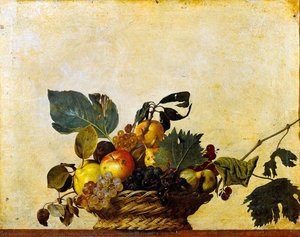
Aperçu en situation
 Partager
 Partager
 Détails
 Guide imprimable

 Télécharger
 Articles similaires
 Radiographie
 Voir le diaporama
 Statistiques
David


 Afficher la suite
Giclées et impressions d'art
Impressions giclées ou sur toile de qualité musée, avec une production rapide et des finitions au choix. ( Acheter la peinture faite à la main Passer au format image numérique)




P118B €10

P118H €10

P118W €10

P438Z €10

P508JH €12

P508YH €12

P805H €10

P805Z €10

P919BZ €10

P919G €10

P919XJ €10

P959ZH €10

P968JZ €12

W106C €8

W218G €10

W218JH €8

W218Y €10

W307PJ €10

W316G €10

W316PJ €8

W316Y €10

W398PJ €8

W4111J €10

W500HY €15

W500JH €15

W692G €12

W849H €8

W940BG €15

W953PJ €8




Choisissez parmi nos formats prédéfinis qui respectent les proportions originales de l’œuvre.

Saisissez la largeur et la hauteur souhaitées pour qu'elles s'adaptent à votre cadre ou à votre mur. Une impression ne peut être que découpée, elle ne peut jamais être agrandie au-delà de l'image originale ; ainsi, un format de forme différente entraînera la perte d'une partie de l'image. Nous vous envoyons une maquette numérique pour approbation avant toute impression. L'image présentée sur cette page ne montre pas le recadrage réel — seule la maquette le permet.
Livraison dans le monde entier () en 2 semaines au lieu des 4/5 semaines habituelles. (19 octobre)

Livraison express gratuite dans le monde entier

Toile de lin de haute qualité

Assurance transport complète

Garantie de remboursement des droits de douane

Garantie de fidélité des couleurs

Garantie de retour de 100 jours (uniquement en cas de défaut)

Garantie de remboursement à 100%

Tarifs dégressifs sur quantité
 L'option verre n'est disponible que pour les dimensions inférieures à 110 cm.

David
Giclées et impressions d'art
Format de la reproduction
-


Prix total final
€ 70
David, 1600
Michelangelo Merisi da Caravaggio’s *David*, painted around 1600, stands as an emblem of Baroque art—a movement defined by dramatic emotion and masterful illusionism. More than just a depiction of biblical heroism, it embodies the spirit of its time, reflecting anxieties about faith and power within the turbulent political landscape of Rome. This monumental canvas resides in the Museo del Prado in Madrid, alongside other versions housed in Vienna and Rome, cementing Caravaggio’s legacy as one of the most influential artists of the seventeenth century.Style and Technique: The Power of Chiaroscuro
Caravaggio revolutionized painting with his uncompromising commitment to realism—a radical departure from Mannerist conventions that prioritized elegance and abstraction. His signature technique, *chiaroscuro*, is instantly recognizable. He employed stark contrasts between light and dark, sculpting figures out of shadow and highlighting key areas with intense illumination. This dramatic effect wasn’t merely stylistic; it served a profound psychological purpose—to convey the inner turmoil of David as he contemplates the imminent confrontation with Goliath. The artist meticulously studied anatomy and musculature, achieving an unprecedented level of naturalism that captivated audiences and influenced generations of painters. Observe how Caravaggio captures the tension between David's gaze and the looming presence of Goliath’s severed head – a visual metaphor for overcoming fear and doubt.A Biblical Narrative Illuminated
The painting recounts the biblical tale of David slaying Goliath, a young shepherd who defied the giant Philistine warrior armed with spear and shield. Caravaggio eschewed idealized depictions of heroism, presenting David as a man wrestling with moral responsibility—a figure humbled by circumstance yet resolute in his determination. The artist’s decision to portray David as pensive and vulnerable is deliberate; he seeks to communicate not triumph but the psychological impact of victory. This portrayal resonates deeply with viewers because it speaks to universal themes of courage, faith, and overcoming adversity.Symbolism and Context: Rome Under Papal Patronage
Caravaggio’s *David* was commissioned by Cardinal Francesco Maria Del Monte, a prominent patron of the arts who championed Caravaggio's innovative style. The painting reflects the broader artistic climate of Rome during the Baroque period—a time marked by papal ambition and religious fervor. The dramatic lighting underscores the moral struggle at the heart of the narrative, mirroring the anxieties surrounding papal authority and the challenges faced by Catholic Europe in confronting Protestantism. Furthermore, Caravaggio’s use of a young boy as David – referencing Michelangelo Buonarroti's depiction of David—was a bold artistic statement that challenged conventional notions of masculinity and heroism. The image itself embodies the triumph of faith over fear, mirroring the spiritual aspirations of the era.- View more information about Michelangelo Merisi Da Caravaggio on OriginalUniqueArt.com
- Learn more about Caravaggio (Michelangelo Merisi) and his works, such as David and Cupid as Victor
- Discover the image of David by Caravaggio on OriginalUniqueArt.com
Questions et réponses
Qui est l'artiste derrière « David » ?
L'artiste à l'origine de « David » est Caravage. L'œuvre est répertoriée sous le nom de Caravage.
Quelle taille d'impression est recommandée pour « David » ?
Une reproduction en Grand format est suggérée pour «David» de Caravage. Le format peut être ajusté tout en conservant les proportions.
Quelle est l'intensité des couleurs de "David" ?
Les couleurs de «David» de Caravage présentent une saturation Désaturé avec une intensité Monochromatique.
Biographie de l'artiste
Michelangelo Merisi da Caravaggio : Vie et Héritage
Jeunesse et Formation (1571-1592)
- Michelangelo Merisi da Caravaggio, communément appelé simplement Caravaggio, est né à Milan en 1571.
- Sa famille a déménagé dans la ville de Caravaggio en raison d'une épidémie dévastatrice qui a frappé Milan.
- Après les décès de son père et de son grand-père en 1577, sa mère a élevé ses cinq enfants dans la pauvreté relative.
- En 1584, il a commencé un apprentissage de quatre ans avec Simone Peterzano, un peintre qui avait été élève de Titien. Cette formation fondamentale lui a inculqué les techniques de la peinture de la Renaissance.
Carrière Artistique et Style (1592-1610)
- La carrière artistique de Caravaggio a fleuri à Rome, où il est arrivé vers 1592. Au début, il a eu du mal à obtenir une reconnaissance, mais il s'est rapidement établi grâce à son style innovant.
- Sa caractéristique la plus déterminante était son habile utilisation de chiaroscuro, le contraste dramatique entre lumière et obscurité. Cette technique, souvent appelée ténèbres, est devenue une marque de fabrique de la peinture baroque.
- Il a rejeté les formes idéalisées au profit de représentations réalistes, utilisant souvent des personnes ordinaires comme modèles pour les figures religieuses.
- Les peintures de Caravaggio sont connues pour leur réalisme émotionnel intense et leurs récits dramatiques.
Œuvres Clés
- La Prorocesse (1594) : Une œuvre précoce montrant son style réaliste et son souci du détail.
- Le Banquet d'Emmaüs (1601-1602) : Une représentation puissante de la scène biblique, démontrant sa maîtrise du chiaroscuro et de l’intensité émotionnelle.
- Saint François d'Assise en Extase (1594) : Illustre sa capacité à transmettre une expérience spirituelle à travers des images réalistes.
- La Capture du Christ (c. 1602) : Une composition dramatique soulignant la trahison et la capture de Jésus.
- David avec la tête de Goliath (c. 1610) : Une représentation psychologiquement complexe du héros biblique.
Influences et Développement Artistique
- Caravaggio a été influencé par les œuvres des maîtres de la Renaissance tels que Titien, Léonard de Vinci et Michel-Ange, qu'il a étudiés pendant son apprentissage.
- Il s’est éloigné du style maniériste dominant, adoptant une approche plus directe et naturaliste de la peinture.
- Son utilisation de la lumière et de l'ombre a été inspirée à la fois par les traditions artistiques et par l'éclairage théâtral courant à Rome à cette époque.
Réalisations Majeures et Importance Historique
- Caravaggio a révolutionné la peinture baroque grâce à son réalisme dramatique, à son utilisation innovante du chiaroscuro et à ses compositions chargées d'émotion.
- Il a inspiré une génération d’artistes connus sous le nom de “Caravaggesques" ou "ombres", qui ont adopté son style dans toute l'Europe. Des disciples notables incluent Pierre Paul Rubens, Giuseppe de Ribera et Gerrit van Honthorst.
- Son œuvre a défié les conventions artistiques et a ouvert la voie à une approche plus moderne de la peinture.
- Malgré une vie personnelle tumultueuse marquée par la violence et des problèmes juridiques, l'héritage artistique de Caravaggio reste profond et durable.
Vie Tardive et Mort
- En 1606, Caravaggio a fui Rome après avoir tué un homme lors d’une bagarre. Il a passé les années suivantes à se déplacer entre Naples, Malte et Sicile.
- Il a recherché le pardon du pape mais a continué à faire face à des défis juridiques et à des conflits personnels.
- Caravaggio est mort à Porto Ercole, en Italie, en 1610 dans des circonstances mystérieuses. La cause de sa mort reste débattue, avec des théories allant d'une fièvre à un empoisonnement.

Caravage
1571 - 1610 , Espagne
En bref
- Artistes Influents:
- Titien
- Léonard de Vinci
- Michel-Ange
- Date De Décès: 1610
- Date De Naissance: 1571
- Influences Artistiques:
- Pierre Paul Rubens
- Jusepe de Ribera
- Gerrit van Honthorst
- Lieu De Naissance: Milan, Espagne
- Mouvement Artistique: Baroque
- Nationalité: Italienne
- Nom Complet: Michelangelo Merisi da Caravaggio
- Oeuvres Notables:
- La Fortune Teller
- Le Dîner à Emmaüs
- Saint François en extase
- La Prise du Christ
- David et Goliath
Articles connexes

The Dramatic Flourish: Exploring the Baroque Movement's Enduring Legacy in Art History
Explore the dramatic world of Baroque art! Discover iconic artists like Caravaggio & Rubens, defining techniques, and its lasting impact on art history. Expert insights for collectors & enthusiasts at OriginalUniqueArt.
Baroque : Les 10 Chefs-d'œuvre qui ont Révolutionné la Peinture | OriginalUniqueArt
Plongez au cœur de la peinture baroque avec OriginalUniqueArt ! Découvrez les 10 chefs-d'œuvre incontournables de Caravaggio, Rembrandt et Rubens. Histoire, techniques & émotions : trouvez l'inspiration déco et achetez des reproductions d'art de qualité muséale sur OriginalUniqueArt.com

The Visceral Stage: Exploring Dramatic Narratives & Emotional Intensity in Baroque Art
Explore the dramatic world of Baroque art! Discover iconic masters like Caravaggio & Rembrandt, their techniques, and the movement's lasting impact. Expert insights for collectors & enthusiasts at OriginalUniqueArt.
Chiaroscuro and Soul: A Definitive Guide to the Drama and Emotion of Italian Baroque Masterpieces
Embark on a sophisticated journey through Italian Baroque art. Discover the dramatic interplay of light and emotion in Caravaggio’s masterpieces and explore how to bring this timeless grandeur into your collection with expert art insights.

Les 10 Chefs-d'œuvre Baroques qui ont Révolutionné l'Art |
Plongez au cœur du baroque avec les 10 chefs-d'œuvre de Caravaggio, Rembrandt et Rubens. Découvrez l'histoire fascinante de ces artistes et leurs tableaux célèbres. Reproductions d'art de qualité muséale sur – Explorez la collection !