

 Aperçu en situation
 Partager
 Partager
 Détails
 Guide imprimable

 Télécharger
 Articles similaires
 Radiographie
 Voir le diaporama
 Statistiques
Salome


 Afficher la suite
Reproduction à l'huile faite à la main
Huile sur toile peinte à la main, avec cadre et dimensions personnalisés, réalisée sur commande par nos artistes. ( Passer au format impression Passer au format image numérique)




































Choisissez parmi nos formats prédéfinis qui respectent les proportions originales de l’œuvre.

Vous pouvez saisir vos propres dimensions pour l'adapter à un cadre ou à un espace spécifique. Si la taille sélectionnée ne correspond pas aux proportions de l'image d'origine, nous recadrerons l'œuvre ou prolongerons la peinture avec des éléments peints à la main supplémentaires. Une maquette numérique vous sera envoyée pour approbation avant le début de la production.
Veuillez noter que l'aperçu à l'écran ne reflète pas le recadrage ou l'extension réels. Seule la maquette montrera fidèlement la composition finale.
Bien que des tailles personnalisées soient disponibles, nous vous recommandons de sélectionner une dimension dans la liste prédéfinie afin de préserver les proportions d'origine.
Après la commande, l’équipe OriginalUniqueArt.com contactera le client par e-mail pour recueillir ses instructions et lui fournira une maquette d’aperçu
Livraison dans le monde entier () en 3 à 4 semaines au lieu des 5 semaines habituelles. (26 septembre). Aucun compromis sur la qualité.

Livraison express gratuite dans le monde entier

Toile de lin de haute qualité

Assurance transport complète

Garantie de remboursement des droits de douane

Garantie de fidélité des couleurs

Garantie de retour de 100 jours (uniquement en cas de défaut)

Garantie de remboursement à 100%

Tarifs dégressifs sur quantité
 L'option verre n'est disponible que pour les dimensions inférieures à 110 cm.

Salome
Technique de reproduction
Format de la reproduction
-


Prix total final
$ 300
Biographie de l'artiste
L'héritage de Callisto Piazza da Lodi
Dans la tapisserie vibrante de la Renaissance italienne et de l'ère baroque naissante, peu de noms capturent l'essence de la transition artistique de la Lombardie comme Callisto Piazza da Lodi. Né dans la ville historique de Lodi vers 1500, Piazza s'est imposé comme une figure charnière de l'école bresciane, un mouvement qui allait finalement redéfinir le langage visuel de l'Italie du Nord. Sa vie et son œuvre servent de pont entre l'élégance méticuleuse et raffinée de la tradition ferraraise et la puissance dramatique et émotive des maîtres brescians. Bien que les archives historiques n'offrent que des aperçus de ses années privées, sa touche révèle un homme profondément en phase avec les courants changeants de la culture du XVIe siècle, où les idéaux humanistes et le mécénat papal insufflaient une vie nouvelle à l'iconographie religieuse comme séculière.
Les fondements de la maîtrise de Piazza furent probablement posés sur le terreau fertile d'une famille de peintres. Le clan Piazza établit une présence significative à Brescia, créant un environnement d'atelier qui fonctionnait à la fois comme un sanctuaire pour la tradition et un laboratoire pour l'innovation. Les érudits s'accordent largement à dire que sa formation initiale fut façonnée par l'influence de Ludovico Mazzolino de Ferrare, dont le style apportait une précision presque joaillière et des détails complexes à la toile. Cette influence ferraraise, mêlée aux nuances subtiles de Giovanni Agostino da Lodi, a permis à Piazza de développer une technique équilibrant l'ornementation délicate avec un intérêt croissant pour la profondeur atmosphérique et les jeux de lumière qui deviendraient les marques de fabrique de sa période de maturité.
Un maître de la lumière et du drame brescian
Au fil de sa carrière, Piazza s'est profondément ancré dans l'âme artistique de Brescia, une ville qui traversait alors une profonde évolution stylistique. Il a œuvré dans un esprit collectif, contribuant à un corpus d'œuvres embrassant les effets révolutionnaires du clair-obscur défendus par des contemporains tels que Gian Battista Romanino. Cette maîtrise de l'ombre et de la lumière lui a permis d'insuffler à ses fresques religieuses et à ses retables un sentiment de présence palpable et un poids spirituel. Ses compositions s'éloignaient souvent des arrangements iconographiques statiques pour tendre vers des scènes plus dynamiques et narratives, invitant le spectateur dans un espace émotionnel partagé.
Le développement de son style peut être observé à travers plusieurs piliers artistiques essentiels :
- L'intégration du clair-obscur : l'utilisation de contrastes dramatiques pour créer du volume et un sentiment de mouvement théâtral au sein des récits sacrés.
- La précision ferraraise : le maintien d'une attention méticuleuse aux détails et aux textures fines, vestige de ses premières influences stylistiques.
- Le naturalisme lombard : un engagement à dépeindre les figures et les paysages avec un réalisme terreux et ancré qui résonnait avec l'esthétique bresciane.
- La grandeur architecturale : sa capacité à exécuter des fresques de grande envergure qui s'harmonisaient parfaitement avec l'architecture ecclésiastique de l'Italie du Nord.
Importance historique et endurance artistique
L'importance historique de Callisto Piazza da Lodi ne réside pas seulement dans ses accomplissements individuels, mais dans son rôle de conduit pour l'identité artistique régionale. En synthétisant l'élégance raffinée de l'école ferraraise avec l'énergie brute et émotive du mouvement brescian, il a aidé à forger un dialecte visuel distinct qui allait influencer des générations de peintres lombards. Ses commandes, allant d'œuvres de dévotion intimes à d'imposantes fresques religieuses, reflètent le paysage socio-politique plus large de l'Italie du XVIe siècle, où l'art servait à la fois d'outil d'instruction spirituelle et de symbole de prestige civique.
Bien que le passage des siècles ait obscurci certains détails de sa biographie, l'impact durable de son œuvre reste visible dans la manière dont la lumière interagit avec la forme dans les travaux de ses successeurs. La capacité de Piazza à capturer le divin au sein de l'expérience humaine — par l'application soigneuse du pigment et l'usage stratégique de l'ombre — assure sa place dans le panthéon des maîtres italiens. Il demeure un sujet vital pour tout étudiant de la Renaissance, représentant ce moment précis où les frontières de l'art étaient repoussées vers la splendeur dramatique du Baroque.
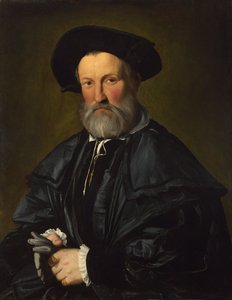
Callisto Piazza Da Lodi
1500 - 1561 , Italie
En bref
- Artistic Movement Or Style: École de Brescia
- Artists Or Movements Influenced By This Artist: ['École de Ferrare']
- Artists Who Influenced This Artist:
- Romanino
- Ludovico Mazzolino
- Date Of Birth: Lodi, Italie
- Date Of Death: 1561
- Full Name: Callisto Piazza da Lodi
- Nationality: Italien
- Notable Artworks:
- Le Concert
- Saint Catherine d'Alexandrie
- Place Of Birth: Lodi