
 Aperçu en situation
 Envoyer
 Partager
 Détails de l'œuvre

 Télécharger
 Articles similaires
 Radiographie
 Diaporama
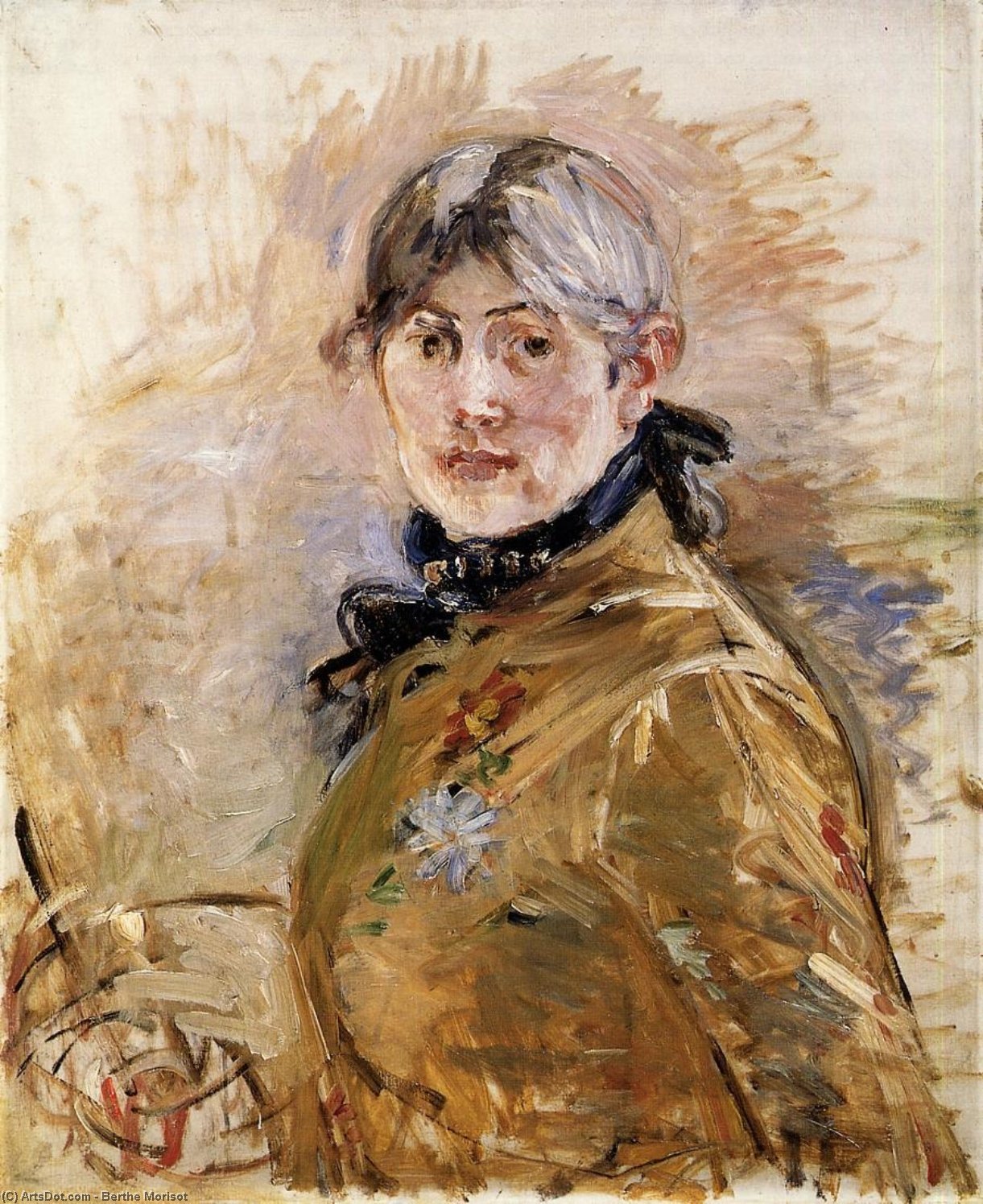
Self-Portrait
 Oil On Canvas
- WallArt
- Impressionism
 1885
1885- 19th Century
 50.0 x 61.0 cm
 Lire la suite
Reproduction à l'huile faite à la main
Huile sur toile peinte à la main, avec cadre et dimensions personnalisés, réalisée sur commande par nos artistes. ( Passer au tirage Passer à l'image)




P118B $10

P118H $10

P118W $10

P438Z $10

P508JH $12

P508YH $12

P805H $10

P805Z $10

P919BZ $10

P919G $10

P919XJ $10

P959ZH $10

P968JZ $12

W106C $8

W218G $10

W218JH $8

W218Y $10

W307PJ $10

W316G $10

W316PJ $8

W316Y $10

W398PJ $8

W4111J $10

W500HY $15

W500JH $15

W692G $12

W849H $8

W940BG $15

W953PJ $8




Choisissez parmi nos formats prédéfinis qui respectent les proportions originales de l’œuvre.

Vous pouvez saisir vos propres dimensions pour l'adapter à un cadre ou à un espace spécifique. Si la taille sélectionnée ne correspond pas aux proportions de l'image d'origine, nous recadrerons l'œuvre ou prolongerons la peinture avec des éléments peints à la main supplémentaires. Une maquette numérique vous sera envoyée pour approbation avant le début de la production.
Veuillez noter que l'aperçu à l'écran ne reflète pas le recadrage ou l'extension réels. Seule la maquette montrera fidèlement la composition finale.
Bien que des tailles personnalisées soient disponibles, nous vous recommandons de sélectionner une dimension dans la liste prédéfinie afin de préserver les proportions d'origine.
Après la commande, l’équipe OriginalUniqueArt.com contactera le client par e-mail pour recueillir ses instructions et lui fournira une maquette d’aperçu
Livraison dans le monde entier () en 3 à 4 semaines au lieu des 5 semaines habituelles. (9 août). Aucun compromis sur la qualité.

Livraison express gratuite dans le monde entier

Toile de lin de qualité supérieure

Assurance transport complète

Garantie de remboursement des droits de douane

Garantie de fidélité des couleurs

Politique de retour de 60 jours (uniquement en cas de défaut)

Garantie de remboursement à 100%

Offre de tarifs dégressifs
 L'option verre n'est disponible que pour les dimensions inférieures à 110 cm.

Self-Portrait
Technique de reproduction
Format de la reproduction
-


Prix total
$ 300
Description de l'œuvre
Berthe Morisot's Intimate Self-Portrait: A Window into Modernity
Berthe Morisot’s “Self-Portrait,” painted in 1885, is more than just a likeness; it’s a carefully constructed meditation on identity, femininity, and the burgeoning spirit of modern life. Created during her most prolific period as an Impressionist, this work offers a rare glimpse into the mind of one of the movement's pioneering female artists – a woman who defied convention with both her artistic vision and her unwavering commitment to capturing fleeting moments of beauty.
- Subject & Composition: The painting immediately draws the eye to Morisot’s face, rendered with an almost disconcerting directness. Her gaze meets the viewer's head-on, a bold gesture for a woman in that era and indicative of her desire to be seen as an equal participant in the artistic discourse. The composition is deceptively simple – a seated figure against a vibrant yellow backdrop – yet meticulously balanced, with the subtle inclusion of two indistinct figures in the background hinting at domestic life and adding layers of narrative without overwhelming the central theme.
- Color & Technique: Morisot’s masterful use of color is immediately apparent. The bold yellow of her coat provides a striking contrast to the cool blue of her scarf, creating a dynamic visual tension that reflects the emotional complexity within the portrait. Executed in oil on canvas with loose, visible brushstrokes characteristic of Impressionism, the paint itself seems to shimmer and vibrate with light – a testament to Morisot’s dedication to capturing the ephemeral qualities of natural illumination.
Impressionist Style & Personal Reflection
While firmly rooted in the Impressionist style—a movement defined by its emphasis on capturing fleeting moments of light and color—Morisot's self-portraits transcend mere stylistic adherence. They delve into intensely personal themes, offering a window into her inner world. The simplicity of her attire – a short skirt and jacket reflecting contemporary fashion – underscores her modernity and independence, while the relaxed pose suggests a comfortable intimacy with herself. This wasn’t simply a technical exercise; it was an act of self-discovery, a way for Morisot to explore her identity within the rapidly changing social landscape of late 19th-century France.
The presence of the two background figures – likely her children – adds another layer of meaning. They represent the domestic sphere, a world increasingly challenging for women artists at the time, yet one that Morisot embraced and depicted with sensitivity and nuance. Her ability to portray these seemingly mundane details with such artistic skill speaks volumes about her observational powers and her profound understanding of human emotion.
Historical Context & Legacy
"Self-Portrait" was created during a pivotal moment in art history, as the Impressionist movement gained momentum and challenged traditional academic conventions. Morisot’s work played a crucial role in paving the way for future generations of female artists, demonstrating that women could be just as innovative and accomplished as their male counterparts. Housed within the Musée Marmottan Monet in Paris, this painting stands not only as a testament to Morisot's artistic skill but also as a powerful symbol of female empowerment and artistic freedom.
More than just a beautiful image, “Self-Portrait” is an invitation to contemplate the complexities of identity, the challenges faced by women artists in a patriarchal society, and the enduring power of art to capture the essence of human experience. It’s a piece that continues to resonate with viewers today, solidifying Morisot's place as one of the most important figures in the history of Impressionism.
Biographie de l'artiste
Premières années et débuts artistiques
Berthe Marie Pauline Morisot, peintre française, est née le 14 janvier 1841 à Bourges. Issue d'une famille bourgeoise aisée, son père, Edmé Tiburce Morisot, était préfet du département du Cher. Sa mère, Marie-Joséphine-Cornélie Thomas, était apparentée à Jean-Honoré Fragonard, un peintre rococo renommé.Formation artistique et influences
Berthe, ainsi que ses sœurs Yves et Edma, reçurent des leçons d'art privées de Geoffroy-Alphonse Chocarne et Joseph Guichard. Cela marqua le début de son parcours artistique. En 1857, Guichard les initia aux galeries du Louvre, où elles apprirent en observant et en copiant des tableaux. Elle étudia également avec Corot, ce qui influença sa technique picturale.Évolution artistique et œuvres majeures
Morisot fit ses débuts au Salon de Paris en 1864 avec deux peintures de paysages. Elle continua à exposer régulièrement jusqu'en 1873. En 1874, elle rejoignit les impressionnistes lors de leur première exposition, aux côtés d’artistes tels que Paul Cézanne, Edgar Degas et Claude Monet. Parmi ses œuvres notables figurent :- La Berceuse, un chef-d'œuvre impressionniste capturant l'intimité maternelle.
- Un coin du jardin de roses, une œuvre sereine illustrant la beauté de la nature.
- Des portraits saisissants, comme Femme à la robe verte.
Vie personnelle et héritage
Berthe épousa Eugène Manet, frère de son ami et collègue Édouard Manet. Sa carrière mûrit en 1872 lorsque Durand-Ruel acheta vingt-deux de ses tableaux. Berthe choisit d'exposer sous son nom de jeune fille, témoignant de son indépendance. Elle fut décrite par le critique Gustave Geffroy comme l’une des « trois grandes dames » de l’impressionnisme, aux côtés de Marie Bracquemond et Mary Cassatt. Son œuvre a contribué à la reconnaissance du rôle des femmes dans le mouvement impressionniste et continue d'être célébrée pour sa sensibilité et son observation attentive de la vie quotidienne.Signification historique
Morisot est aujourd’hui reconnue comme une figure essentielle de l’impressionnisme, apportant une perspective féminine unique au mouvement. Ses peintures, souvent centrées sur des scènes domestiques et des portraits intimes, offrent un aperçu précieux de la vie bourgeoise du XIXe siècle. Son travail a influencé les générations suivantes d'artistes femmes et continue d’inspirer par sa délicatesse et son authenticité.
Berthe Morisot
1841 - 1895 , France
L'essentiel de l'artiste
- Artistes Influents:
- Jean-Honoré Fragonard
- Camille Corot
- Édouard Manet
- Date De Décès: 2 mars 1895
- Date De Naissance: 14 janvier 1841
- Lieu De Naissance: Bourges, France
- Mouvement Artistique: Impressionnisme
- Nationalité: Française
- Nom Complet: Berthe Marie Pauline Morisot
- Oeuvres Notables:
- Le Berceau
- Un Coin du Jardin de Roses
- Femme à la toilette
Articles connexes
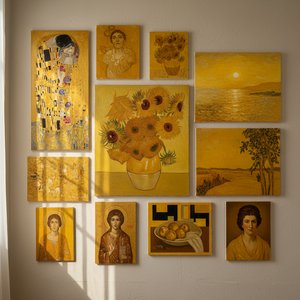
Top 10 des Tableaux Célèbres Dominés par l'Ocre Jaune : Art & Décor Intemporel
Plongez dans la magie de l'ocre jaune à travers 10 tableaux célèbres ! Découvrez les histoires, techniques et émotions derrière ces chefs-d'œuvre d'artistes comme Van Gogh & Monet. Inspirez votre décoration intérieure avec – reproductions de qualité musée.

Les 10 Chefs-d'œuvre Impressionnistes qui ont Révolutionné le Paysage
Plongez dans l'univers vibrant de l'impressionnisme ! Découvrez les 10 chefs-d'œuvre de Monet, Renoir et autres maîtres qui ont révolutionné le paysage. Inspirez votre décoration intérieure avec OriginalUniqueArt.com : reproductions tableaux de qualité muséale.
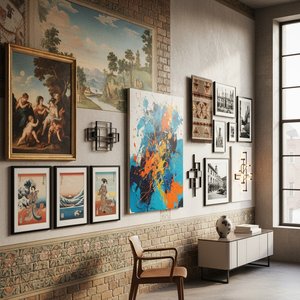
Transforming Spaces: A Comprehensive Exploration of Wall Decor Through Art History & Contemporary Practice
Explore the art of transforming spaces with our comprehensive guide to wall decor. From historical movements to contemporary trends, discover how to curate impactful interiors and commission bespoke artwork for a truly personalized aesthetic.
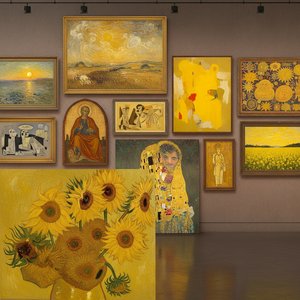
Top 10 des Tableaux Célèbres Dominés par le Jaune Chrome : Art & Décor
Plongez dans le monde vibrant du jaune chrome à travers 10 tableaux célèbres ! Découvrez l'histoire de Van Gogh, Monet et d'autres maîtres impressionnistes. Trouvez l'inspiration déco et achetez des reproductions d'art de qualité muséale sur OriginalUniqueArt.com.

Beyond the Shadows: The Powerful Legacies of Artemisia Gentileschi and Berthe Morisot
Explore the profound legacies of Artemisia Gentileschi and Berthe Morisot. Discover how these female masters redefined the Baroque and Impressionist eras through dramatic chiaroscuro and luminous light in this expert art-history guide for collectors and enthusiasts.



