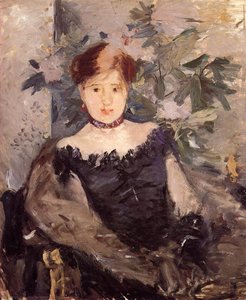
Aperçu en situation
 Partager
 Partager
 Détails
 Guide imprimable

 Télécharger
 Articles similaires
 Radiographie
 Voir le diaporama
 Statistiques
Daisies


 Afficher la suite
Reproduction à l'huile faite à la main
Huile sur toile peinte à la main, avec cadre et dimensions personnalisés, réalisée sur commande par nos artistes. ( Passer au format impression Passer au format image numérique)




P118B €10

P118H €10

P118W €10

P438Z €10

P508JH €12

P508YH €12

P805H €10

P805Z €10

P919BZ €10

P919G €10

P919XJ €10

P959ZH €10

P968JZ €12

W106C €8

W218G €10

W218JH €8

W218Y €10

W307PJ €10

W316G €10

W316PJ €8

W316Y €10

W398PJ €8

W4111J €10

W500HY €15

W500JH €15

W692G €12

W849H €8

W940BG €15

W953PJ €8




Choisissez parmi nos formats prédéfinis qui respectent les proportions originales de l’œuvre.

Saisissez la largeur et la hauteur souhaitées, pour s'adapter à votre cadre ou à votre mur. Cette œuvre est peinte à la main ; ainsi, pour un format de forme différente, l'artiste peut peindre un peu plus autour du tableau ou réduire légèrement les bords — c'est vous qui choisissez. Nous vous envoyons une maquette numérique pour approbation avant que la peinture ne commence. L'image présentée sur cette page ne reflète pas le résultat réel — seule la maquette le fait.
Après la commande, l’équipe OriginalUniqueArt.com contactera le client par e-mail pour recueillir ses instructions et lui fournira une maquette d’aperçu
Livraison dans le monde entier () en 3 à 4 semaines au lieu des 5 semaines habituelles. (25 octobre). Aucun compromis sur la qualité.

Livraison express gratuite dans le monde entier

Toile de lin de haute qualité

Assurance transport complète

Garantie de remboursement des droits de douane

Garantie de fidélité des couleurs

Garantie de retour de 100 jours (uniquement en cas de défaut)

Garantie de remboursement à 100%

Tarifs dégressifs sur quantité
 L'option verre n'est disponible que pour les dimensions inférieures à 110 cm.

Daisies
Technique de reproduction
Format de la reproduction
-


Prix total final
€ 263
A Moment of Serenity: Berthe Morisot's "Daisies"
Berthe Morisot’s “Daisies,” painted in 1885, is more than just a still life; it’s a delicate distillation of Impressionist philosophy – a fleeting capture of light and atmosphere that speaks to the quiet beauty of everyday moments. This oil on canvas work, brimming with pastel hues and executed with Morisot's signature loose brushstrokes, invites viewers into a world of serene contemplation, offering a glimpse into the artist’s profound understanding of color and form.
Impressionism at its Finest: Style and Technique
- Style: “Daisies” exemplifies the core tenets of Impressionism. Morisot eschews traditional academic realism in favor of capturing the *impression* of a scene – the way light dances on petals, the subtle variations in color, and the overall feeling of tranquility.
- Technique: The painting’s beauty lies largely in its technique. Morisot employs short, broken brushstrokes, layering colors to create an effect of shimmering light. This method, characteristic of Impressionism, avoids sharp outlines, allowing the eye to blend the forms and experience the scene with a sense of immediacy. Notice how she uses color not to represent reality exactly, but to evoke a feeling – a soft, hazy warmth that permeates the entire composition.
Historical Context: A Pioneer's Vision
Created during a pivotal moment in art history, “Daisies” reflects Berthe Morisot’s groundbreaking role within the Impressionist movement. As one of the few female artists actively participating in this revolutionary style, Morisot faced considerable societal challenges. Her work, often dismissed by critics, nevertheless demonstrated an exceptional sensitivity to light and color, solidifying her place as a key figure in art history. The painting's subject matter – a simple bouquet of daisies – was deliberately chosen to represent the domestic sphere, a common theme for female artists of the time, allowing Morisot to explore themes of femininity and beauty within the context of modern life.
Symbolism and Emotional Impact
The arrangement of the daisies themselves holds subtle symbolic weight. Daisies are traditionally associated with innocence, purity, and new beginnings – qualities that resonate deeply within the painting’s overall mood. The soft, muted background further enhances this sense of serenity, creating a space where the viewer can momentarily escape the pressures of daily life. Morisot's masterful use of light and shadow doesn't just define the forms; it evokes an emotional response—a feeling of peace, quiet contemplation, and appreciation for the simple beauty of nature.
Provenance and Acquisition
Currently residing in the Museum of Fine Arts in Boston, “Daisies” represents a significant addition to its collection of Impressionist masterpieces. Its creation in 1885 marks a crucial period in Morisot’s career, showcasing her evolving artistic style and cementing her legacy as one of the most important female artists of the late 19th century.
Questions et réponses
Où puis-je acheter une impression de «Daisies» de Berthe Morisot ?
« Daisies » est disponible en tant que une impression d'art sur toile de coton ou sur papier canvas d'archive. Les commandes s'effectuent sur sa page Impression d'art fine, dans le format de votre choix.
Qui a créé "Daisies" ?
« Daisies » est attribué à Berthe Morisot.
Comment «Daisies» de Berthe Morisot lie-t-il Impressionist Painting au pays d'origine de l'artiste ?
L'œuvre Impressionist Painting « Daisies » a été réalisée par un artiste né en France.
Biographie de l'artiste
Premières années et débuts artistiques
Berthe Marie Pauline Morisot, peintre française, est née le 14 janvier 1841 à Bourges. Issue d'une famille bourgeoise aisée, son père, Edmé Tiburce Morisot, était préfet du département du Cher. Sa mère, Marie-Joséphine-Cornélie Thomas, était apparentée à Jean-Honoré Fragonard, un peintre rococo renommé.Formation artistique et influences
Berthe, ainsi que ses sœurs Yves et Edma, reçurent des leçons d'art privées de Geoffroy-Alphonse Chocarne et Joseph Guichard. Cela marqua le début de son parcours artistique. En 1857, Guichard les initia aux galeries du Louvre, où elles apprirent en observant et en copiant des tableaux. Elle étudia également avec Corot, ce qui influença sa technique picturale.Évolution artistique et œuvres majeures
Morisot fit ses débuts au Salon de Paris en 1864 avec deux peintures de paysages. Elle continua à exposer régulièrement jusqu'en 1873. En 1874, elle rejoignit les impressionnistes lors de leur première exposition, aux côtés d’artistes tels que Paul Cézanne, Edgar Degas et Claude Monet. Parmi ses œuvres notables figurent :- La Berceuse, un chef-d'œuvre impressionniste capturant l'intimité maternelle.
- Un coin du jardin de roses, une œuvre sereine illustrant la beauté de la nature.
- Des portraits saisissants, comme Femme à la robe verte.
Vie personnelle et héritage
Berthe épousa Eugène Manet, frère de son ami et collègue Édouard Manet. Sa carrière mûrit en 1872 lorsque Durand-Ruel acheta vingt-deux de ses tableaux. Berthe choisit d'exposer sous son nom de jeune fille, témoignant de son indépendance. Elle fut décrite par le critique Gustave Geffroy comme l’une des « trois grandes dames » de l’impressionnisme, aux côtés de Marie Bracquemond et Mary Cassatt. Son œuvre a contribué à la reconnaissance du rôle des femmes dans le mouvement impressionniste et continue d'être célébrée pour sa sensibilité et son observation attentive de la vie quotidienne.Signification historique
Morisot est aujourd’hui reconnue comme une figure essentielle de l’impressionnisme, apportant une perspective féminine unique au mouvement. Ses peintures, souvent centrées sur des scènes domestiques et des portraits intimes, offrent un aperçu précieux de la vie bourgeoise du XIXe siècle. Son travail a influencé les générations suivantes d'artistes femmes et continue d’inspirer par sa délicatesse et son authenticité.
Berthe Morisot
1841 - 1895 , France
En bref
- Artistes Influents:
- Jean-Honoré Fragonard
- Camille Corot
- Édouard Manet
- Date De Décès: 2 mars 1895
- Date De Naissance: 14 janvier 1841
- Lieu De Naissance: Bourges, France
- Mouvement Artistique: Impressionnisme
- Nationalité: Française
- Nom Complet: Berthe Marie Pauline Morisot
- Oeuvres Notables:
- Le Berceau
- Un Coin du Jardin de Roses
- Femme à la toilette
Articles connexes

Les 10 Chefs-d'œuvre Impressionnistes qui ont Révolutionné le Paysage
Plongez dans l'univers vibrant de l'impressionnisme ! Découvrez les 10 chefs-d'œuvre de Monet, Renoir et autres maîtres qui ont révolutionné le paysage. Inspirez votre décoration intérieure avec OriginalUniqueArt.com : reproductions tableaux de qualité muséale.

The Magic of Giclée: Bringing Impressionist Masterpieces to Your Walls with Vivid Detail
Discover the breathtaking beauty of Impressionist masterpieces with our museum-quality Giclée prints. Experience vivid detail, archival pigments, and the luminous light of Monet and Van Gogh, expertly preserved to bring timeless elegance and sophisticated artistry into your home.

Les 10 Chefs-d'œuvre Impressionnistes qui ont Révolutionné le Paysage
Plongez au cœur de l'Impressionnisme avec les 10 chefs-d'œuvre qui ont révolutionné le paysage. Découvrez Monet, Renoir et plus encore sur OriginalUniqueArt.com – reproductions d'art de qualité muséale pour sublimer votre intérieur.

Artemisia Gentileschi et Berthe Morisot : L'ascension magistrale de deux maîtresses de l'art
Découvrez le génie technique d'Artemisia Gentileschi et Berthe Morisot à travers l'histoire. Explorez leur héritage artistique dès maintenant.

Giclée Prints: Archival Quality & Aesthetic Nuances for the Discerning Collector
Explore the world of giclée prints with OriginalUniqueArt. Learn about archival quality, aesthetic nuances & investment potential. Expert guidance for discerning art collectors seeking museum-quality reproductions and lasting value.