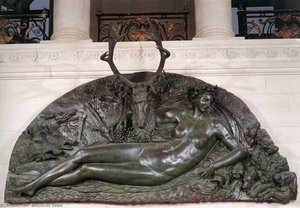
Aperçu en situation
 Envoyer
 Partager
 Détails de l'œuvre
 Guide
Guide

 Télécharger l'image
 Articles similaires
 Radiographie
 Diaporama
 Statistiques
Perseus (13)


 Lire la suite
Reproduction à l'huile faite à la main
Huile sur toile peinte à la main, avec cadre et dimensions personnalisés, réalisée sur commande par nos artistes. ( Passer au format impression Passer au format numérique)




P118B €10

P118H €10

P118W €10

P438Z €10

P508JH €12

P508YH €12

P805H €10

P805Z €10

P919BZ €10

P919G €10

P919XJ €10

P959ZH €10

P968JZ €12

W106C €8

W218G €10

W218JH €8

W218Y €10

W307PJ €10

W316G €10

W316PJ €8

W316Y €10

W398PJ €8

W4111J €10

W500HY €15

W500JH €15

W692G €12

W849H €8

W940BG €15

W953PJ €8




Choisissez parmi nos formats prédéfinis qui respectent les proportions originales de l’œuvre.

Saisissez la largeur et la hauteur souhaitées, pour s'adapter à votre cadre ou à votre mur. Cette œuvre est peinte à la main ; ainsi, pour un format de forme différente, l'artiste peut peindre un peu plus autour du tableau ou réduire légèrement les bords — c'est vous qui choisissez. Nous vous envoyons une maquette numérique pour approbation avant que la peinture ne commence. L'image présentée sur cette page ne reflète pas le résultat réel — seule la maquette le fait.
Après la commande, l’équipe OriginalUniqueArt.com contactera le client par e-mail pour recueillir ses instructions et lui fournira une maquette d’aperçu
Livraison dans le monde entier () en 3 à 4 semaines au lieu des 5 semaines habituelles. (27 octobre). Aucun compromis sur la qualité.

Livraison express gratuite dans le monde entier

Toile de lin de qualité supérieure

Assurance transport complète

Garantie de remboursement des droits de douane

Garantie de fidélité des couleurs

Politique de retour de 100 jours (uniquement en cas de défaut)

Garantie de remboursement à 100%

Offre de tarifs dégressifs
 L'option verre n'est disponible que pour les dimensions inférieures à 110 cm.

Perseus (13)
Technique de reproduction
Format de la reproduction
-


Prix total
€ 264
Benvenuto Cellini’s “Perseus with the Head of Medusa”: A Masterpiece of Mannerist Drama
Benvenuto Cellini's bronze sculpture of Perseus with the Head of Medusa, completed around 1545-1554 for Duke Cosimo I de’ Medici in Florence, is far more than a mere depiction of a mythological hero. It’s a profound statement on skill, ambition, and the very nature of artistic creation—a testament to Cellini's extraordinary talent and his audacious embrace of the Mannerist style. Standing nearly four feet tall, this imposing figure commands attention not just for its scale but for the sheer dynamism and emotional intensity it conveys. The sculpture isn’t simply a narrative illustration; it’s an embodiment of triumph over terror, a celebration of human ingenuity, and a subtle commentary on the artist's own journey to mastery.
The story behind the piece is intrinsically linked to Cellini’s tumultuous life. He had spent years working in the service of King Francis I of France, honing his skills in the opulent courts of Paris. Returning to Florence, he sought patronage from Duke Cosimo, a powerful and discerning collector who recognized Cellini's genius. The commission for “Perseus” was a deliberate challenge—a chance for Cellini to demonstrate not only his technical prowess but also his ability to infuse a classical narrative with deeply personal expression. The sculpture’s creation coincided with a period of intense political intrigue in Florence, and the work itself can be interpreted as a metaphor for Cellini's own struggles against adversity and his relentless pursuit of artistic recognition.
A Study in Mannerist Drama: Form and Emotion
Cellini’s “Perseus” is a quintessential example of Mannerism—a style characterized by elongated forms, exaggerated poses, dramatic lighting, and an intense focus on emotional expression. Unlike the idealized beauty favored during the High Renaissance, Cellini deliberately departs from classical proportions, creating a figure that is both powerfully muscular and subtly unsettling. Perseus’s stance is not one of heroic repose; he's caught in a moment of decisive action, his body coiled with tension as he raises the severed Medusa’s head aloft. The sculpture isn’t about capturing a static image but rather conveying the *feeling* of victory—the raw energy and almost violent exertion required to overcome such a formidable foe.
The artist's masterful use of bronze allows for incredible detail, from the intricate folds of Perseus’s armor to the glistening sheen of his helmet. The texture is remarkably realistic, lending weight and physicality to the figure. Notice particularly the expressive details on Medusa’s face—her eyes wide with terror, her mouth frozen in a silent scream. Cellini doesn't shy away from depicting the horror of the scene; he forces the viewer to confront the monstrous nature of his adversary. The dramatic lighting, achieved through careful manipulation of the bronze surface, further enhances the sculpture’s emotional impact, casting deep shadows that accentuate the figure’s musculature and heighten the sense of drama.
Symbolism and Interpretation: Beyond Myth
While rooted in Greek mythology, “Perseus” is rich with symbolic meaning. The severed head of Medusa represents not just a vanquished monster but also the triumph over fear and darkness. The winged helmet, bestowed upon Perseus by Athena, symbolizes divine guidance and protection—a reminder that even the most daunting challenges can be overcome with wisdom and courage. The act of holding the head aloft is particularly significant; it’s a gesture of both victory and vulnerability—a recognition that even the greatest hero must confront the consequences of his actions.
Furthermore, the sculpture can be interpreted as an allegory for Cellini's own artistic journey. He was known for his self-aggrandizing autobiography, in which he frequently emphasized his own exceptional talent and skill. “Perseus” is a visual manifestation of this ego—a declaration of mastery achieved through relentless dedication and unwavering ambition. The sculpture’s placement within the Loggia dei Lanzi in Florence served as a deliberate statement of pride, showcasing Cellini's work to the public and asserting his position among the city's leading artists.
A Legacy of Dramatic Power
Benvenuto Cellini’s “Perseus with the Head of Medusa” remains one of the most compelling and emotionally resonant sculptures of the Renaissance. Its dramatic composition, masterful technique, and profound symbolism continue to captivate viewers centuries after its creation. Reproductions capture a fraction of the original's power, but the sculpture’s ability to evoke a visceral response—a sense of awe, terror, and ultimately, admiration—is unparalleled. It stands as a testament to Cellini’s genius and a powerful reminder of the enduring allure of classical mythology.
Questions et réponses
Est-il possible de télécharger l'image de « Perseus (13) » ?
L'image de «Perseus (13)» de Benvenuto Cellini peut être téléchargée sur la page de téléchargement de l'œuvre : Téléchargement (téléchargement d'une image numérique haute résolution).
Quelle est l'harmonie des couleurs de «Perseus (13)» de Benvenuto Cellini ?
«Perseus (13)» de Benvenuto Cellini présente une harmonie de couleurs Strong Color Unity.
À quelle étape de la carrière de Benvenuto Cellini s'inscrit « Perseus (13) », compte tenu de sa date ?
«Perseus (13)», créé en 1540, appartient à la période Mannerist Style de la carrière de Benvenuto Cellini.
Biographie de l'artiste
Benvenuto Cellini : Un Polymathe de la Renaissance
- Né: Florence, Italie (1er novembre 1500)
- Décédé: 13 février 1571
Benvenuto Cellini fut une figure remarquable de la Renaissance italienne, renommé comme un orfèvre, sculpteur, dessinateur, soldat, musicien et écrivain accompli. Ses talents multiples et sa personnalité flamboyante sont vividement capturés dans son autobiographie célébrée, considérée comme une œuvre littéraire significative aux côtés de ses réalisations artistiques. Il incarne l'esprit du maniérisme, une période suivant la Haute Renaissance caractérisée par un éclat dramatique et une complexité stylistique.
Jeunesse et Formation Artistique
Né dans une famille ayant des inclinations musicales – son père était musicien et facteur d’instruments – Cellini montra initialement des promesses en musique. Cependant, à quinze ans, il poursuivit passionnément une carrière d'orfèvre, convainquant son père réticent de l'apprendre à Antonio di Sandro (connu sous le nom de Marcone). Cela marqua le début de sa formation artistique formelle. Ses premières années ne furent pas sans incident ; à seize ans, il fut impliqué dans une querelle avec des compagnons, ce qui entraîna son bannissement de Florence et une période de travail à Sienne sous l'orfèvre Fracastoro.
Œuvres Artistiques Majeures et Style
- Cellier d’argent: Ce chef-d'œuvre d'argent élaboré, commandé par le roi François Ier de France, est sans doute son œuvre la plus célèbre. Il présente des détails complexes et des figures dynamiques, actuellement exposé au Kunsthistorisches Museum de Vienne.
- Persée tenant la tête de Méduse: Une sculpture en bronze représentant Persée triomphant en tenant la tête découpée de Méduse, cette pièce exemplifie la maîtrise de Cellini en matière de forme et de composition dramatique. Elle témoigne de sa compétence à capturer le mouvement et l'émotion dans le métal.
- Médaillon d’or de Leda et le cygne: Créé pour Gonfaloniere Gabriello Cesarino, ce médaillon démontre la capacité de Cellini à mélanger la mythologie classique avec un artisanat exquis.
- Projet pour un sceau: Un dessin conservé au British Museum, présentant ses compétences en matière de conception.
Le style de Cellini se caractérise par son dynamisme, son réalisme et son souci du détail. Il s'est inspiré de l'Antiquité classique et des figures puissantes de Michel-Ange, mais a infusé son travail d'une sensibilité maniériste distincte – formes allongées, poses exagérées et un sentiment de théâtralité.
Au-Delà de l’Art : Soldat, Musicien et Autobiographe
La vie de Cellini s'étendait bien au-delà de l'atelier. Il a servi de soldat pendant les sièges, affirmant avoir joué un rôle crucial dans la défense de Rome contre les forces impériales. Il était également un musicien accompli, jouant du cornemuse et de la flûte à la cour papale. Cependant, c’est son autobiographie qui le distingue véritablement.
- La Vie de Benvenuto Cellini: Ce récit franc et souvent vantard fournit des informations précieuses sur l'art, la culture et la société de la Renaissance. C'est un récit captivant rempli d'anecdotes sur les commanditaires, les rivaux et les aventures personnelles, offrant une perspective unique sur l'époque.
Son autobiographie n’est pas seulement un compte rendu des événements ; c’est un autoportrait soigneusement construit conçu pour mettre en valeur ses talents et justifier ses actions. Bien que parfois peu fiable en raison des propres préjugés de Cellini, elle reste une source primaire essentielle pour comprendre la vie à la Renaissance.
Héritage et Importance Historique
Benvenuto Cellini est mort à Florence en 1571, laissant derrière lui un héritage en tant que l'un des artistes les plus importants du maniérisme. Ses compétences techniques, son innovation artistique et son autobiographie captivante continuent d’inspirer les artistes et les passionnés d'art. Il représente l'idéal de la Renaissance par excellence – un polymathe compétent dans plusieurs disciplines, animé par l'ambition et n'ayant pas peur d'exprimer son individualité. Ses œuvres sont célébrées pour leur beauté, leur savoir-faire et leur puissance dramatique, consolidant ainsi sa place en tant que figure essentielle de l’histoire de l’art occidental.

Benvenuto Cellini
1500 - 1571 , Italie
L'essentiel de l'artiste
- Artistic Movement Or Style: Maniérisme
- Artists Who Influenced This Artist: ['Michelangelo']
- Date Of Birth: 1er novembre 1500
- Date Of Death: 13 février 1571
- Full Name: Benvenuto Cellini
- Nationality: Italien
- Notable Artworks:
- Saloir en argent
- Persée et Méduse
- Médaillon Leda et le cygne
- Place Of Birth: Florence, Italie
Articles connexes

Les 10 Chefs-d'œuvre Bronzes Qui Ont Révolutionné la Sculpture | OriginalUniqueArt
Plongez dans l'univers fascinant des 10 sculptures en bronze les plus emblématiques de l'histoire de l'art. Rodin, Degas et autres maîtres révélés ! Découvrez leur histoire, leurs techniques et trouvez l'œuvre parfaite pour sublimer votre intérieur sur OriginalUniqueArt.com.

Les 10 Chefs-d'œuvre en Bronze qui ont Révolutionné l'Art : Collection OriginalUniqueArt
Plongez dans l'univers fascinant des 10 chefs-d'œuvre en bronze qui ont marqué l'histoire de l'art. Découvrez Rodin, Degas et les secrets de ces sculptures iconiques. Reproductions d'art exceptionnelles sur OriginalUniqueArt.com – Explorez la collection !
The Enduring Legacy of Bronze: History, Technique & Artistic Expression for the Collector
Explore the rich history & enduring appeal of bronze sculpture with expert insights for collectors at OriginalUniqueArt. Learn about casting techniques, iconic artists, and collecting tips.

The Enduring Legacy of Bronze: A Historical & Artistic Exploration for the Collector
Explore the rich history & enduring appeal of bronze sculpture with expert insights for collectors at OriginalUniqueArt. Learn about casting techniques, iconic artists, collecting tips & contemporary interpretations.

The Enduring Legacy of Bronze Sculpture: A Collector's Guide to Form & Cultural Significance
Explore the rich history & enduring appeal of bronze sculpture with expert insights for collectors at OriginalUniqueArt. Learn about casting techniques, iconic artists, and collecting tips to build a discerning art collection.