Aperçu en situation
 Envoyer
 Partager
 Détails de l'œuvre
 Guide
Guide

 Télécharger l'image
 Articles similaires
 Radiographie
 Diaporama
 Q&A
Q&A Statistiques
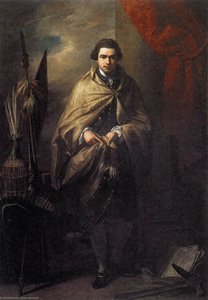
The Drummond Brothers


 Lire la suite
Giclées et impressions d'art
Impressions giclées ou sur toile de qualité musée, avec une production rapide et des finitions au choix. ( Commander la reproduction peinte à la main Passer au format numérique)




P118B €10

P118H €10

P118W €10

P438Z €10

P508JH €12

P508YH €12

P805H €10

P805Z €10

P919BZ €10

P919G €10

P919XJ €10

P959ZH €10

P968JZ €12

W106C €8

W218G €10

W218JH €8

W218Y €10

W307PJ €10

W316G €10

W316PJ €8

W316Y €10

W398PJ €8

W4111J €10

W500HY €15

W500JH €15

W692G €12

W849H €8

W940BG €15

W953PJ €8




Choisissez parmi nos formats prédéfinis qui respectent les proportions originales de l’œuvre.

Saisissez la largeur et la hauteur souhaitées pour qu'elles s'adaptent à votre cadre ou à votre mur. Une impression peut être recadrée, mais jamais agrandie au-delà de l'image originale ; ainsi, un format de forme différente entraînera la perte d'une partie de l'image. Nous vous envoyons une maquette numérique pour approbation avant toute impression. L'image présentée sur cette page ne montre pas le recadrage réel — seule la maquette le permet.
Livraison dans le monde entier () en 2 semaines au lieu des 4/5 semaines habituelles. (31 octobre)

Livraison express gratuite dans le monde entier

Toile de lin de qualité supérieure

Assurance transport complète

Garantie de remboursement des droits de douane

Garantie de fidélité des couleurs

Politique de retour de 100 jours (uniquement en cas de défaut)

Garantie de remboursement à 100%

Offre de tarifs dégressifs
 L'option verre n'est disponible que pour les dimensions inférieures à 110 cm.

The Drummond Brothers
Giclées et impressions d'art
Format de la reproduction
-


Prix total
€ 71
Benjamin West (1738-1820): A Pioneer Bridging Worlds
Benjamin West was considered the most prominent artist in the English-speaking world of the late Eighteenth Century. Born in 1738 near Springfield, Pennsylvania, the youngest of ten children, West manifested a talent for painting at an early age, and was encouraged to draw by his parents. By fifteen he was already recognized for his talent in portraiture, and by 1756 had attracted the attention of Dr. William Smith, provost of the College of Philadelphia, who enrolled him in the school and devised a special program of classical studies for him. These early studies instilled within him a spirit of innovation that would characterize his entire career. He quickly established himself as a sought-after portraitist in Philadelphia and New York, but a thirst for deeper artistic knowledge propelled him From humble beginnings—his father an innkeeper—West’s innate talent was nurtured by exposure to Native American art forms before receiving formal training. This unconventional start fueled his ambition to master the techniques of European masters, particularly those practicing Neoclassicism. He embarked on a transformative journey to Italy in 1760, immersing himself in the artistic fervor of Rome, Florence, and Venice, where he honed his skills under renowned instructors and absorbed the ideals of Enlightenment thought. This formative experience would profoundly influence his subsequent work, shaping his stylistic choices and thematic concerns.- Style: West’s oeuvre is predominantly characterized by Neoclassicism, a movement that sought to revive the grandeur and moral seriousness of Classical antiquity—specifically Greek and Roman art—as a reaction against the excesses of Rococo. He meticulously adhered to idealized forms and balanced compositions, reflecting the humanist values championed during the Enlightenment era.
- Technique: West excelled in oil painting on canvas, utilizing meticulous brushwork and subtle tonal gradations to achieve remarkable realism and depth. His mastery of chiaroscuro—the dramatic interplay between light and shadow—created a palpable sense of atmosphere and conveyed profound emotional resonance within his subjects.
The Drummond Brothers: A Portrait Steeped in Symbolism
“The Drummond Brothers” depicts two men standing side by side, one gesturing emphatically towards the other. The man on the left holds his hand aloft, conveying authority and perhaps a desire to direct attention—a gesture common in portraits of prominent figures during West’s time. Simultaneously, the man on the right looks downward, suggesting humility or contemplation. These postures are carefully considered, reflecting broader societal ideals about leadership and virtue prevalent in the mid-18th century. The painting's setting contributes significantly to its symbolic meaning. The inclusion of a chair, dining table, and clock underscores themes of domestic tranquility and intellectual pursuits—values highly esteemed by West’s aristocratic patrons. These objects serve as visual anchors, grounding the figures within a recognizable social context while simultaneously hinting at deeper philosophical ideas about time, memory, and human experience.Historical Context & Legacy
Painted in 1767, “The Drummond Brothers” emerged during a period of considerable artistic ferment—the burgeoning Neoclassical movement was reshaping European art and culture. West’s work aligns with the broader intellectual currents of the Enlightenment, which emphasized reason, observation, and moral responsibility. He skillfully captured the spirit of his era, reflecting its fascination with classical ideals and its commitment to portraying human dignity and virtue. West's influence extended far beyond his own lifetime. He served as president of the Royal Academy of Arts for decades, fostering a vibrant artistic community and championing innovative approaches to painting. His students included luminaries such as Charles Willson Peale, Gilbert Stuart, and John Trumbull—artists who would carry West’s stylistic legacy into subsequent generations. Today, “The Drummond Brothers” remains a testament to West's artistic genius and his enduring contribution to the history of art. Its meticulous realism, balanced composition, and subtle symbolism continue to inspire admiration and provoke contemplation among viewers worldwide.Where to Find Reproductions
You can admire this masterpiece in high-resolution reproductions at William Vareika Fine Arts LTD: https://vareikafinearts.com/product/the-drummond-brothers/Questions et réponses
L'œuvre « The Drummond Brothers » est-elle disponible en tirage d'art ?
Vous pouvez commander une impression de «The Drummond Brothers» de Benjamin West directement sur sa page Tirage d'art fine art : une impression d'art sur toile de coton ou sur papier canvas d'archive.
«The Drummond Brothers» de Benjamin West est-il une œuvre lumineuse ou sombre ?
« The Drummond Brothers » présente une luminosité globale de deep_shadow, avec une luminance de Dark.
Comment «The Drummond Brothers» de Benjamin West lie-t-il Neoclassical Movement au pays d'origine de l'artiste ?
«The Drummond Brothers» a été créé par Benjamin West, né en États-Unis d'Amérique, au sein du mouvement Neoclassical Movement. L'origine de l'artiste lie l'œuvre au Neoclassical Movement tel que pratiqué par les artistes de États-Unis d'Amérique.
Biographie de l'artiste
Benjamin West : Pionnier de l'Art Américain
- Né: 10 octobre 1738, Springfield, États-Unis d'Amérique
- Décédé: 11 mars 1820
Jeunesse et Développement Artistique
- Benjamin West est né dans une famille modeste à Springfield, en Pennsylvanie. Son père tenait une auberge, et la famille déménagea plus tard à Newtown Square.
- West a manifesté un talent artistique remarquable dès son jeune âge, apprenant apparemment des techniques de peinture rudimentaires auprès des Amérindiens.
- Il a reçu une éducation formelle limitée mais s'est poursuivi sa passion artistique indépendamment.
- Son début de carrière s'est concentré sur le portrait en Pennsylvanie.
- Un moment décisif est venu avec l'encouragement à peindre "La Mort de Socrate", qui différait considérablement de la gravure originale et a marqué un tournant dans sa carrière.
- En 1760, il voyagea en Italie, étudiant les œuvres des maîtres tels que Titien et Raphaël directement, et rencontrant des artistes néoclassiques tels qu'Anton Rafael Mengs, Gavin Hamilton et Angelica Kauffmann.
Carrière à Londres et la Royal Academy
- West déménagea à Londres en 1763 et devint rapidement une figure importante de la scène artistique britannique.
- Il fut élu membre de la Royal Academy et en occupa plus tard la présidence de 1792 jusqu'à sa mort en 1820.
- Ses peintures historiques, telles que "Le Départ de Regulus", ont rencontré un grand succès, lui valant le surnom d'"Américain Raphaël".
- Il a défendu un style incorporant des vêtements contemporains dans les scènes historiques, notamment évident dans "La Mort du Général Wolfe", qui a remis en question les conventions artistiques traditionnelles et suscité des débats.
Style Artistique et Œuvres Majeures
- Le style de West a évolué des premières influences néoclassiques pour incorporer des éléments du romantisme plus tard dans sa carrière.
- Œuvres notables incluent :
- La Mort du Général Wolfe (1770) – Une œuvre révolutionnaire qui mélange le récit historique avec la tenue vestimentaire contemporaine.
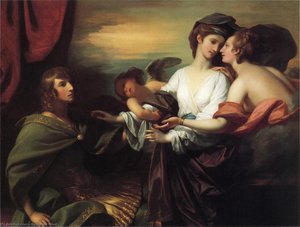
- Thétis apportant l'armure à Achille – Démontre une maîtrise des thèmes classiques et de la composition.
- Les Trois Sœurs – Met en valeur sa capacité à représenter des sujets allégoriques.
- La Fuite d'Astyanax – Une représentation dramatique d'une scène mythologique.
- La Grotte du Désespoir – Exemples de son style romantique en évolution.
- Son travail se caractérise par son ambition, sa composition détaillée et son exploration des thèmes historiques et mythologiques.
Héritage et Importance Historique
- Benjamin West a laissé un impact durable sur l'art américain, ouvrant la voie au genre de la peinture d'histoire et influençant des générations d'artistes.
- Il a joué un rôle crucial dans la formation de l'identité de l'expression artistique américaine.
- Sa présidence de la Royal Academy a considérablement contribué au développement de l'art britannique.
- L'héritage de West s'étend au-delà de ses œuvres individuelles ; il a favorisé un environnement qui encourageait et soutenait les artistes américains émergents étudiant à l'étranger, notamment Allston, Copley et Morse.
- Son approche innovante de la peinture historique a ouvert la voie aux mouvements artistiques futurs et continue d'inspirer les artistes contemporains et les amateurs d'art.

Benjamin West
1738 - 1820 , États-Unis d'Amérique
L'essentiel de l'artiste
- Artistic Movement Or Style: Néo-classicisme, peinture historique
- Artists Or Movements Influenced By This Artist:
- Edward William J. Savage
- Copley
- Allston
- Morse
- Artists Who Influenced This Artist:
- Tiziano
- Rafael
- Date De Décès: 11 mars 1820
- Date De Naissance: 10 octobre 1738
- Full Name: Benjamin West
- Nationalité: Américain
- Notable Artworks:
- La Mort du Général Wolfe
- Thétis apportant l'armure
- Les Trois Sœurs
- La Fuite d'Astyanax
- La Caverne du désespoir
- Place De Naissance: Springfield, États-Unis
Articles connexes

L'Éclat des Lumières : Expression Artistique et Mutations Culturelles en Europe au XVIIIe Siècle
Explorez l'épanouissement artistique du XVIIIe siècle : néoclassicisme, rococo et les maîtres comme David ou Ingres. Découvrez les mutations culturelles de l'époque des Lumières avec OriginalUniqueArt.
Lumières et Révolution : L'Art du XVIIIe Siècle au Miroir d'une Époque en Mutation
Explorez l'art du XVIIIe siècle : Rococo, Néoclassicisme et Lumières. Découvrez les maîtres (David, Fragonard) et leur contexte historique. Guide expert pour collectionneurs et passionnés.
Neoclassicism Explained: The Timeless Elegance of Order, Reason, and the Classical Ideal
Explore the profound elegance of Neoclassicism. Discover how the Enlightenment era embraced Greek and Roman ideals of order, reason, and symmetry to redefine art history through masters like Mengs and Hamilton. A definitive guide for history lovers and art collectors.

Benjamin West: Transatlantic Ambition & Shaping American Art
Explore the life & legacy of Benjamin West, pioneering American artist and Royal Academy president. Discover his Neoclassical masterpieces, transatlantic influence, and lasting impact on art history. Learn more at OriginalUniqueArt.

L'Héritage Durable du Portrait Formel : Pouvoir, Identité et Exploration Artistique
Explorez l'histoire fascinante du portrait formel : pouvoir, identité et techniques artistiques maîtrisées. Découvrez Velázquez, Rubens et les secrets de la collection d'art avec OriginalUniqueArt.