 Aperçu en situation
 Envoyer
 Partager
 Détails de l'œuvre

 Télécharger
 Articles similaires
 Radiographie
 Diaporama
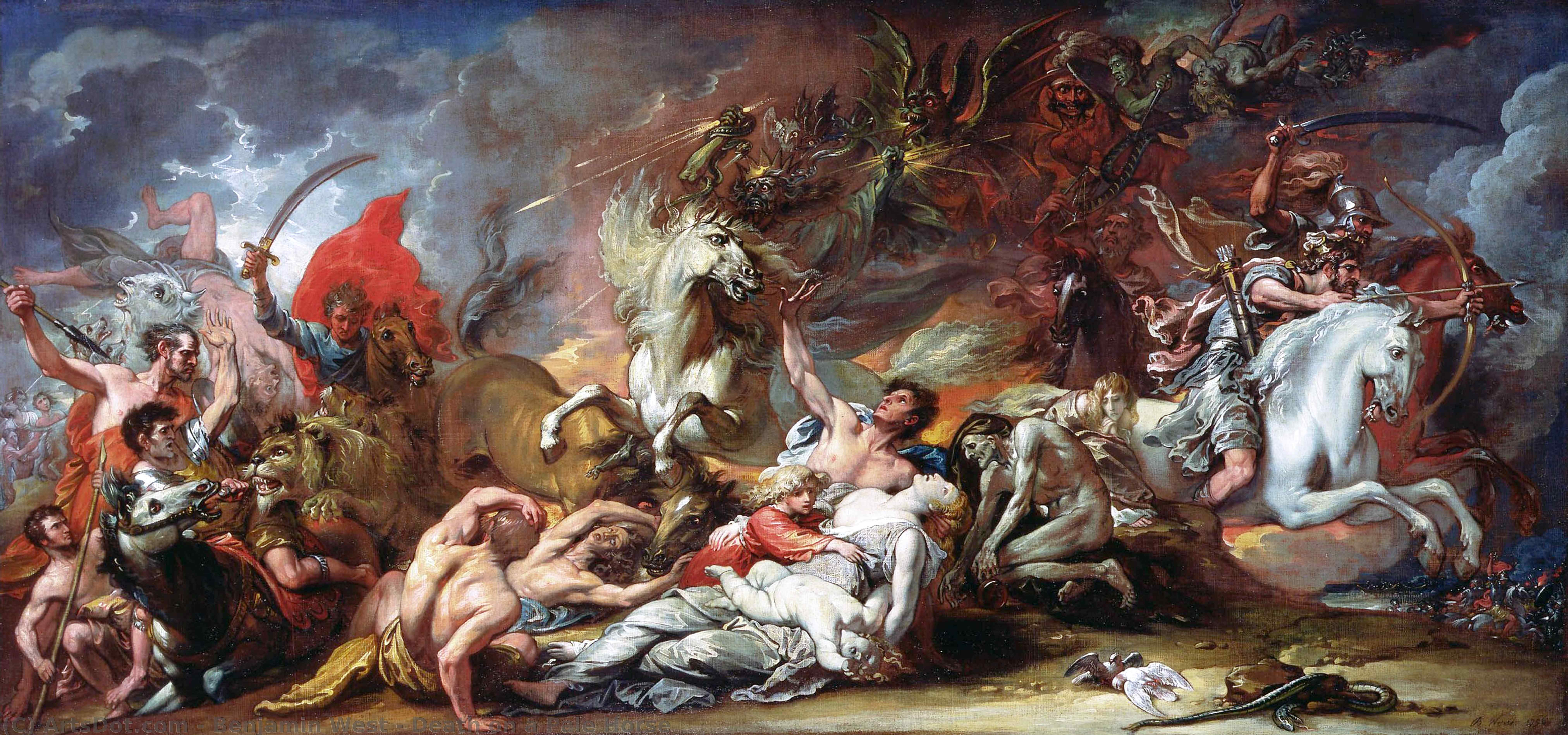
Death on a Pale Horse


 Lire la suite
Reproduction à l'huile faite à la main
Huile sur toile peinte à la main, avec cadre et dimensions personnalisés, réalisée sur commande par nos artistes. ( Commander l'impression Télécharger l'image haute résolution)




P118B $10

P118H $10

P118W $10

P438Z $10

P508JH $12

P508YH $12

P805H $10

P805Z $10

P919BZ $10

P919G $10

P919XJ $10

P959ZH $10

P968JZ $12

W106C $8

W218G $10

W218JH $8

W218Y $10

W307PJ $10

W316G $10

W316PJ $8

W316Y $10

W398PJ $8

W4111J $10

W500HY $15

W500JH $15

W692G $12

W849H $8

W940BG $15

W953PJ $8




Choisissez parmi nos formats prédéfinis qui respectent les proportions originales de l’œuvre.

Vous pouvez saisir vos propres dimensions pour l'adapter à un cadre ou à un espace spécifique. Si la taille sélectionnée ne correspond pas aux proportions de l'image d'origine, nous recadrerons l'œuvre ou prolongerons la peinture avec des éléments peints à la main supplémentaires. Une maquette numérique vous sera envoyée pour approbation avant le début de la production.
Veuillez noter que l'aperçu à l'écran ne reflète pas le recadrage ou l'extension réels. Seule la maquette montrera fidèlement la composition finale.
Bien que des tailles personnalisées soient disponibles, nous vous recommandons de sélectionner une dimension dans la liste prédéfinie afin de préserver les proportions d'origine.
Après la commande, l’équipe OriginalUniqueArt.com contactera le client par e-mail pour recueillir ses instructions et lui fournira une maquette d’aperçu
Livraison dans le monde entier () en 3 à 4 semaines au lieu des 5 semaines habituelles. (18 août). Aucun compromis sur la qualité.

Livraison express gratuite dans le monde entier

Toile de lin de qualité supérieure

Assurance transport complète

Garantie de remboursement des droits de douane

Garantie de fidélité des couleurs

Politique de retour de 60 jours (uniquement en cas de défaut)

Garantie de remboursement à 100%

Offre de tarifs dégressifs
 L'option verre n'est disponible que pour les dimensions inférieures à 110 cm.

Death on a Pale Horse
Technique de reproduction
Format de la reproduction
-


Prix total
$ 300
Description de l'œuvre
The Genesis of Despair – Benjamin West’s “Death on the Pale Horse”
Benjamin West's "Death on a Pale Horse," painted in 1796, isn't merely a depiction of a biblical scene; it’s an immersive plunge into the heart of human anxiety and the sublime terror of impending doom. Born amidst the burgeoning intellectual currents of colonial America, West was a painter who defied easy categorization, seamlessly blending Neoclassical restraint with Romantic fervor. This particular work, one of three versions created around the same time, stands as a testament to his ability to capture not just outward appearances but also the profound emotional weight of historical and religious narratives. The painting’s genesis lies in the chilling verses of Revelation 6:7-8 – “And when he opened the fourth seal, I heard the voice of the fourth beast say, Come and see. And I looked, and behold a pale horse; and his name that sat on him was Death, and Hell followed with him.” West wasn’t simply illustrating scripture; he was grappling with the anxieties of his era – the turbulent political landscape of Europe, marked by revolution and war, and a growing sense of uncertainty about the future. The composition itself is deliberately chaotic, reflecting the apocalyptic imagery it portrays, yet grounded in a carefully constructed arrangement that draws the viewer into the maelstrom.
A Symphony of Darkness and Light – Technique and Style
West’s masterful technique elevates “Death on a Pale Horse” beyond a simple illustration. He employs a dramatic chiaroscuro—a stark contrast between light and shadow—to create an atmosphere thick with foreboding. The palette is dominated by deep, bruised purples, somber browns, and the sickly yellow of the pale horse itself, evoking a sense of decay and impending mortality. The figures are rendered with meticulous detail, their faces contorted in expressions of agony and despair, yet imbued with a haunting beauty. Notice particularly the angel on the left, his face etched with sorrow as he witnesses the carnage; his posture conveys both helplessness and profound grief. The use of loose brushstrokes in the background adds to the sense of movement and chaos, while more controlled strokes define the central figures, anchoring the scene within a framework of dramatic intensity. The painting’s scale—a monumental 447 cm x 764.5 cm—further amplifies its impact, enveloping the viewer in the horrifying spectacle.
Symbolism Woven into the Apocalypse – Horses, Angels, and Humanity
Beyond the immediate depiction of a battle between good and evil, “Death on a Pale Horse” is rich with symbolic meaning. The pale horse itself, ridden by Death, is the most potent symbol—a harbinger of destruction and decay. The accompanying figure of Hell, often depicted as a winged demon, reinforces this theme of ultimate annihilation. However, West doesn’t simply portray a passive victimhood; the painting also features angels engaged in fierce combat, representing the struggle between divine forces. The human figures scattered across the battlefield—some falling, some fleeing—represent humanity caught in the crossfire of cosmic conflict. The inclusion of various animals – horses, birds, and even a lion – adds layers of complexity to the symbolism, suggesting the indiscriminate nature of death and destruction. The overall effect is not merely a depiction of a single event but an exploration of universal themes of mortality, suffering, and the fragility of human existence.
A Legacy of Vision – Historical Context and Artistic Significance
“Death on the Pale Horse” emerged during a period of profound social and political upheaval in Europe. The French Revolution was raging, Napoleon’s armies were conquering vast territories, and anxieties about the future were widespread. West's painting reflects this atmosphere of uncertainty and fear, capturing the sense that order was collapsing and chaos reigned supreme. Furthermore, the work aligns with the broader artistic trends of the late 18th century, particularly the rise of the “Sublime”—a concept emphasizing awe-inspiring beauty combined with a sense of terror or dread. West’s painting exemplifies this aesthetic, evoking feelings of both fascination and horror in the viewer. It's considered one of his most significant works, alongside "The Death of General Wolfe" and "Benjamin Franklin Drawing Electricity from the Sky," solidifying his position as a pivotal figure in American art history. Reproductions of this powerful image continue to resonate with audiences today, reminding us of our shared vulnerability in the face of mortality.
Biographie de l'artiste
Benjamin West : Pionnier de l'Art Américain
- Né: 10 octobre 1738, Springfield, États-Unis d'Amérique
- Décédé: 11 mars 1820
Jeunesse et Développement Artistique
- Benjamin West est né dans une famille modeste à Springfield, en Pennsylvanie. Son père tenait une auberge, et la famille déménagea plus tard à Newtown Square.
- West a manifesté un talent artistique remarquable dès son jeune âge, apprenant apparemment des techniques de peinture rudimentaires auprès des Amérindiens.
- Il a reçu une éducation formelle limitée mais s'est poursuivi sa passion artistique indépendamment.
- Son début de carrière s'est concentré sur le portrait en Pennsylvanie.
- Un moment décisif est venu avec l'encouragement à peindre "La Mort de Socrate", qui différait considérablement de la gravure originale et a marqué un tournant dans sa carrière.
- En 1760, il voyagea en Italie, étudiant les œuvres des maîtres tels que Titien et Raphaël directement, et rencontrant des artistes néoclassiques tels qu'Anton Rafael Mengs, Gavin Hamilton et Angelica Kauffmann.
Carrière à Londres et la Royal Academy
- West déménagea à Londres en 1763 et devint rapidement une figure importante de la scène artistique britannique.
- Il fut élu membre de la Royal Academy et en occupa plus tard la présidence de 1792 jusqu'à sa mort en 1820.
- Ses peintures historiques, telles que "Le Départ de Regulus", ont rencontré un grand succès, lui valant le surnom d'"Américain Raphaël".
- Il a défendu un style incorporant des vêtements contemporains dans les scènes historiques, notamment évident dans "La Mort du Général Wolfe", qui a remis en question les conventions artistiques traditionnelles et suscité des débats.
Style Artistique et Œuvres Majeures
- Le style de West a évolué des premières influences néoclassiques pour incorporer des éléments du romantisme plus tard dans sa carrière.
- Œuvres notables incluent :
- La Mort du Général Wolfe (1770) – Une œuvre révolutionnaire qui mélange le récit historique avec la tenue vestimentaire contemporaine.
- Thétis apportant l'armure à Achille – Démontre une maîtrise des thèmes classiques et de la composition.
- Les Trois Sœurs – Met en valeur sa capacité à représenter des sujets allégoriques.
- La Fuite d'Astyanax – Une représentation dramatique d'une scène mythologique.
- La Grotte du Désespoir – Exemples de son style romantique en évolution.
- Son travail se caractérise par son ambition, sa composition détaillée et son exploration des thèmes historiques et mythologiques.
Héritage et Importance Historique
- Benjamin West a laissé un impact durable sur l'art américain, ouvrant la voie au genre de la peinture d'histoire et influençant des générations d'artistes.
- Il a joué un rôle crucial dans la formation de l'identité de l'expression artistique américaine.
- Sa présidence de la Royal Academy a considérablement contribué au développement de l'art britannique.
- L'héritage de West s'étend au-delà de ses œuvres individuelles ; il a favorisé un environnement qui encourageait et soutenait les artistes américains émergents étudiant à l'étranger, notamment Allston, Copley et Morse.
- Son approche innovante de la peinture historique a ouvert la voie aux mouvements artistiques futurs et continue d'inspirer les artistes contemporains et les amateurs d'art.

Benjamin West
1738 - 1820 , États-Unis d'Amérique
L'essentiel de l'artiste
- Artistic Movement Or Style: Néo-classicisme, peinture historique
- Artists Or Movements Influenced By This Artist:
- Edward William J. Savage
- Copley
- Allston
- Morse
- Artists Who Influenced This Artist:
- Tiziano
- Rafael
- Date De Décès: 11 mars 1820
- Date De Naissance: 10 octobre 1738
- Full Name: Benjamin West
- Nationalité: Américain
- Notable Artworks:
- La Mort du Général Wolfe
- Thétis apportant l'armure
- Les Trois Sœurs
- La Fuite d'Astyanax
- La Caverne du désespoir
- Place De Naissance: Springfield, États-Unis
Articles connexes

Benjamin West: Transatlantic Ambition & Shaping American Art
Explore the life & legacy of Benjamin West, pioneering American artist and Royal Academy president. Discover his Neoclassical masterpieces, transatlantic influence, and lasting impact on art history. Learn more at OriginalUniqueArt.
The Noble Steed on Canvas: A Historical & Artistic Exploration of Horse Painting Across Cultures
Explore the rich history of horse painting! Discover masterpieces from Stubbs to Munnings & learn about symbolism, techniques & artists. Find museum-quality reproductions at OriginalUniqueArt.

The Equine Muse: A Historical & Artistic Exploration of Horses in Painting
Explore the captivating history of horses in painting! Discover Renaissance masterpieces, Baroque grandeur & expert insights for collecting equestrian art. Learn about symbolism, techniques & lasting value with OriginalUniqueArt.
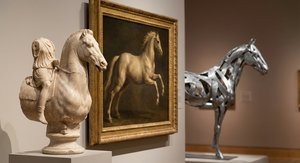
The Noble Steed: A Historical and Artistic Exploration of Horses in Fine Art
Explore the rich history of horses in fine art! From ancient depictions to Renaissance masterpieces & beyond, discover iconic artworks and artists. Learn about symbolism, techniques, and find museum-quality reproductions at OriginalUniqueArt.

Top 10 des Tableaux Célèbres Dominés par le Jaune Pâle : Art & Décor
Plongez dans le monde fascinant des 10 tableaux les plus célèbres dominés par le jaune pâle ! Découvrez l'histoire de Van Gogh, Monet et d'autres maîtres. Trouvez l'inspiration déco & achetez des reproductions d'art de qualité musée sur OriginalUniqueArt.com.