 Aperçu en situation
 Envoyer
 Partager
 Détails de l'œuvre
 Guide
Guide

 Télécharger l'image
 Articles similaires
 Radiographie
 Diaporama
 Q&A
Q&A Statistiques
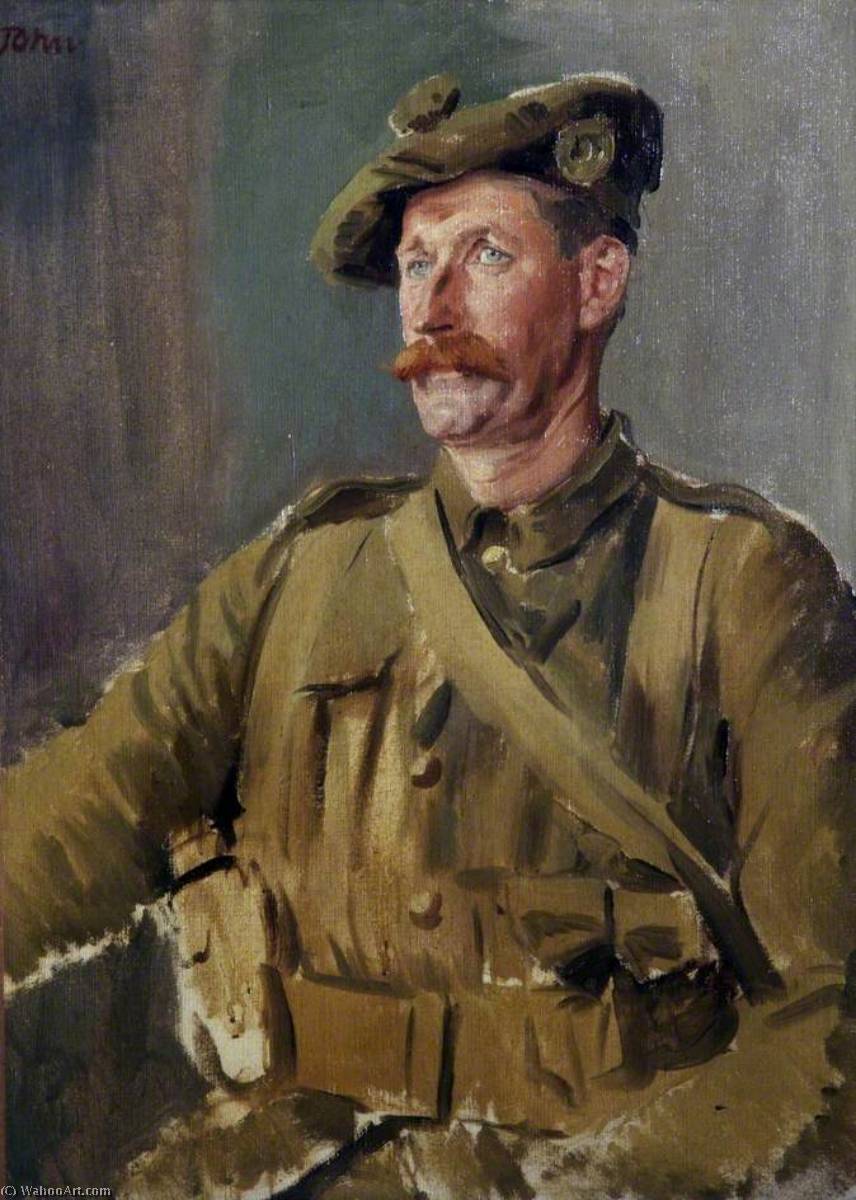
Scottish Canadian Soldier

- 81.0 x 60.0 cm


 Lire la suite
L’œuvre d'art présentée sur cette page est protégée par le droit d'auteur, ce qui signifie que nous ne pouvons légalement créer ou vendre de reproduction identique. Cette protection est appliquée en vertu d'accords internationaux tels que la Convention de Berne et par les lois nationales, notamment celles énoncées par le Loi américaine sur le droit d'auteur - Titre 17.
Cette méthode est pleinement conforme aux réglementations sur le droit d'auteur car elle ne repose pas sur la copie ou la duplication de l'œuvre protégée. Il s'agit plutôt d'une réinterprétation créative — une nouvelle peinture qui s'inspire de l'original sans pour autant lui être identique.
Giclées et impressions d'art
Impressions giclées ou sur toile de qualité musée, avec une production rapide et des finitions au choix. ( Commander la reproduction peinte à la main Passer au format numérique)




P118B €10

P118H €10

P118W €10

P438Z €10

P508JH €12

P508YH €12

P805H €10

P805Z €10

P919BZ €10

P919G €10

P919XJ €10

P959ZH €10

P968JZ €12

W106C €8

W218G €10

W218JH €8

W218Y €10

W307PJ €10

W316G €10

W316PJ €8

W316Y €10

W398PJ €8

W4111J €10

W500HY €15

W500JH €15

W692G €12

W849H €8

W940BG €15

W953PJ €8




Choisissez parmi nos formats prédéfinis qui respectent les proportions originales de l’œuvre.

Saisissez la largeur et la hauteur souhaitées pour qu'elles s'adaptent à votre cadre ou à votre mur. Une impression peut être recadrée, mais jamais agrandie au-delà de l'image originale ; ainsi, un format de forme différente entraînera la perte d'une partie de l'image. Nous vous envoyons une maquette numérique pour approbation avant toute impression. L'image présentée sur cette page ne montre pas le recadrage réel — seule la maquette le permet.
Livraison dans le monde entier () en 2 semaines au lieu des 4/5 semaines habituelles. (2 novembre)

Livraison express gratuite dans le monde entier

Toile de lin de qualité supérieure

Assurance transport complète

Garantie de remboursement des droits de douane

Garantie de fidélité des couleurs

Politique de retour de 100 jours (uniquement en cas de défaut)

Garantie de remboursement à 100%

Offre de tarifs dégressifs
 L'option verre n'est disponible que pour les dimensions inférieures à 110 cm.

Scottish Canadian Soldier
Giclées et impressions d'art
Format de la reproduction
-


Prix total
€ 71
A Gaze Through the Fog of War
In the somber atmosphere of 1940, as the shadows of World War II lengthened across the globe, Augustus Edwin John captured more than just a likeness; he captured a soul in transition. His masterpiece, "Scottish Canadian Soldier," stands as a profound meditation on identity and fortitude during one of history's most turbulent eras. The portrait presents a man whose presence is felt through a quiet, heavy stillness. Dressed in the functional khaki of his era, complete with the distinct buttons and epulence of military service, the soldier does not confront the viewer with bravado. Instead, his gaze is directed slightly off-canvas, an averted look that suggests a mind preoccupied by the weight of duty and the uncertainty of a world at war. This subtle gesture creates an immediate sense of intimacy, inviting the observer to peer into a moment of private introspection.
The technical execution of the piece reveals John’s mastery of the Post-Impressionist tradition. Eschewing the cold precision of photographic realism, the artist utilizes visible, rhythmic brushstrokes that imbue the canvas with a palpable energy and texture. The background is a masterclass in understated solemnity, composed of muted earth tones that recede into a soft, atmospheric haze. This deliberate lack of distraction ensures that the viewer's focus remains anchored to the subject's face—the detailed mustache, the furrowed brow, and the weary yet resilient expression. Through this technique, John does not merely paint the surface of a man; he paints the emotional resonance of his character, using color and light to convey a sense of vulnerability hidden beneath military discipline.
Symbolism and the Spirit of Resilience
Beyond its literal depiction of a soldier, the painting operates on a deeply symbolic level. The choice of an averted gaze serves as a powerful metaphor for the collective experience of a generation facing unprecedented global conflict. It speaks to a reluctance to confront the harsh realities of the front lines, yet it also embodies a quiet, unwavering resolve. There is a haunting beauty in the way the muted palette complements the theme of wartime austerity, creating a piece that feels both timeless and historically anchored. For the collector or the interior designer, this work offers a sophisticated emotional depth; it is a conversation piece that brings a sense of historical gravity and contemplative peace to any space.
For those seeking to adorn their homes or galleries with art that transcends mere decoration, "Scottish Canadian Soldier" provides an unparalleled opportunity. As a high-quality reproduction, this painting allows the nuanced textures and the somber, evocative mood of John's original vision to be experienced anew. It is an ideal selection for spaces designed for reflection—libraries, study halls, or curated living areas—where the interplay of light and shadow can highlight the profound human story told within its frame. To possess such a work is to hold a fragment of 20th-century history, a testament to the enduring strength of the human spirit amidst the storms of change.
Questions et réponses
Quel format choisir pour l'impression de "Scottish Canadian Soldier" afin qu'il s'adapte à ma pièce ?
L'association recommandée pour «Scottish Canadian Soldier» de Augustus Edwin John : une impression de Medium dans un(e) Living Room.
«Scottish Canadian Soldier» de Augustus Edwin John utilise-t-il des contrastes marqués ou des harmonies douces ?
Dans « Scottish Canadian Soldier », un Gentle contraste s'allie à une Strong Color Unity harmonie.
L'œuvre « Scottish Canadian Soldier » est-elle plutôt claire ou plutôt sombre dans l'ensemble ?
«Scottish Canadian Soldier» de Augustus Edwin John présente une luminosité de shadow, avec une luminance de Dark.
Biographie de l'artiste
Augustus Edwin John : Une Vie Dédicée à l'Art
- Né: 4 janvier 1878, Tenby, Pays de Galles
- Décédé: 31 octobre 1961, Fordingbridge, Angleterre
Jeunesse et Formation Artistique
- La vie précoce de John a été façonnée par son héritage gallois et un environnement familial favorable. Sa mère lui a inculqué l'amour du dessin dès son plus jeune âge.
- Il a fréquenté la Tenby School of Art à 17 ans, démontrant une aptitude artistique précoce.
- Des études ultérieures à la Slade School of Fine Art, University College London (1894-1898), se sont avérées déterminantes dans son développement en tant qu'artiste. Il y a excellé, remportant le prix estival de l'Académie Slade en 1898.
- Un traumatisme crânien important en 1897 a entraîné un changement radical dans sa personnalité et son style artistique, marqué par une spontanéité et une audace accrues.
Style Artistique et Œuvres Majeures
- Influences: Le travail de John a été influencé par les peintres des Vieilles Maîtres comme Pierre Paul Rubens, ainsi que par ses contemporains français tels que Matisse et Gauguin. Il s'est également inspiré de Puvis de Chavannes.
- Style: Son style a évolué à travers le Post-Impressionnisme, caractérisé par des couleurs vibrantes, un travail pictural expressif et une concentration sur la capture de l'essence de ses sujets.
- Portraiture: John est surtout connu pour ses portraits, qui représentaient souvent des figures aristocratiques et des personnalités littéraires. Il avait le don de saisir une "attitude instantanée" chez ses modèles. Des exemples notables incluent les portraits de David Lloyd George, James Joyce et George Bernard Shaw.
- Œuvres Notables:
- Caspar (1909) : Un portrait poignant qui met en valeur l'innocence juvénile.
- Portraits d'Archibald Henry Macdonald Sinclair (1924)
- Portrait de Francis Henry Crittall (1919)
- Air Mechanic Shaw (Colonel T. E. Lawrence of Arabia, 1935)
- David John (1937)
- Lore Gitane: Une fascination pour la culture Romani a conduit à une période où lui et sa famille ont voyagé en caravane, influençant ses thèmes artistiques et le menant finalement à devenir président de la Gypsy Lore Society.
Évolution et Importance Historique
- Initialement célébré pour ses dessins de figures et ses techniques innovantes d'esquisse à l'huile, le travail ultérieur de John a parfois souffert d'un déclin de la brillance picturale, devenant plus flamboyant que percutant.
- Pendant la Première Guerre mondiale, il a servi comme artiste de guerre attaché aux forces canadiennes, créant des portraits mémorables de soldats. Un incident ultérieur a conduit à son rappel en Angleterre.
- Malgré les fluctuations de l'accueil critique tout au long de sa carrière, Augustus Edwin John reste une figure importante de l'histoire de l'art britannique. Il était l'un des rares artistes britanniques qui ont obtenu une reconnaissance publique généralisée et qui ont contribué à populariser le Post-Impressionnisme au Royaume-Uni.
- Son héritage réside dans son dessin exceptionnel, sa capacité à capturer le caractère dans les portraits et sa contribution au développement de la peinture britannique moderne.
Dernières Années et Héritage
- John a reçu l'Ordre du Mérite en 1942, reconnaissant ses contributions artistiques.
- Il a écrit deux volumes d'autobiographie, Chiaroscuro (1952) et Finishing Touches (publiés à titre posthume en 1964).
- Bien que sa réputation ait connu un déclin après la Seconde Guerre mondiale, il y a eu un regain d'intérêt pour son travail, en particulier ses premières œuvres.
- La sœur de John, Gwen John, était également une artiste très respectée, consolidant ainsi l'héritage artistique de la famille.

Augustus Edwin John
1878 - 1961 , Pays de Galles
L'essentiel de l'artiste
- Artistes Influents:
- Rubens
- Matisse
- Gauguin
- Puvis de Chavannes
- Date De Décès: 31 octobre 1961
- Date De Naissance: 4 janvier 1878
- Lieu De Naissance: Tenby, Royaume-Uni
- Mouvement Artistique: Post-Impressionnisme
- Nationalité: Gallois
- Nom Complet: Augustus Edwin John
- Oeuvres Notables:
- Caspar
- Air Mechanic Shaw
- David John
Articles connexes

Les 10 Chefs-d'œuvre Post-Impressionnistes qui ont Révolutionné l'Art |
Plongez au cœur du post-impressionnisme avec ! Découvrez les 10 chefs-d'œuvre de Van Gogh, Monet, Cézanne et autres artistes célèbres. Reproductions tableaux haute qualité pour une décoration intérieure inspirée. Explorez la collection sur
Robert Bevan: Pioneering British Post-Impressionism & the Camden Town Group's Intimate Vision
Explore the life & work of Robert Bevan, a pioneer of British Post-Impressionism and founding member of the Camden Town Group. Discover his vibrant landscapes and lasting impact on early 20th-century art.

Au-Delà de l'Impressionnisme : Exploration des Profondeurs Émotionnelles de la Peinture Postimpressionniste
Explorez les profondeurs émotionnelles du postimpressionnisme avec OriginalUniqueArt. Découvrez Cézanne, Van Gogh, Gauguin et l'évolution de l'art moderne. Reproductions d'exception et expertise pour collectionneurs.

Thomas Stuart Smith: A Study in British Impressionism & the Poetic Landscape
Explore the captivating world of Thomas Stuart Smith (1815-1869), a Scottish painter bridging Romantic realism and British Impressionism. Discover his genre scenes, philanthropic legacy & stunning interiors.

L'Impressionnisme et le Post-Impressionnisme : Une Évolution Artistique Française
Explorez l'évolution de l'impressionnisme et du post-impressionnisme : histoire, artistes clés (Monet, Van Gogh…), techniques et héritage. Un guide expert pour les passionnés d'art.


