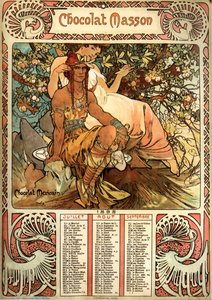
Aperçu en situation
 Partager
 Partager
 Détails
 Guide imprimable

 Télécharger
 Articles similaires
 Radiographie
 Voir le diaporama
 Statistiques
The Slav Epic


 Afficher la suite
Giclées et impressions d'art
Impressions giclées ou sur toile de qualité musée, avec une production rapide et des finitions au choix. ( Acheter la peinture faite à la main Passer au format image numérique)




P118B €10

P118H €10

P118W €10

P438Z €10

P508JH €12

P508YH €12

P805H €10

P805Z €10

P919BZ €10

P919G €10

P919XJ €10

P959ZH €10

P968JZ €12

W106C €8

W218G €10

W218JH €8

W218Y €10

W307PJ €10

W316G €10

W316PJ €8

W316Y €10

W398PJ €8

W4111J €10

W500HY €15

W500JH €15

W692G €12

W849H €8

W940BG €15

W953PJ €8




Choisissez parmi nos formats prédéfinis qui respectent les proportions originales de l’œuvre.

Saisissez la largeur et la hauteur souhaitées pour qu'elles s'adaptent à votre cadre ou à votre mur. Une impression ne peut être que découpée, elle ne peut jamais être agrandie au-delà de l'image originale ; ainsi, un format de forme différente entraînera la perte d'une partie de l'image. Nous vous envoyons une maquette numérique pour approbation avant toute impression. L'image présentée sur cette page ne montre pas le recadrage réel — seule la maquette le permet.
Livraison dans le monde entier () en 2 semaines au lieu des 4/5 semaines habituelles. (23 octobre)

Livraison express gratuite dans le monde entier

Toile de lin de haute qualité

Assurance transport complète

Garantie de remboursement des droits de douane

Garantie de fidélité des couleurs

Garantie de retour de 100 jours (uniquement en cas de défaut)

Garantie de remboursement à 100%

Tarifs dégressifs sur quantité
 L'option verre n'est disponible que pour les dimensions inférieures à 110 cm.

The Slav Epic
Giclées et impressions d'art
Format de la reproduction
-


Prix total final
€ 70
The Slav Epic: A Monument to Slavic Identity
Alphonse Mucha’s *The Slav Epic* stands as one of the most ambitious and visually arresting projects of the Art Nouveau era. Completed between 1912 and 1926, this monumental cycle of twenty paintings isn't merely a collection of historical scenes; it’s a profound statement about Slavic identity, spirituality, and the enduring power of myth. Commissioned by the Czech government as a celebration of Czechoslovakia’s newly gained independence, Mucha poured his heart and soul into creating an epic that would resonate with the Slavic people across vast geographical distances – a testament to their shared heritage and cultural resilience.
The sheer scale of *The Slav Epic* is immediately striking. Each canvas measures over six by eight meters (approximately 20 x 26 feet), demanding attention and immersing the viewer in Mucha’s meticulously crafted world. This monumental format was deliberate, intended to evoke a sense of grandeur and importance, reflecting the significance he placed on portraying the Slavic narrative with unparalleled depth and detail. The paintings are not simply decorative; they were conceived as a powerful visual chronicle, designed to inspire pride and unity within the Slavic nations.
A Symphony of Art Nouveau Style
Muchas distinctive style is immediately recognizable – a hallmark of his Art Nouveau period. Flowing lines dominate every composition, creating an almost liquid quality that seems to animate the figures and landscapes. Organic forms are prevalent, drawing inspiration from nature—floral motifs intertwine with human forms, reflecting a deep connection to the natural world. The use of color is particularly masterful; rich, saturated hues – deep blues, vibrant reds, earthy greens, and shimmering golds – create an atmosphere of both solemnity and opulence. This careful orchestration of color isn’t just aesthetically pleasing; it serves to heighten the emotional impact of each scene.
The figures themselves are idealized representations of Slavic people, often depicted in flowing robes that emphasize movement and grace. Mucha's women – frequently adorned with elaborate headdresses and jewelry – embody a sense of timeless beauty and spiritual power. He skillfully employs techniques like sfumato (the blurring of edges) to create a soft, atmospheric effect, further enhancing the dreamlike quality of his work. The artist’s meticulous attention to detail, from the texture of fabrics to the expressions on the figures' faces, elevates these paintings beyond mere illustrations and transforms them into powerful works of art.
Symbolism and Narrative
Each of the twenty canvases tells a specific story from Slavic history and mythology. The cycle is divided roughly in half, with ten panels depicting events from Czech history and the other ten exploring broader Slavic narratives. Notable scenes include “The Bulgarian Tsar Simeon,” where the young ruler welcomes Methodius and Cyril to his kingdom, symbolizing the spread of Christianity among the Slavs; and “The Apotheosis of the Slavs,” a triumphant finale depicting the Slavic people’s ultimate victory and their arrival in their homeland.
Beyond the literal narratives, *The Slav Epic* is rich in symbolism. Recurring motifs – such as the wheat stalk (representing fertility and abundance) and the stylized depiction of the sun – carry deeper meanings related to Slavic spirituality and worldview. Mucha’s work reflects a deep engagement with Slavonic mythology, incorporating elements from ancient legends and folklore into his compositions. The paintings are not simply historical records; they are carefully constructed allegories designed to evoke a sense of national pride and cultural identity.
A Legacy of Artistic Vision
Alphonse Mucha’s *The Slav Epic* remains a testament to the artist's extraordinary vision and technical skill. It is a monumental achievement that transcends its historical context, continuing to captivate viewers with its beauty, power, and profound message. Reproductions of this iconic artwork offer an unparalleled opportunity to experience the full impact of Mucha’s genius – a chance to own a piece of art history that celebrates the enduring spirit of the Slavic people.
Questions et réponses
Quelle place occupe « The Slav Epic » dans l'œuvre de Alphonse Maria Mucha ?
«The Slav Epic» appartient à l'œuvre Art Nouveau de Alphonse Maria Mucha, dont les thèmes récurrents incluent renoir, moreau influences, slavic mythology themes, czech nationalism reflects, monumental project ambition, muchas signature style.
Quelle intensité lumineuse les couleurs de "The Slav Epic" semblent-elles refléter ?
«The Slav Epic» de Alphonse Maria Mucha présente une luminance de Bright Balance. La luminance décrit la quantité de lumière que les couleurs semblent réfléchir.
Qui vend des reproductions peintes à la main de «The Slav Epic» de Alphonse Maria Mucha ?
«The Slav Epic» est disponible en tant que une reproduction à l'huile peinte à la main sur toile de lin. La commande peut être effectuée sur sa page Reproduction peinte à la main, avec un choix de formats.
Biographie de l'artiste
Première Vie et Formation
- Né : Le 15 juillet 1860, à Ivanačice, Moravie (aujourd'hui faisant partie de la République tchèque)
- A montré un talent artistique dès son plus jeune âge.
- A étudié à l'Académie des beaux-arts de Prague mais s'est désillusionné face aux approches traditionnelles.
- S'est installé à Paris en 1887 pour poursuivre son propre style.
Style Artistique et Œuvres Notables
- Connu pour un style Art Nouveau distinctif caractérisé par des lignes fluides, des formes organiques et un sentiment de mouvement.
- Influencé par des artistes tels que Pierre-Auguste Renoir et Gustave Moreau.
- Œuvres Notables :
- La Révolte Slave - Présente un mélange de motifs tchèques traditionnels avec des éléments Art Nouveau modernes.
- Salon des Cent
- Peintures inspirées d'œuvres telles que Les Filles de Tespio de Gustave Moreau, et La Ribambelle des Gobelins de Piero Dorazio.
- Illustrations basées sur De Jeunes Fermiers Brisant le Lin de Sir Hubert von Herkomer.
- Présentait fréquemment des femmes idéalisées dans des robes fluides entourées de fleurs luxuriantes.
Moments Forts de Carrière et Commandes Majeures
- Collaboration avec Sarah Bernhardt : A créé des affiches et des designs pour l'actrice Sarah Bernhardt, à commencer par l'affiche de Gismonda (1894), qui a lancé sa carrière.
- Exposition Universelle à Paris (1900) : Son style Art Nouveau a gagné une reconnaissance internationale lors de cet événement. Il a décoré le pavillon de Bosnie-Herzégovine et collaboré au pavillon autrichien.
- Mécénat de Charles Richard Crane : A reçu le soutien de Charles Richard Crane, ce qui lui a permis de créer la série monumentale Le Cycle Slave (1912-30).
- Tchécoslovaquie Indépendante : A conçu des timbres, des billets de banque et des documents gouvernementaux pour la Tchécoslovaquie nouvellement indépendante.
Influences et Héritage
- Influencé par les traditions artistiques tchèques et les mouvements artistiques européens modernes.
- Son style unique a ouvert la voie aux futures générations d'artistes dans l'Art Nouveau et la Sécession.
- A inspiré d'autres artistes comme Eva Prokopcová.
- L'héritage s'étend au-delà de son œuvre pour influencer le design et l'esthétique.
Vie Tardive et Décès
- S'est marié avec Maruska (Marie/Maria) Chytilová en 1906.
- A visité les États-Unis de 1906 à 1910, où leur fille Jaroslava est née.
- Est décédé le 14 juillet 1939 à Prague, Tchécoslovaquie.

Alphonse Maria Mucha
1860 - 1939 , République tchèque
En bref
- Artistes Influencés: ['Eva Prokopcová']
- Artistes Influents:
- Pierre-Auguste Renoir
- Gustave Moreau
- Date De Décès: 1939
- Date De Naissance: 15 juillet 1860
- Lieu De Naissance: Brno, République tchèque
- Mouvement Artistique: Art nouveau
- Nationalité: Tchèque
- Nom Complet: Alphonse Maria Mucha
- Oeuvres Notables:
- La révolte slave
- Salon des Cent
- Les filles de Tespio
- La Ribambelle des Gobelins