

 Aperçu en situation
 Envoyer
 Partager
 Détails de l'œuvre

 Télécharger
 Articles similaires
 Radiographie
 Diaporama
 Statistiques
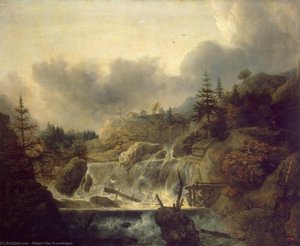
Bateaux par grand vent


 Lire la suite
Reproduction à l'huile faite à la main
Huile sur toile peinte à la main, avec cadre et dimensions personnalisés, réalisée sur commande par nos artistes. ( Passer au format impression Passer à l'image numérique)




P118B $10

P118H $10

P118W $10

P438Z $10

P508JH $12

P508YH $12

P805H $10

P805Z $10

P919BZ $10

P919G $10

P919XJ $10

P959ZH $10

P968JZ $12

W106C $8

W218G $10

W218JH $8

W218Y $10

W307PJ $10

W316G $10

W316PJ $8

W316Y $10

W398PJ $8

W4111J $10

W500HY $15

W500JH $15

W692G $12

W849H $8

W940BG $15

W953PJ $8




Choisissez parmi nos formats prédéfinis qui respectent les proportions originales de l’œuvre.

Vous pouvez saisir vos propres dimensions pour l'adapter à un cadre ou à un espace spécifique. Si la taille sélectionnée ne correspond pas aux proportions de l'image d'origine, nous recadrerons l'œuvre ou prolongerons la peinture avec des éléments peints à la main supplémentaires. Une maquette numérique vous sera envoyée pour approbation avant le début de la production.
Veuillez noter que l'aperçu à l'écran ne reflète pas le recadrage ou l'extension réels. Seule la maquette montrera fidèlement la composition finale.
Bien que des tailles personnalisées soient disponibles, nous vous recommandons de sélectionner une dimension dans la liste prédéfinie afin de préserver les proportions d'origine.
Après la commande, l’équipe OriginalUniqueArt.com contactera le client par e-mail pour recueillir ses instructions et lui fournira une maquette d’aperçu
Livraison dans le monde entier () en 3 à 4 semaines au lieu des 5 semaines habituelles. (9 septembre). Aucun compromis sur la qualité.

Livraison express gratuite dans le monde entier

Toile de lin de haute qualité

Assurance transport complète

Garantie de remboursement des droits de douane

Garantie de fidélité des couleurs

Garantie de retour de 100 jours (uniquement en cas de défaut)

Garantie de remboursement à 100%

Tarifs dégressifs sur quantité
 L'option verre n'est disponible que pour les dimensions inférieures à 110 cm.

Bateaux par grand vent
Technique de reproduction
Format de la reproduction
-


Prix total final
$ 300
Allaert van Everdingen’s ‘Bateaux par Grand Vent’: A Tempestuous Vision of Dutch Maritime Art
The painting “Bateaux par Grand Vent” (“Boats in Strong Wind”), executed by Allaert van Everdingen around 1657, stands as a cornerstone of Dutch Golden Age marine art—a genre that captured the dramatic beauty and inherent danger of the North Sea during its zenith. More than just a depiction of ships battling turbulent weather, it’s an exploration of psychological tension and a masterful demonstration of innovative artistic techniques designed to convey profound emotional resonance.Composition and Technique: Mastering Atmospheric Perspective
Van Everdingen's compositional strategy prioritizes conveying immediacy and dynamism. The canvas is dominated by horizontal bands representing the sky and sea, with the boats strategically positioned across this expanse. Notably, the central sailboat isn’t merely afloat; it’s actively engaged in a desperate struggle against colossal waves—a visual metaphor for confronting adversity. Crucially, Everdingen employed atmospheric perspective – a technique pioneered during his time – to create an illusion of depth. Distant vessels appear fainter and less detailed than those closer to the viewer, achieved through subtle gradations of color and tonal value. This masterful manipulation of light and shadow isn’t merely aesthetically pleasing; it serves to heighten the sense of drama and reinforce the painting's thematic core: humanity pitted against the overwhelming force of nature. The artist utilized oil paint on canvas, layering thin glazes to build up texture and luminosity—a method that allowed for exceptional realism while maintaining a painterly quality characteristic of the era.Color Palette and Emotional Impact: Reflecting Darkness and Resilience
The color palette is deliberately subdued, reflecting the bleakness of a storm-ridden seascape. Predominantly cool hues – shades of gray, indigo, and brown – dominate the canvas, fostering an atmosphere of apprehension and isolation. However, subtle warmer tones appear in the sails and certain areas of the water—representing flickering hope amidst despair. These carefully calibrated colors aren’t arbitrary; they contribute directly to the painting's emotional impact. The viewer is drawn into a visceral experience of vulnerability and fortitude as they contemplate the precarious position of the sailors battling the tempestuous sea. Everdingen’s deliberate restraint in highlighting areas creates an unsettling stillness, mirroring the psychological state of those facing imminent danger.Historical Context: Rembrandt’s Influence and the Dawn of Modern Landscape Painting
Van Everdingen's artistic vision owes considerable debt to Rembrandt Harmenszoon van Rijn—a fellow innovator who championed a similarly expressive approach to landscape painting. While Rembrandt focused on capturing inner emotion through chiaroscuro (the dramatic interplay of light and dark), Everdingen pushed the boundaries of realism by prioritizing atmospheric perspective and conveying the palpable sensation of wind and water. This stylistic evolution marks a pivotal moment in art history, signaling the transition from idealized depictions of nature to landscapes imbued with psychological depth—a legacy that continues to inspire artists today. The painting exemplifies the burgeoning interest in scientific observation during the Golden Age, reflecting a desire to accurately represent the natural world as perceived by the senses.Symbolism: Confrontation and Triumph Over Adversity
Beyond its technical brilliance, “Bateaux par Grand Vent” resonates with profound symbolic significance. The storm serves as an allegory for life’s challenges—representing forces beyond human control that demand courage and resilience. Yet, despite the overwhelming odds presented by the sea, the central sailboat persists in its struggle, embodying the unwavering spirit of perseverance. This enduring image speaks to a universal theme: humanity's capacity to confront hardship with dignity and determination—a timeless message conveyed through masterful artistic execution.Biographie de l'artiste
Allaert van Everdingen : Pionnier du paysage nordique et précurseur de Rembrandt
Allaert van Everdingen (1621–1675) est un peintre néerlandais majeur du règne glorieux, dont l’œuvre témoigne d’une sensibilité particulière à la beauté sauvage des paysages nordiques et qui fut considéré comme un véritable précurseur de Rembrandt dans l'utilisation innovante du clair-obscur. Bien que les détails de sa vie restent enveloppés de mystère, son héritage artistique est incontestable et continue d’inspirer les artistes contemporains.- Naissance et Formation : Né à Alkmaar en 1621, Allaert était fils d'un fonctionnaire gouvernemental et reçut une éducation artistique initiale auprès de Roelandt Savery à Utrecht. Cette formation précoce lui permit d’acquérir les bases du style baroque flamand, qui allait influencer profondément son travail futur.
- Voyages et Influences : Un voyage imprévu en Norvège en 1644 marqua un tournant décisif dans la vie artistique de Van Everdingen. Cette découverte du paysage nordique, alimentée notamment par les dessins qu’il réalisa lors de cette expédition, lui ouvrit les portes d'une nouvelle esthétique et lui inspira des vues majestueuses avec des cascades impressionnantes.
- Développement Artistique : Après avoir étudié sous Pieter de Molijn à Haarlem, Allaert établit son atelier à Amsterdam en 1657 où il travailla jusqu’à sa mort en 1675. Son style artistique se caractérise par une maîtrise exceptionnelle du paysage nordique et une approche novatrice du clair-obscur, similaire à celle de Rembrandt.
- Œuvres Marquantes : Parmi ses œuvres les plus célèbres figurent notamment « De geschutgieterij Julita Bruk van de familie Trip », représentant une scène pastorale emblématique du règne glorieux néerlandais ; les vues nordiques qu’il réalisa avec une précision remarquable, telles que le magnifique panorama du glen près de Mölndal au musée de Copenhague ; et les cascades qu'il peint avec une énergie expressive.
- Héritage Artistique : Allaert van Everdingen est considéré comme un pionnier du paysage nordique et un précurseur essentiel de Rembrandt dans l’utilisation du clair-obscur. Son œuvre fut admirée par ses contemporains et continue d'être étudiée aujourd'hui, témoignant de la puissance et de la beauté d'une esthétique inspirée par la nature sauvage et maîtrisée avec une sensibilité artistique inégalée.
Allaert van Everdingen
1621 - 1675 , Pays-Bas
En bref
- Artistic Movement Or Style: Peinture paysagiste néerlandaise du règne doré
- Artists Or Movements Influenced By This Artist: ['Rembrandt']
- Artists Who Influenced This Artist:
- Roelandt Savery
- Jan van Goyen
- Date Of Birth: 18 juin 1621
- Date Of Death: 8 novembre 1675
- Full Name: Allaert van Everdingen
- Nationality: Pays-Bas
- Notable Artworks:
- La cheminée Julita Bruk de la famille Trip
- Paysage Scandinave près de Mölndal
- Place Of Birth: Alkmaar, Pays-Bas
Articles similaires

Masterpieces of Light: A Definitive Guide to the Landscapes of the Dutch Golden Age
Discover the luminous mastery of Dutch Golden Age landscapes. Our expert guide explores the atmospheric realism of masters like Van Goyen and Cuyp. Elevate your space with museum-quality, hand-painted oil reproductions from OriginalUniqueArt.com. Art history, beautifully realized.

Rembrandt van Rijn : Les 25 Œuvres Maîtresses à Redécouvrir | OriginalUniqueArt
Plongez dans l'univers de Rembrandt van Rijn avec les 25 œuvres incontournables du maître baroque. Découvrez l'histoire, la technique et l'émotion derrière ses portraits célèbres et 'La Ronde de Nuit'. Reproductions tableaux haute qualité sur OriginalUniqueArt.com

Golden Light & Dutch Skies: The Timeless Magic of Dutch Golden Age Landscapes
Discover the breathtaking beauty of Dutch Golden Age landscapes. Explore the mastery of light, chiaroscuro, and 17th-century realism through an expert art history lens, celebrating the enduring legacy of the Dutch Masters for discerning collectors and art lovers.

Willem van de Velde the Elder: Master of Maritime Painting & Chronicler of the Dutch Golden Age
Discover the captivating maritime paintings of Willem van de Velde the Elder, a master chronicler of the Dutch Golden Age. Explore his unparalleled realism and lasting influence on naval art history.

L'Âge d'Or Néerlandais : 10 Chefs-d'œuvre Incontournables pour Décorer avec Art et Histoire
Plongez au cœur de l'Âge d'Or néerlandais ! Découvrez 10 chefs-d'œuvre intemporels de Rembrandt, Vermeer et autres maîtres hollandais. Explorez leur histoire, technique & trouvez l'inspiration déco sur